
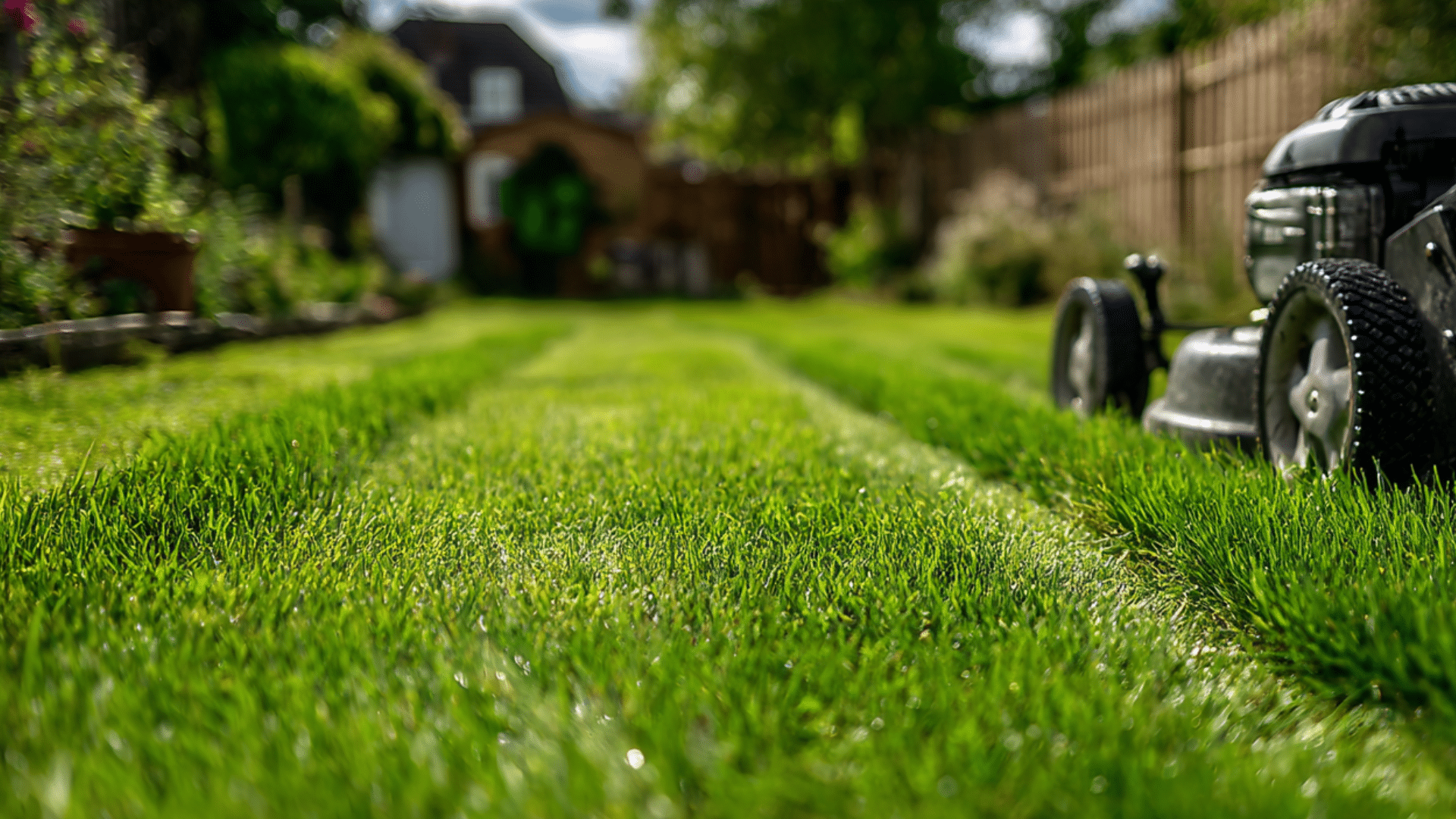

Your lawnmower probably has a setting you’ve been ignoring.
Most people just bag their grass clippings and toss them. But there’s another option that could save you time and money. Mulching returns nutrients to your soil. It happens naturally as those tiny grass pieces break down.
You get a healthier lawn without buying extra fertilizer. One approach cuts my mowing time in half.
The other keeps my lawn looking cleaner but creates more work.
This blog will show you when to mulch and when to bag. You’ll know exactly which method works best for your yard.
Overview of the Two Methods
Both methods serve different purposes for your lawn care routine. Mulching happens when your mower’s blade cuts grass into small pieces that scatter back onto the turf.
These tiny clippings work their way down to the soil surface, where microorganisms break them apart.
Bagging uses a collection system that captures clippings as you cut. The bag attaches to your mower’s discharge chute and fills up during use. Once full, you’ll carry it to your disposal area.
Each approach has its place in lawn maintenance, depending on what your grass needs at that moment.
Key Differences: Mulching vs Bagging
Here’s how mulching and bagging stack up against each other:
| Aspect | Mulching | Bagging |
|---|---|---|
| Time Required | Faster, no stops needed | Slower, frequent bag emptying |
| Lawn Appearance | Clippings are visible at first | Clean look immediately |
| Nutrient Return | Feeds soil naturally | Removes all nutrients |
| Cost | Saves on fertilizer | Higher fertilizer expenses |
| Waste Generated | Zero waste produced | Creates disposal needs |
| Best Grass Height | Works with short grass | Handles any length well |
| Wet Conditions | Clumps and looks bad | Works fine when wet |
| Weed Control | Can spread seeds around | Collects seeds in a bag |
| Equipment Needs | The standard mower works fine | Requires bags and attachments |
| Maintenance | Mow more frequently | Less frequent cuts are okay |
| Soil Health | Improves over time | No soil benefits |
| Water Retention | Holds moisture better | Normal water evaporation |
Pros and Cons of Mulching
Let’s break down the pros and cons:
Pros
- Feeds Your Soil Naturally: Grass clippings decompose, releasing nitrogen back into the soil. Your lawn gets free fertilizer.
- Saves You Time: No need to stop and empty bags. You just mow and keep going without interruptions.
- Reduces Waste: You’re not filling up trash bags or yard waste bins. Less mess to haul away each week.
- Keeps Moisture: The mulch layer holds water near the roots. Your grass stays greener during dry spells.
- Cuts Fertilizer Costs: Those clippings provide nutrients throughout the season. You’ll spend less money on lawn products.
Cons
- Can Look Messy: Fresh clippings temporarily appear on your lawn. Some people don’t like this appearance. It takes time for clippings to disappear.
- Clumping Issues: Wet or tall grass creates clumps. These piles can kill the grass underneath. You might need to rake them out manually.
- Thatch Buildup Risk: Excessive mulching can lead to thatch problems. A thick layer of thatch blocks water and nutrients. You’ll need to dethatch occasionally.
- Not Ideal for All Grass: Some grass types don’t respond well to mulching. Thick-bladed grasses take longer to decompose. Results vary by grass species.
Pros and Cons of Bagging
Let’s break down the pros and cons:
Pros
- Keeps Your Lawn Looking Clean: No clippings left behind on the grass. Your yard looks neat and freshly cut right away.
- Prevents Thatch Buildup: Removing clippings stops excess organic matter from piling up. You avoid thick layers that block water and air.
- Controls Weed Spread Better: Seeds get collected in the bag instead of spreading. You catch them before they settle into the soil.
- Works Great for Overgrown Lawns: Tall grass gets hauled away without clumping. Your mower handles thick growth much better this way.
- Removes Disease and Pests: Infected clippings go straight into the bag. You stop problems from spreading across your entire lawn.
Cons
- Creates Extra Work for You: You stop every few minutes to empty bags. Mowing takes twice as long on a big yard.
- Wastes Valuable Nutrients: Those clippings contain nitrogen your soil needs. You’re throwing away free fertilizer every single time.
- Costs More Money Long-Term: You’ll buy more fertilizer to replace lost nutrients. The expense adds up over each growing season.
- Generates Yard Waste: Bags pile up fast during peak season. You need somewhere to store or dispose of them weekly.
- Requires Extra Equipment: Bags wear out and need to be replaced regularly. Some mowers require special attachments that cost extra.
How to Decide Between Mulching vs Bagging
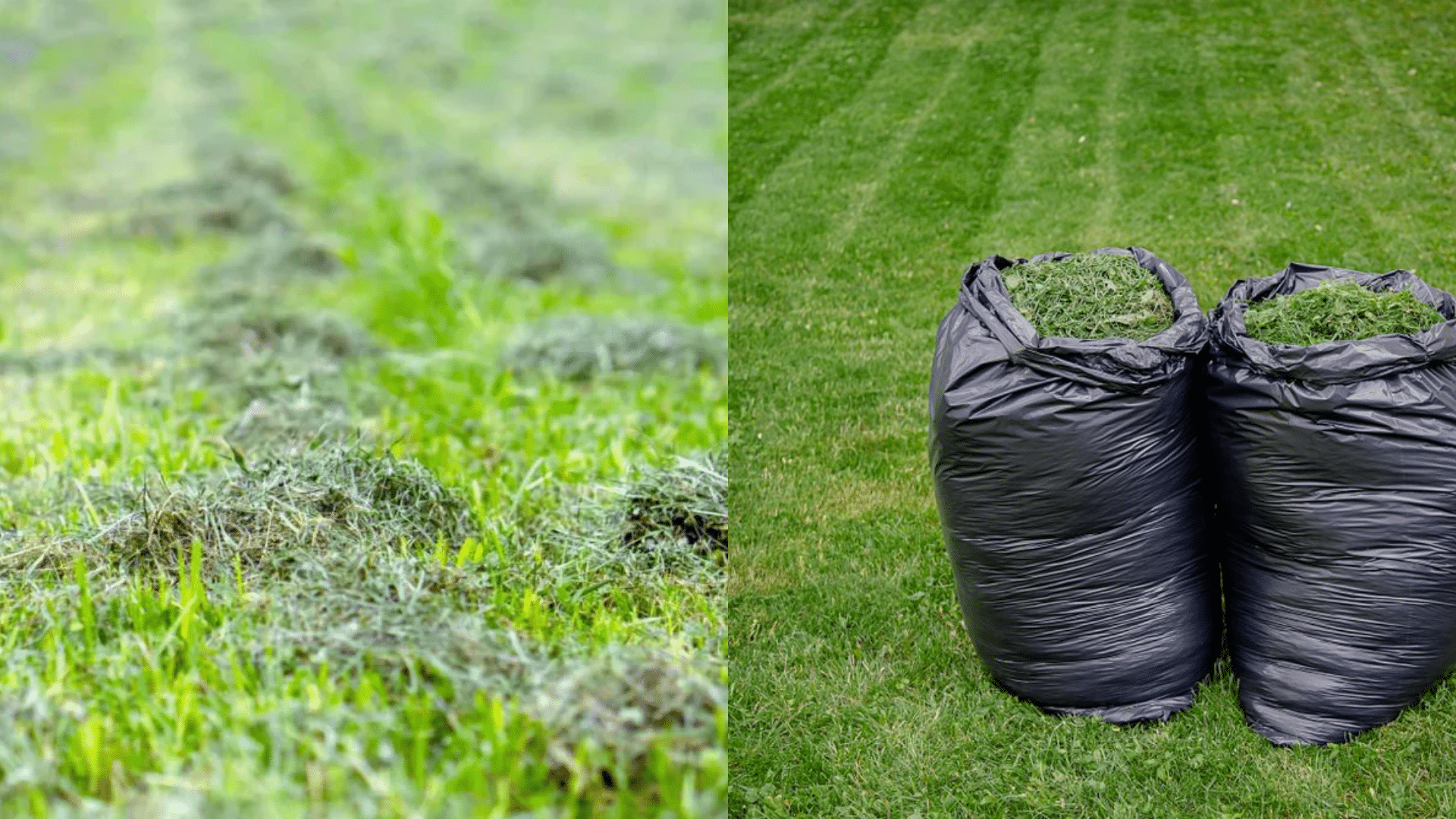
Your lawn conditions tell you which method works best. Different approaches depending on what’s happening in your yard.
When to Prefer Mulching?
Regular Mowing Schedule
If you mow weekly, mulching works great. Frequent cuts result in smaller clippings that break down quickly. Your lawn stays healthy, and you won’t see clumps of grass sitting around.
Dry Weather Conditions
Mulching performs best when the grass is dry. Dry clippings spread evenly and decompose quickly. They won’t stick together or create messy piles on your lawn.
Nutrient-Poor Soil
Your lawn needs feeding, and mulching delivers. Grass clippings add nitrogen back into the soil. This natural fertilizer saves you money on lawn products.
Time Constraints
Mulching cuts your mowing time, especially. You never stop to empty bags. Just mow and you’re done.
When to Choose Bagging?
Overgrown Grass
Bagging handles long grass better. Thick clippings can smother your lawn if left behind. Remove them instead.
Wet Conditions
Wet grass clumps up and doesn’t mulch well. These clumps block sunlight and can kill patches of grass. Bagging prevents this problem entirely.
Disease or Weeds Present
Sick grass or weed seeds spread through mulching. Bagging removes these problems from your yard. You protect the rest of your lawn this way.
Preferences
Bagging gives you a cleaner appearance right away. No visible clippings means a manicured finish every time.
Mulching vs Bagging vs Side Discharge
| Aspect | Mulching | Bagging | Side Discharge |
|---|---|---|---|
| How It Works | Cuts clippings into tiny pieces that fall onto the lawn | Collects clippings in the attached bag | Shoots clippings out the side of the mower |
| Mowing Speed | Moderate pace needed | Slowest due to emptying | Fastest method available |
| Lawn Cleanup | Modest cleanup needed | No cleanup required | Must rake or blow clippings |
| Equipment Needs | Mulching blade helpful | Bag attachment required | The standard mower works fine |
| Clipping Visibility | Brief visibility, then it disappears | Nothing visible | Windrows of grass are visible |
| Neighbor Impact | Stays in your yard | Stays in your yard | May blow into the neighbor’s property |
| Seasonal Use | Spring and summer are ideal | Year-round option | Early spring, when growth is fast |
| Maintenance | Blade sharpening important | Empty the bag frequently | Keep the discharge chute clear |
Environmental Impact
- Returns nutrients to the soil naturally and reduces the need for chemical fertilizers.
- Keeps organic matter out of landfills, where it produces methane gas.
- Conserves water by creating a protective layer that reduces evaporation rates.
- Supports beneficial microorganisms that improve soil health over time.
- Adds to landfill waste when clippings aren’t composted properly at facilities.
- Requires plastic bags that create additional waste and pollution problems.
- Forces you to buy more fertilizers that can run off into streams.
- Uses more fuel because mowing takes longer with frequent stops.
Conclusion
Depending on your lawn and your schedule. Prefer mulching most of the time. It saves me effort and keeps the soil healthy.
But keep the bagger attachment handy too. When grass gets wet or overgrown, switch to bagging.
It’s the right tool for those situations. You don’t have to pick just one method forever. Mix them based on what your lawn needs that week.
Your lawn will tell you what works. Pay attention and adjust as you go.





One Response
test