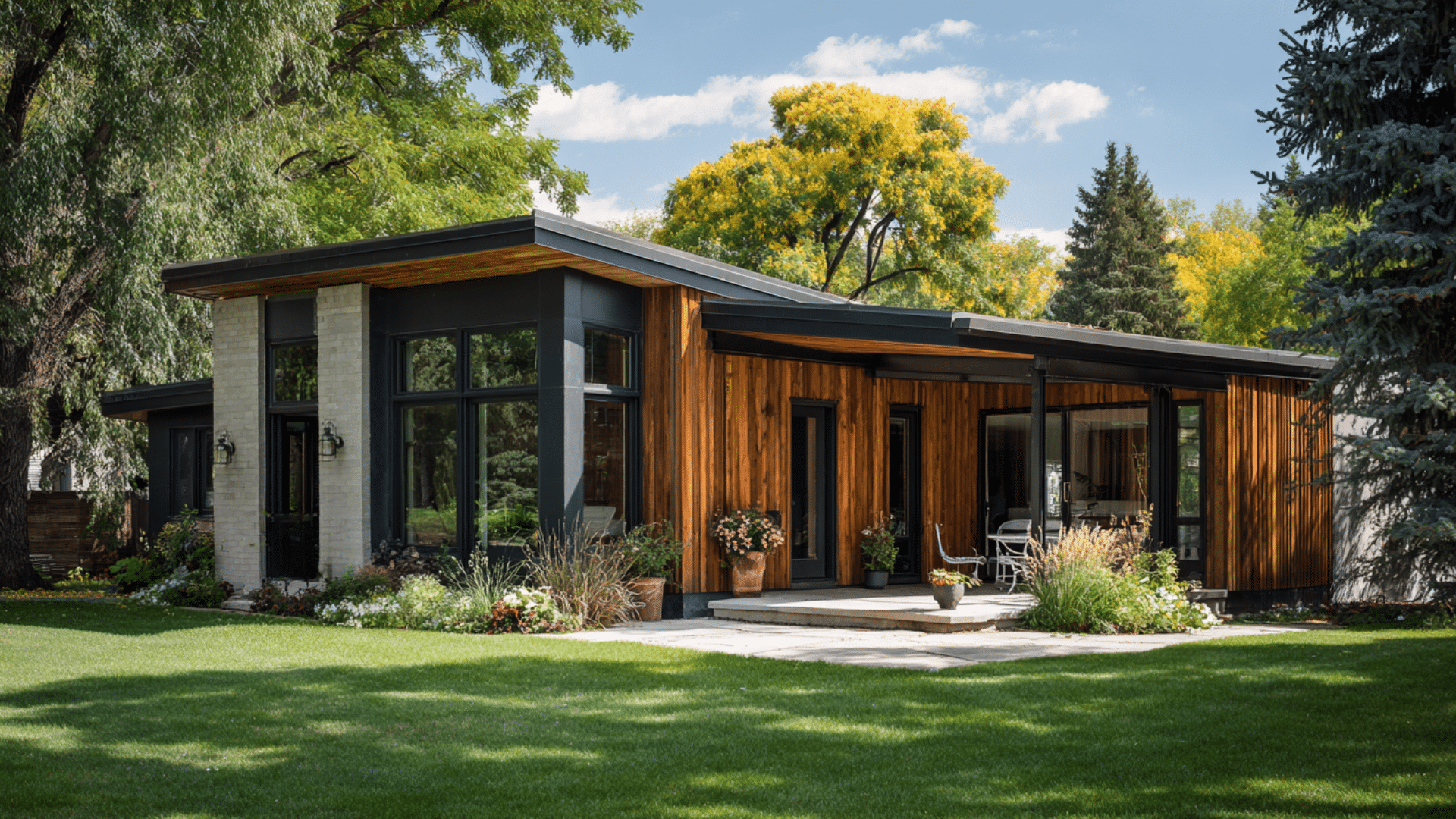

Is your ranch house feeling cramped and outdated? Many people face the same challenge with their single-story homes.
A well-planned addition can completely change your living space.
Ranch homes go from tight and uncomfortable to spacious and functional. The change is often impressive. Adding square footage doesn’t just give you more room.
In this blog, you will see single story ranch house additions before and after examples, the layout of a ranch house, tips, and budgeting.
The Design and Layout of Ranch Houses
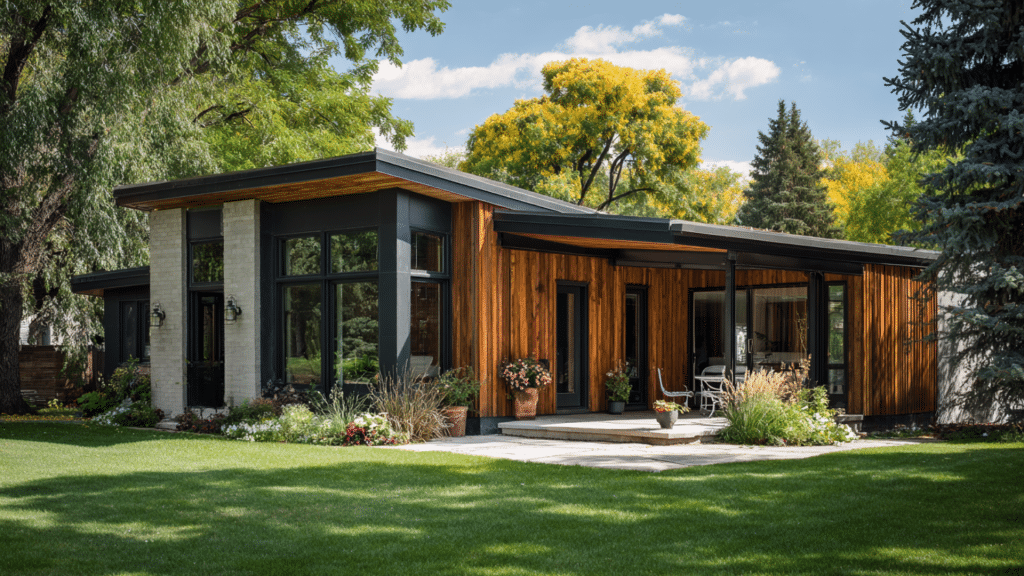
Ranch homes became popular in the 1950s and 1960s. They’re known for their single-story design and open floor plans. Most ranch houses feature long, low profiles with attached garages.
The original layouts typically included three bedrooms and one or two bathrooms. Living areas flow into dining rooms without many walls.
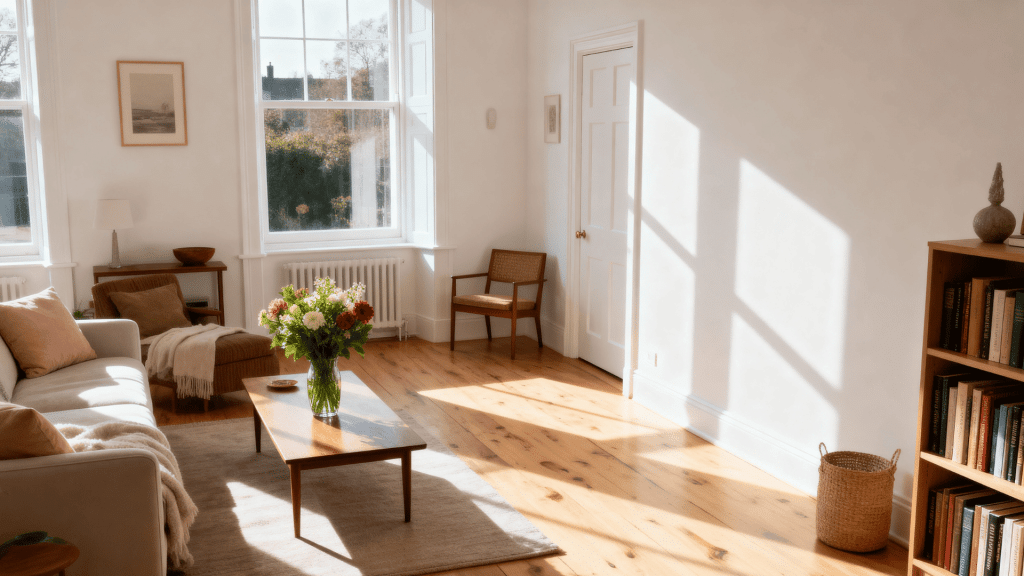
Large windows bring in natural light throughout the home.
Many ranches have sliding glass doors leading to backyards. The simple rectangular or L-shaped footprint makes them easy to expand.
Rooflines are usually low-pitched and straightforward. This classic style offers great bones for additions. The horizontal design allows for extensions on multiple sides.
Popular Types of Story Ranch House Additions
People owning a ranch house have several options when planning an addition. Here are the most common types and what they offer:
| Addition Type | Description | Best For |
|---|---|---|
| Bump-Out | Extends one room by 2-4 feet | Kitchens and bathrooms |
| Room Addition | Adds a full new room to the side or back | Extra bedrooms or home offices |
| Sunroom | Glass-enclosed space with lots of windows | Relaxation and natural light |
| Primary Suite | New bedroom with private bathroom | Growing families |
| Kitchen Extension | Expands cooking and dining areas | Home chefs |
| Garage Conversion | Turns the garage into a living space | Budget-friendly option |
Single Story Ranch Houses Earlier
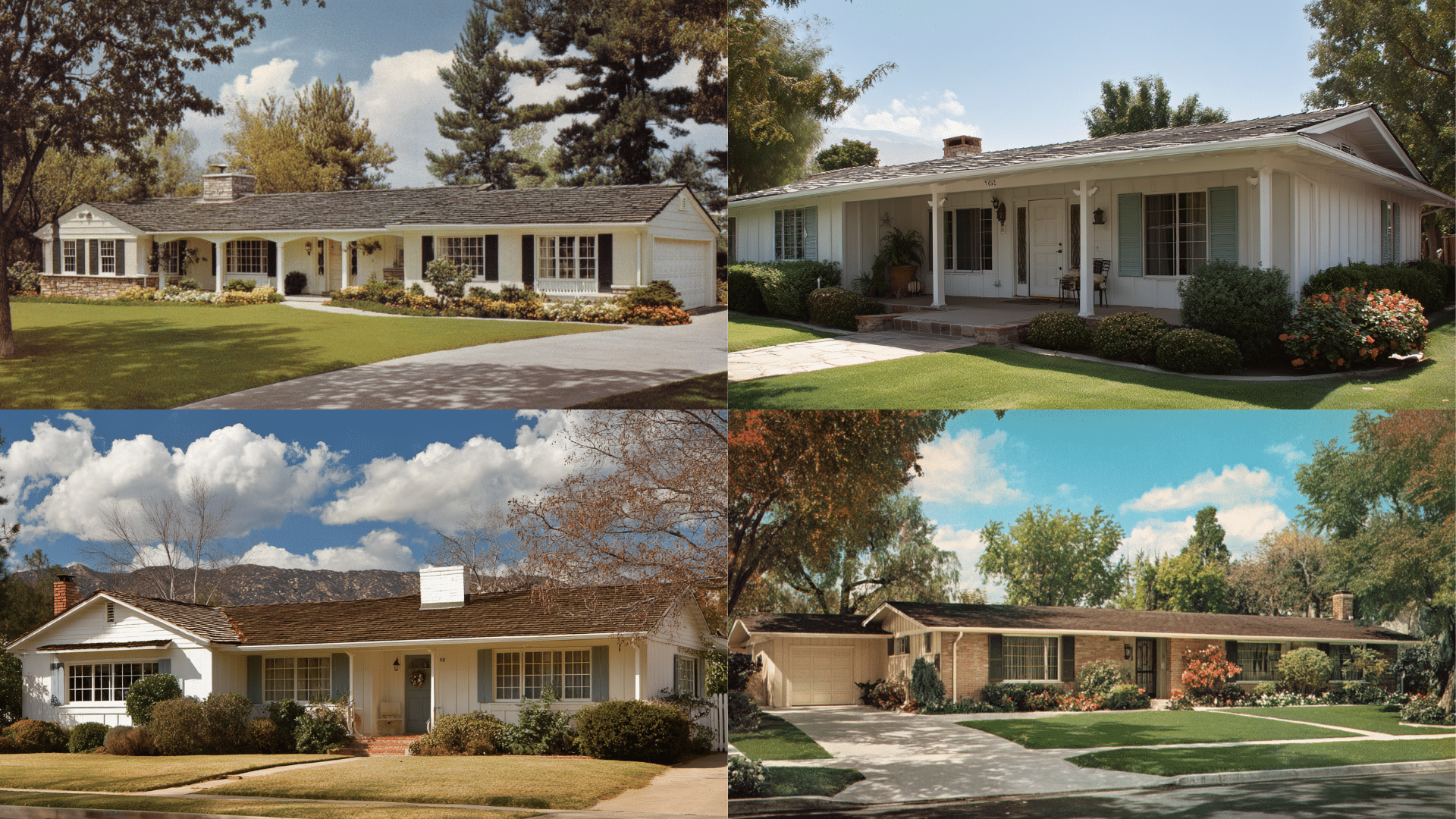
Ranch homes first appeared in the 1920s but became popular after World War II.
Soldiers returning home needed affordable housing quickly. These single-story designs were perfect for mass production.
The style was inspired by Western ranches and Spanish colonial architecture. Early ranch houses favored casual living and indoor-outdoor links, rejecting Victorian formality.
Floor plans were simple and practical for modern families.
Most of them initially featured three bedrooms and one bathroom. The attached garage became a standard feature by the 1950s.
By 1960, ranch homes made up nine out of ten new houses built. Their popularity lasted through the 1970s.
Single Story Ranch House Additions Before and After
From cramped originals to spacious kitchens, serene primary suites, and versatile bonus rooms, see how single-story ranch houses blend smoothly with classic ranch charm.
1. Kitchen Expansion
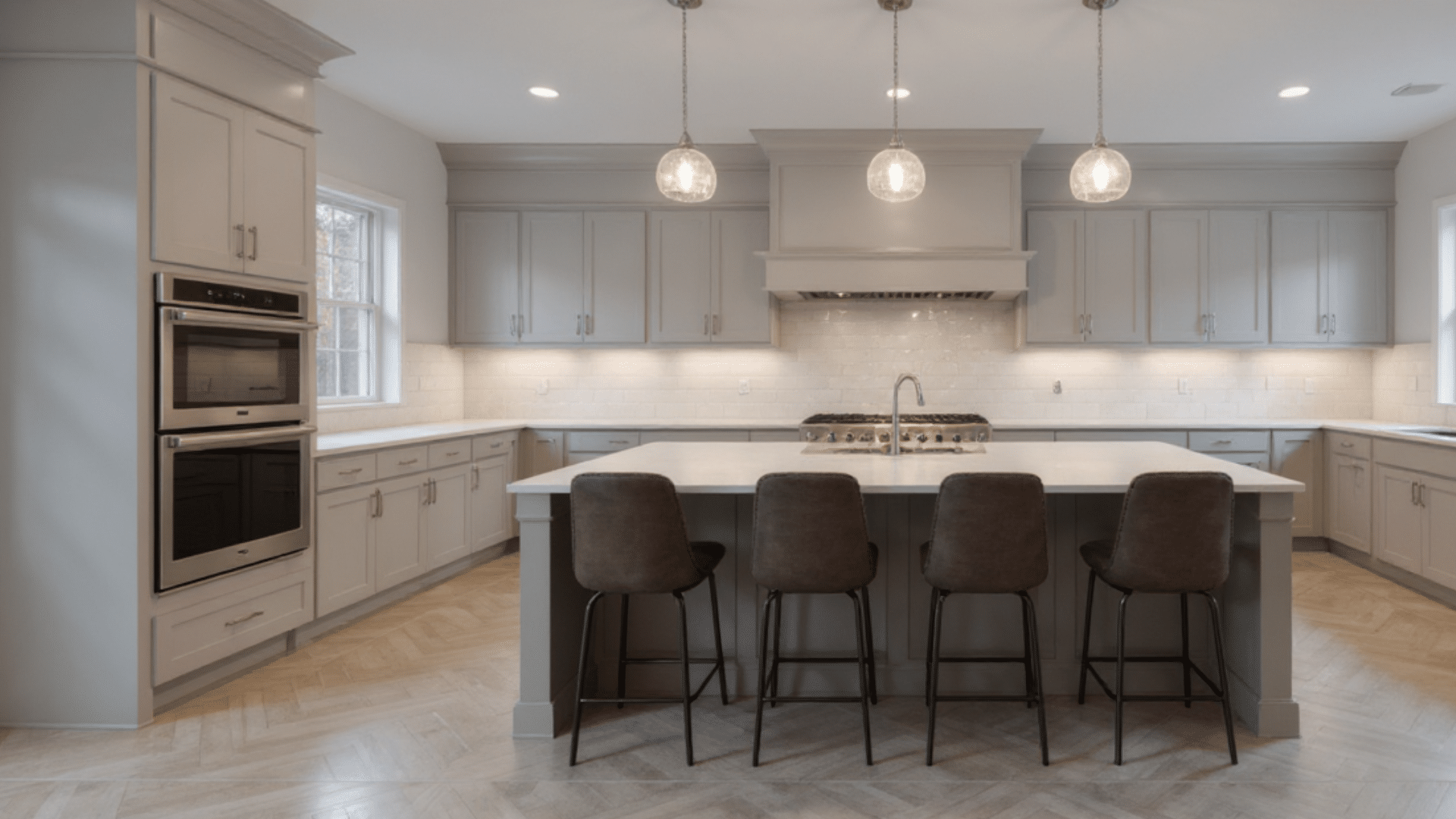
How it looked before: The 10×12 kitchen had limited counter space. Only one person could cook comfortably at a time.
After: The new 16×20 kitchen features a large island with seating for four people. Modern appliances include a double oven and a wine fridge.
2. Primary Suite Addition
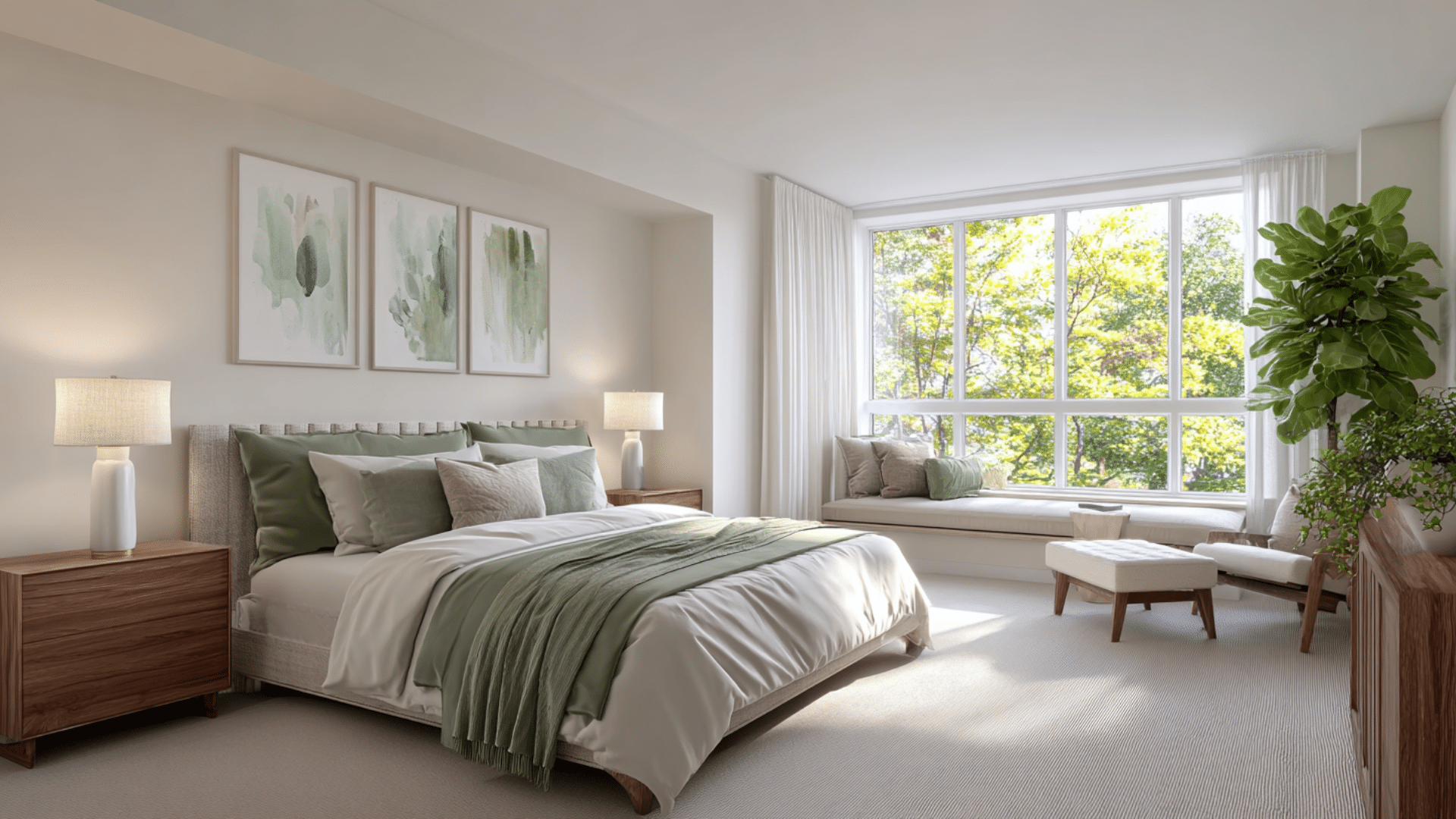
How it looked before: The main bedroom measured just 11×11 feet. A queen bed left little room for other furniture pieces.
After: The new primary bedroom spans 15×18 feet with a walk-in closet for two people. The private bathroom includes double vanities and a soaking tub. Large windows bring in natural morning light daily.
3. Additional Bathroom
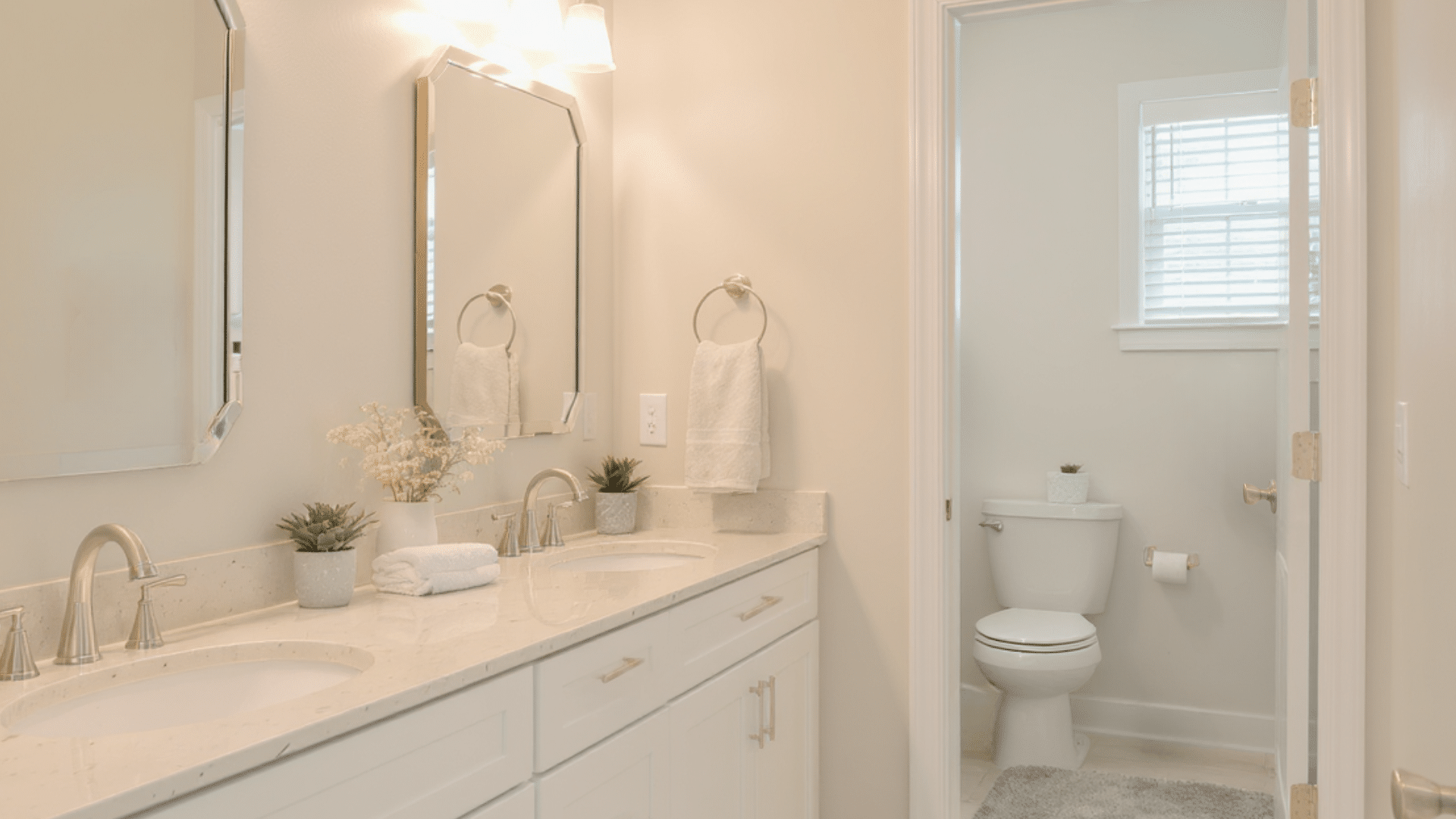
How it looked before: One bathroom served the entire family of five. Morning routines turned into daily battles for access.
After: A new hall bathroom serves the secondary bedrooms perfectly. The primary suite has its own private bathroom attached. Double vanities mean no more morning traffic jams for anyone.
4. Front Exterior Improvement
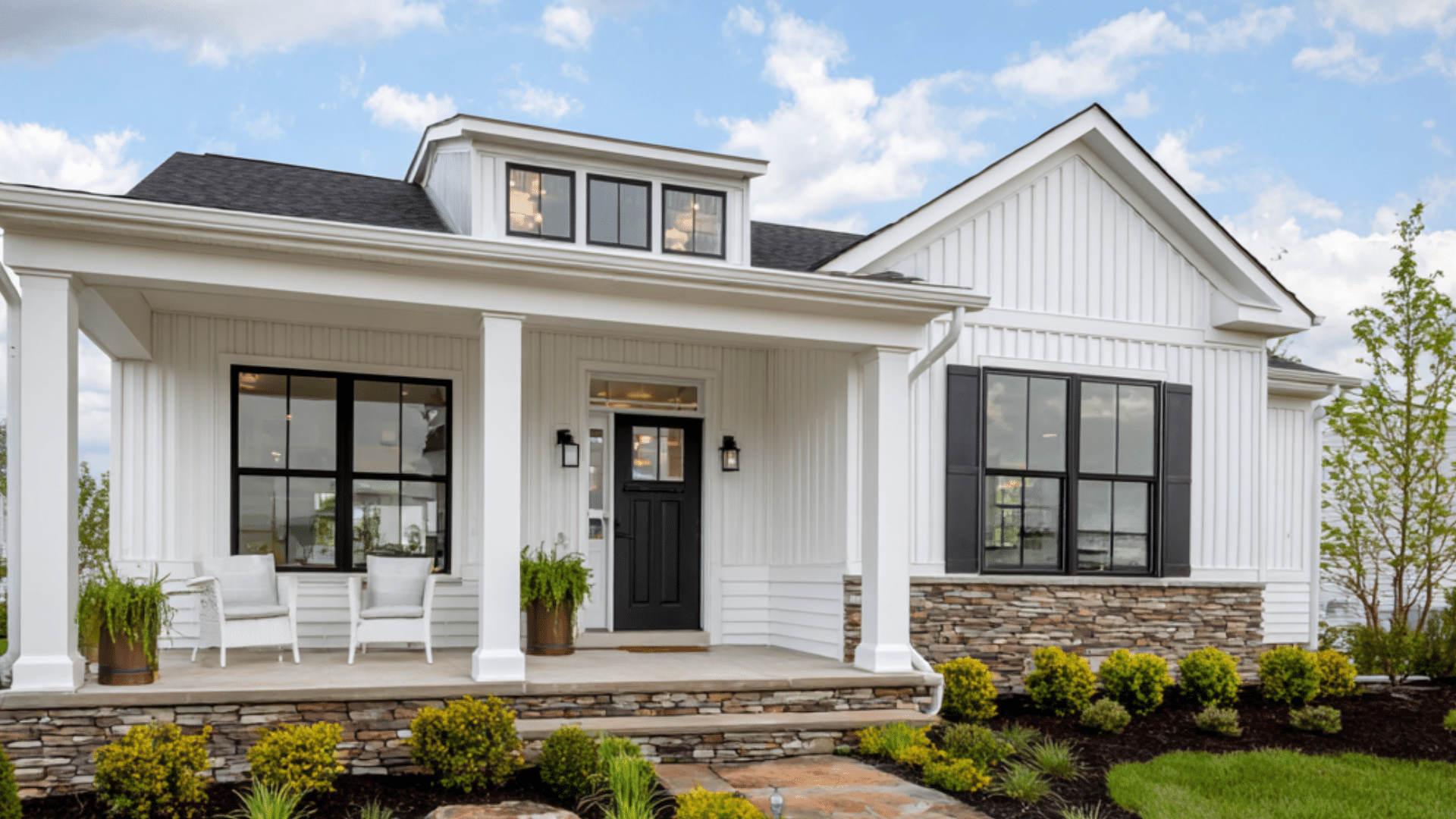
How it looked before: The old front looked dull and lacked detail, giving the home little personality. The short entryway didn’t protect visitors from the weather.
After: A fresh covered entry now improves the entire façade. The gabled roof and tall columns add structure and balance. New siding, trim, and shrubs create a polished and inviting first impression.
5. Formal Dining Room

How it looked before: The family ate all meals at a small kitchen table. Holiday gatherings felt impossible in a limited space.
After: A 14×16 dining room now accommodates eight people easily for any meal. Built-in buffet storage holds china and serving pieces. Large windows overlook the backyard with lovely views every day.
6. Dedicated Laundry Room
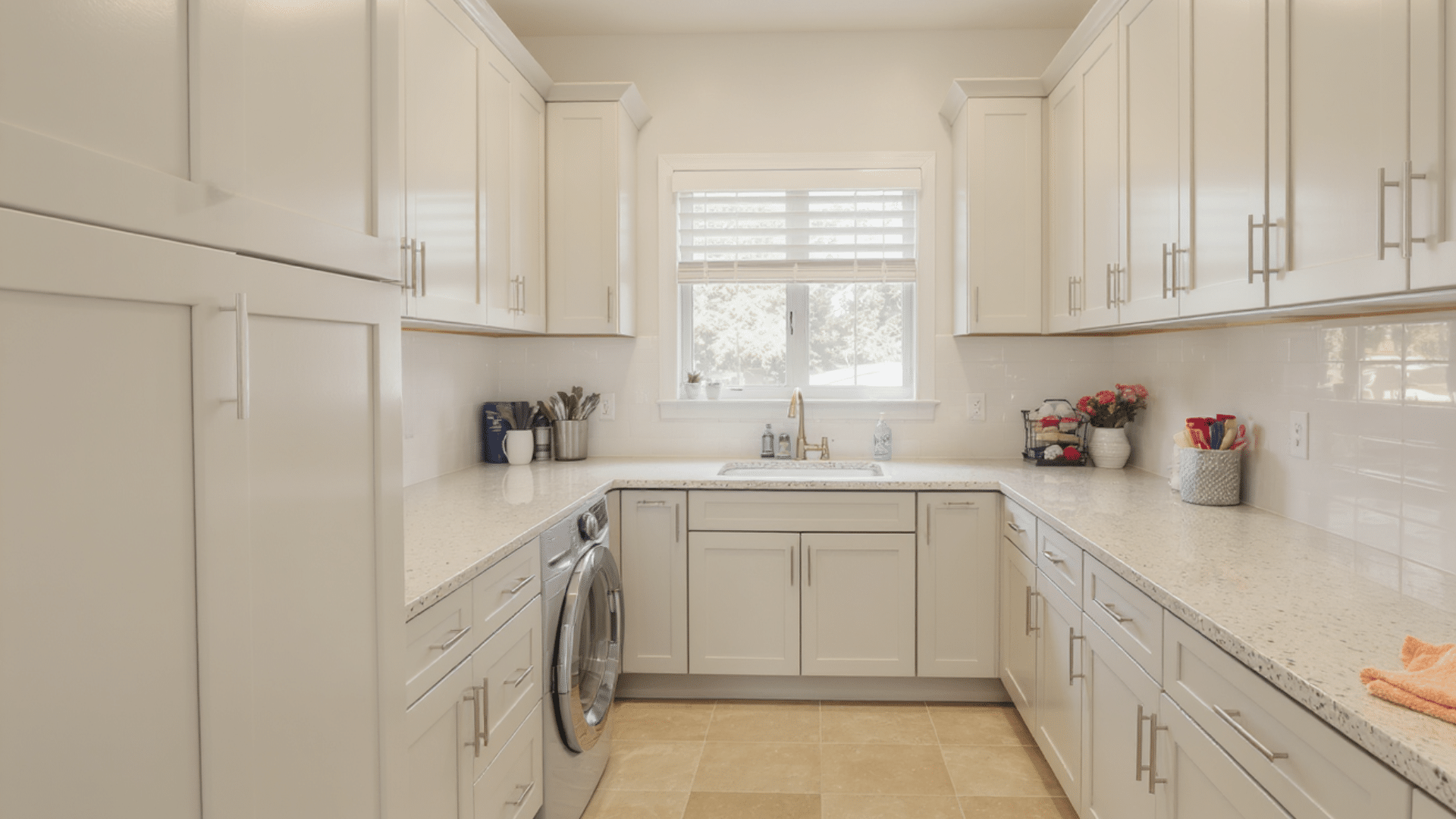
How it looked before: The washer and dryer sat in a narrow hallway closet. Folding always happened on the living room couch.
After: The new 10×10 laundry room has upper and lower cabinets for supplies. A long counter offers space for folding and sorting clothes. The sink handles stain treatment and hand washing needs are perfectly suited.
7. Home Office Space
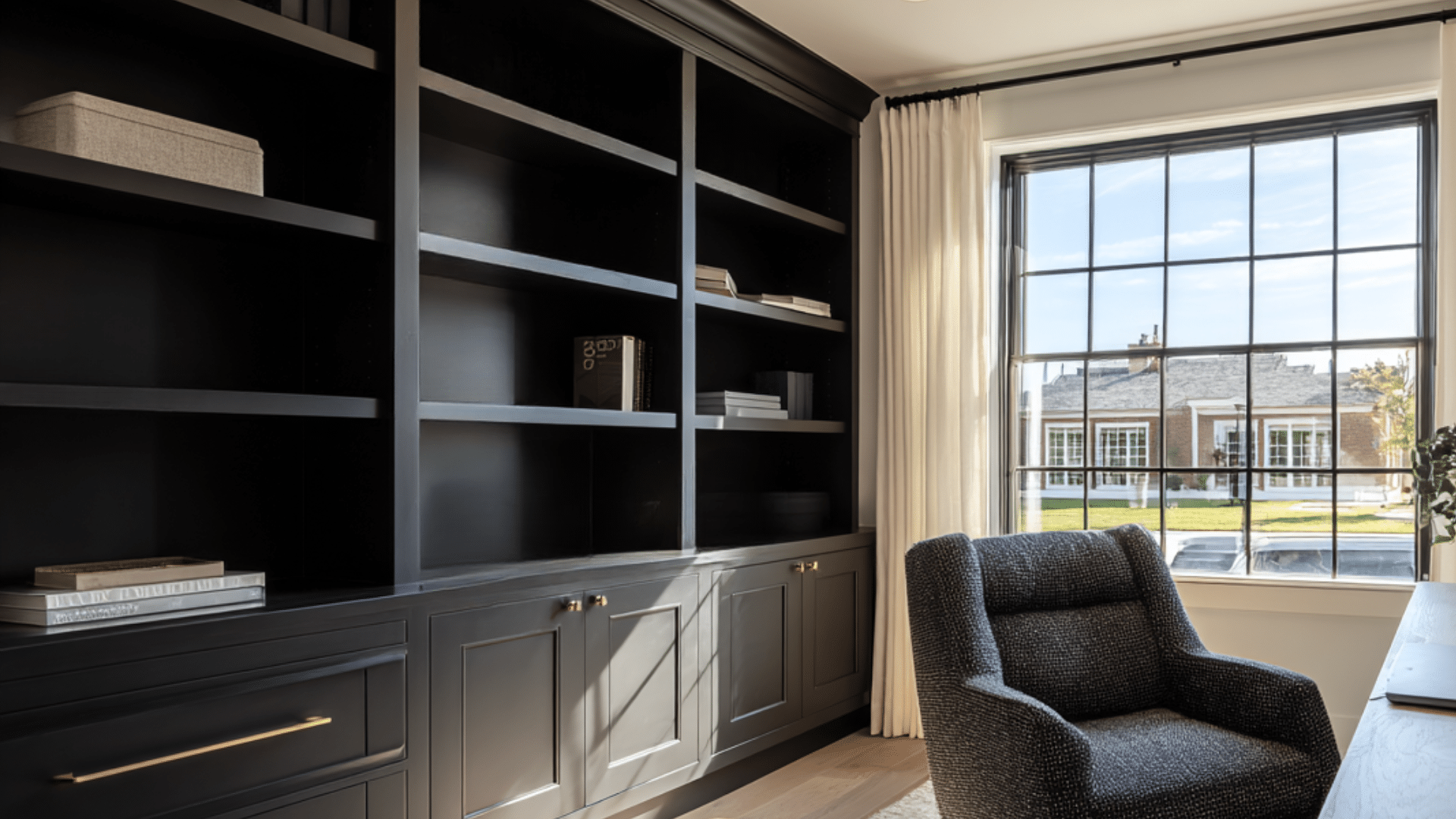
How it looked before: Remote work happened at the dining table every single day. Video calls had no professional background available.
After: A quiet 12×14 office provides a dedicated workspace with a door for privacy. Built-in shelving keeps books and files organized properly.
8. Side Yard Addition
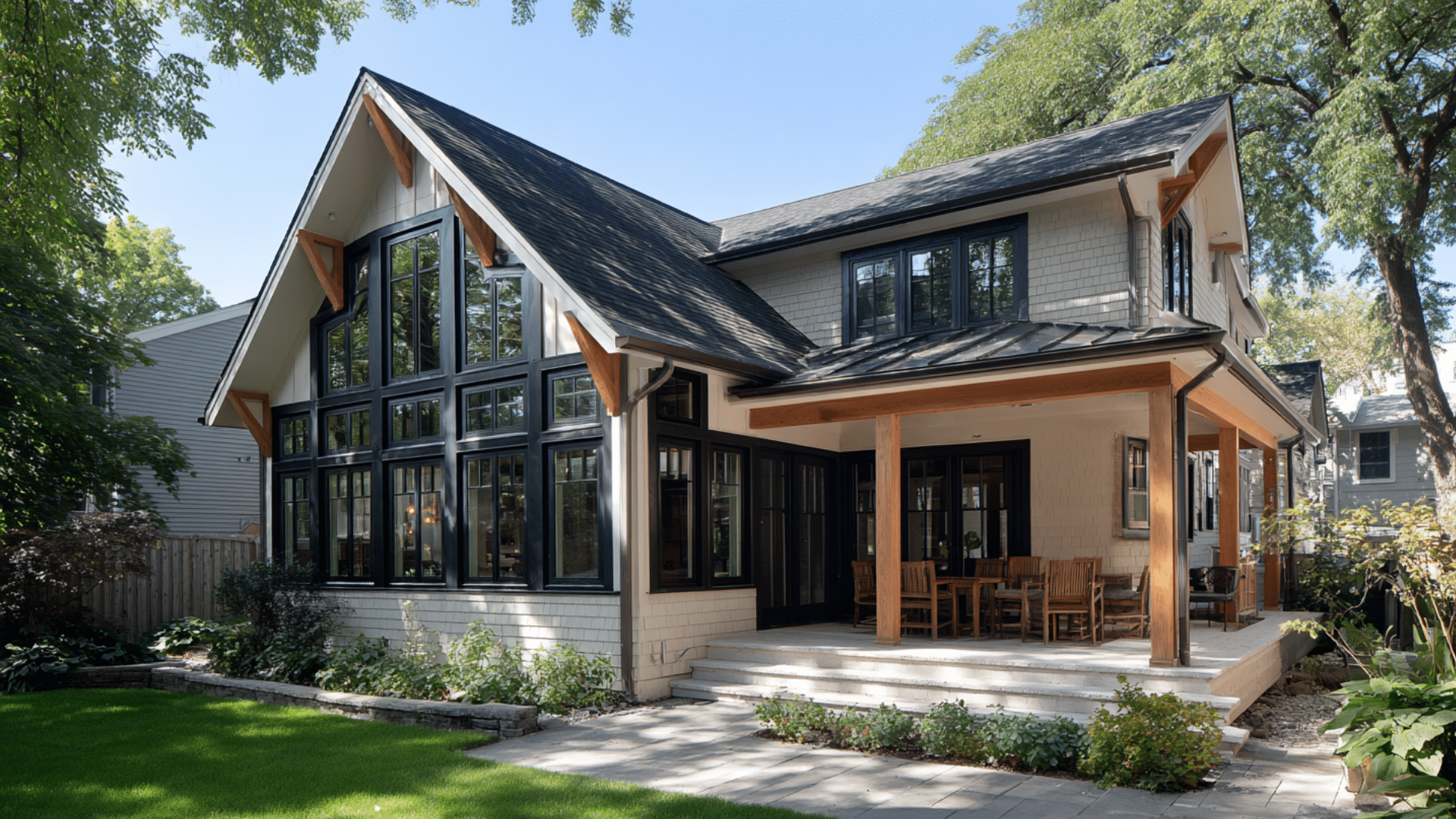
How it looked before: The side yard was a thin strip of unused grass. Weeds grew freely in this completely neglected area.
After: The side yard now holds a 12×14 bonus room for extra living space. Windows on two sides bring in plenty of natural light. The addition matches the home’s exterior perfectly throughout the structure.
9. Storage Solutions
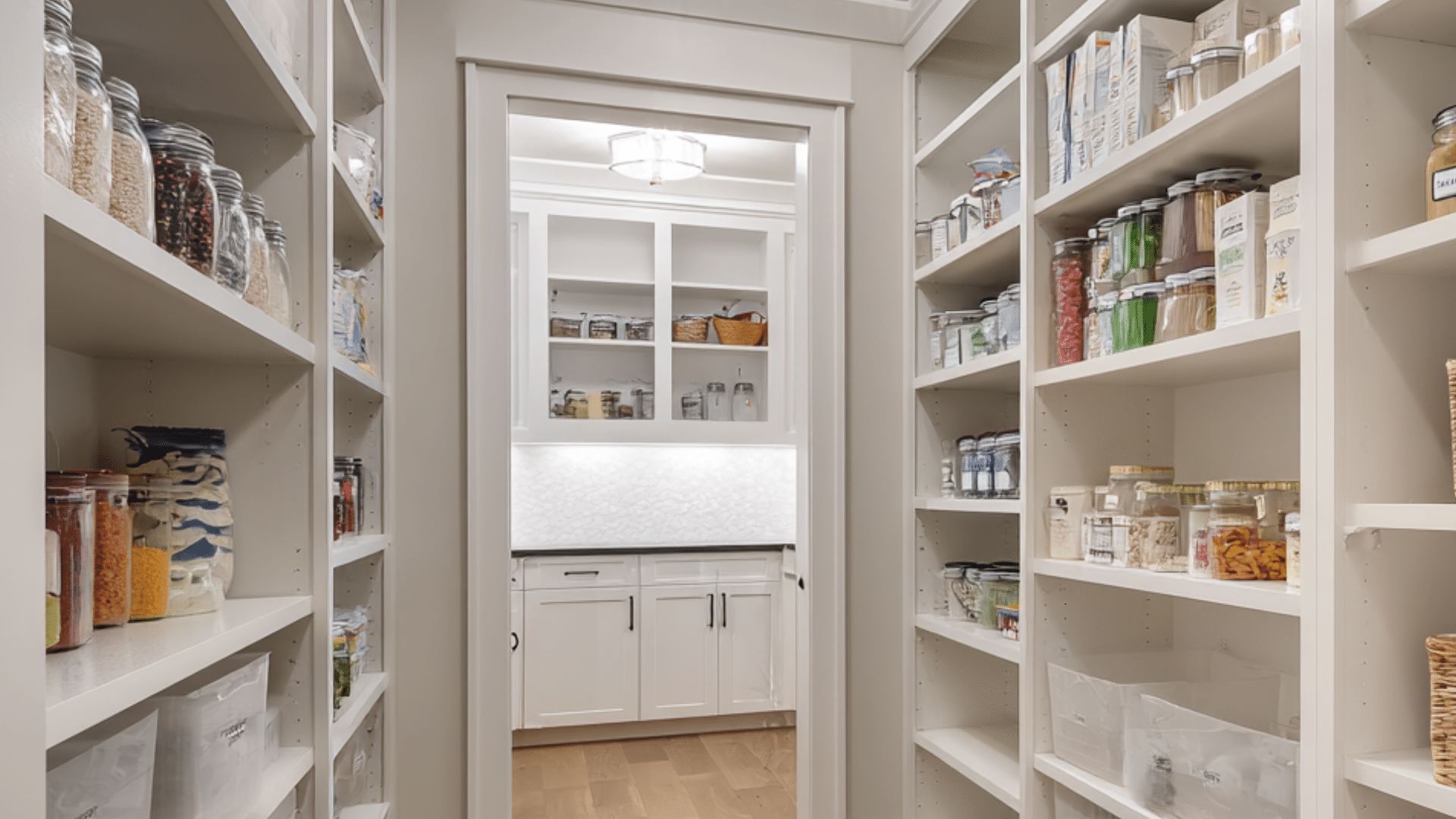
How it looked before: Closets overflowed with seasonal items and old keepsakes. Holiday decorations had no proper home inside anywhere.
After: Custom closets maximize every inch of available space efficiently throughout the home. The addition includes a walk-in pantry for food storage. A new storage room holds holiday decorations and keepsakes neatly organized.
10. Three-Season Sunroom
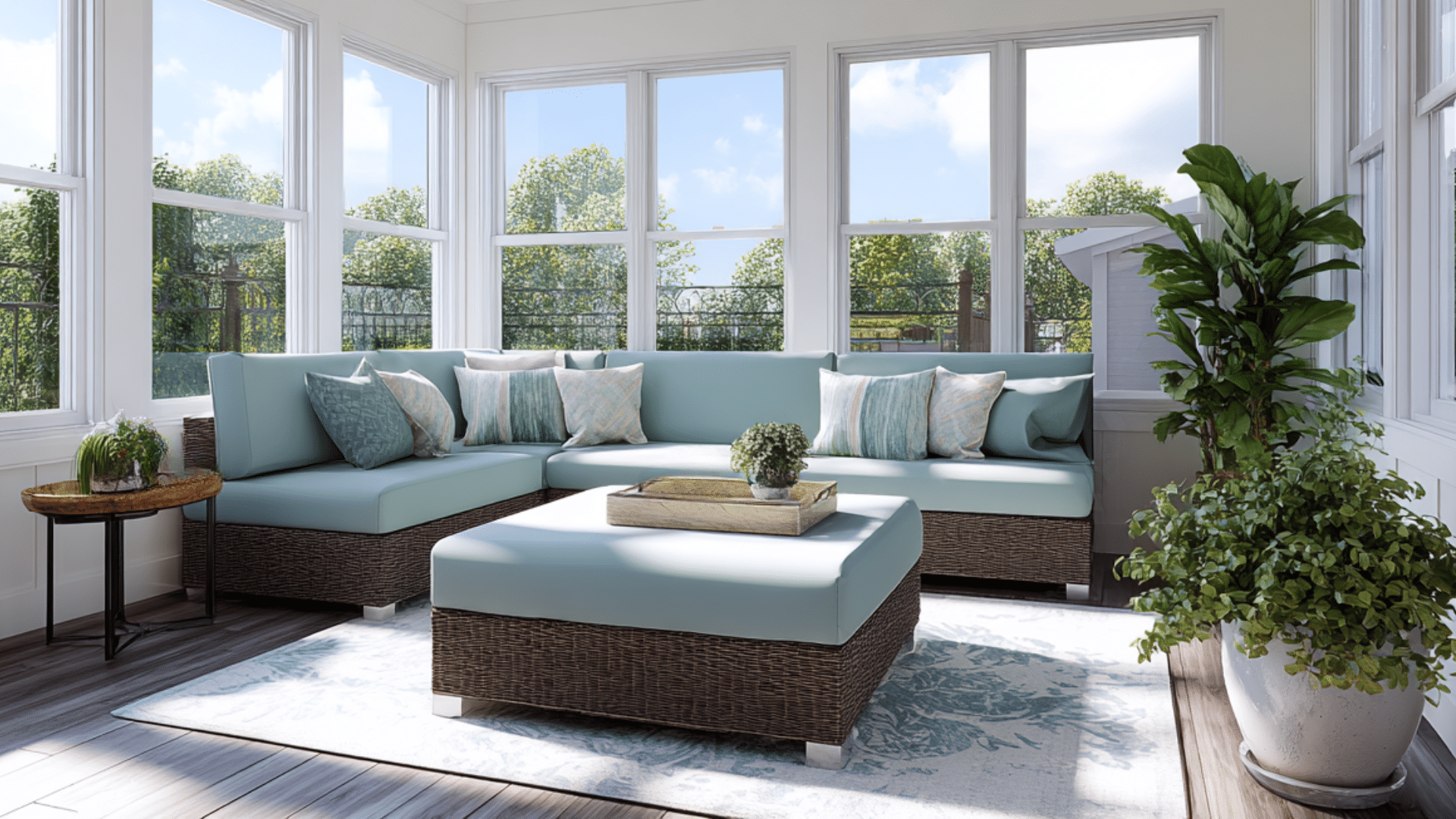
How it looked before: The old screened porch was falling apart badly. Torn screens let bugs inside during the summer months.
After: The new 14×18 sunroom has windows on three sides for beautiful views. It’s heated and cooled for comfortable year-round use.
11. Finished Basement
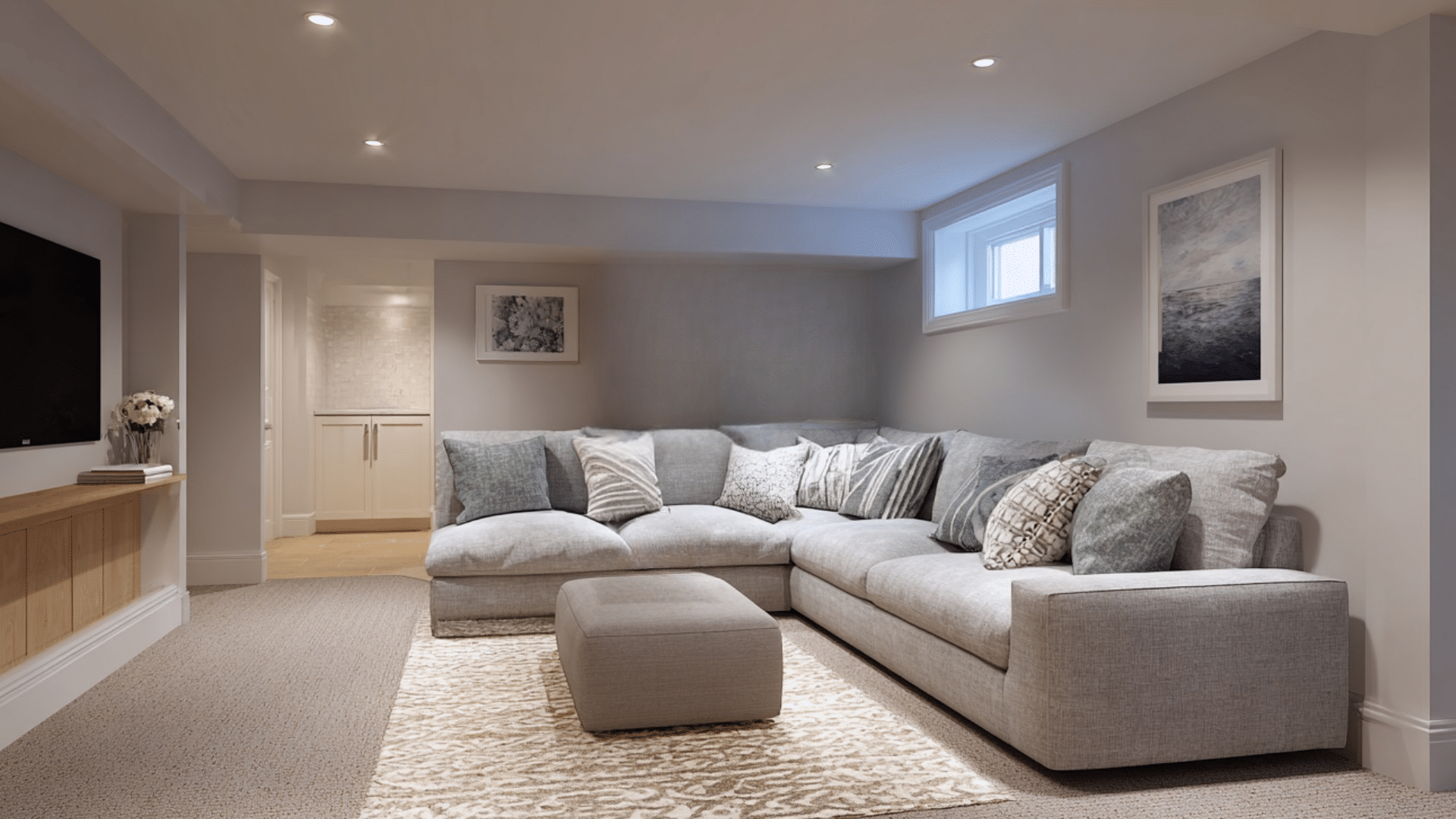
How it looked before: Concrete floors and exposed pipes dominated the space below. The basement stayed cold and damp all year.
After: The basement now features a comfortable family entertainment room with new flooring. A bathroom addition makes the lower level fully functional now.
12. Rear Deck Addition
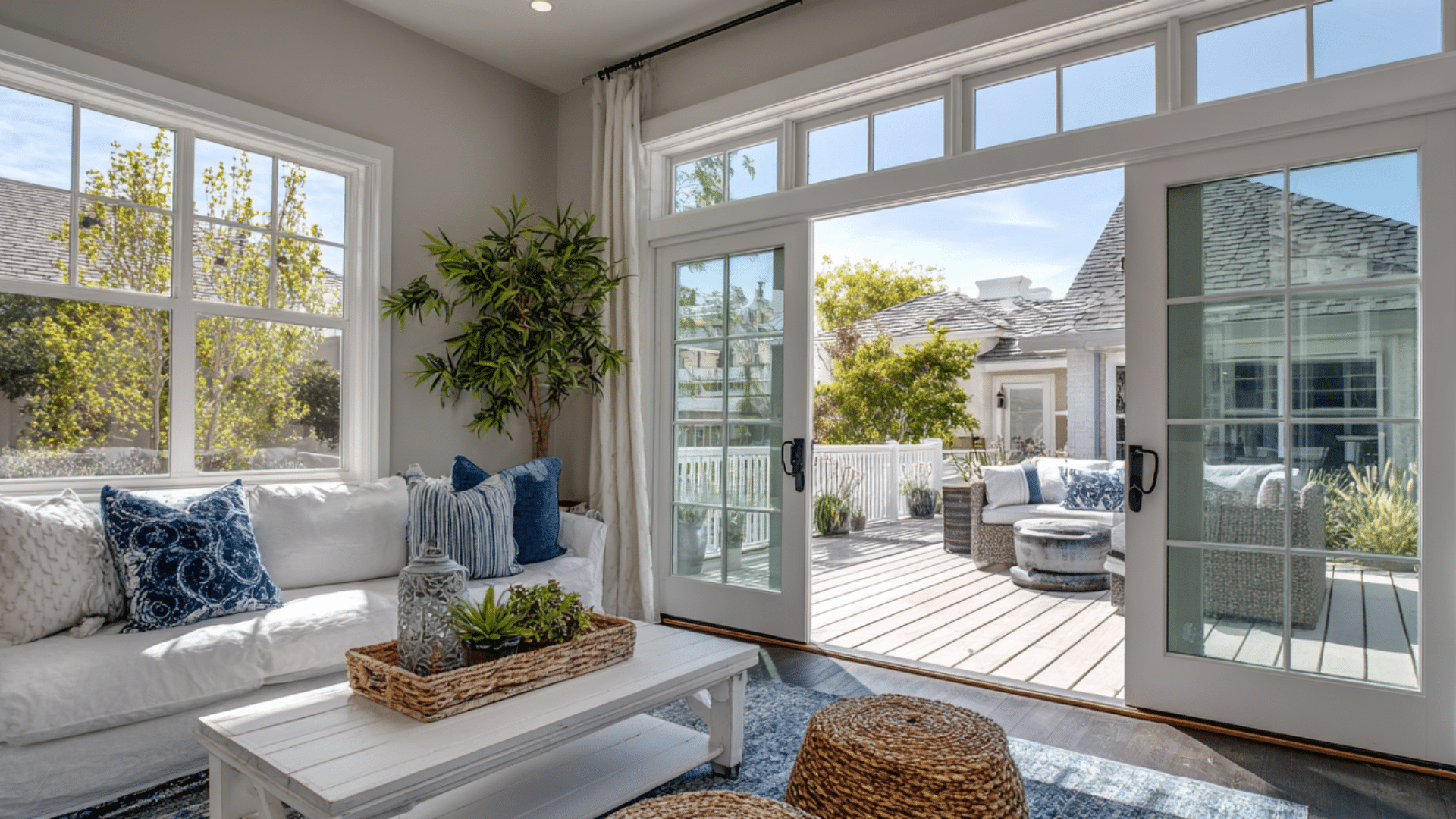
How it looked before: The back of the house had only one small door. No patio or deck existed for any outdoor living.
After: The back addition includes a 16×12 family room with French door access. The doors open directly onto a new composite deck outside. The deck features built-in seating and planter boxes. Indoor-outdoor flow works perfectly.
13. Guest Suite
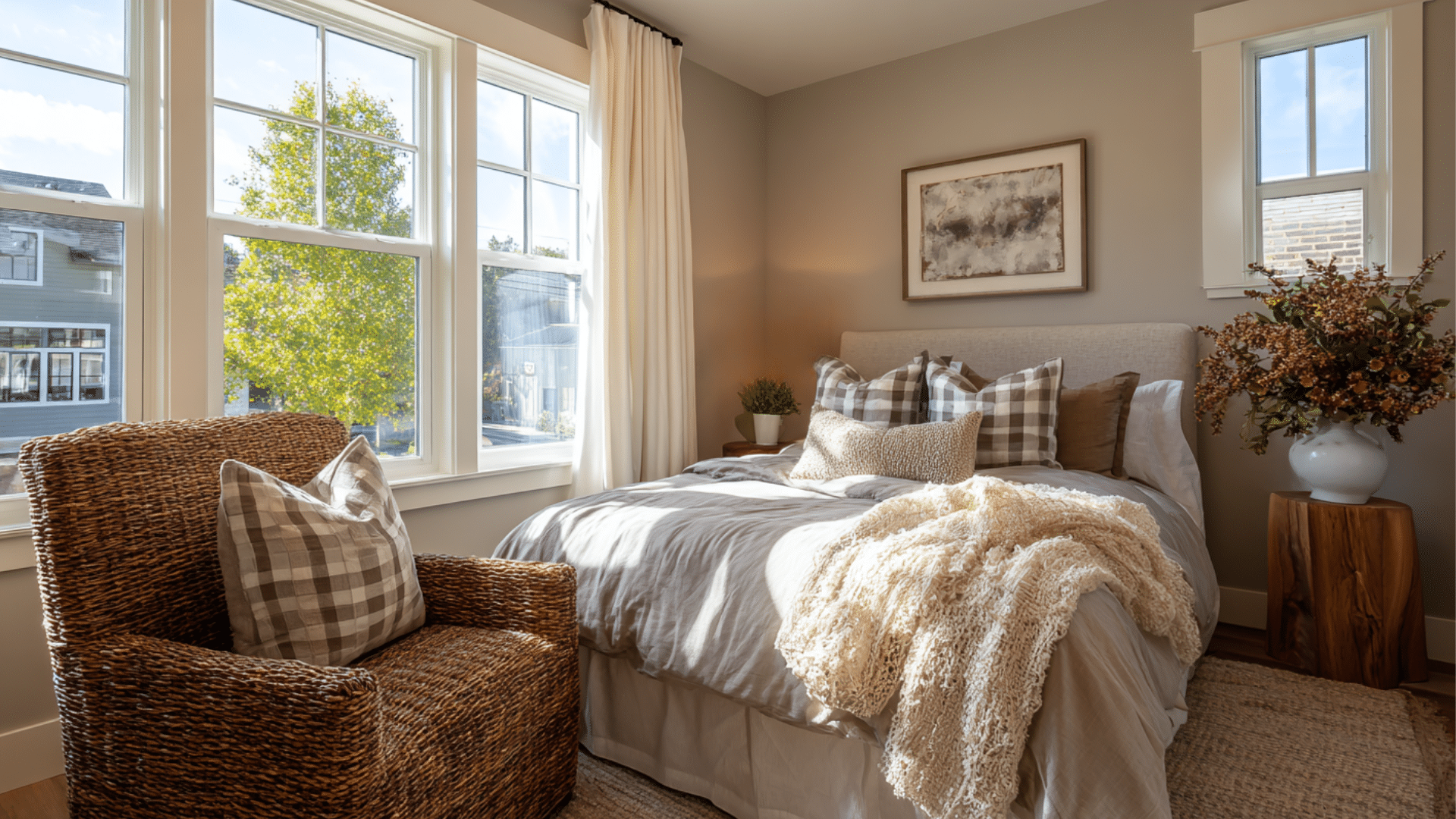
How it looked before: Visitors slept on the living room pullout sofa bed. Privacy was impossible for overnight guests staying here.
After: A new 12×14 bedroom gives visitors their own private retreat with an attached half-bath. A closet provides space for hanging clothes during extended visits. Large windows always make the room feel bright and inviting.
14. Garage Conversion to a Gym
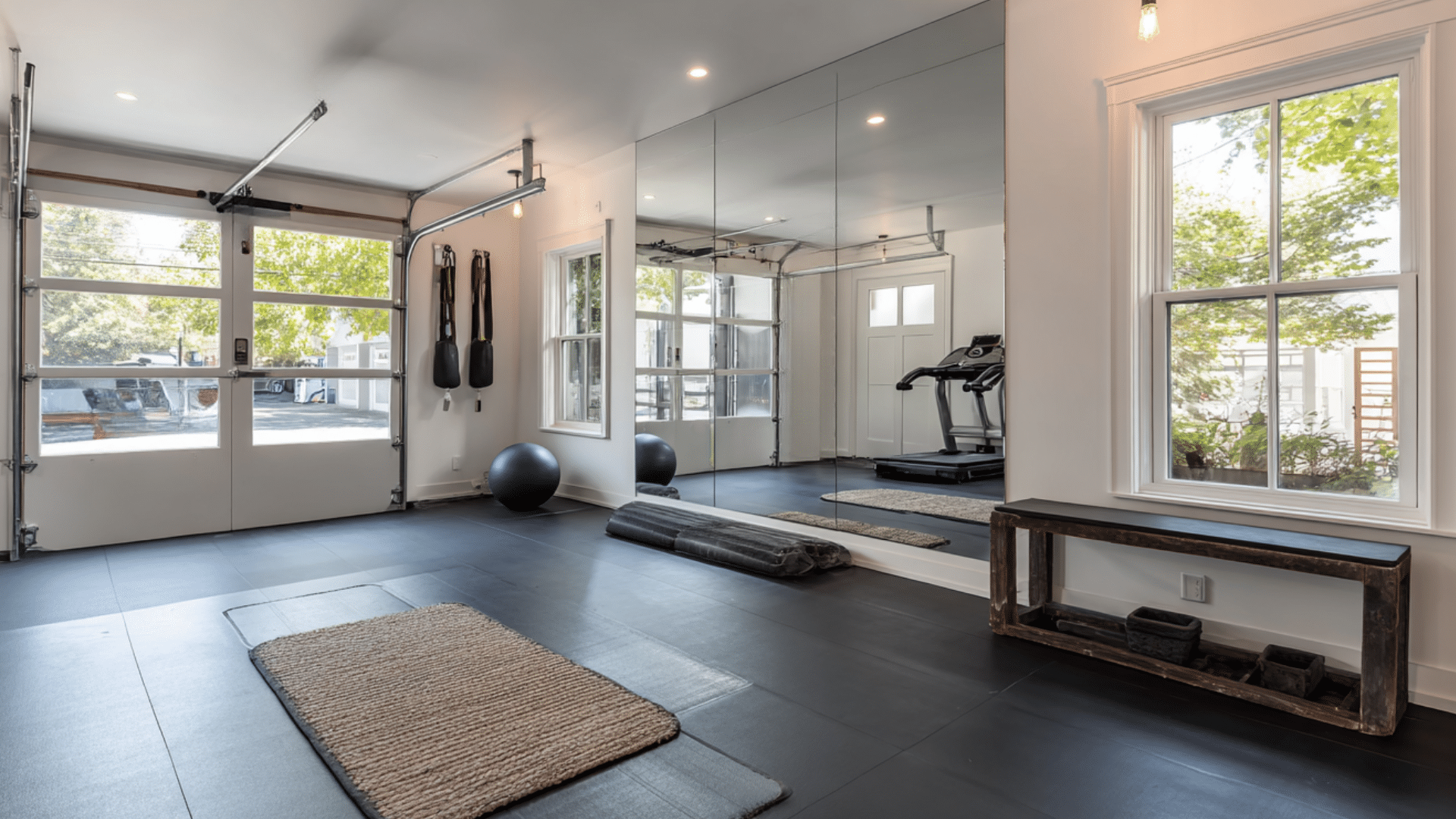
How it looked before: The attached garage was used only for storage boxes. Cars are parked in the driveway every night.
After: The garage was converted into a bright 400-square-foot home gym. Insulation and drywall keep the space comfortable in every season. Large windows replaced the old garage door, filling the room with natural light for workouts.
15. Front Porch Expansion
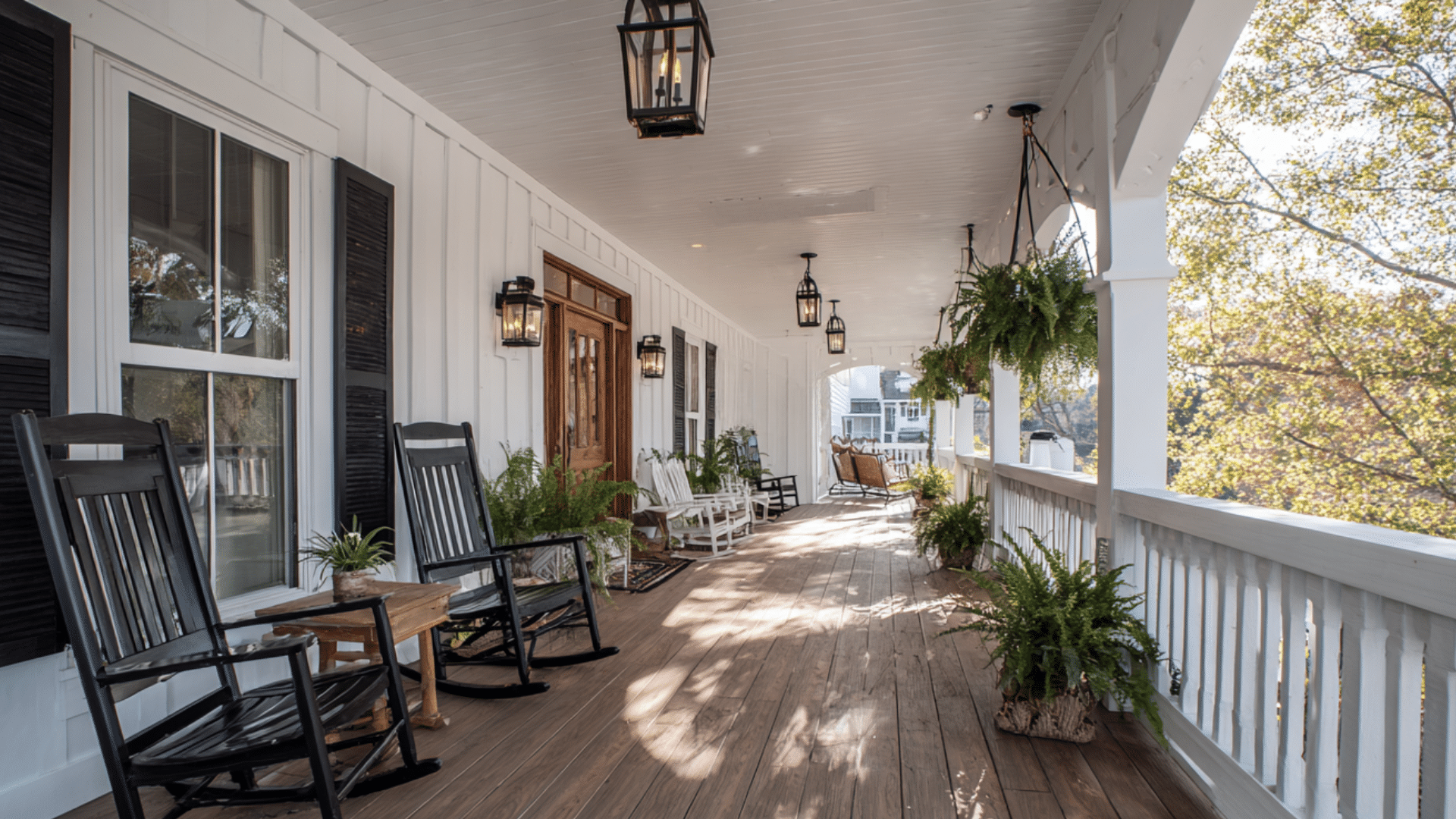
How it looked before: The house entrance looked plain with no space to sit or relax. Rain and harsh sunlight made it hard to enjoy time outside.
After: The new 8×16 front porch adds charm and function to the home’s entryway. Composite decking keeps maintenance easy, while white railing completes the classic look.
16. Window Upgrades
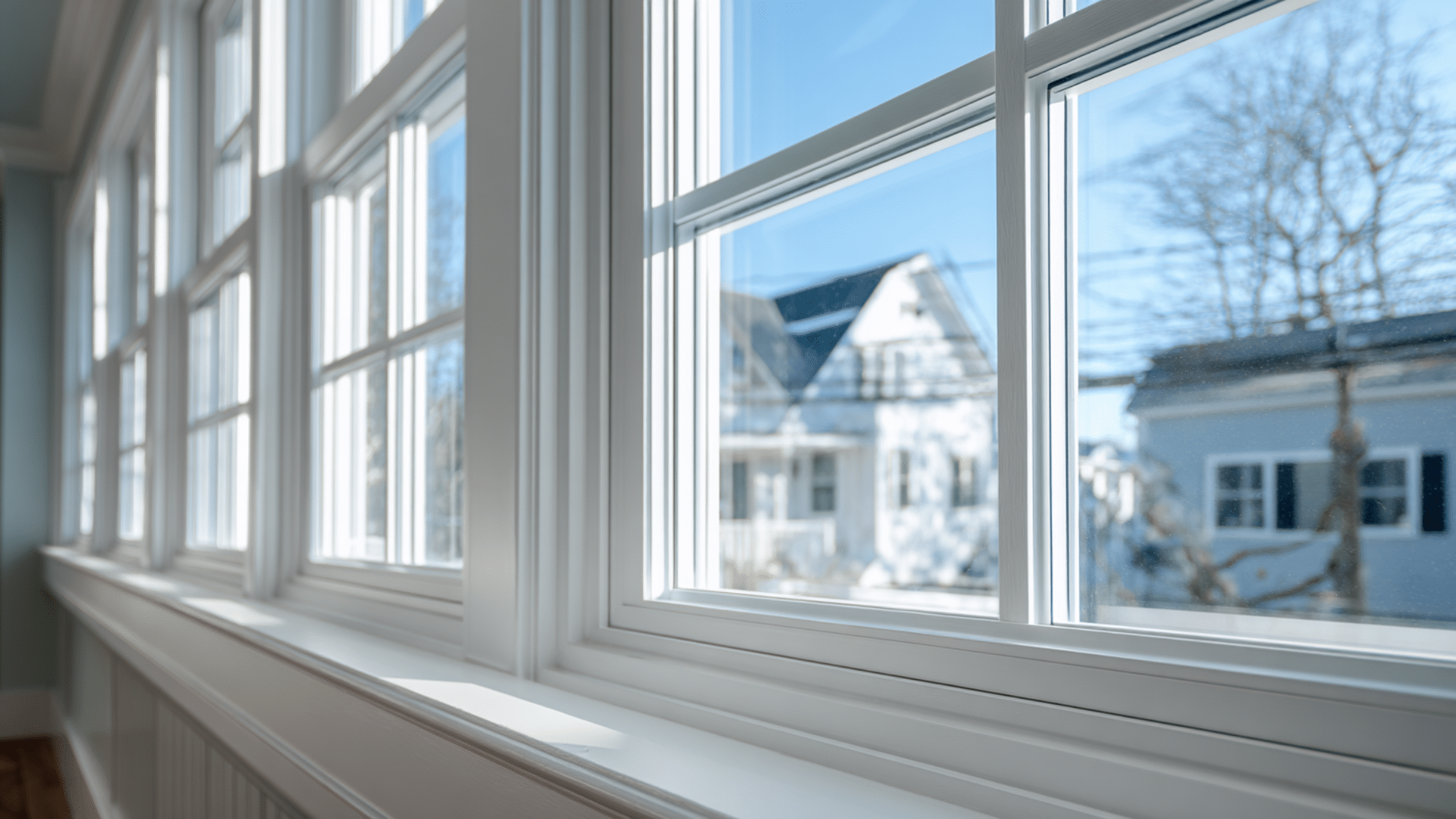
How it looked before: Old single-pane windows let cold air in every winter. Heating bills ran high despite the furnace running constantly.
After: New triple-pane windows cut heating costs by 30%, reduce outside noise with better insulation, eliminate condensation with modern glass, and increase natural light while maintaining energy efficiency.
17. Roofline Improvement
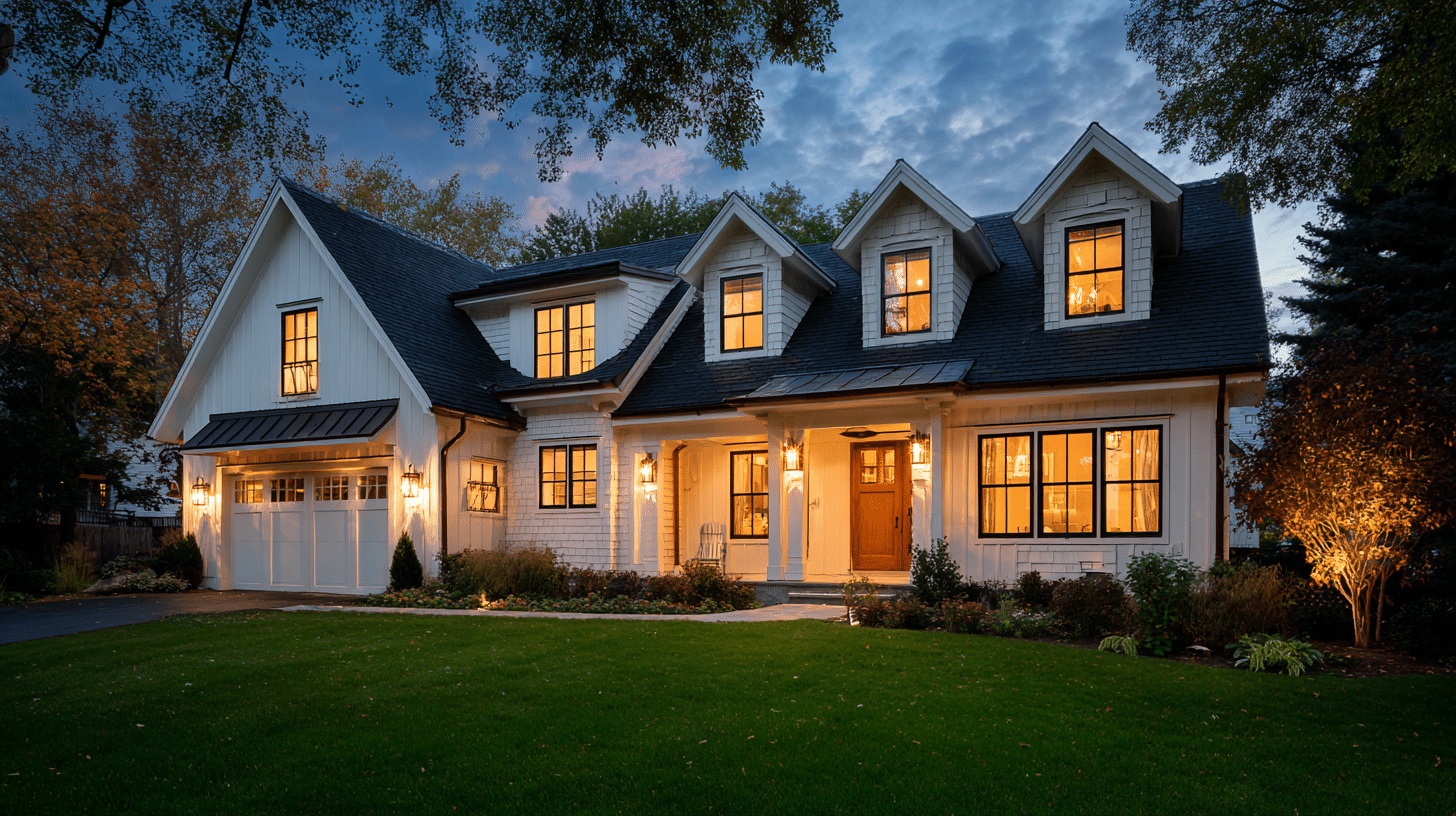
How it looked before: The roof was completely flat from every viewing angle. Neighbors’ homes clearly had more character and visual appeal.
After: Two dormers added dimension to the flat roofline dramatically and beautifully. The architectural details give the home personality and charm. From inside, the dormers created window seats for reading spots. Natural light pours in.
18. Children’s Playroom
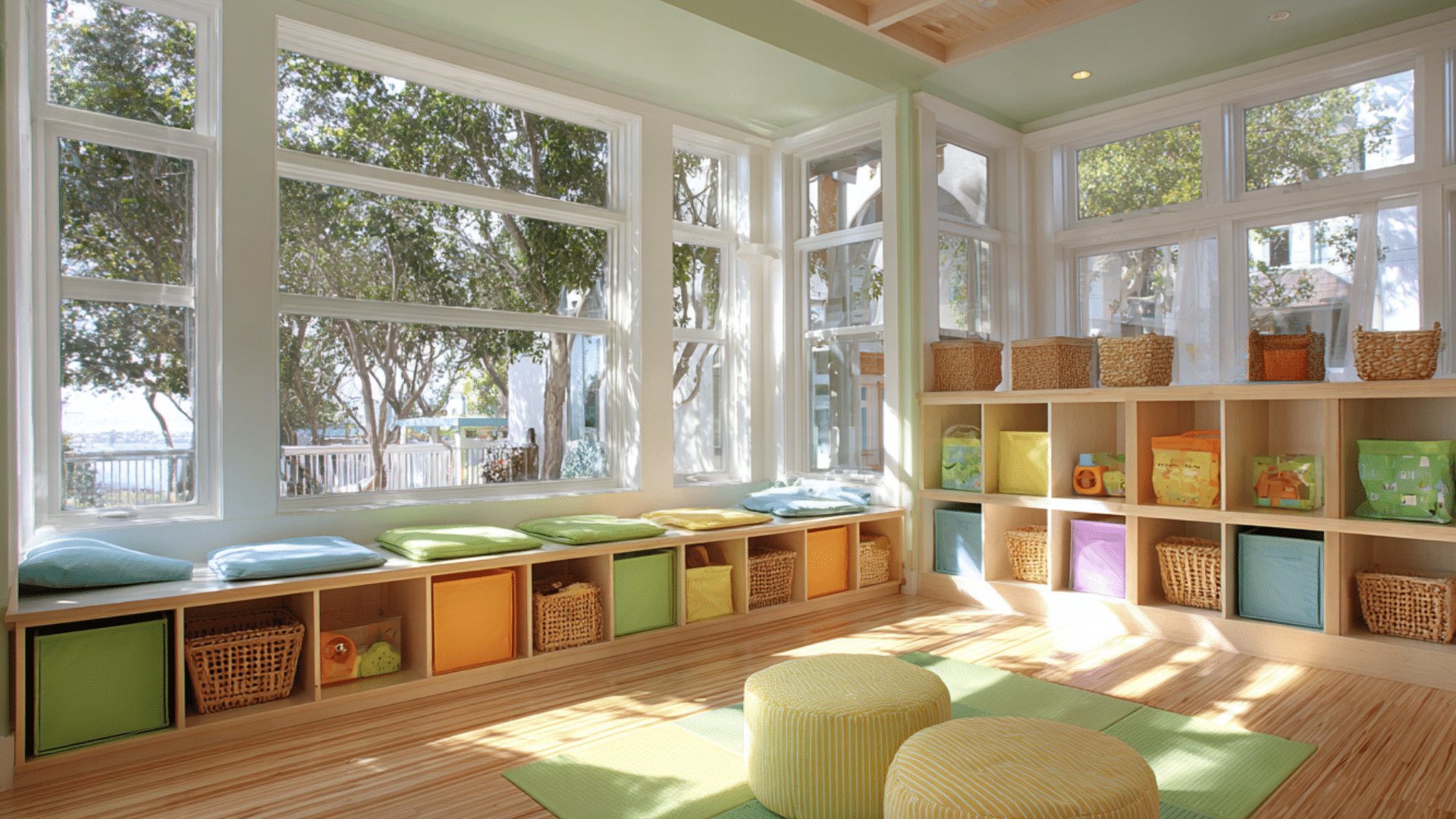
How it looked before: Kids’ toys spread throughout every common room in the house. There was no dedicated zone for activities.
After: A 14×16 playroom keeps toys contained in one specific area away from the adults. Built-in storage holds games, books, and art supplies neatly organized. Parents can supervise while comfortably relaxing in nearby living areas.
19. Bedroom Windows
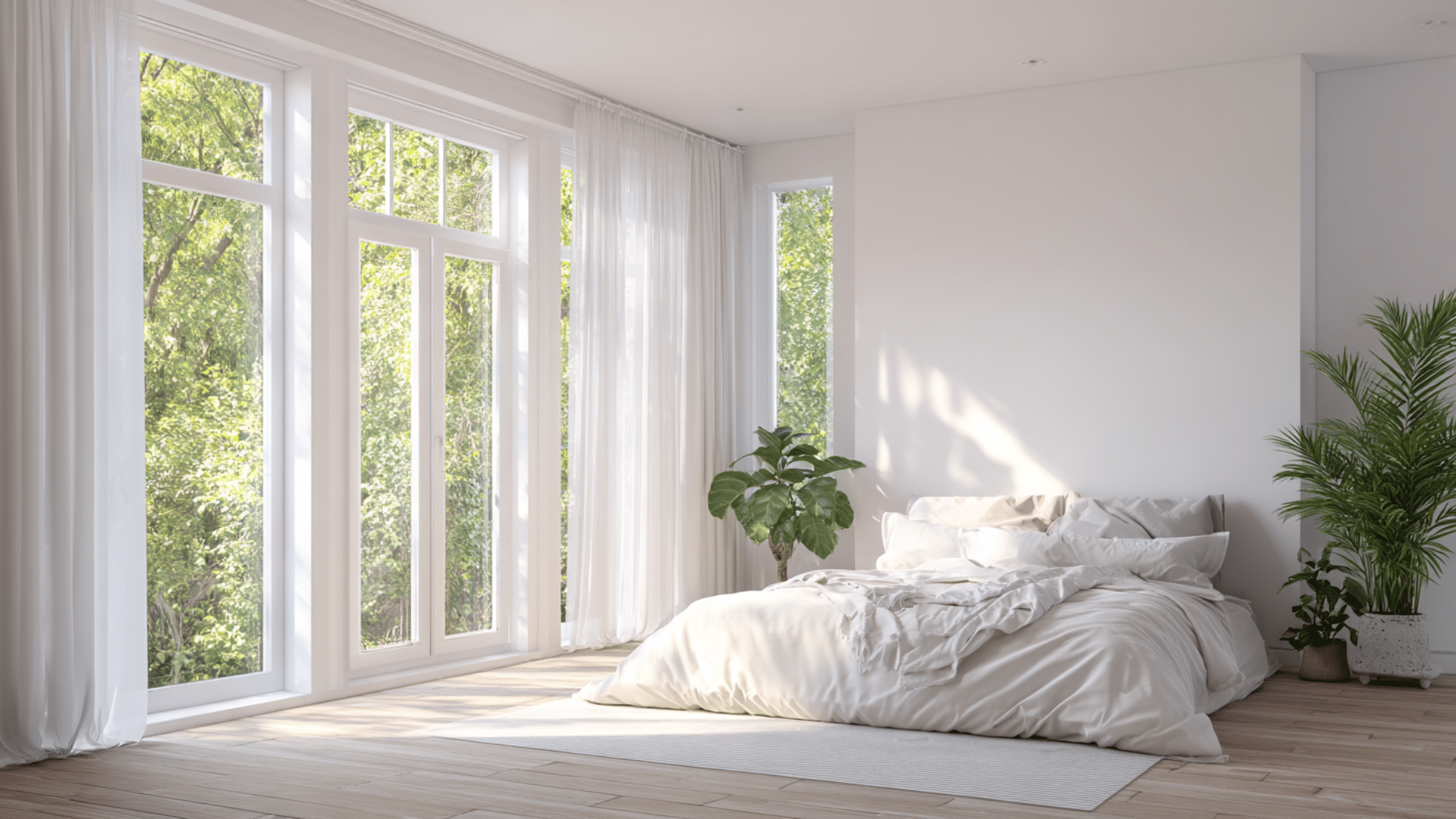
How it looked before: Small windows provided modest daylight in sleeping areas throughout. Rooms felt cave-like even during sunny afternoons.
After: New, larger windows bring natural sunlight into all bedrooms throughout the day. Fresh air circulates better with operable window sections.
20. Two-Car Garage
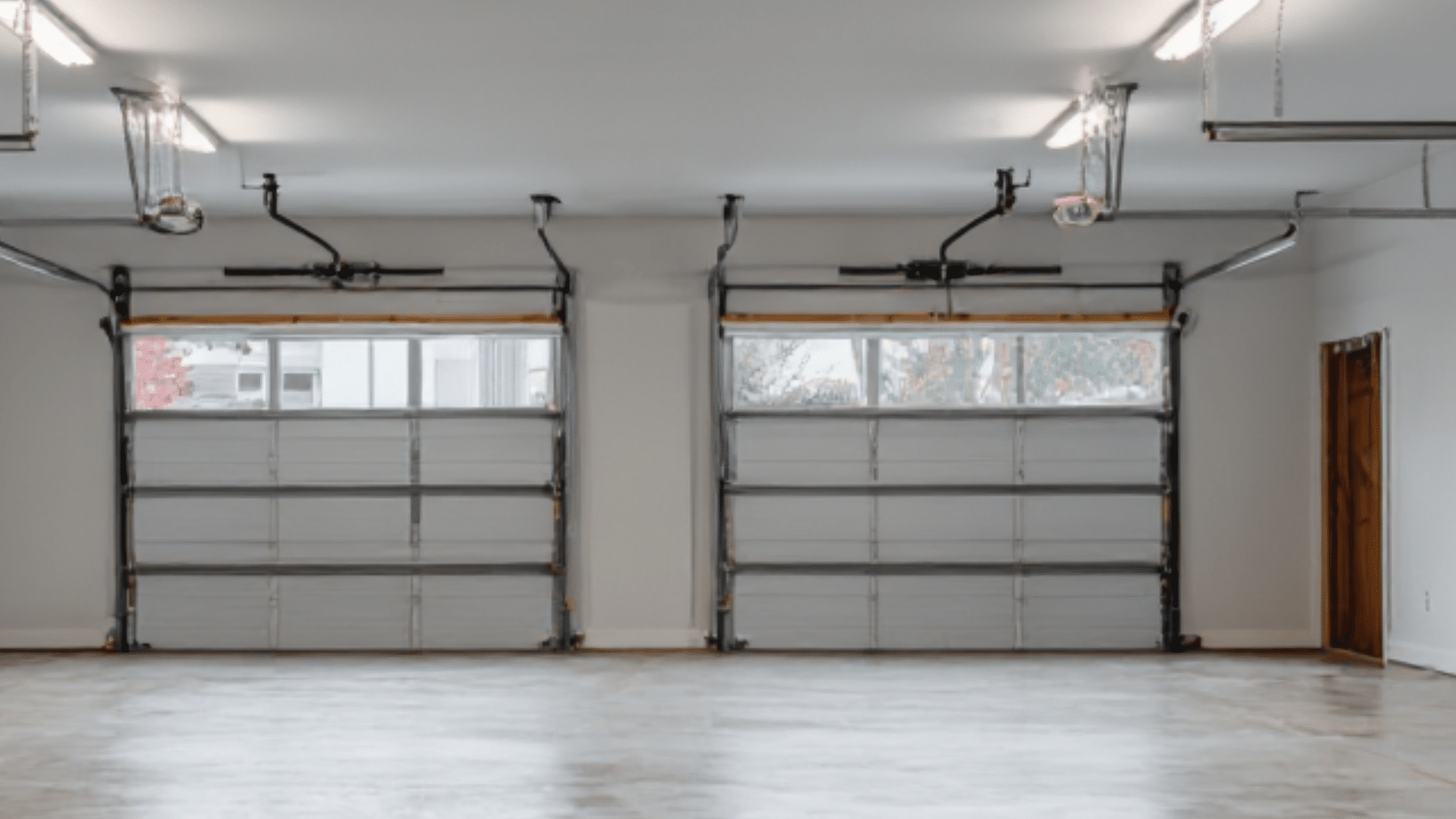
How it looked before: The single-car garage barely held one vehicle inside comfortably. The second car always sat exposed in the driveway.
After: The new detached garage holds both vehicles comfortably with room to spare. A workbench area provides room for DIY projects. Cars stay protected now.
21. Covered Patio Addition
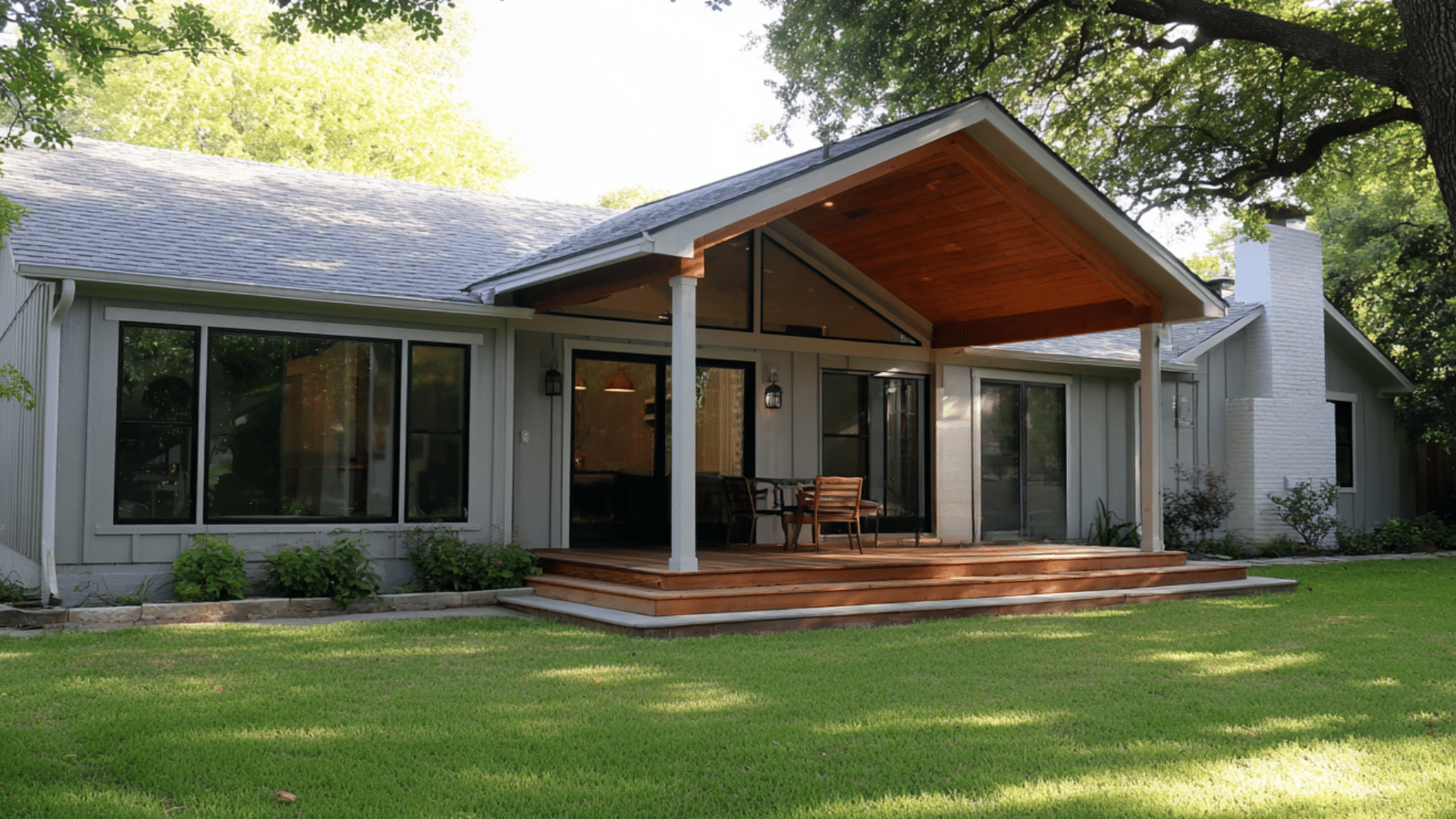
How it looked before: The backyard had no shaded area, making it uncomfortable during hot days. Furniture often wears out fast from direct sunlight.
After: A 16×20 covered patio now offers a pleasant outdoor retreat. The solid roof provides full shade, and the built-in planters bring greenery closer. The section defines the dining area, perfect for weekend meals outside.
Budgeting and Planning Your Addition
Planning your ranch addition requires careful financial preparation. Here’s what you need to budget for:
| Expense Category | Estimated Cost | What It Includes |
|---|---|---|
| Design and Permits | $2,000 – $5,000 | Architectural plans and building permits |
| Foundation Work | $5,000 – $15,000 | Concrete, excavation, and site prep |
| Framing and Structure | $15,000 – $30,000 | Lumber, walls, and roof framing |
| Electrical and Plumbing | $8,000 – $20,000 | Wiring, outlets, pipes, and fixtures |
| HVAC Extension | $3,000 – $10,000 | Ductwork and climate control |
| Windows and Doors | $2,000 – $8,000 | New openings and installations |
| Insulation and Drywall | $4,000 – $10,000 | Interior walls and energy efficiency |
| Flooring | $3,000 – $12,000 | Carpet, tile, or hardwood |
| Interior Finishes | $5,000 – $15,000 | Paint, trim, cabinets, and counters |
| Roofing | $4,000 – $12,000 | Shingles and weatherproofing |
| Contingency Fund | 10-20% of the total | Unexpected issues and changes |
Disclaimer: Costs may vary by location, materials chosen, and local labor rates.
Designing Tips for a Smooth Addition
- Use the same siding material and color to keep the exterior consistent.
- Align new windows with existing ones for a balanced appearance from the outside.
- Extend the same flooring material from the existing rooms into the new area.
- Match interior trim styles, including baseboards, door casings, and crown molding, throughout.
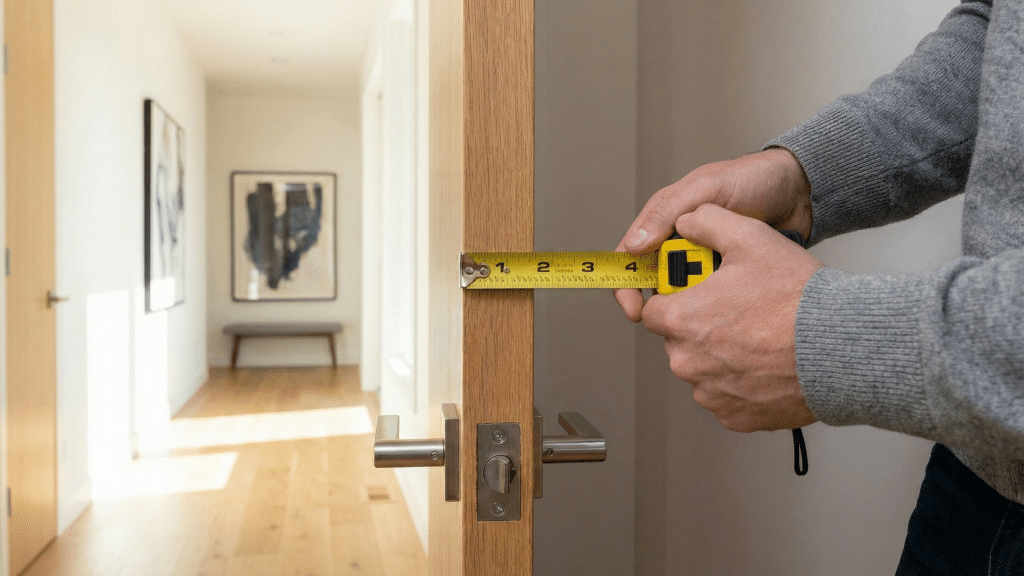
- Plan doorways wide enough for furniture moving and daily traffic flow needs.
- Consider how the addition affects natural light in your existing rooms, too.
- Install the same style light fixtures to maintain a consistent look inside.
- Match paint colors or use complementary shades that visually flow well together.
- Position new rooms to take advantage of the best views from your property.
Summing up
Your ranch house holds more potential than you might think. These single-story ranch house additions: before and after examples prove that smart additions can fix common problems.
From cramped kitchens to missing guest rooms, the right expansion solves real issues.
Remember that quality outweighs speed in construction. Carefully choose materials and finishes you’ll love long-term.
Start planning today!