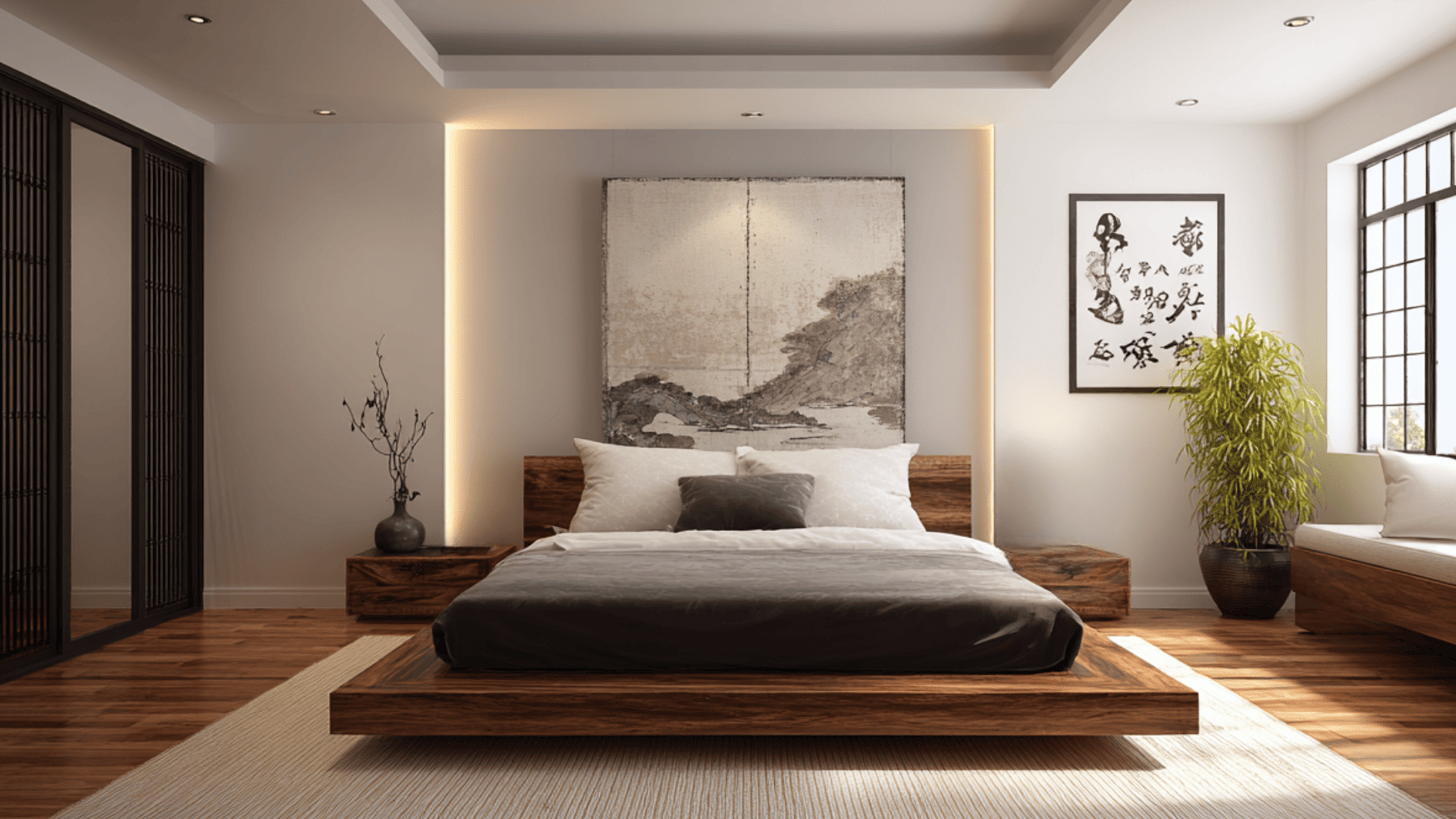

Does your room feel off somehow? You rearrange furniture, but something still doesn’t click. Your space affects your mood more than you think.
The way you set up your room can make you feel calm or stressed.
It can help you sleep better or keep you tossing all night.
This blog gathers all you need to know about feng shui room layout rules and ideas. Learn simple ways to arrange your room for better sleep, less stress, and more peace.
Feng Shui Room Basics
Feng shui is an old Chinese practice. It’s all about arranging your space so energy flows well. We call this energy chi.
When chi moves freely, you feel better. You sleep more deeply and wake up refreshed.
A feng shui style needs a few key things: a clear path for energy to move. No clutter blocking doorways or corners.
The right furniture placement. Your bed should face the door, but not line up directly with it. Natural elements matter; wood, water, fire, earth, and metal should all be present.
Even small touches count, a plant here, a candle there. It sounds complex, but it’s really just about making your room feel good.
Feng Shui Rules for Positive Energy
The main rules that work in every room. These principles apply to fixing up your bedroom, kitchen, or living space.
1. Keep Your Entrance Clear
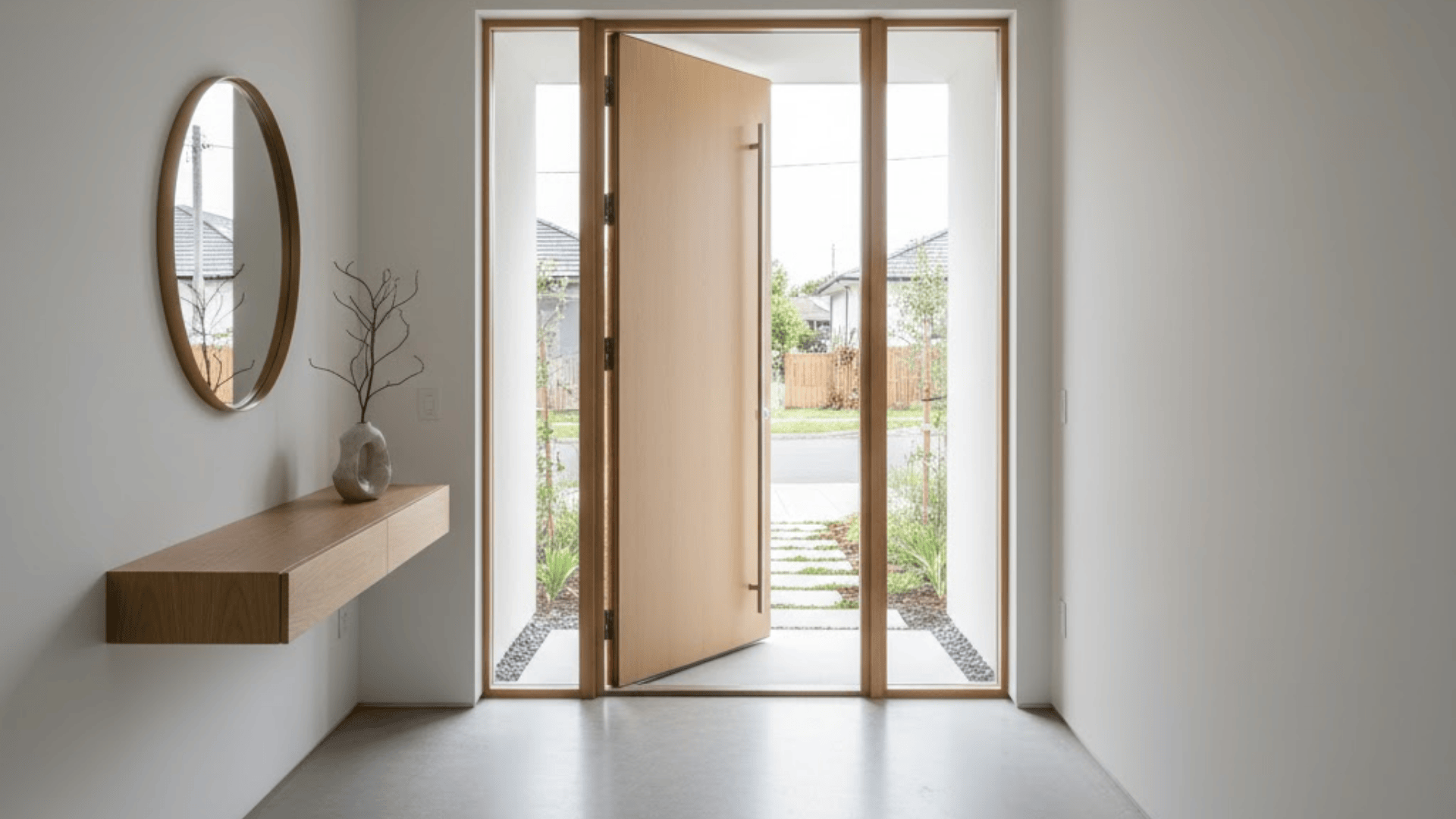
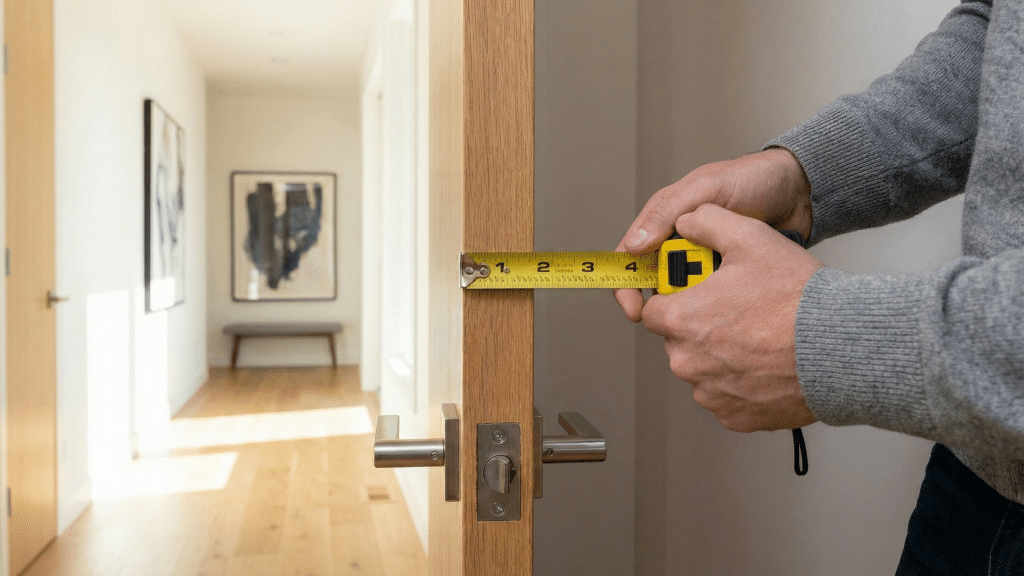
Your front door is where energy enters. Don’t block it with shoes, bags, or furniture.
Make sure it opens fully and easily. A clean entrance includes good chi into your home and sets the tone for everything inside.
2. Position Your Bed Correctly

Place your bed so you can see the door while lying down. But don’t put it directly across from the door.
Keep it against a solid wall for support. This “command position” helps you feel safe and rest better at night.
3. Declutter Every Space
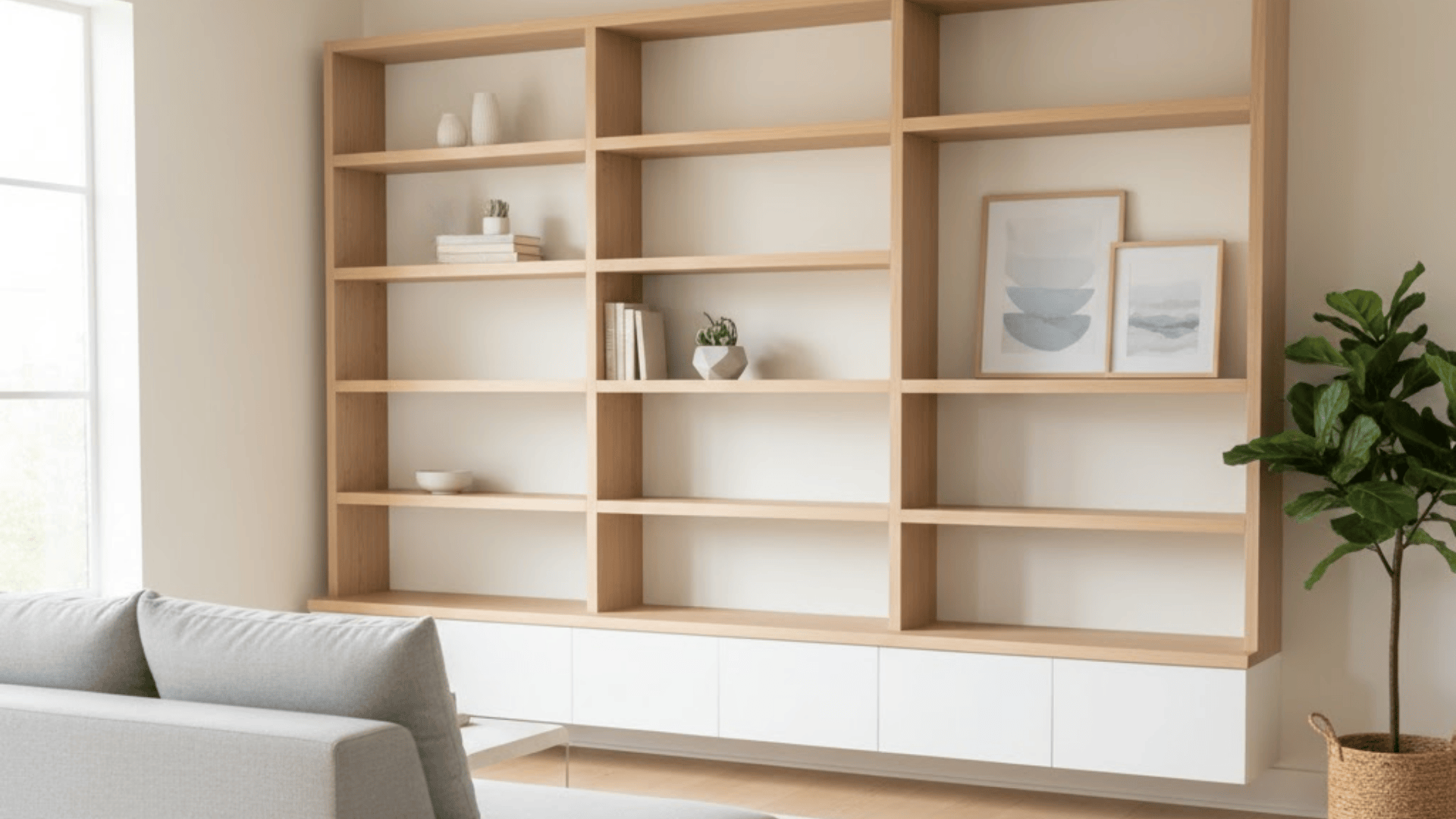
Clutter stops energy from moving. It makes a feng shui room feel heavy and tired. Go through your stuff and get rid of what you don’t need.
Clean surfaces and organized drawers let chi flow freely through your home.
4. Balance the Five Elements

Bring wood, fire, earth, metal, and water into your rooms. Use a wooden table, metal frames, or a small fountain. Plants represent wood.
Candles bring fire. You don’t need all five in one room, but spread them throughout your home.
5. Fix Broken Items Fast
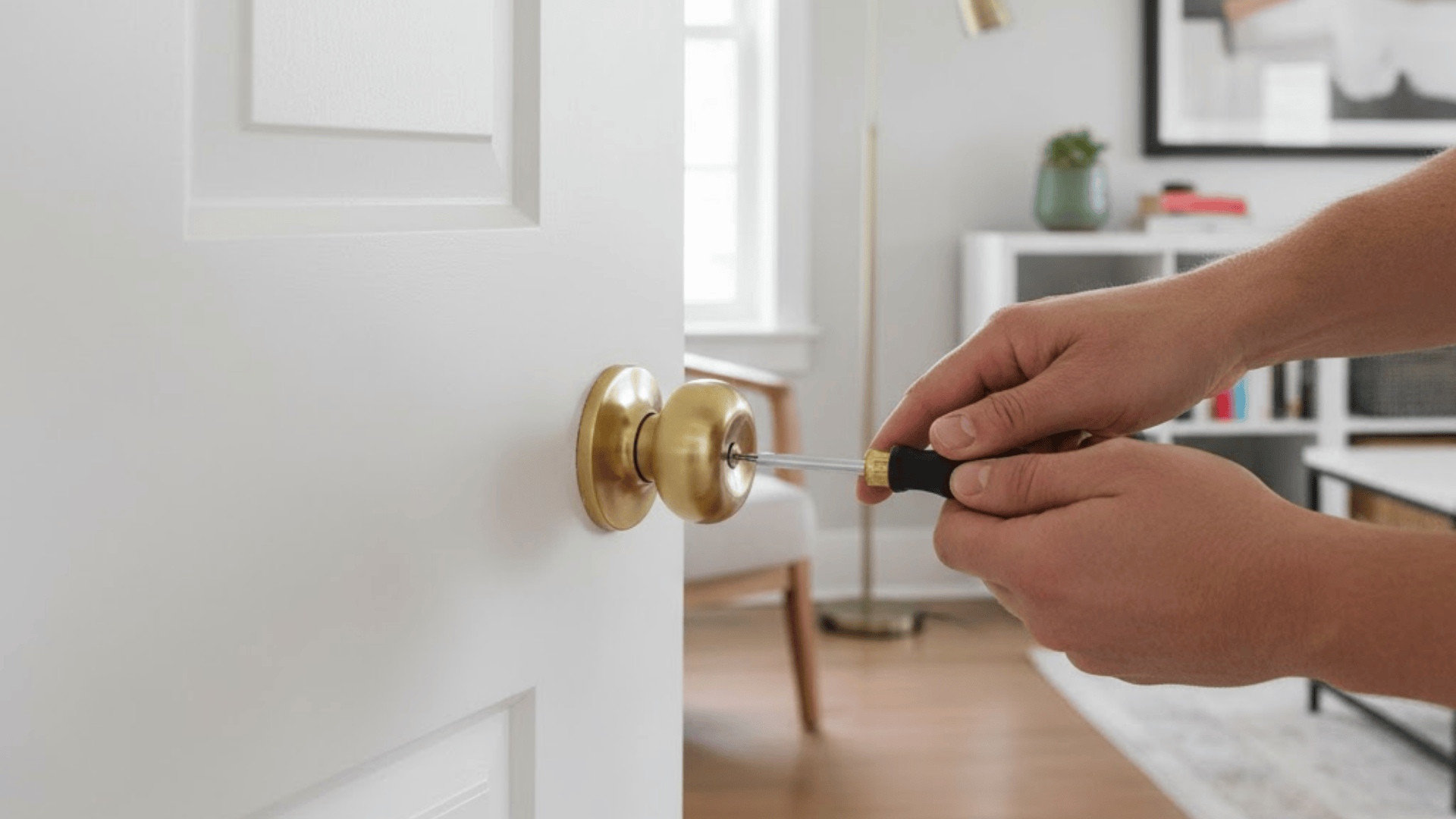
Broken things carry negative energy. That leaky faucet or cracked mirror. Fix them now.
If something doesn’t work, repair it or throw it away. Working items keep energy fresh and positive in your space.
6. Let Natural Light In

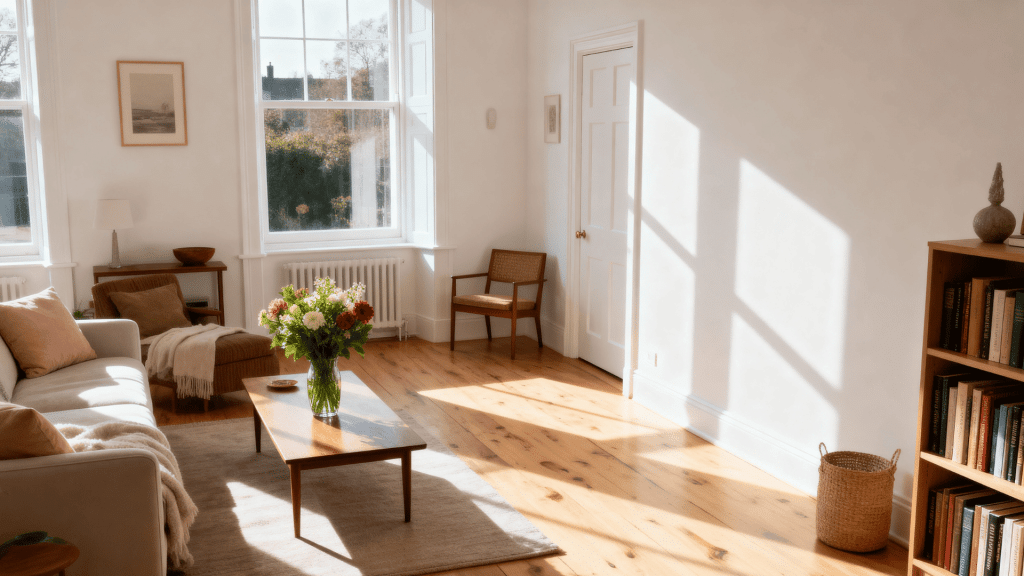
Open your curtains during the day. Sunlight brings yang energy, which is active and bright.
Dark rooms feel close. If you don’t get much sun, use friendly lighting instead. Good light lifts your mood and energizes your space.
7. Use Mirrors Wisely
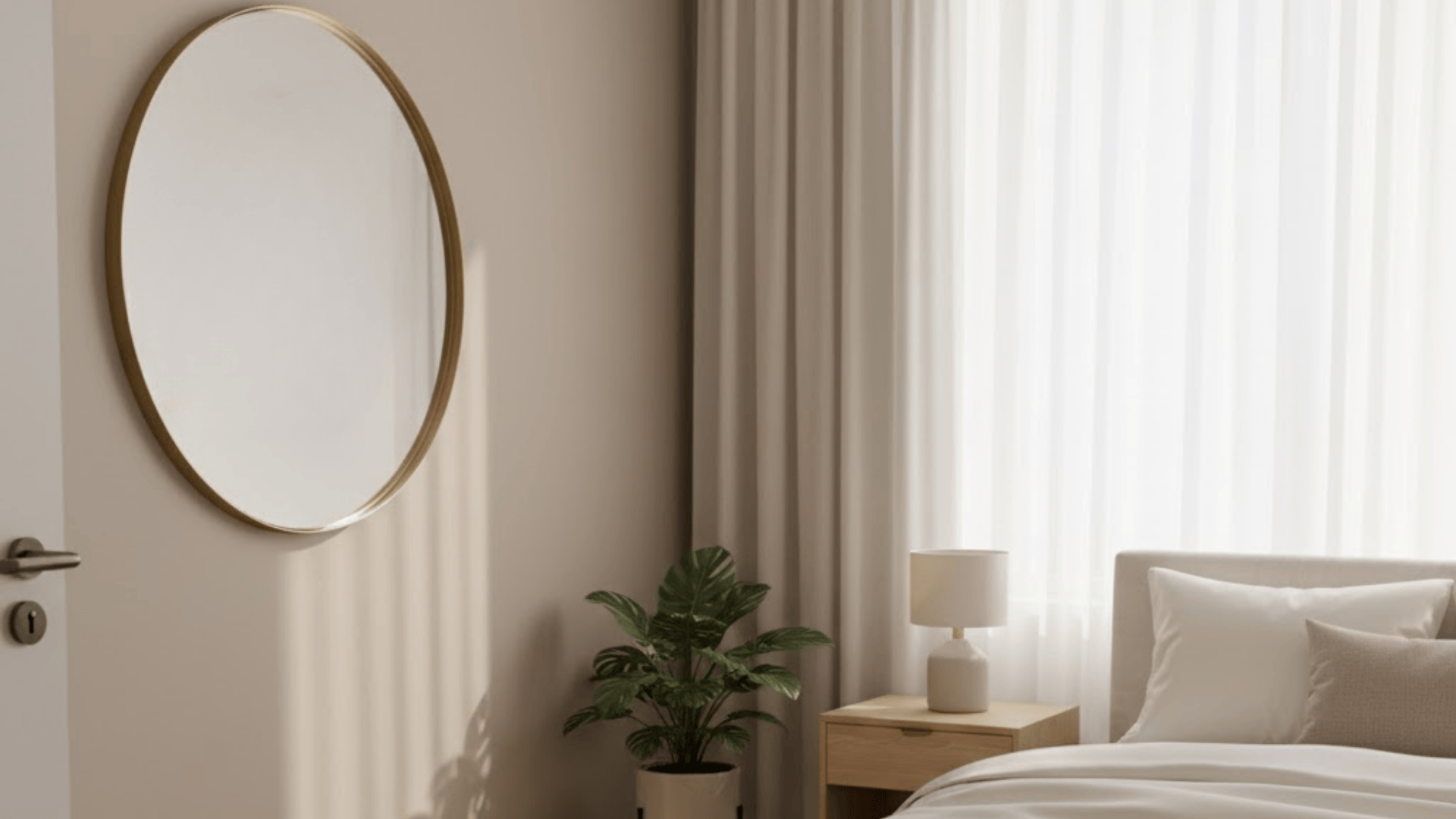
Mirrors expand space and reflect light. But place them carefully.
Don’t put mirrors facing your bed or the front door. They can bounce energy around too much. Use them in hallways or to reflect nice views from windows.
8. Keep Your Kitchen Clean
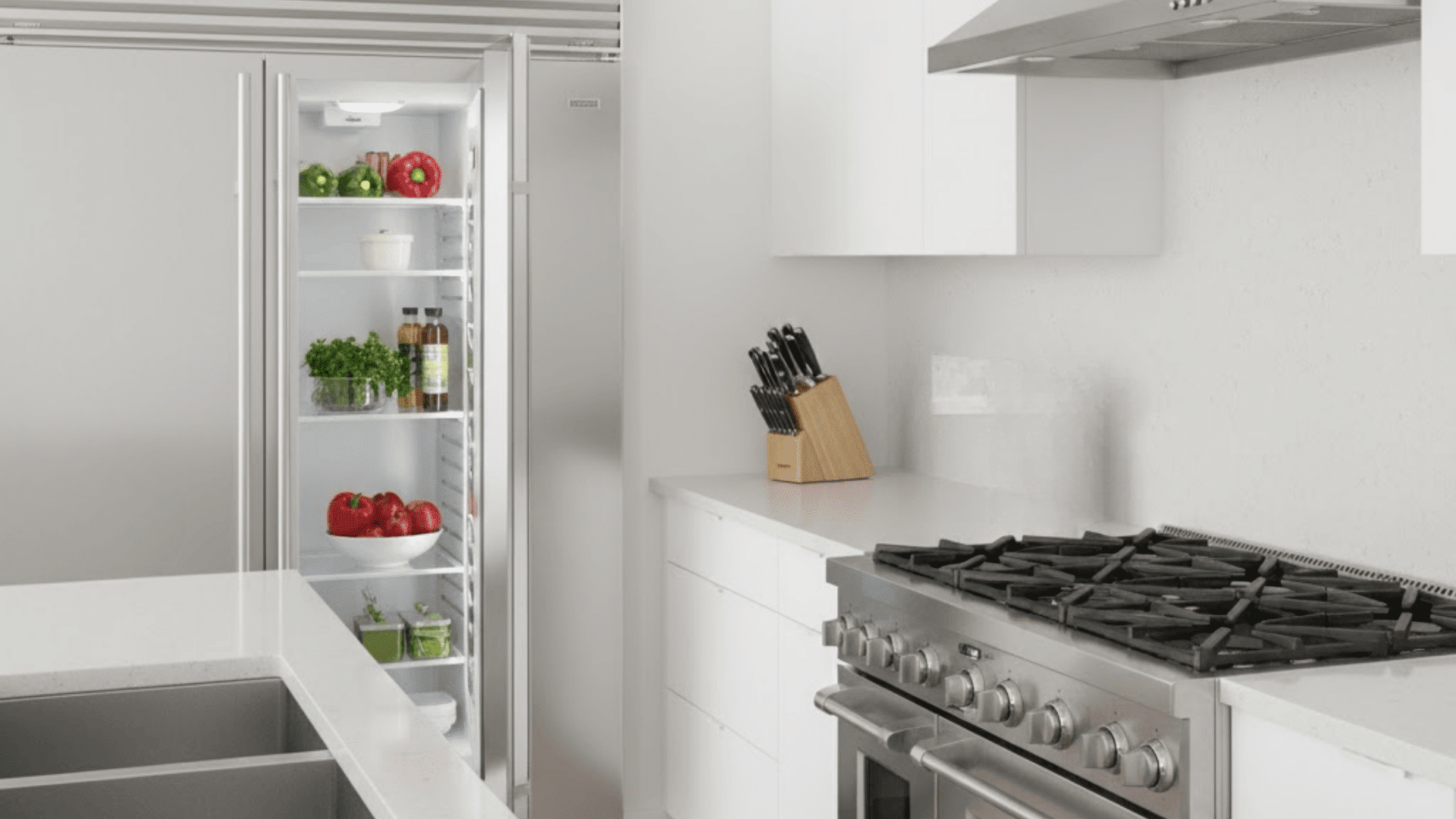
The kitchen represents wealth and health. Keep your stove clean and working. Don’t let dishes pile up in the sink. Make sure your fridge isn’t empty.
A tidy, well-stocked kitchen attracts abundance and keeps energy flowing right.
9. Add Living Plants
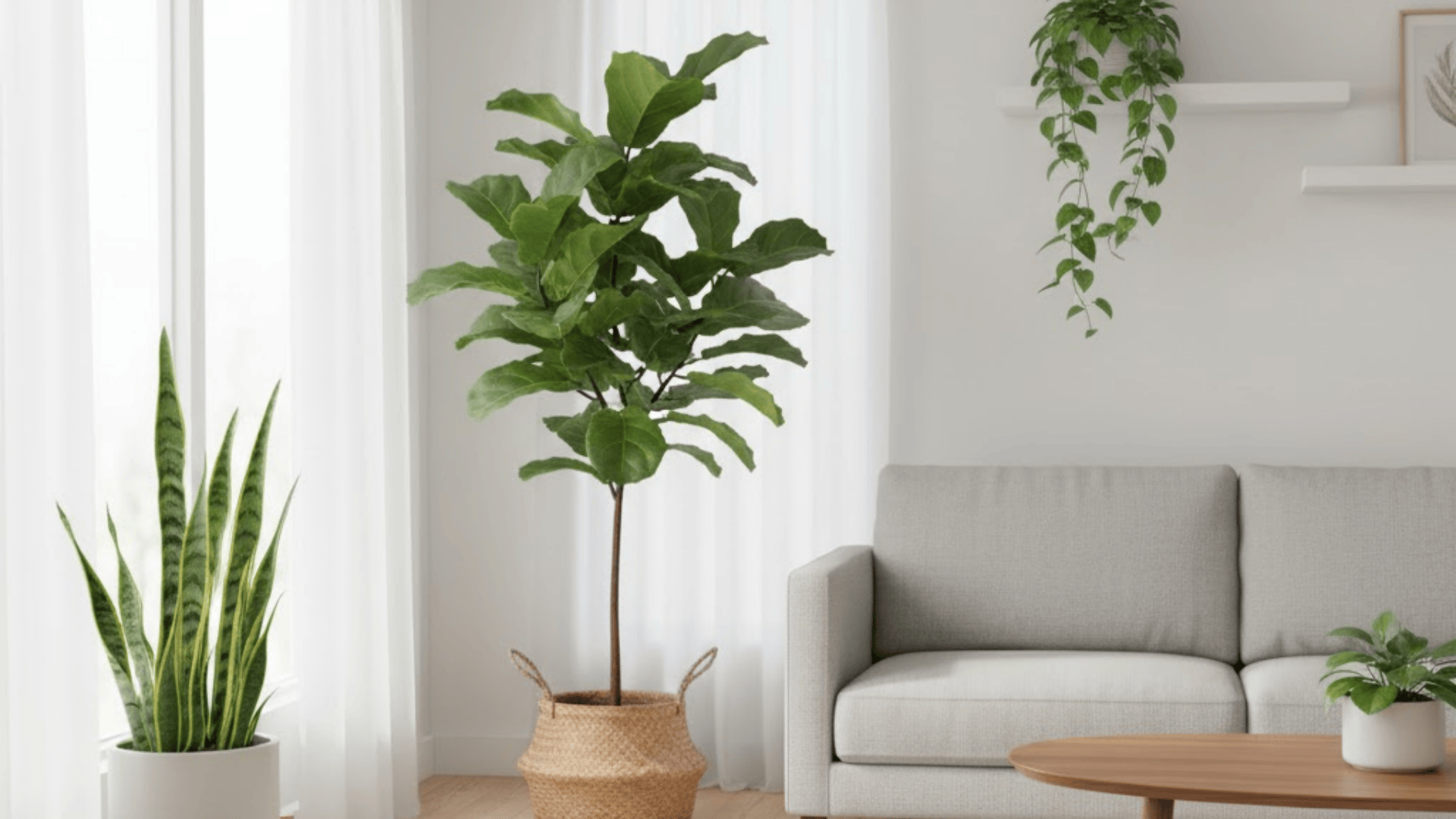
Plants bring life force into your home. They represent growth and fresh energy. Put them in corners where energy gets stuck.
Just make sure you care for them. Dead or dying plants do the opposite of what you want.
Feng Shui Bedroom Ideas
Your bedroom is where you rest and recharge. These specific ideas help to turn it into a calm, peaceful space that supports good sleep.
10. Choose a Solid Headboard

Get a solid, sturdy headboard. It should be attached to the wall or bed frame.
This gives you support while you sleep. Avoid headboards with bars or gaps. A solid one makes you feel secure and grounded at night.
11. Pick Soothing Colors
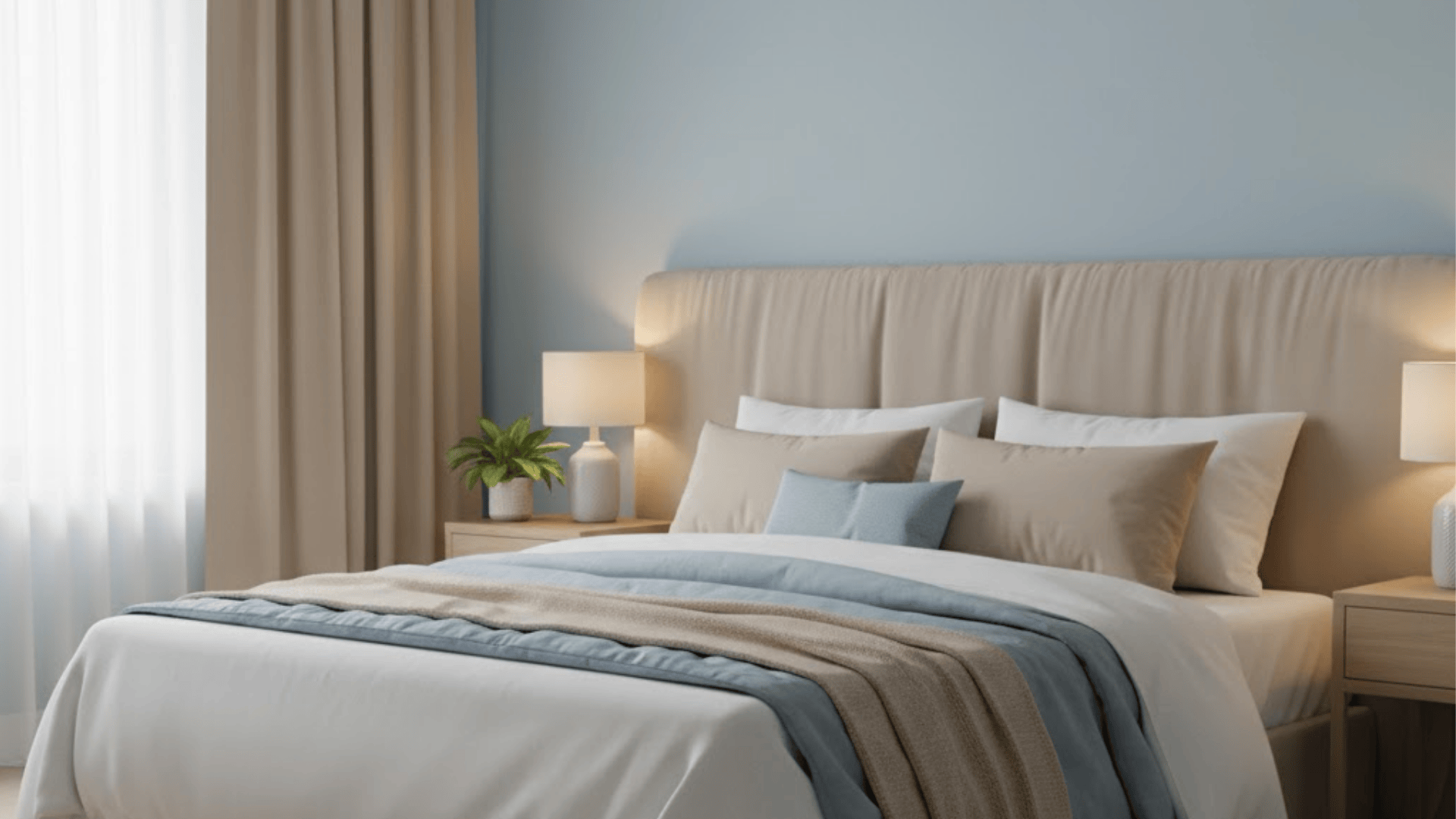
Use soft, calming colors for your bedroom. Think light blues, greens, or earth tones. These colors help you relax. Stay away from bright reds or dark blacks.
They’re too stimulating for a place meant for rest. Gentle colors create the right mood for sleep.
12. Remove Electronics from View
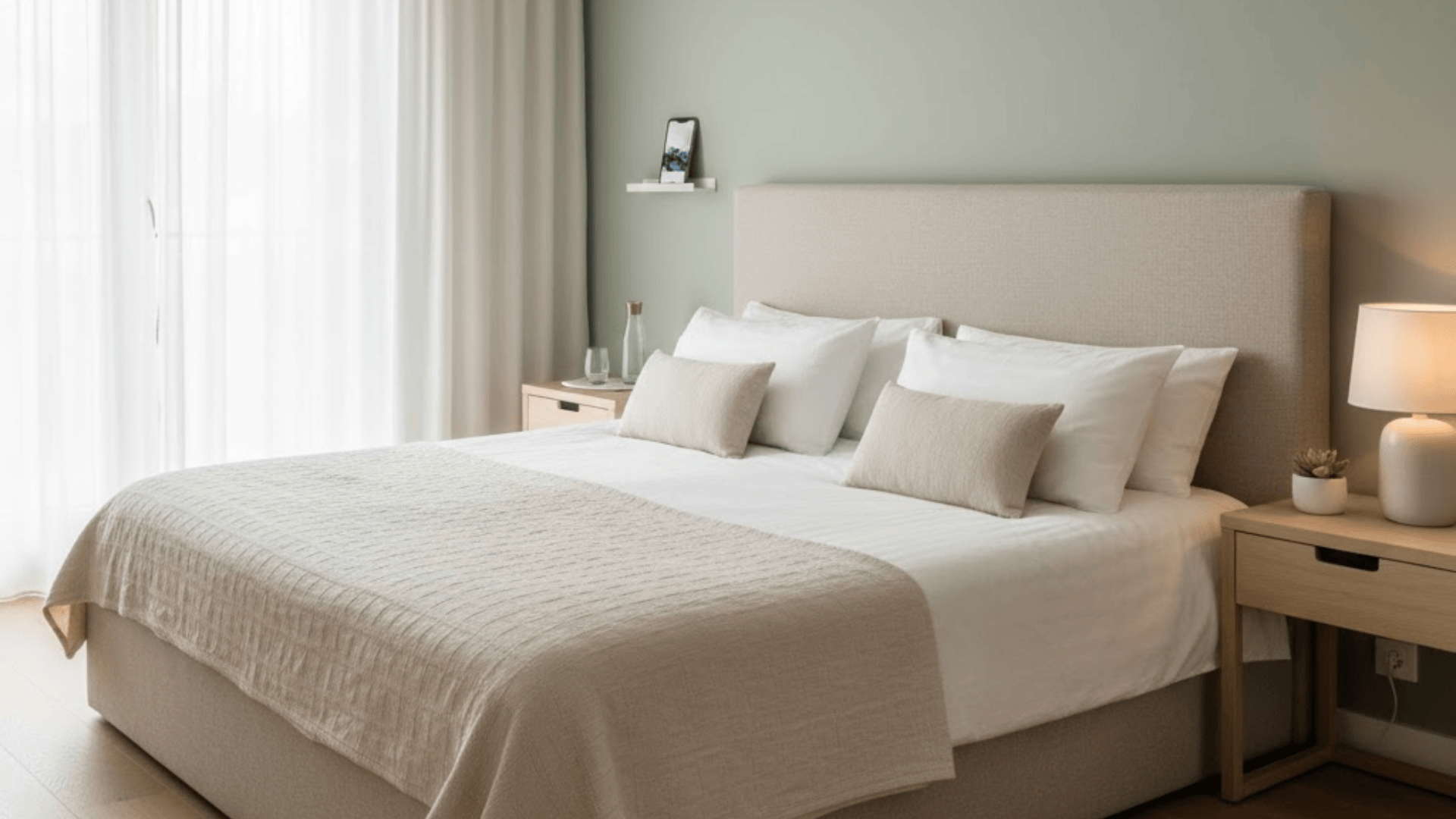
Take the TV out of your bedroom if you can. Put your phone across the room, not on your nightstand. Electronics give off energy that disrupts sleep.
They keep your mind active when it should be winding down. Create a tech-free zone for better rest.
Quick Tip: If you must keep your phone nearby, turn it face down and switch it to airplane mode at night.
13. Use Pairs of Items
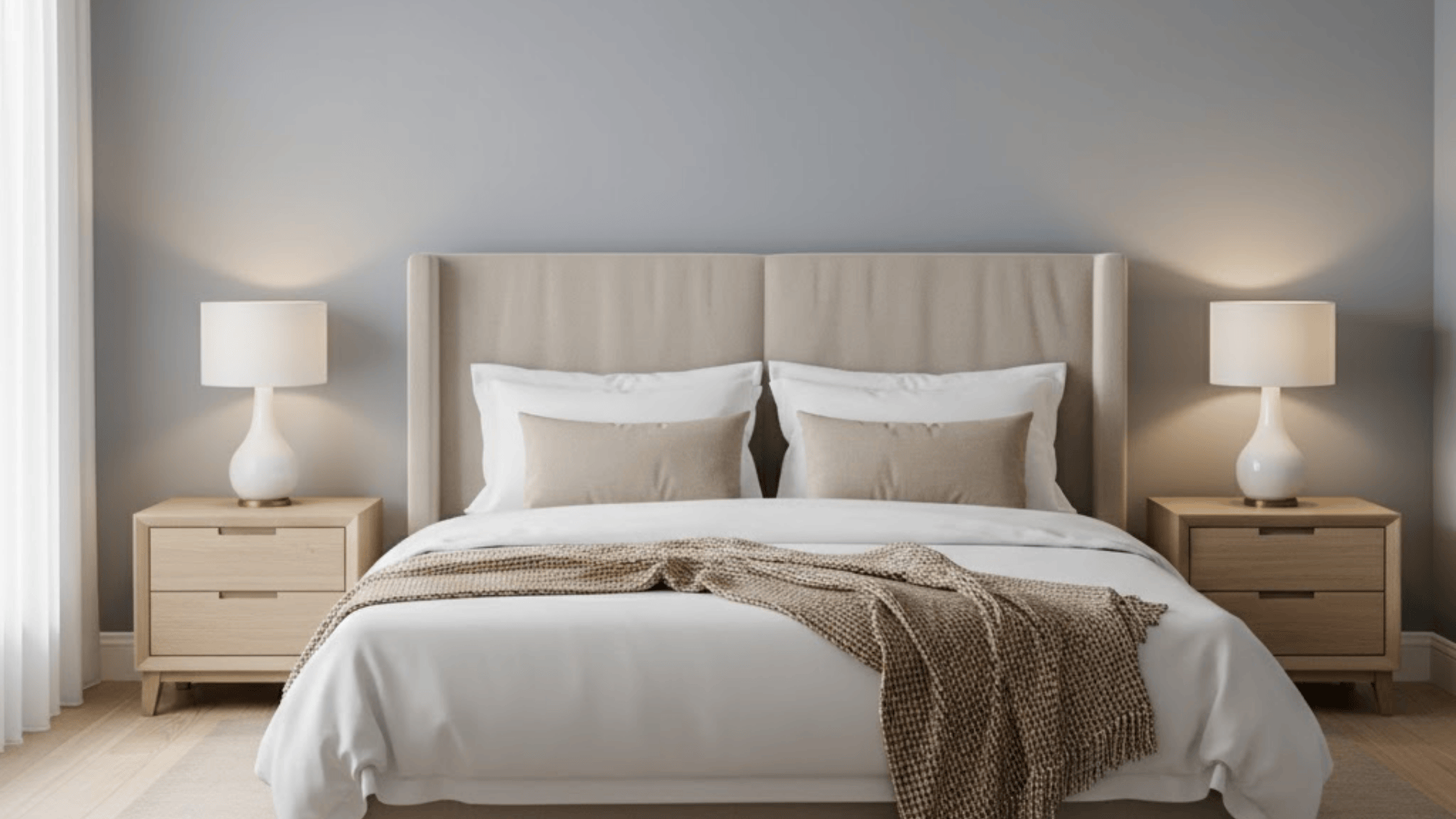
Place two nightstands, two lamps, or two pillows. Pairs represent partnership and balance. Even if you sleep alone, this creates harmony in the feng shui room.
It sends a message of completeness. Matching items on both sides look good and feel right, too.
14. Keep Space Under Your Bed Empty
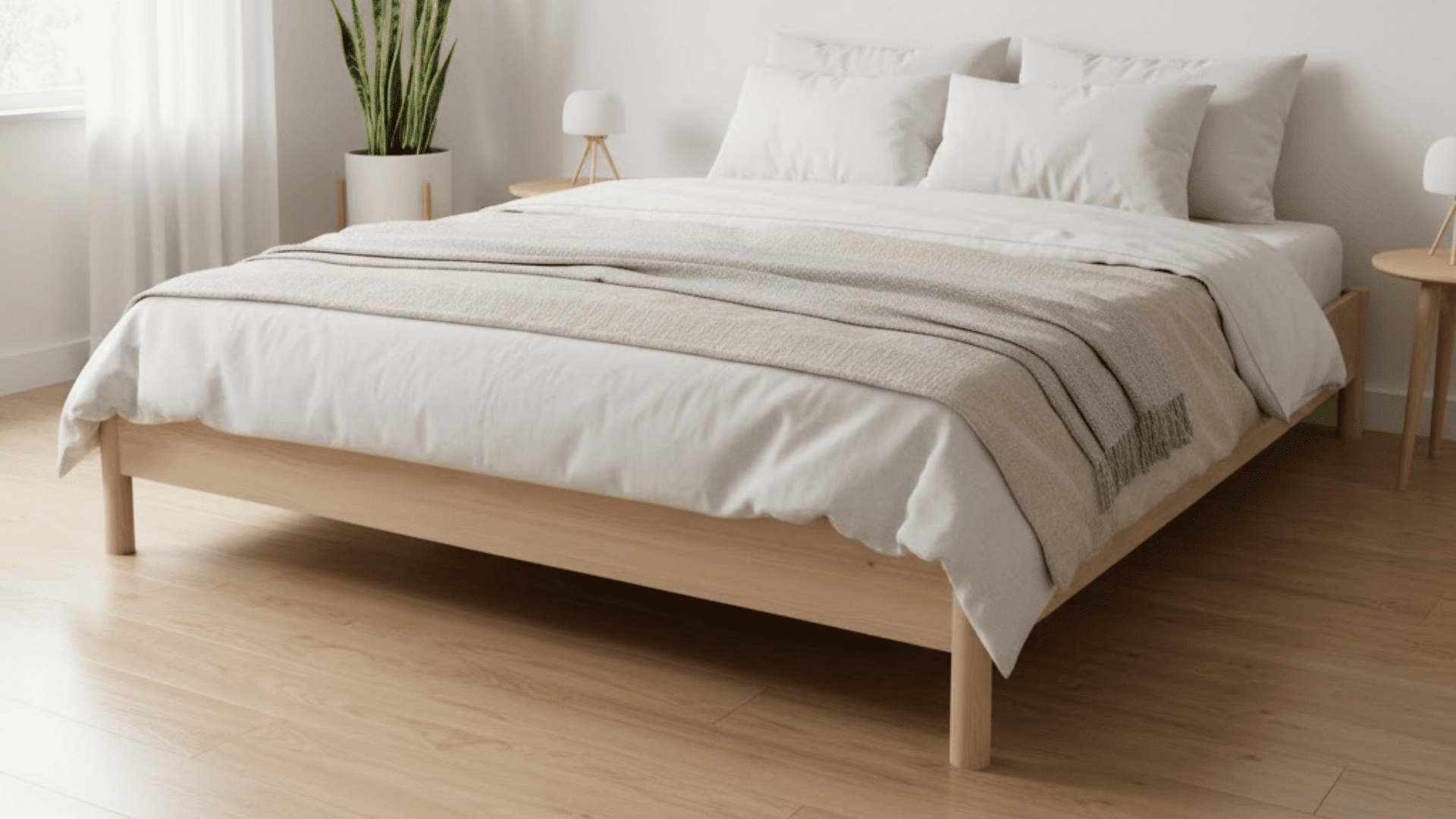
Don’t store boxes or junk under your bed. This blocks energy from flowing around you while you sleep.
If you need storage, use it only for soft items like bedding. But really, empty space works best. It lets chi move freely and helps you rest more deeply.
15. Hang Art That Makes You Happy

Put up pictures that make you feel calm or loved. Avoid images of water or sad scenes. Water represents movement, not rest.
Choose art with pairs of things or peaceful landscapes. What you see before sleep affects your dreams and mood.
Remember this: Never hang heavy objects over your bed; it causes subconscious stress, even if unnoticed.
16. Position Your Bed Away from Windows
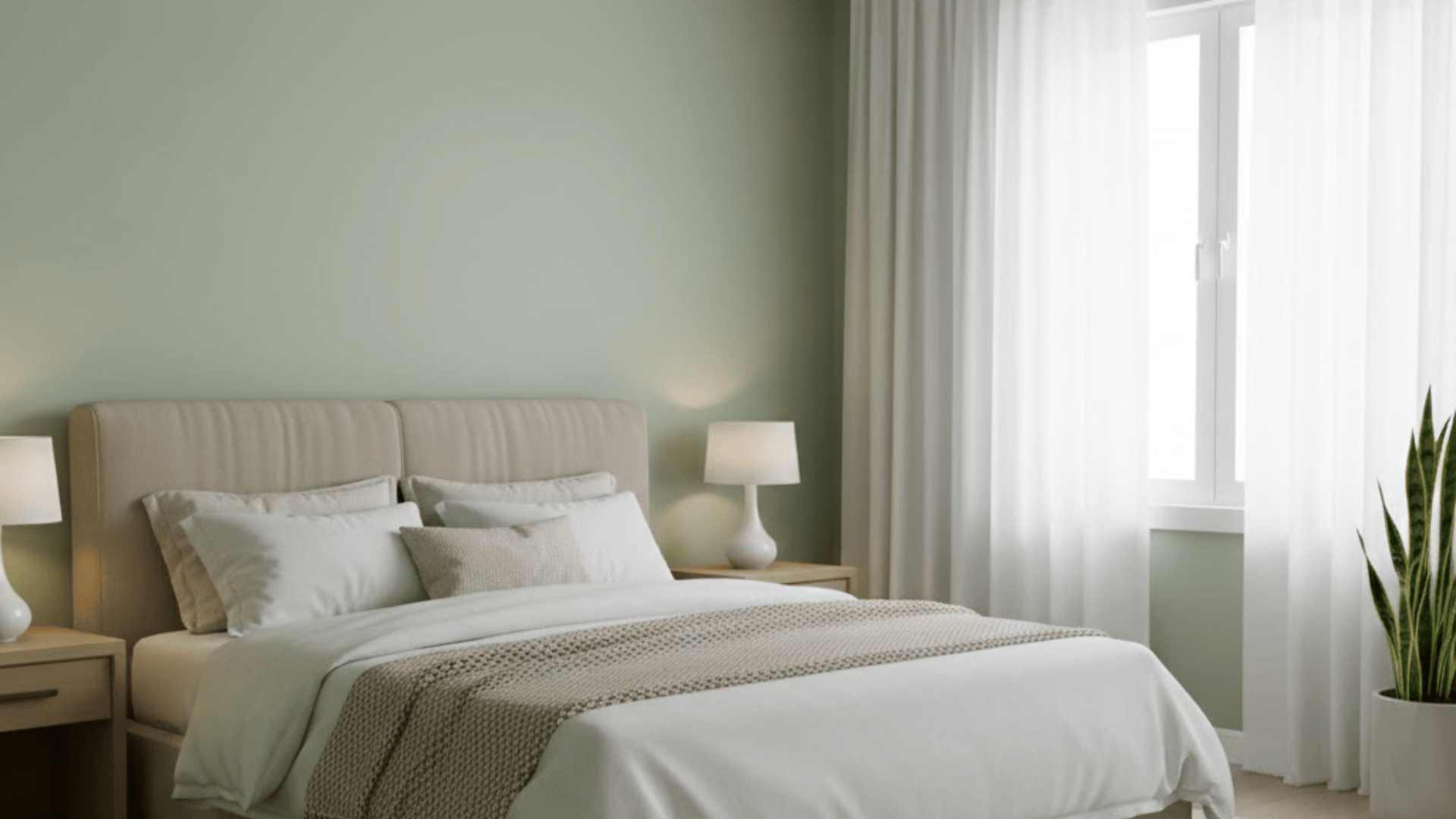
Don’t place your headboard against a window. Windows let energy in and out too easily. You need a solid wall behind you for protection.
If you can’t avoid it, use heavy curtains or a room divider. Stability behind you means better sleep ahead.
17. Add Soft Textures
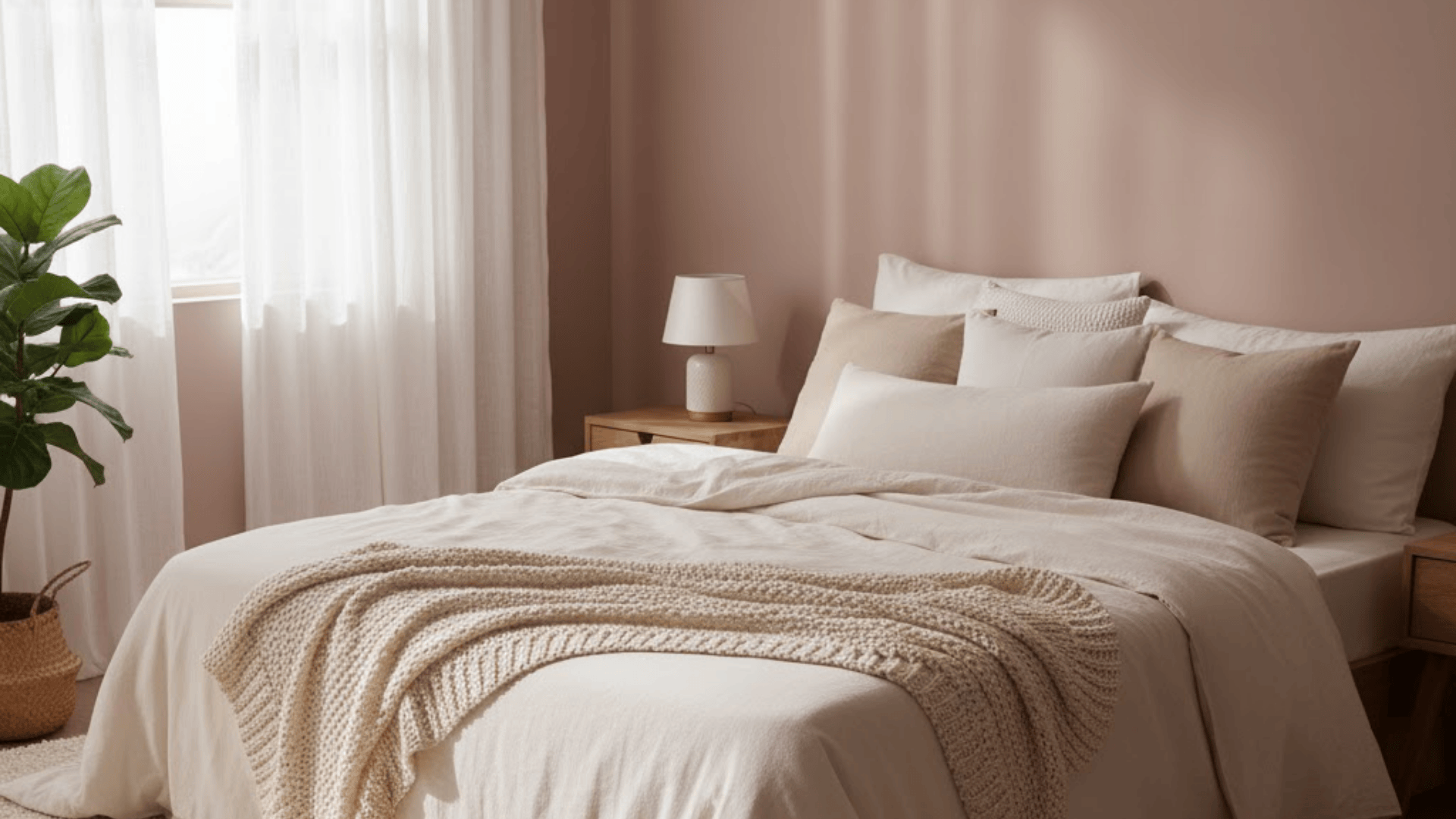
Use soft sheets, fluffy pillows, and cozy blankets. Texture matters in feng shui.
Harsh or rough fabrics create harsh energy. Soft materials invite comfort and relaxation. Layer different textures for a room that feels like a hug when you walk in.
18. Keep Fresh Air Flowing
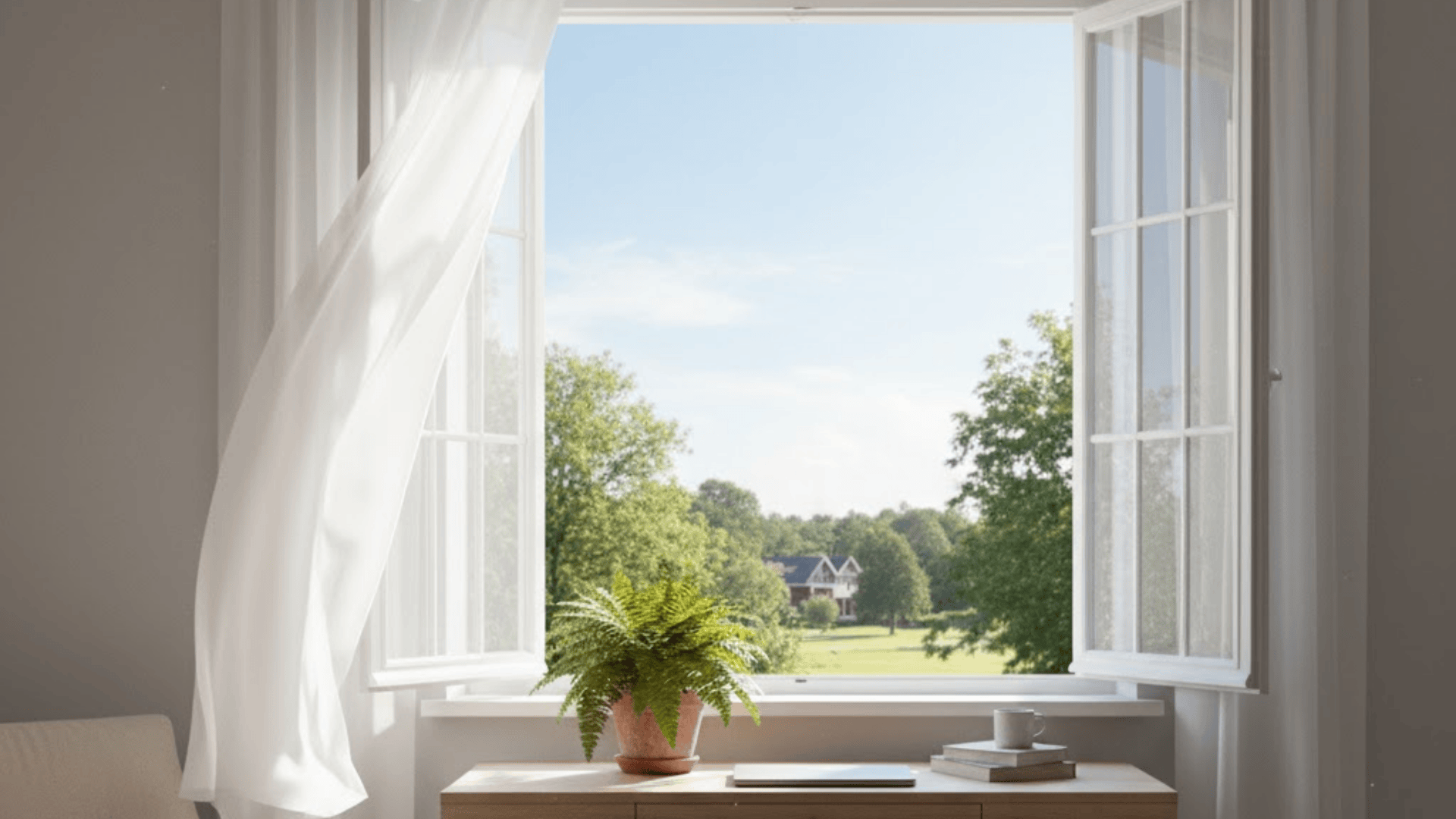
Open your windows during the day when possible. Fresh air clears out stale energy. It brings new chi into your space. If you can’t open windows, use an air purifier.
Good air quality means better sleep quality. Your feng shui room should feel fresh, not stuffy.
Smart Move: Put a small plant near your window to naturally purify the air, but avoid having too many plants in the bedroom.
Dos and Don’ts
| Do | Don’t |
|---|---|
| Use round or oval tables | Keep sharp-cornered furniture |
| Place crystals in sunny spots | Put crystals in dark corners |
| Hang curtains that reach the floor | Use short, hanging curtains |
| Keep bathroom doors closed | Leave bathroom doors open |
| Use essential oils or incense | Let bad smells linger |
| Place a rug under dining tables | Walk on bare, cold floors |
| Keep your wallet in a safe spot | Toss your wallet anywhere |
| Use wood or bamboo blinds | Install metal blinds everywhere |
| Keep trash cans hidden | Display trash cans openly |
| Use round doorknobs | Keep broken doorknobs |
| Place books on shelves | Stack books on the floor |
Final Checks Before You Call the Room Complete
- Walk through each room and feel if the energy flows smoothly.
- Check that all light bulbs work and replace any burnt ones.
- Look in every corner to spot dust or cobwebs you might have missed.
- Test that windows open and close properly.
- Confirm you can walk freely without bumping into furniture.
- Look for any cracks in walls or ceilings that need fixing.
- Make sure plants are alive and healthy, not wilting.
- Demonstrate that every room has at least one living element.
- Stand in the center of each room and notice how you feel.
- Check that sharp corners don’t point at seating areas.
- Confirm your bed and desk are in command positions.
- Look for any items that make you feel sad or negative.
Final Thoughts
Your complete focus on creating a feng shui room that actually works for you. You don’t need to change everything at once. Pick one room and apply a few rules.
Maybe move your bed first. Or clear out that cluttered corner you’ve been ignoring.
Notice how you feel after a week. If you sleep better? Feel calmer? That’s feng shui working. You can adjust things as you go. Feng shui isn’t rigid. It’s about what feels right in your space.
What room will you start with?