
A rug that’s too short can make even a beautiful room feel off.
You’ve probably stood in a store, stared at runner sizes, and had no idea which one to pick.
It happens to almost everyone. But actually, the right runner can completely change how a space looks and feels.
And picking the wrong one? It can throw the whole room off.
So, how do you get it right the first time?
What are the Rules to Look for Before Choosing a Runner Rug?
Getting the right runner starts with a few simple rules. And most people skip these, then wonder why the rug looks off.
Key Rules to Look for
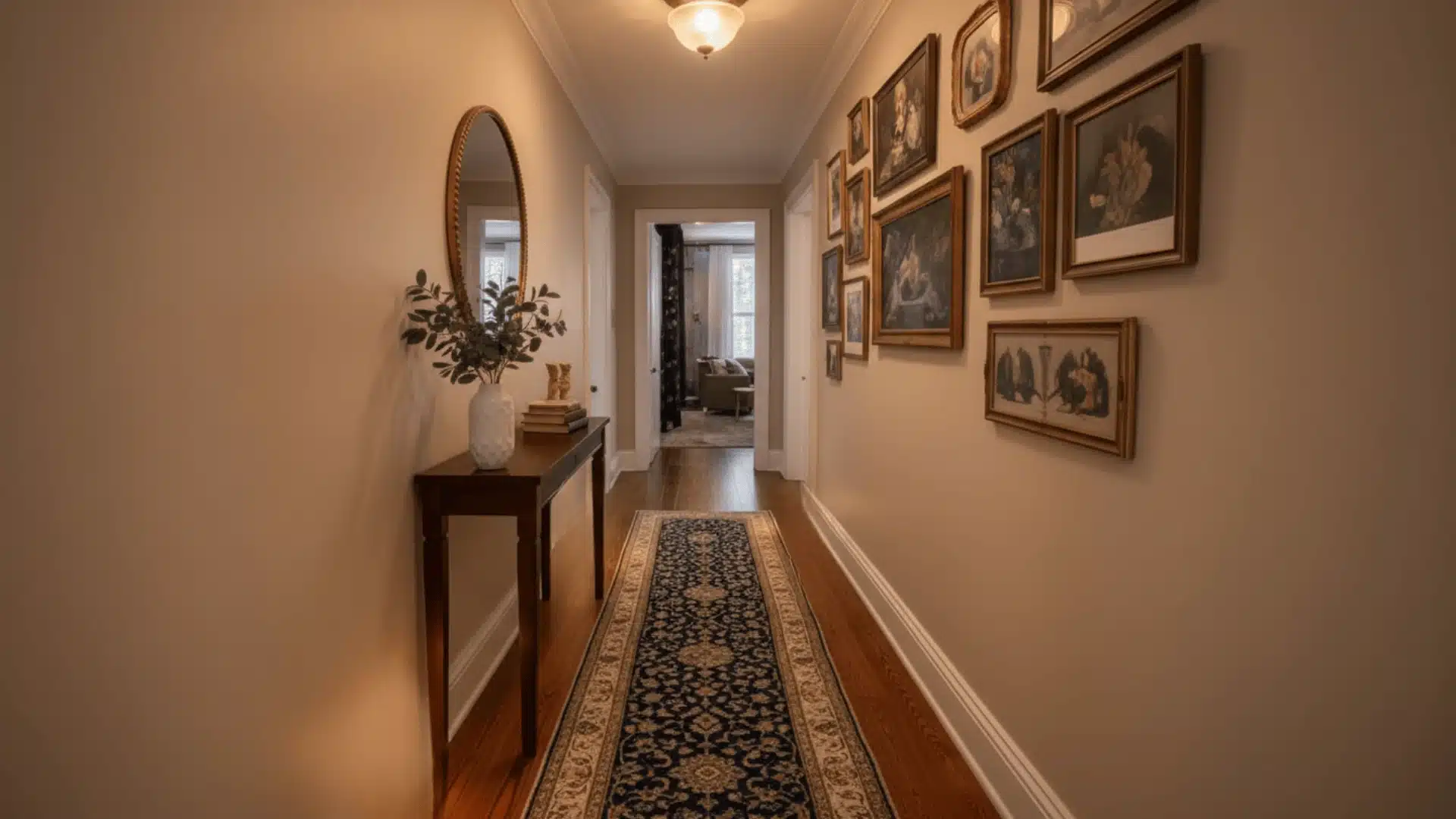
1. Leave some floor showing. Aim for 4 to 6 inches of bare floor on each side of the runner. This frames the rug nicely and keeps it from looking crammed in.
2. Match the runner length to the space. A short runner in a long hallway looks awkward. The rug should follow the natural flow of the area.
3. Consider the width. Standard runner widths are 2 to 3 feet. Pick one that fits the space without blocking doorways or walls.
4. Use a rug pad. It keeps the runner from slipping and adds a little cushion underfoot.
Runner Sizes for Hallways
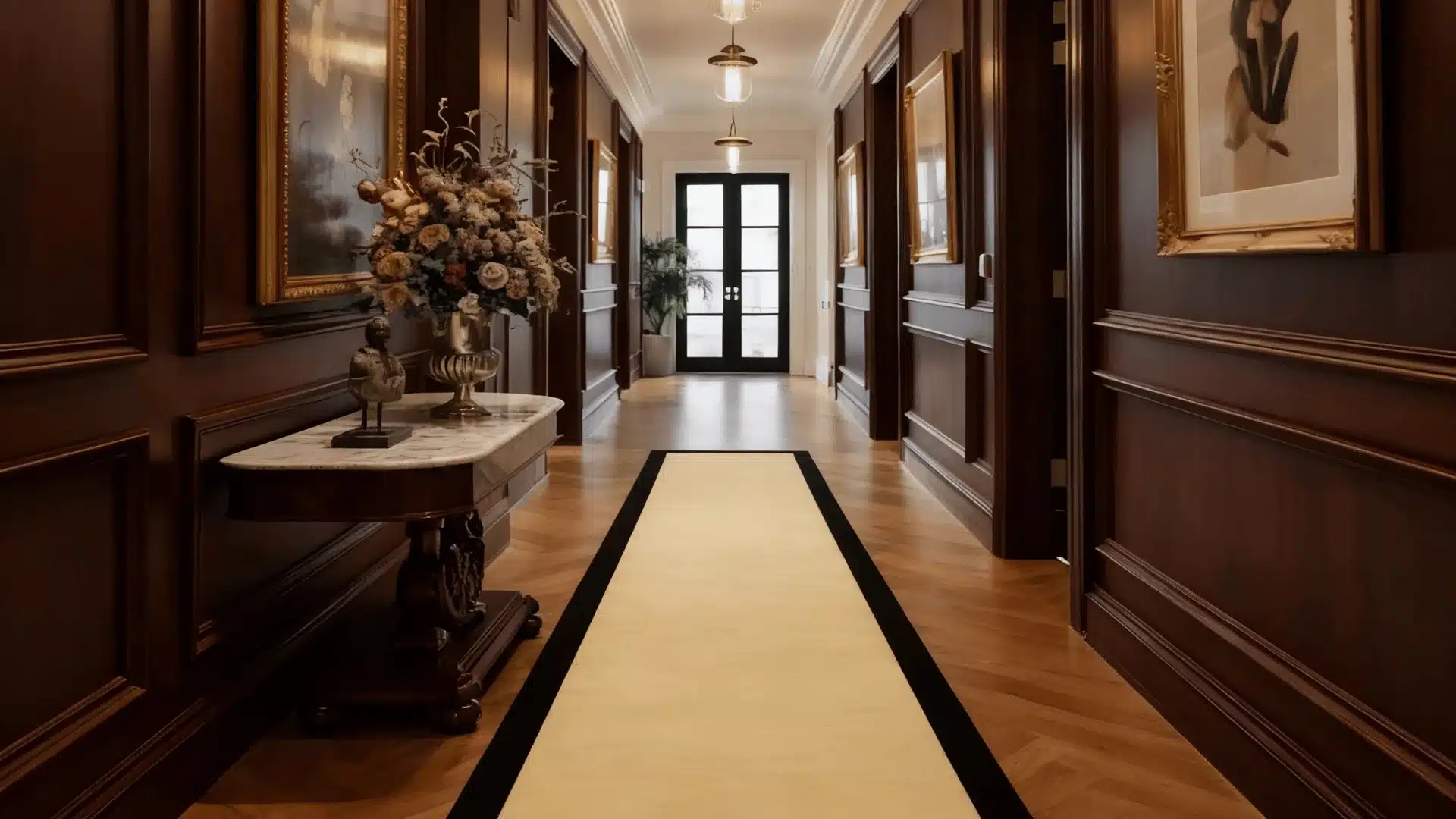
Hallways are one of the most common places people use runners. And yet, they are among the most misunderstood spaces when it comes to sizing.
A good hallway runner should cover most of the floor length while leaving a little breathing room on all sides. So, the recommended approach is:
- Width: Leave 4 to 6 inches of bare floor on both sides. So if your hallway is 4 feet wide, go for a runner that is about 2.5 to 3 feet wide.
- Length: Leave about 18 to 24 inches of floor at each end of the hallway. This gives the space a clean, finished look.
Most hallways work well with runners in the 2-by-8-foot or 2.5-by-10-foot range. But every hallway is different, so always measure first.
How Long Should a Runner be in a Hallway?
This is one of the most common questions to be asked.
A hallway runner should be about 75-85% of the total hallway length. So if your hallway is 10 feet long, aim for a runner that is about 8 feet long.
Reference List for the Right Runner Size
- Hallway 6 feet long: Runner around 4 to 5 feet
- Hallway 8 feet long: Runner around 6 to 7 feet
- Hallway 10 feet long: Runner around 8 feet
- Hallway 12 feet long: Runner around 10 feet
- Hallway 14 feet or longer: Runner around 12 feet or more
The idea is to leave a small gap at both ends. It makes the hallway look well-put-together.
A runner that goes all the way to the walls can make a hallway feel cramped.
Runner Sizes for Kitchen
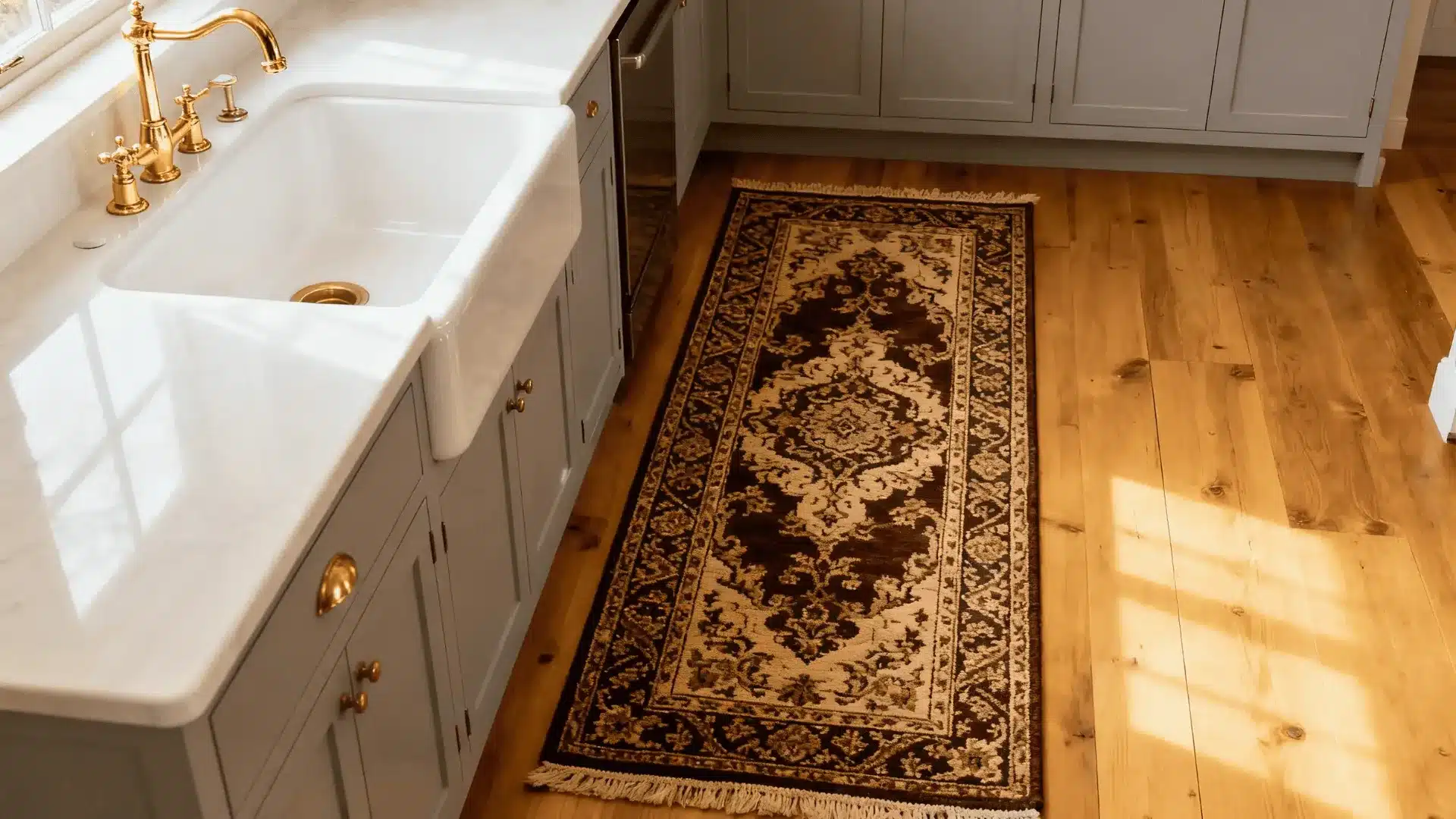
Kitchens are busy spaces. You are on your feet a lot, moving between the counter, the stove, and the sink.
A runner here is more about comfort and practicality than looks.
So, What Sizes of Runners Work Best in a Kitchen?
For most kitchens, between 2 by 4 feet and 3 by 10 feet size runners work best, depending on the zone.
In front of the sink: A 2-by-4-foot or 2-by-6-foot runner works well here. It cushions your feet and catches spills before they spread.
Between the Island and Counter: Go for a 2.5 by 8-foot or 3 by 10-foot runner. This covers the main walking path without getting in the way.
Galley Kitchens: A long, narrow runner that runs the full length of the kitchen works perfectly. Try a 2-by-10-foot or 2-by-12-foot size.
A kitchen runner sees more spills, rush, and daily use than any other rug in your home. So pick a low-pile, easy-to-clean material. And always use a non-slip rug pad underneath.
Runner Sizes for Stairs
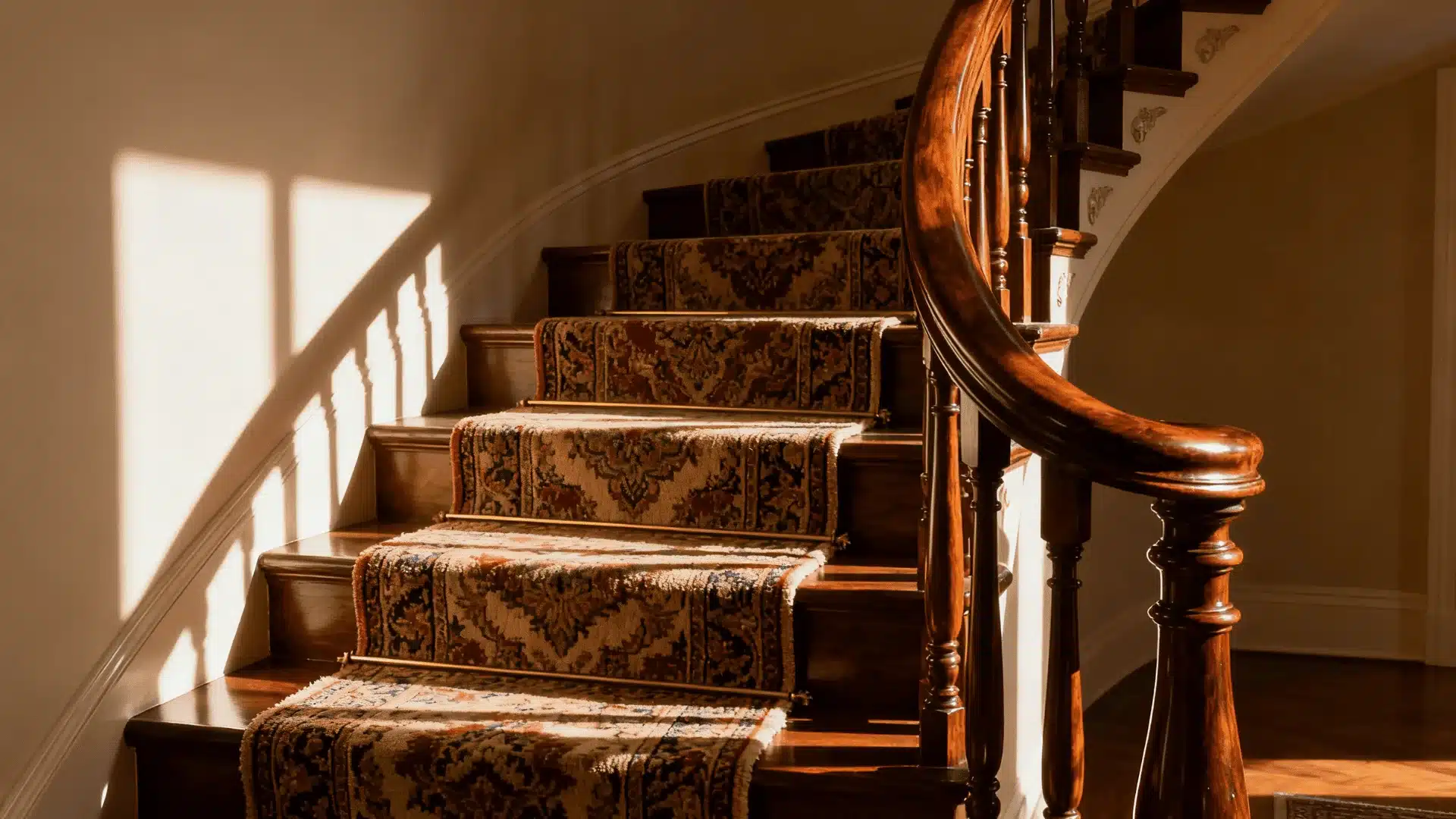
Stairs are tricky. The runner has to look good, stay safe, and fit the exact dimensions of each step.
Standard stair width is about 3 feet. A stair runner is usually 2 to 2.5 feet wide.
This leaves a few inches of bare wood showing on each side, which looks sharp and clean.
Runner length depends on the number of steps. Measure each step from the back of the tread to the front, then add the riser height. Multiply that by the number of steps.
For Example: If each step is 10 inches deep and 7 inches tall, that adds up to 17 inches per step. With 13 steps, you would need roughly 18 feet of runner.
Rough Size Chart for Stair Runner Lengths
| Number of Steps | Runner Length Needed |
|---|---|
| 10 steps | 14 to 16 feet |
| 13 steps | 18 to 20 feet |
| 15 steps | 21 to 23 feet |
Always add a little extra length for adjustments during installation. Most installers recommend adding about 1 foot of extra material.
Conclusion
Choosing the right runner sizes does not have to be complicated.
Measure your space, follow the basic sizing rules, and think about how the area is used every day.
A well-fitted runner can make a hallway feel more welcoming, a kitchen more comfortable, and a staircase much safer.
So grab a tape measure before you shop. That one small step saves you from a lot of second-guessing later.
Have questions about your specific space? Drop them in the comments below.
Frequently Asked Questions
1. What is the Standard Size for a Runner Rug?
Most standard runner sizes range from 2 by 6 feet to 2.5 by 12 feet, depending on the space.
2. How Do I Know if a Runner is Too Small for My Hallway?
If the runner leaves more than 6 inches of bare floor on each side, it is likely too narrow for the space.
3. Can I Use Two Runners in a Long Hallway?
Yes, you can place two runners end to end. Leave a small gap of 2 to 3 inches between them for a clean look.
4. Do Runner Sizes Differ for Kitchens and Hallways?
Yes. Kitchen runners tend to be shorter and wider for work zones, while hallway runners are longer and narrower to fit the space.