
People setting up a living room go straight for a sofa. It’s the obvious choice.
There’s another option that often gets skipped, one that fits better in certain spaces and works harder than it looks.
A loveseat. Small name, big impact on a room.
A lot of people don’t give it much thought until they’re stuck with too little space or too many furniture options.
That’s usually when it starts making sense.
This blog gathers what is a loveseat, and why more people are choosing it over the standard sofa.
What is a LoveSeat?
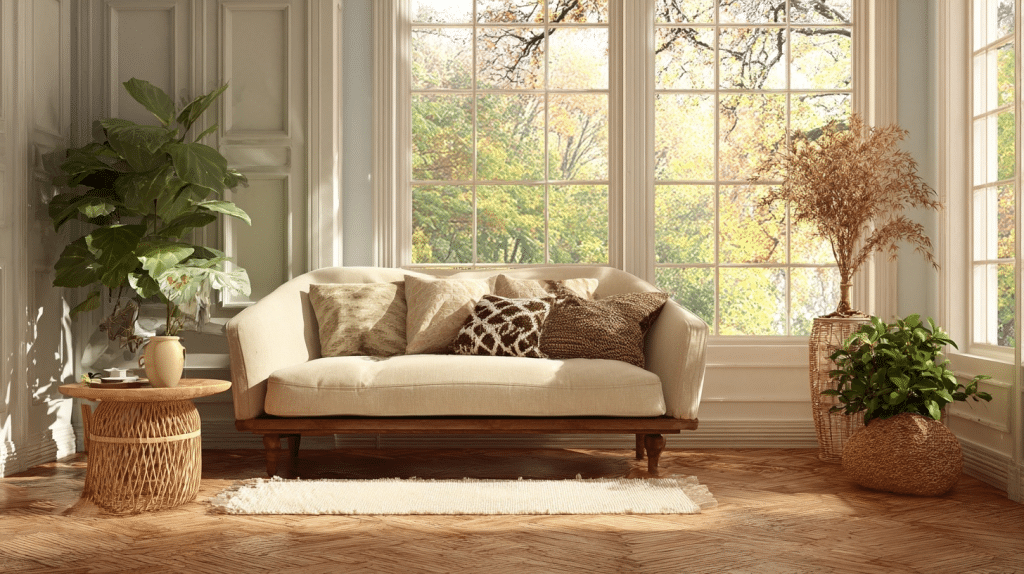
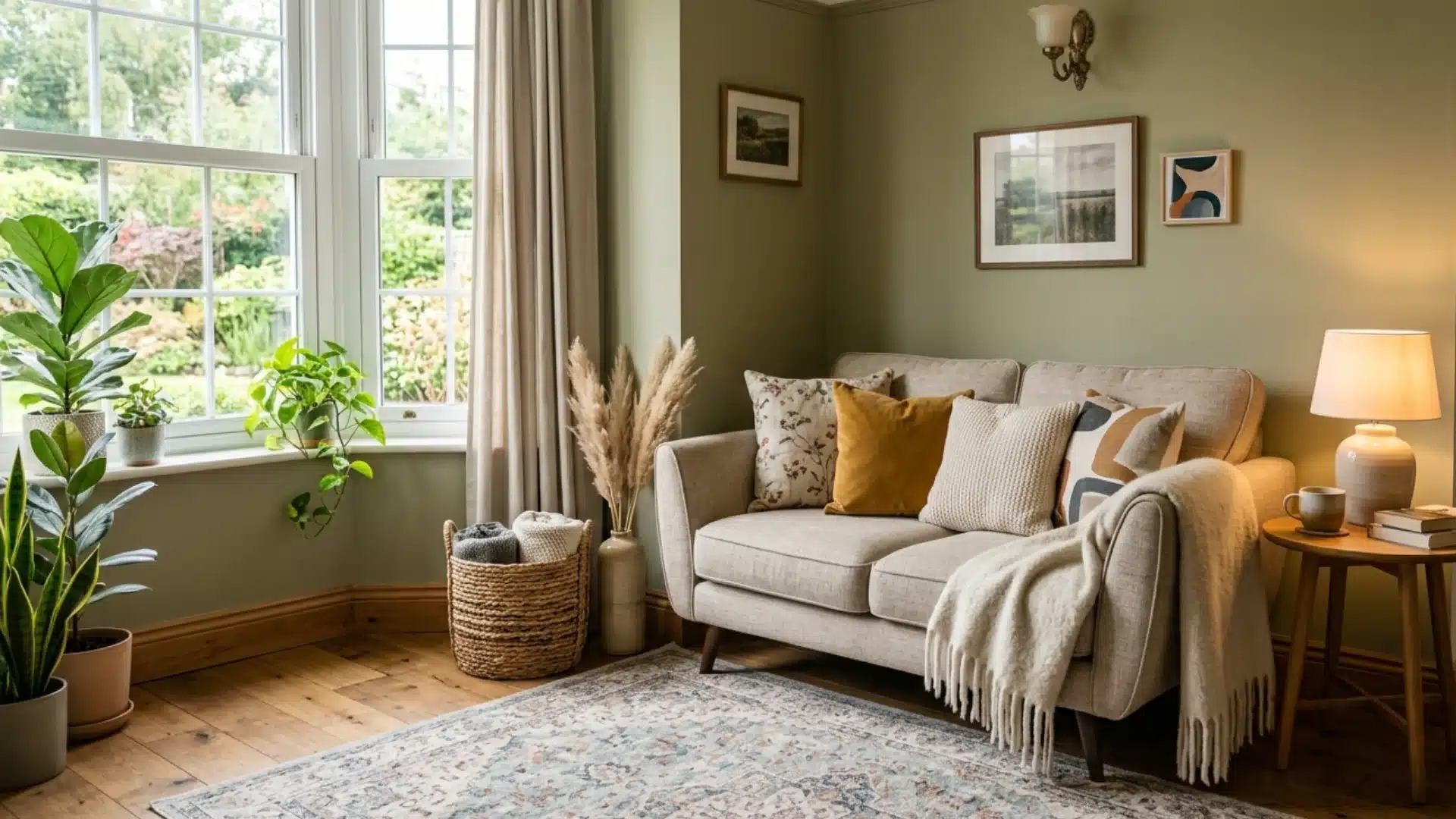
A loveseat is a compact, clear two-seater sofa, ideal for smaller spaces.
It looks like a sofa but takes up far less floor space.
The key difference is size. A standard sofa seats three or more people. A loveseat seats two comfortably.
Size difference changes everything. It works well in apartments, home offices, or as a second seating option alongside a larger sofa. It’s not just a smaller sofa, though.
It has its own styles, shapes, and uses.
So no, it’s not just a sofa that shrunk, it’s a separate furniture piece with its own purpose.
“Love seat” and “loveseat” are the same thing, just spelled differently.
Both are correct. In the US, loveseat is the more common spelling. In the UK and some other regions, a love seat is often written as two words. The meaning doesn’t change either way.
Where is a Loveseat Sofa Used?
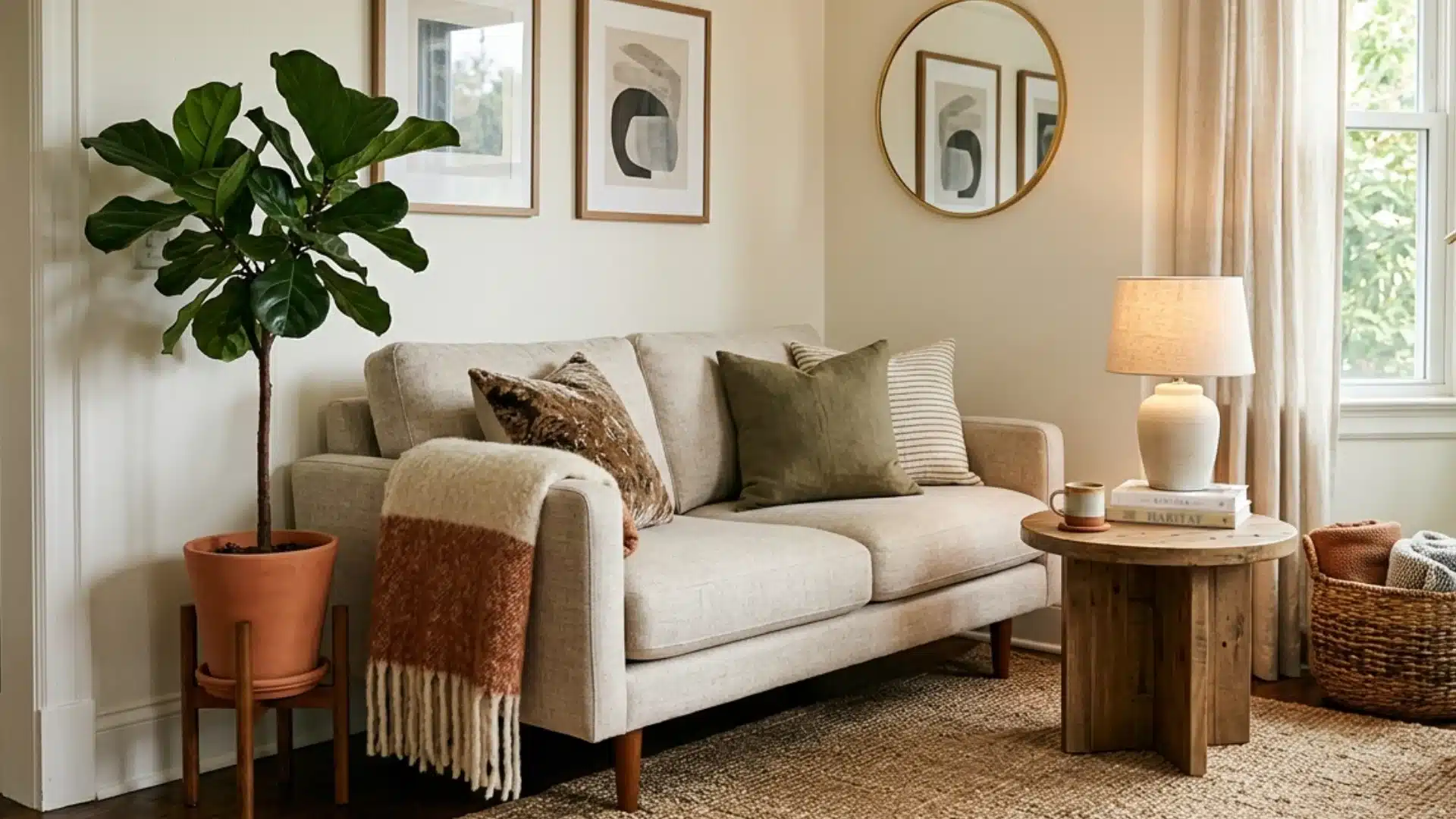
A loveseat sofa slips into daily life in all kinds of spots.
- Living rooms: They sit two people comfortably and leave space for other furniture.
- Bedrooms: Great beside the bed for reading or chatting before sleep.
- Apartments: Fits tight spaces where a big couch won’t work.
- Offices or waiting areas: Looks nice and gives visitors a cozy place to sit.
- Family rooms: Perfect for movie nights or quiet talks with kids.
Pick the spot where it feels most useful, and you’ll enjoy it every day.
Standard Loveseat Dimensions and Size Guide
Knowing the size before you buy saves a lot of trouble. Here’s a quick look at standard loveseat dimensions.
| Type | Width | Depth | Height | Best For |
|---|---|---|---|---|
| Petite / Compact | 45-52 inches | 28-32 inches | 30-34 inches | Tiny apartments or tight spots |
| Standard Loveseat | 52-60 inches | 30-35 inches | 32-36 inches | Average living rooms |
| Apartment-Size | 48-58 inches | 28-34 inches | 30-35 inches | Small studios and bedrooms |
| Oversized / Large | 62-72 inches | 35-40 inches | 34-38 inches | Big rooms or extra lounging |
| Reclining Loveseat | 60-70 inches | 38-42 inches | 32-38 inches | Comfort with feet up |
What’s the Real Difference: Loveseat vs Sofa
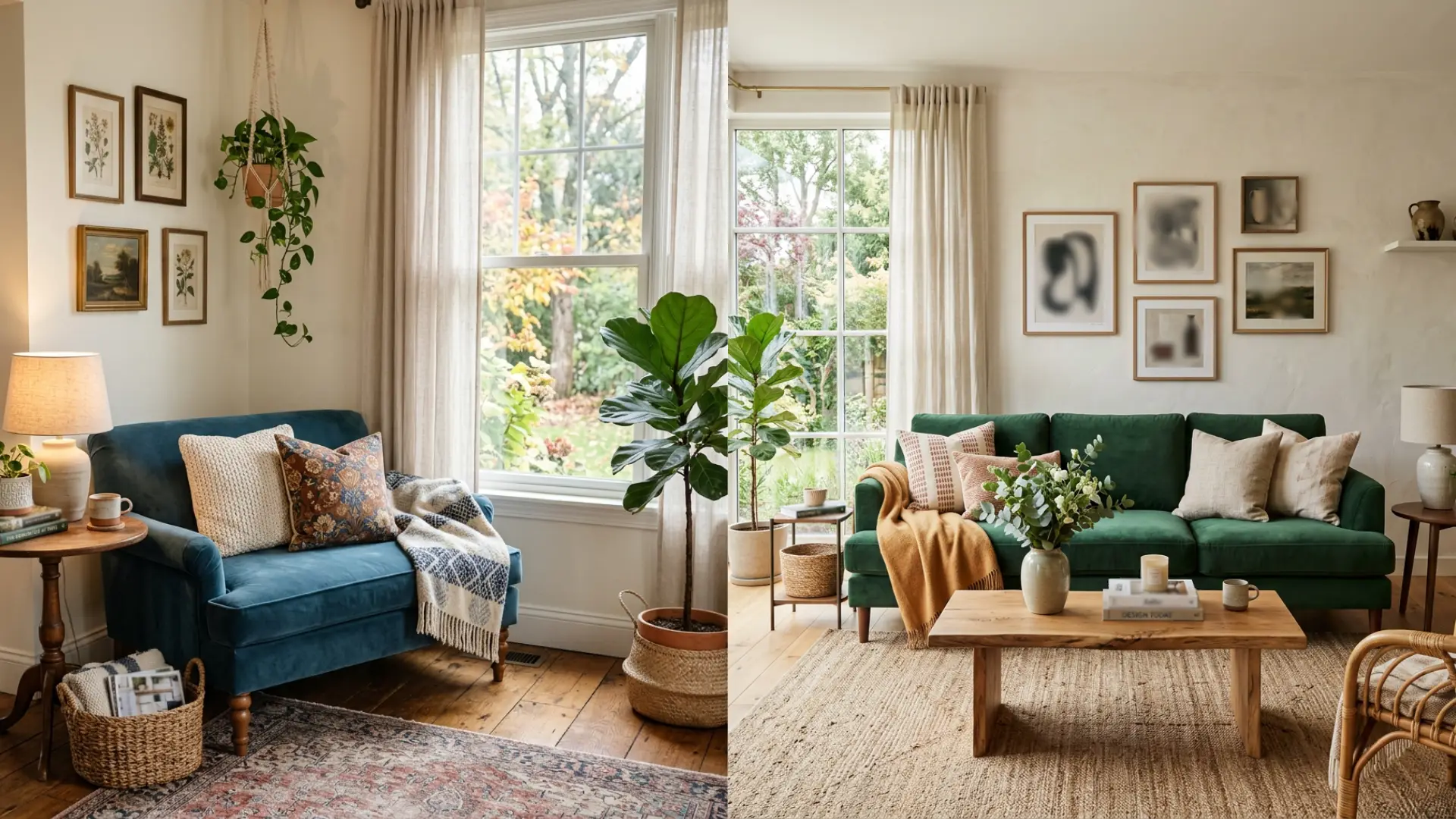
They look similar at first glance. Once you put them side by side, the differences are hard to miss.
Here’s what actually sets them apart.
Size
A loveseat stays small, usually 50 to 70 inches wide. A sofa stretches longer, often 80 to 100 inches or more.
A sofa is built for three or more people. A loveseat is built for two. That one difference affects how much floor space each one takes up.
In a smaller room, that gap in size matters more than most people expect.
Seating Capacity
A sofa handles a full family or a group of guests with ease. A loveseat is more personal; it works best for two people.
It’s a better fit for couples, small households, or rooms that don’t require much seating.
Best Use of Space
A sofa dominates a room. A loveseat gives you more room to breathe.
It fits well in tight corners, home offices, or bedrooms. If floor space is limited, a loveseat often makes more practical sense than squeezing in a full sofa.
Price
Loveseats usually cost less than sofas. Less material, smaller frame, lower price.
For someone on a budget who still wants a good-looking seating option, a loveseat is often the smarter buy
When Should You Choose a Loveseat?
Choose a loveseat when your room feels small, and you don’t want furniture that takes over the whole space.
It works great in apartments, tight living rooms, or cozy bedrooms where every inch counts.
Pick one if you mostly sit with just one other person and like staying close during chats or quiet evenings. Go for it when you need something easy to move around or when a full sofa would make the area look crowded.
A loveseat also fits nicely in waiting spots or small offices.
Think about your daily life first, then choose what feels useful and comfortable without extra bulk.
Pros and Cons of a Loveseat
A loveseat offers its own mix of pros and cons, depending on your space and needs.
Pros
- Fits easily into small rooms and tight spaces.
- Costs less than a full-sized sofa.
- Easy to move around when rearranging a room.
- Works well as extra seating in a bedroom or home office.
- Comes in a wide range of styles and fabrics.
Cons
- Seats only two people, not great for larger households.
- May feel too small as the main seating in a big living room.
- Limited lounging space compared to a sofa.
- Can look out of place in a large, open-plan room.
Mistakes to Avoid When Buying a Loveseat
Many people rush when buying a loveseat and end up with something that doesn’t fit right.
Avoid skipping measurements of your room and doorways.
Don’t pick only by looks and ignore comfort for daily use. Make sure you test how it feels to sit and stand up from it.
Never forget to check the material for stains and wear. Also, skip buying online without seeing the real size and color first.
Think about how many people will use it most days.
How to Style a Loveseat in Your Space
Styling a loveseat doesn’t need to be complicated.
A few smart choices can make it look like it was always meant to be there. Start by thinking about the room it’s going into, the size, the layout, and how much open space you want to keep.
A loveseat works best when it has room to breathe and isn’t crammed against other furniture.
Here are a few simple ways to style it well:
- Place it facing a window for a cozy reading spot.
- Pair it with a small coffee table to anchor the space.
- Add a throw blanket to make it feel lived-in.
- Use it as a second seating option across from a larger sofa.
- Keep one side open to avoid making the room feel tight.
Final Thoughts
A loveseat is a practical, budget-friendly choice that works well in the right space.
It’s compact, easy to style, and fits where a sofa simply won’t. Now that you know what is a loveseat, the sizes, the differences, and the pros and cons, picking the right one should feel a lot easier.
Got a spot in mind for a loveseat? Measure the space, pick a style that suits the room, and go for it.
It’s a small change that can make a room feel a lot more put-together.
Frequently Asked Questions (FAQ’s)
1. Is a Two-Seat Couch a Loveseat?
Yes, a two-seat couch and a loveseat are the same thing.
2. What is the 2/3 Rule for Sofas?
A sofa should take up about two-thirds of the room’s available wall space.
3. What is a Single Loveseat Called?
A single loveseat is often called a chair-and-a-half or a cuddle chair.
4. What is a Fancy Name for a Loveseat?
A loveseat is sometimes called a settee, a courting bench, or a tête-à-tête.
5. What is the Current Trend in Sofas?
Modular sofas and earth-toned fabrics are the most popular choices right now.