
Walk through Miami’s South Beach, and you’ll see it right away. Pastel facades, porthole windows, zigzag trim along the roofline.
Photographer Tommy Kwak traveled all the way from New Jersey to Miami Beach in 2019 just to catalog 38 iconic lifeguard towers, the magnetic pull of Art Deco remains undeniable.
That kind of dedication says everything about the pull this style has on people. That’s the pull of an Art Deco House.
Bold, geometric, and completely unmistakable. This post breaks down exactly what defines the style and how you can use it in your own home.
What Art Deco House Architecture Actually Looks Like
Art Deco started in Paris in the 1920s and spread fast.
By the 1930s, it had shaped skylines across New York, Miami, and Mumbai. It was a direct reaction to the overly ornate styles that came before it.
This iconic style is built on three principles: bold geometry, strict symmetry, and rich materials such as chrome, marble, and terracotta.
Where modern design strips everything back, art deco layers it on. Where vintage styles feel soft and floral, Art Deco is sharp and structured.
It’s decorative, but always intentional. Every detail has a job to do.
Key Features of These Homes
The design itself is built on a strict design language.
Every feature works together to create something bold, structured, and visually striking. Geometry drives the shapes, symmetry governs the layout, and rich materials do the heavy lifting.
Get these elements right, and the style falls into place naturally.
- Geometric patterns: Zigzags, chevrons, sunbursts, and stepped forms on floors, ceilings, and facades
- Bold color palette: High-contrast combinations like black and gold, teal and cream, deep red with brass
- Strict symmetry: Mirrored windows, centered entryways, balanced decorative details on every wall
- Luxurious materials: Chrome, marble, lacquered wood, terracotta, and glass tiles throughout
- Statement lighting: Stepped chandeliers, frosted glass sconces, and geometric pendants that are part of the design, not an afterthought
Art Deco House Exterior Plans and Inspirations
These homes design is specific enough to feel cohesive but flexible enough to work across very different spaces.
The style is specific enough to feel cohesive but flexible enough to pull off in different ways.
The outside of this architectural movement sets the tone before anyone steps through the door.
1. Curved Facade with Smooth Stucco Finish
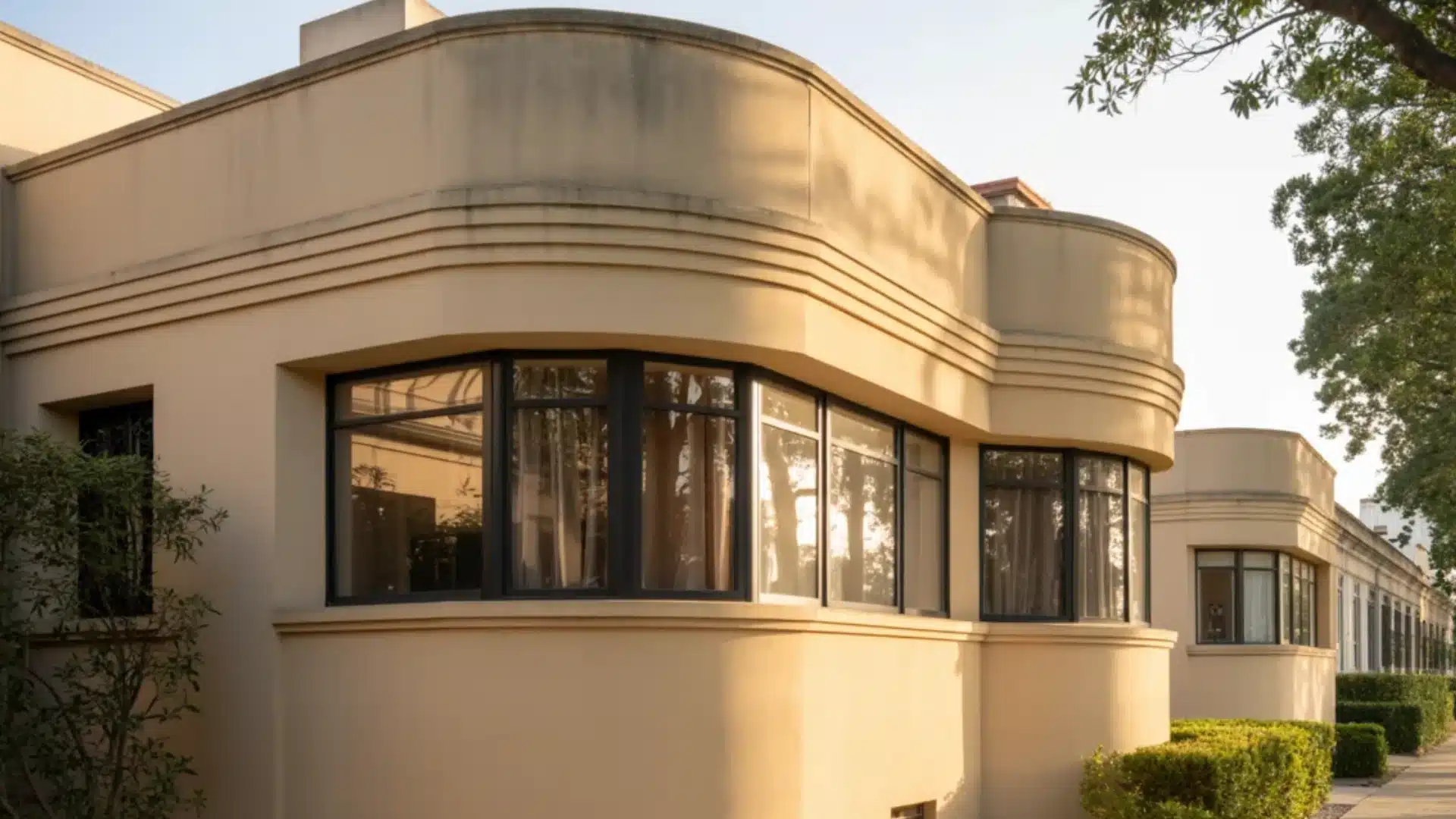
A rounded front with clean stucco walls is one of the most recognizable Art Deco exterior moves.
The curve softens the geometry without losing structure. Most designers keep the stucco in off-white or cream to let the form do the talking.
2. Symmetrical Front Elevation
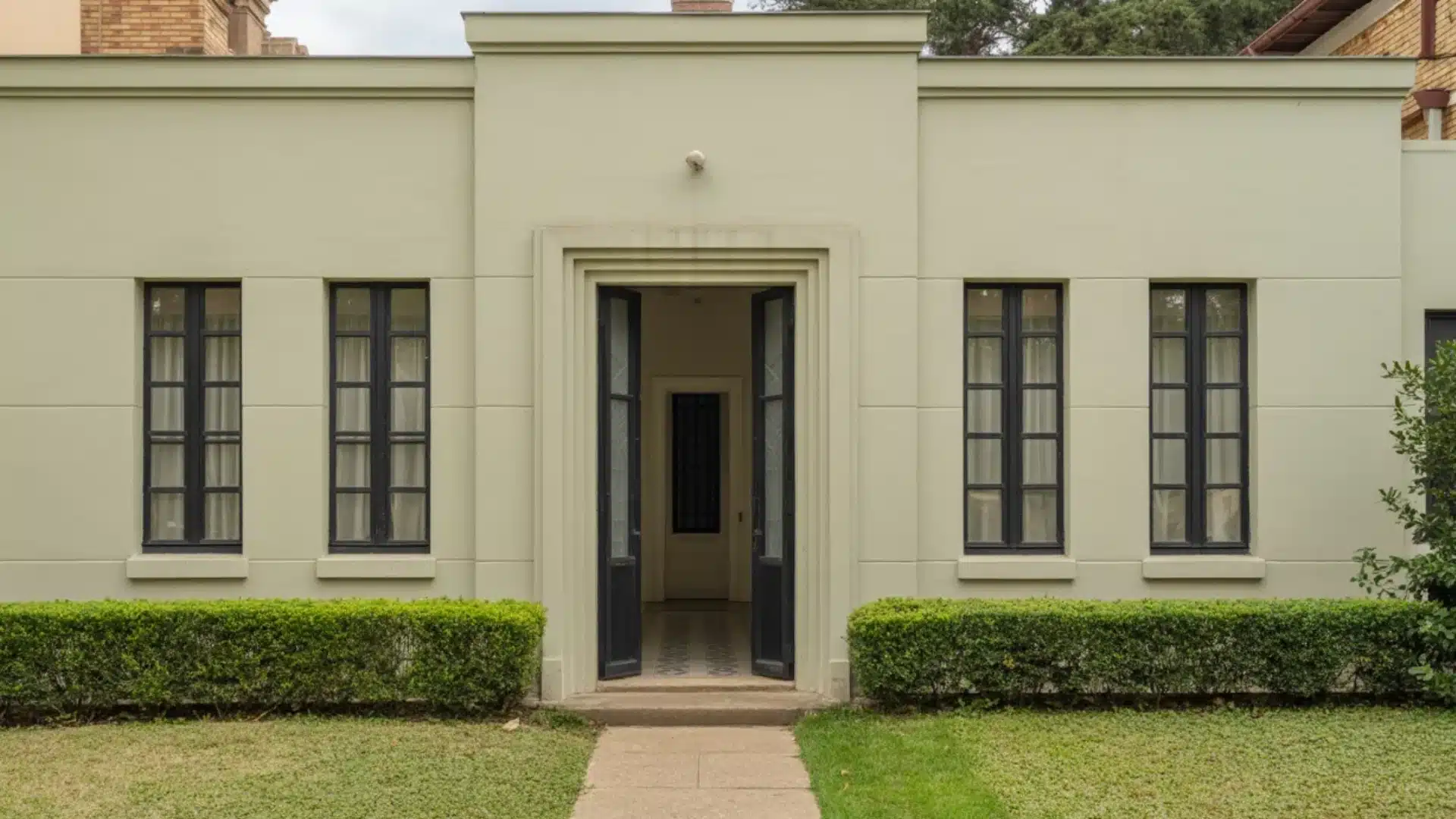
Balanced windows, a centered entrance, and matching landscaping on both sides give the home a strong, deliberate presence.
One common mistake here is breaking the symmetry with mismatched garage doors or uneven plantings.
It seems minor, but it kills the effect immediately.
3. Decorative Metal Railings
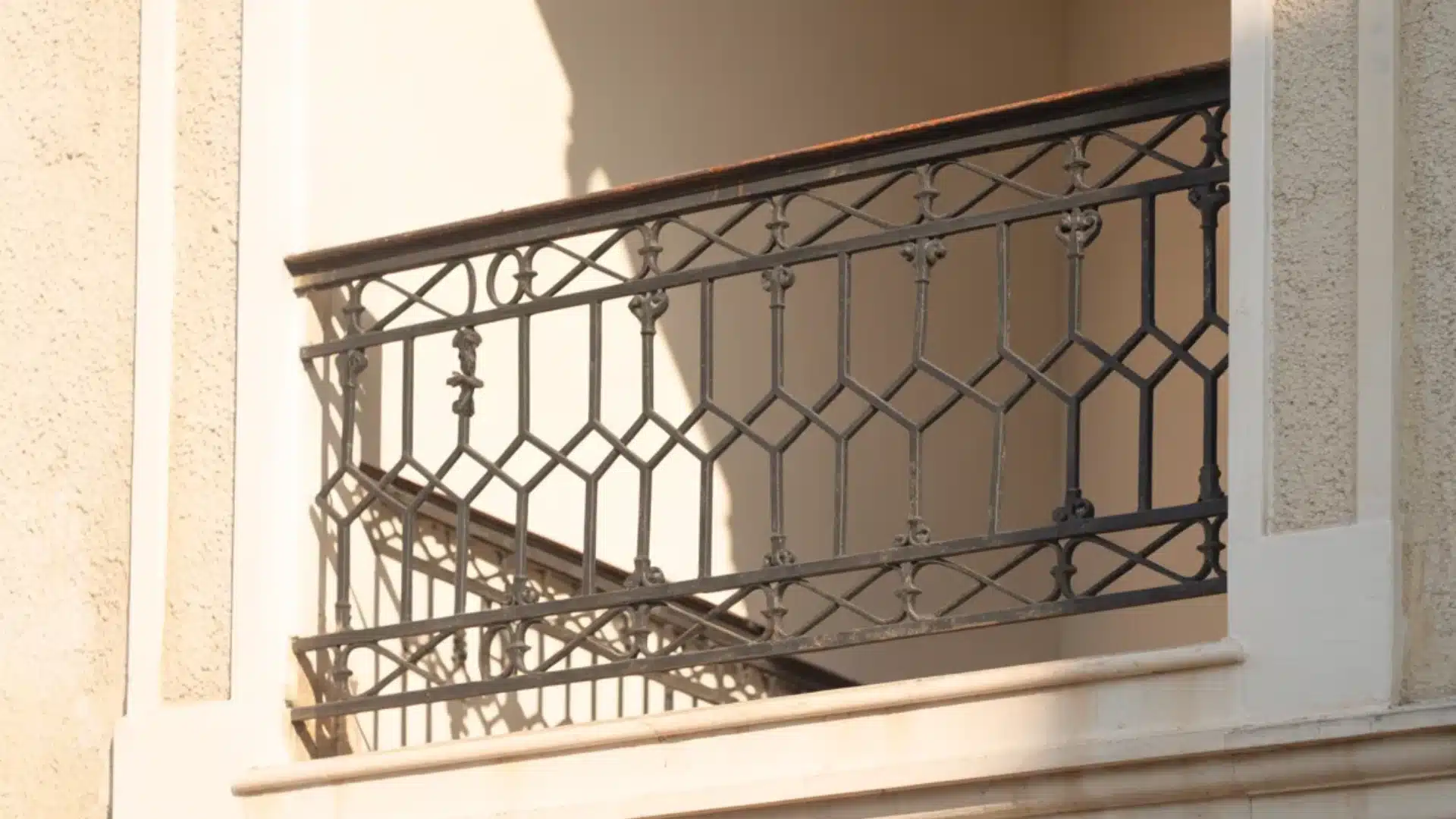
Geometric iron railings on balconies and staircases add classic detailing without overwhelming the facade.
Look for angular patterns like stepped forms or interlocking squares rather than scrollwork, which belongs to a different style entirely.
4. Stepped Roofline Design
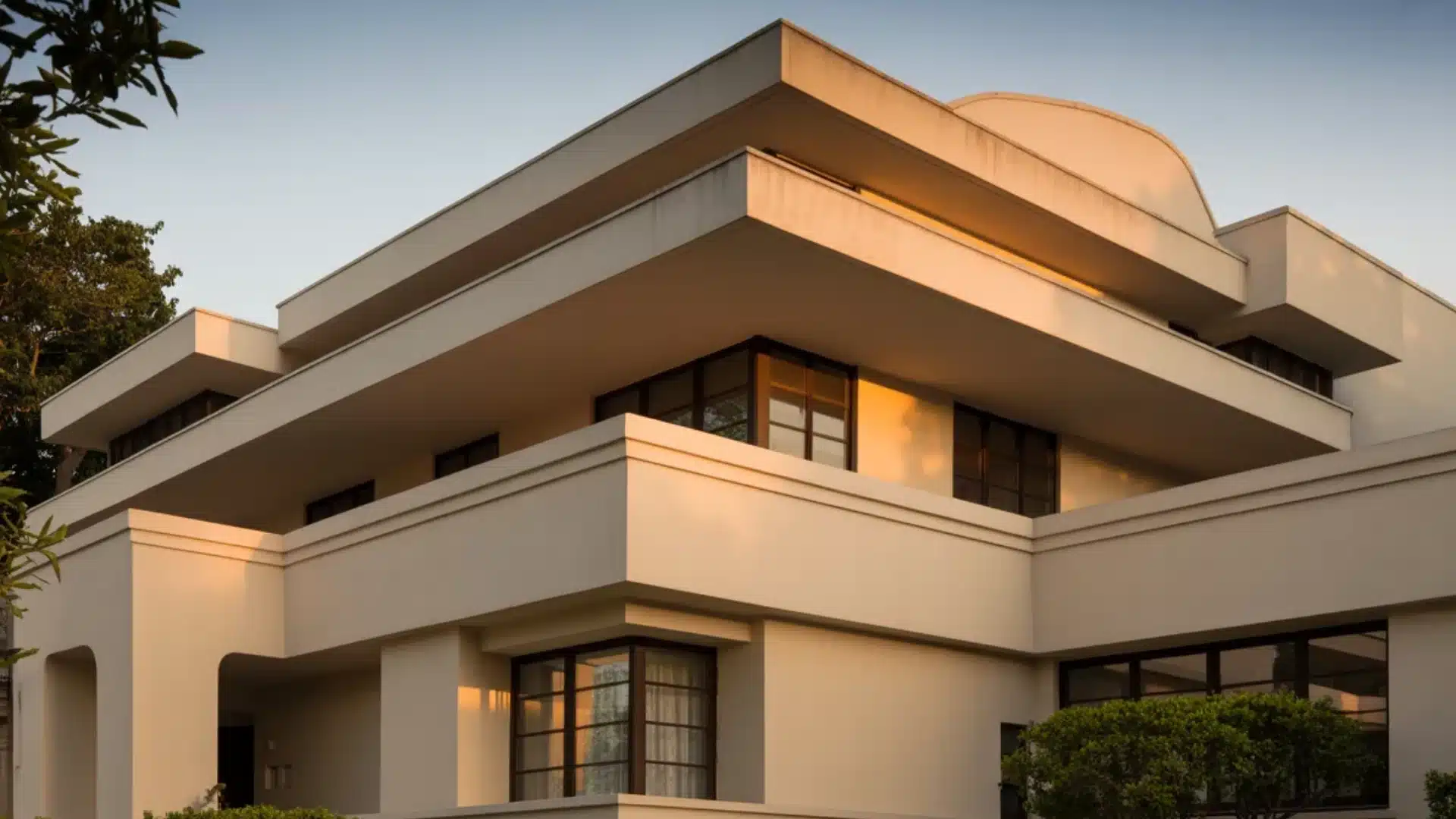
Layered roof levels create height variation and visual interest from the street.
This is a defining feature of many 1930s art deco houses and works particularly well on two-story builds, where the stepping can be expressed across multiple levels.
5. Bold Entry Door with Geometric Glass
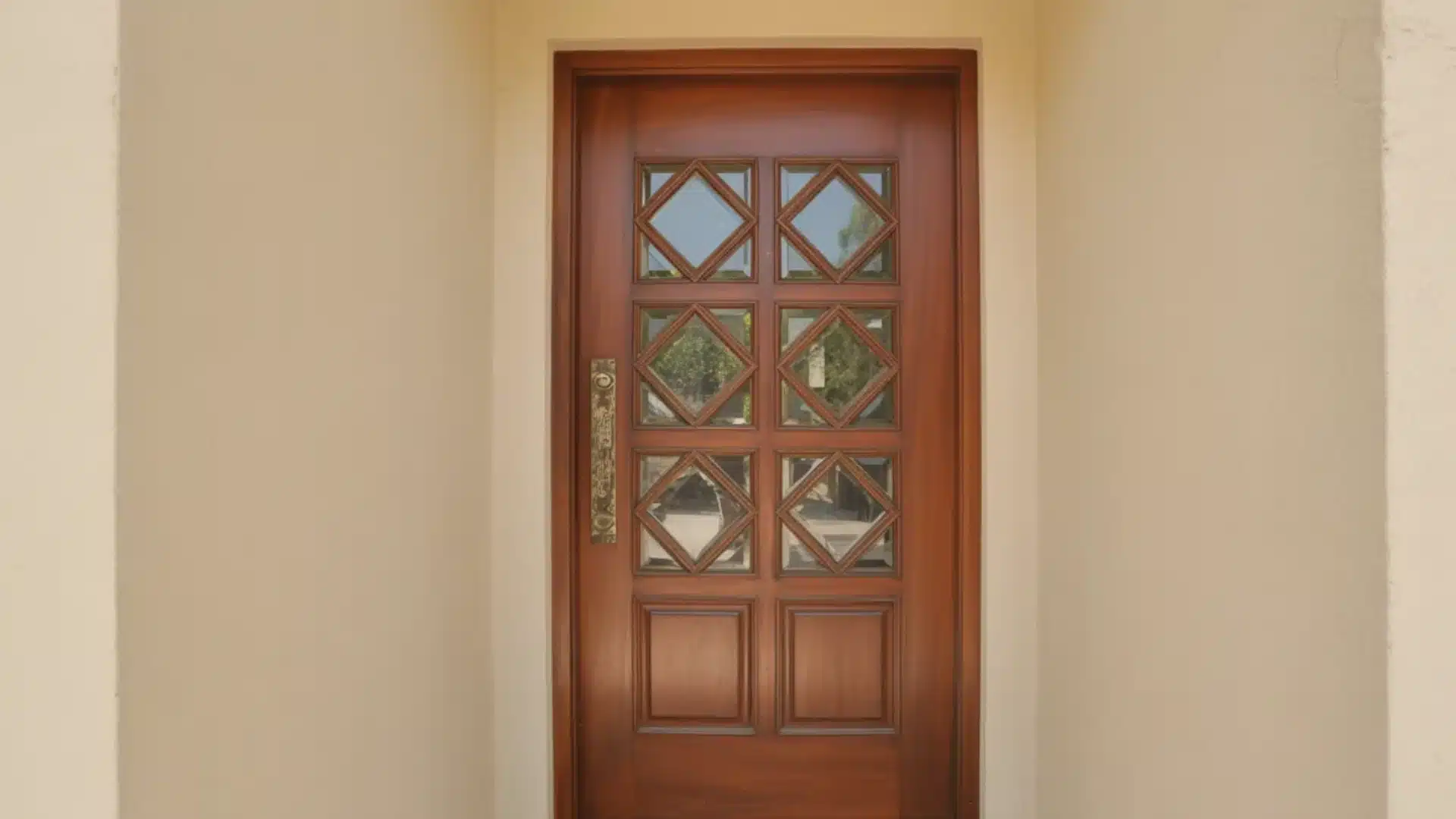
A statement front door with patterned glass panels adds personality right at the entrance.
Sunburst or fan-shaped glass inserts are period-accurate and still look sharp today.
Pro Tip: According to architect Annabelle Selldorf, the entry point of any of this iconic style should function as a visual anchor. If the door blends into the wall, the whole facade loses its focal energy.
Modern Art Deco House Interior: How to Get the Look Without Going Overboard
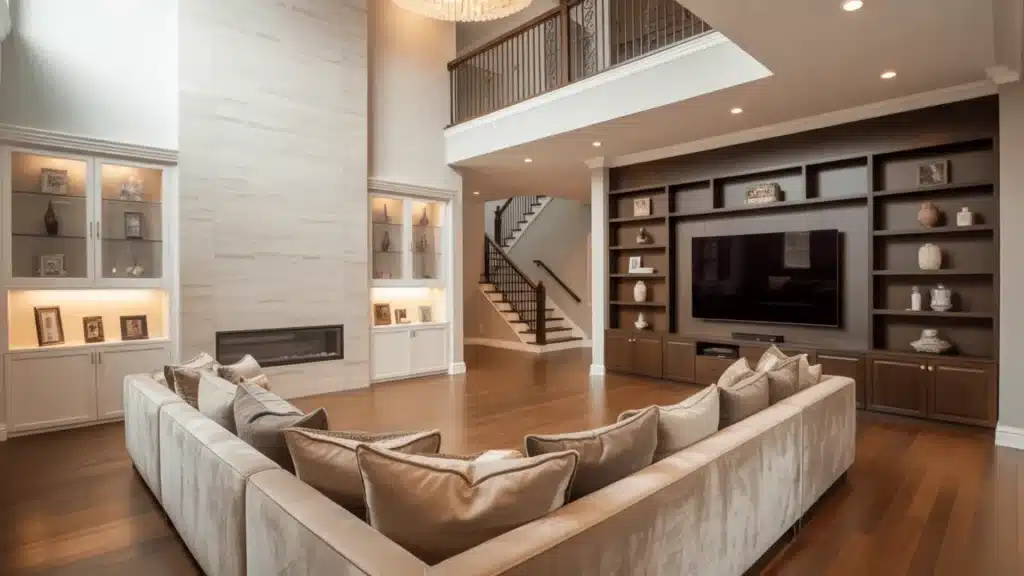
Modern art deco is about keeping the structure and ditching the excess. It’s the same design logic, applied with a lighter hand.
6. Neutral Base with Metallic Accents
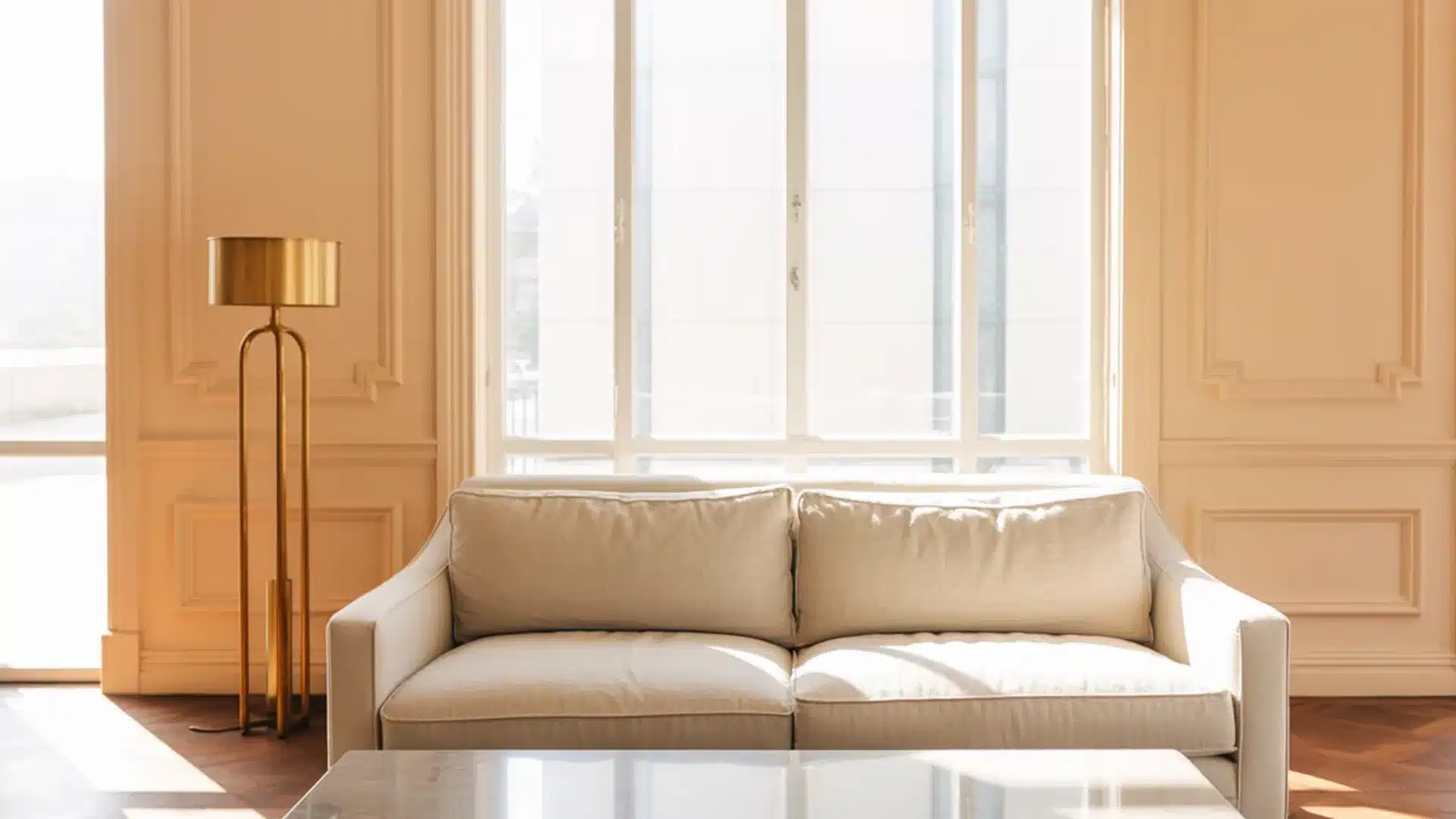
Soft neutral walls paired with brass or chrome finishes are the foundation of a modern art deco interior. The mistake most people make is going overboard with the metallics.
A few well-placed brass fixtures go further than an entire room finished in gold.
7. Minimalist Geometric Decor
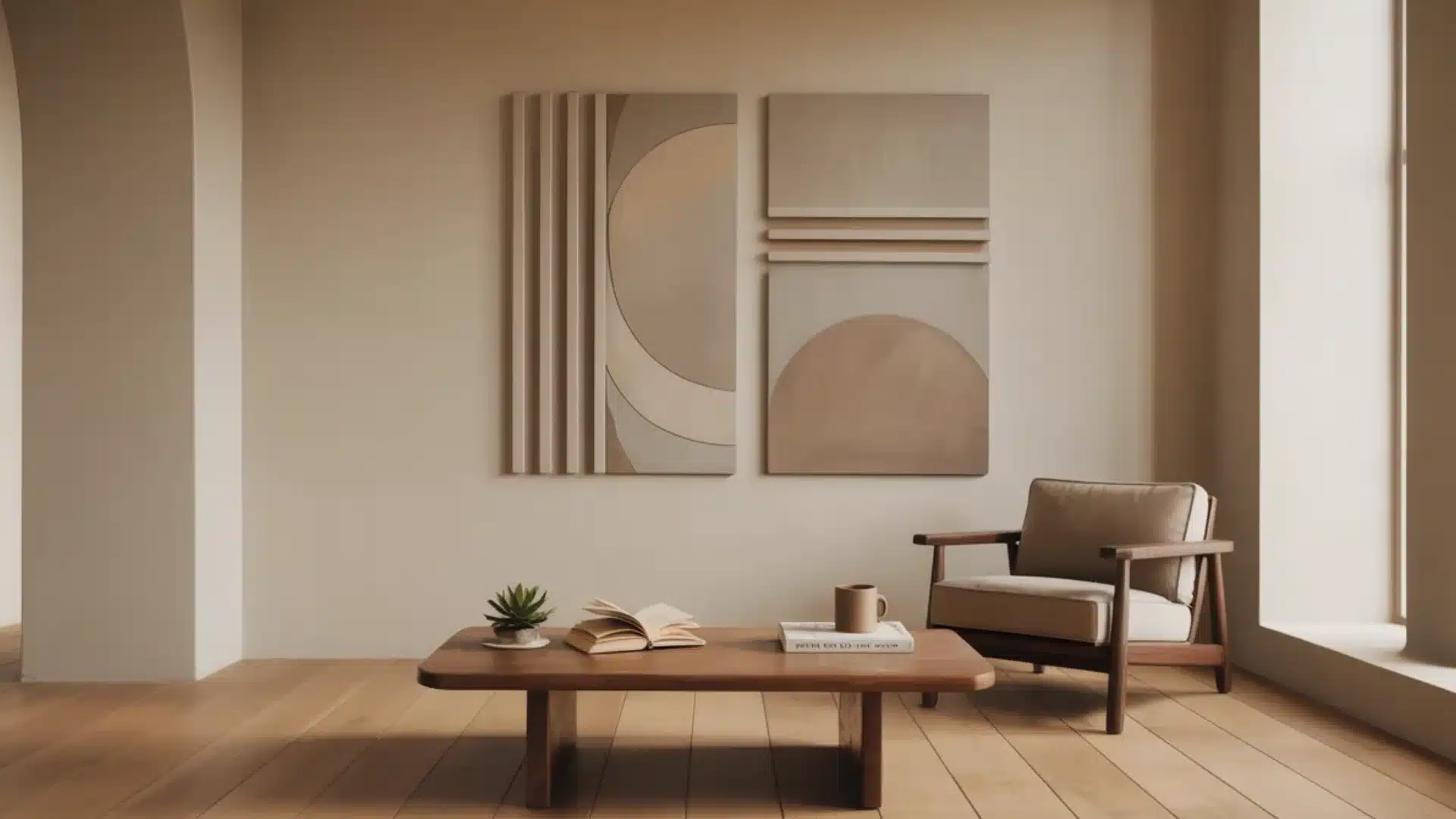
Clean lines, subtle chevron patterns, and structured furniture keep the art deco reference without tipping into maximalism.
Think one geometric rug, one patterned cushion, one angular mirror. Restraint is what separates modern art deco from costume design.
8. Integrated Lighting with Clean Lines
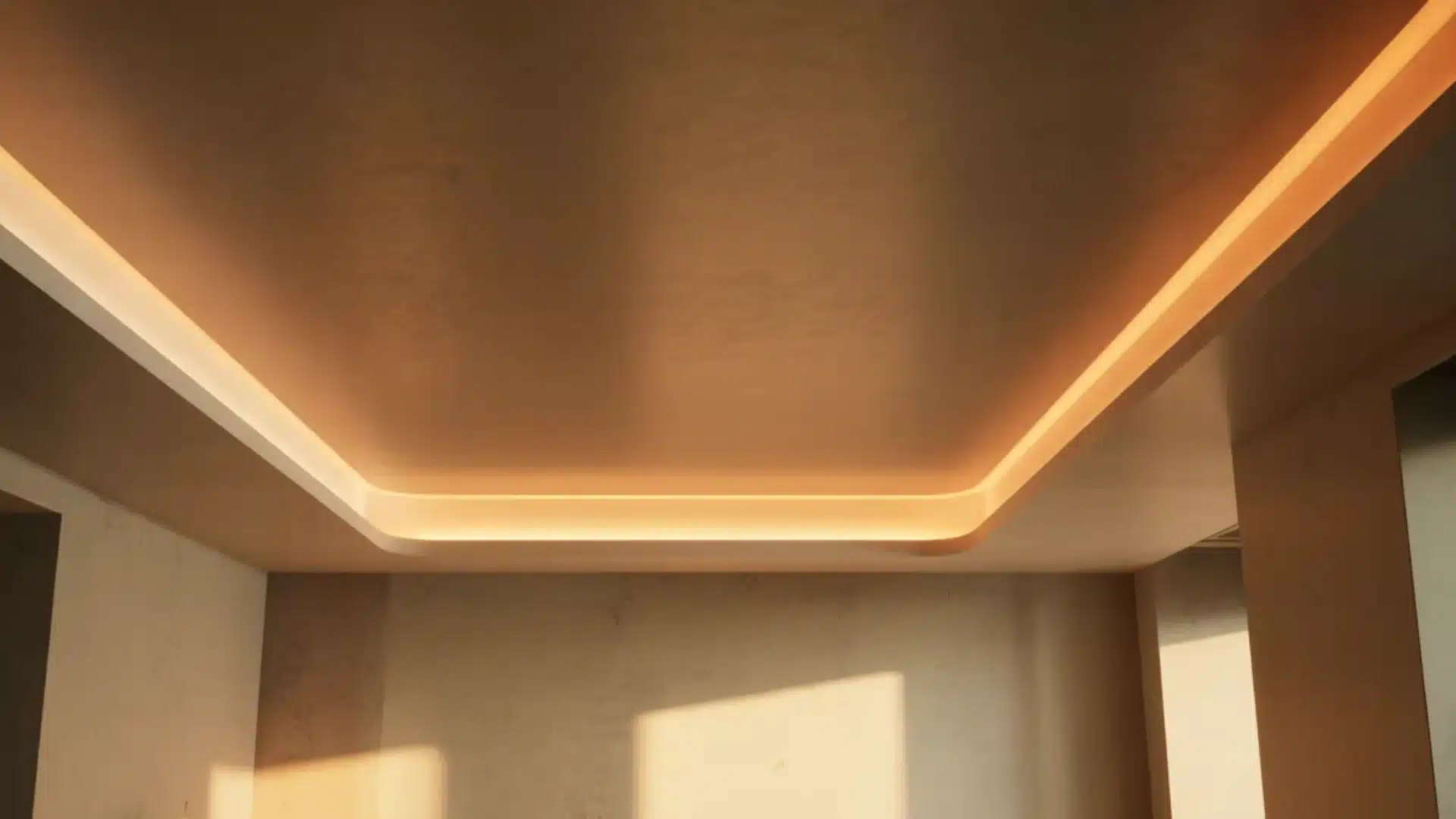
Recessed lighting with geometric trim, or slim-profile sconces flush to the wall, keeps the modern feel in these homes rather than being cluttered.
Hidden lighting that washes a wall with light works especially well behind stepped architectural details.
9. Mixed Materials for Contrast
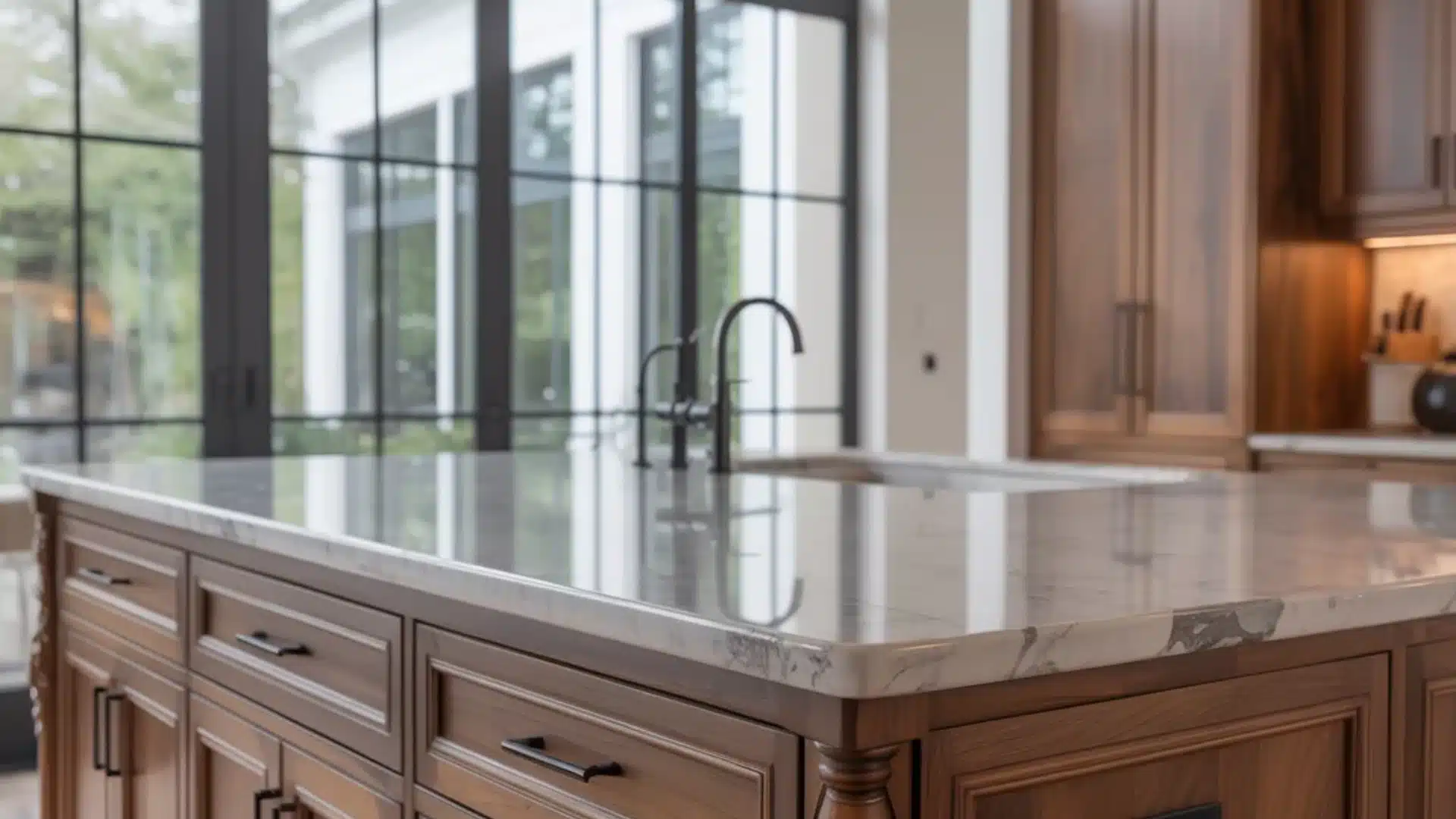
Wood, glass, and metal together create the layered finish that defines modern art deco interiors.
The key is contrast.
Matte wood against polished chrome. Frosted glass against dark lacquer.
- Pair oak veneer with brushed brass hardware
- Use smoked glass as a room divider or cabinet front
- Add a marble surface against a dark lacquered base
10. Open Layout with Defined Zones
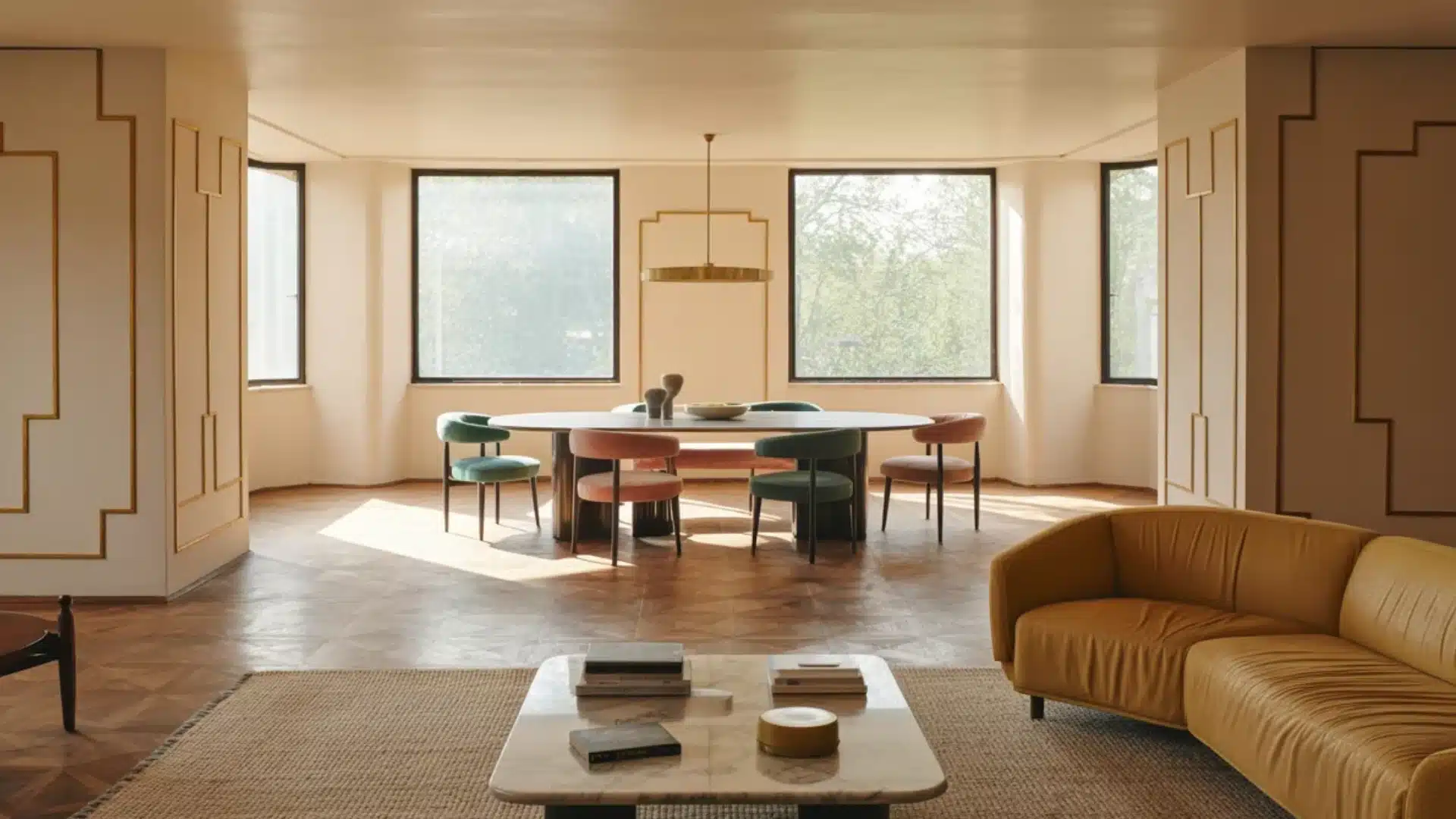
Open-plan living works well in a modern setting when zones are clearly defined.
Use a geometric area rug to anchor the living area, a pendant light to mark the dining zone, and consistent materials throughout to tie it together.
Art Deco House 1920s: The Original Glamour
The 1920s version of Art Deco is the most ornate. It was designed to impress, and it still does.
11. Rich Color Interiors with Deep Tones
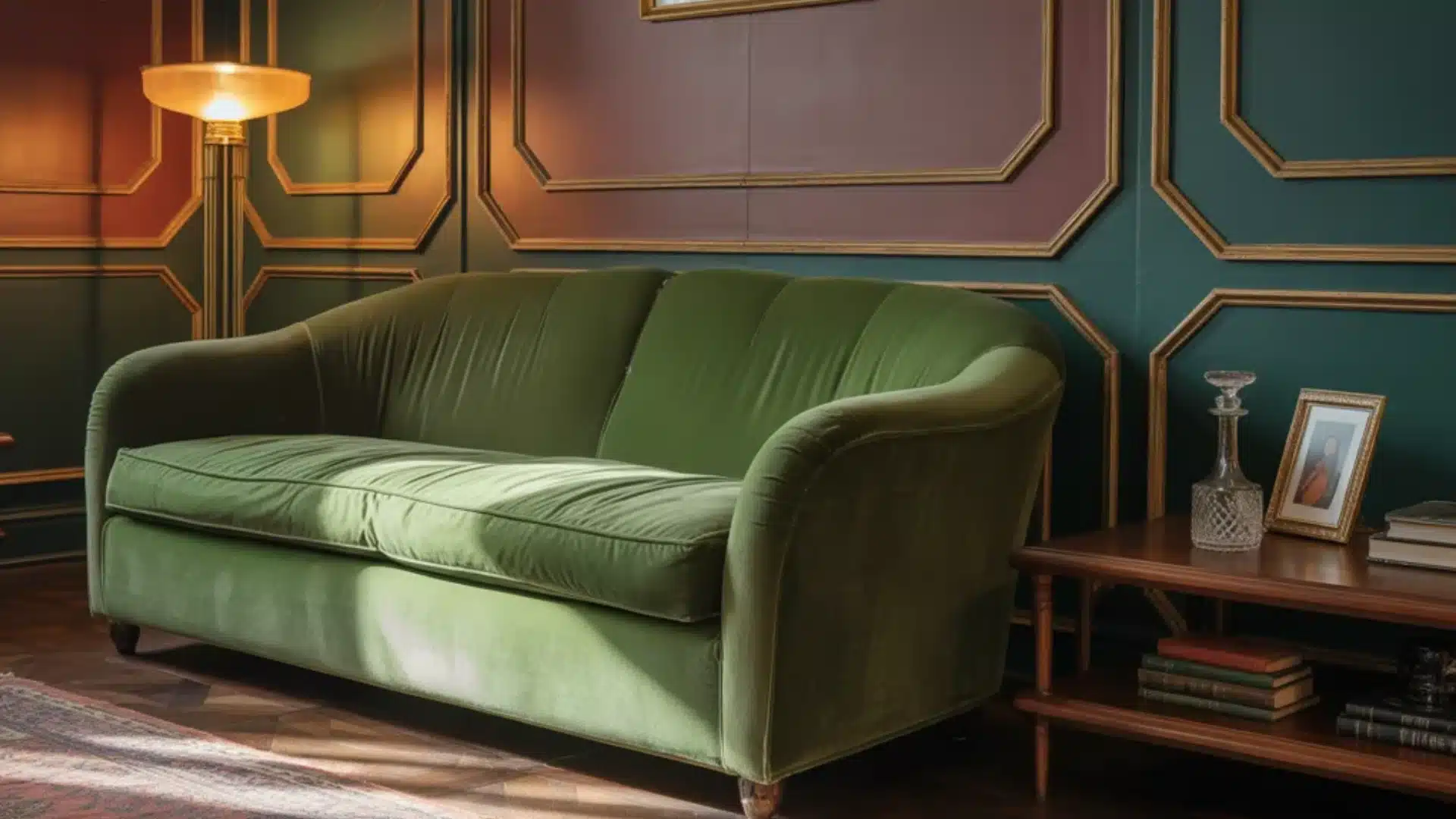
Burgundy, navy, forest green, and black were the go-to shades of 1920s art deco interiors.
These colors were used simultaneously on walls, upholstery, and flooring. The result felt layered and intentional, never flat.
12. Ornate Wall Detailing
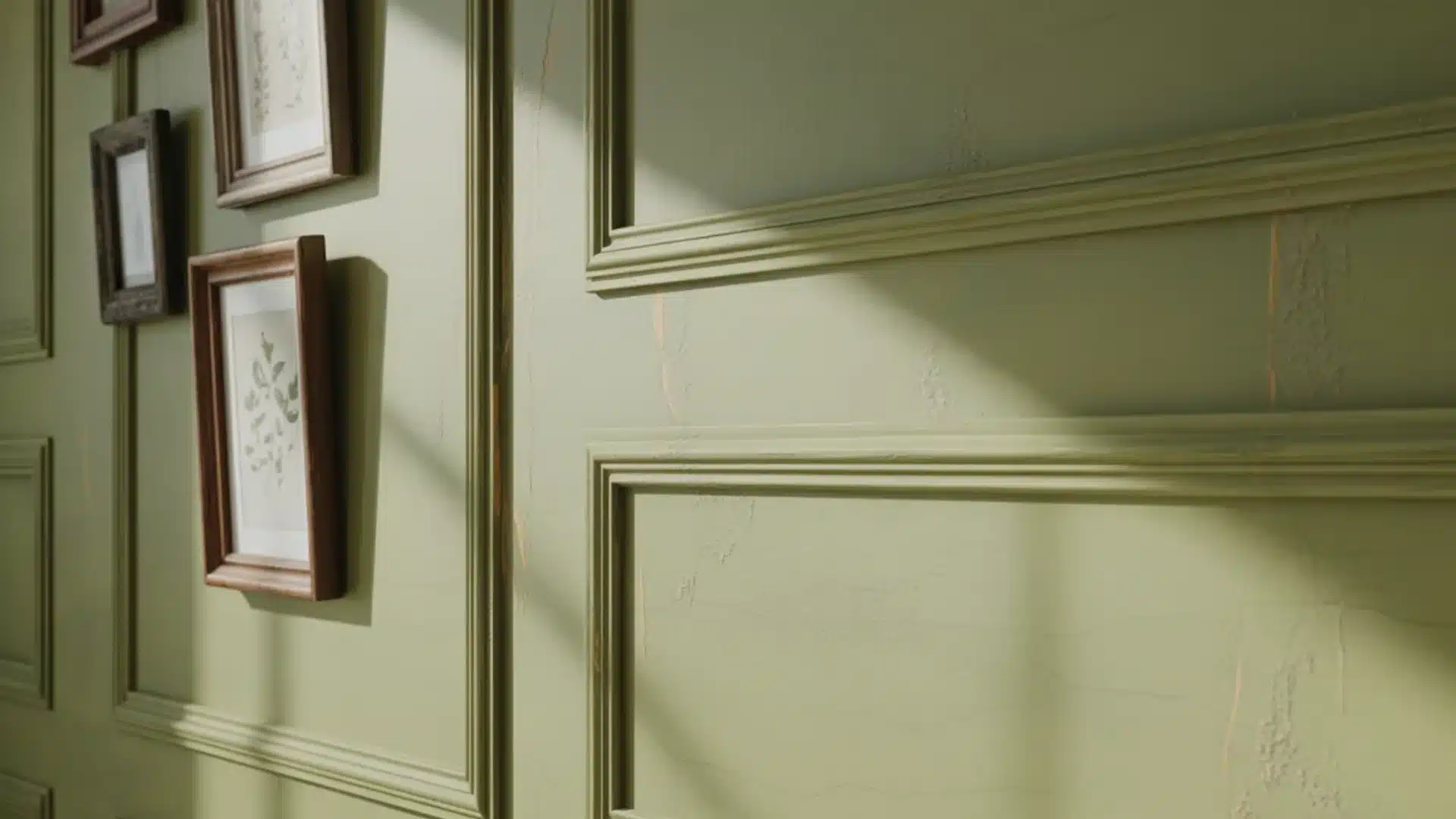
Decorative trims, geometric wall panels, and plasterwork with angular motifs are all period-accurate to the 1920s.
A common mistake is using Victorian-style molding instead. The profiles need to be sharp and geometric, not curved or floral.
13. Luxurious Fabrics and Upholstery
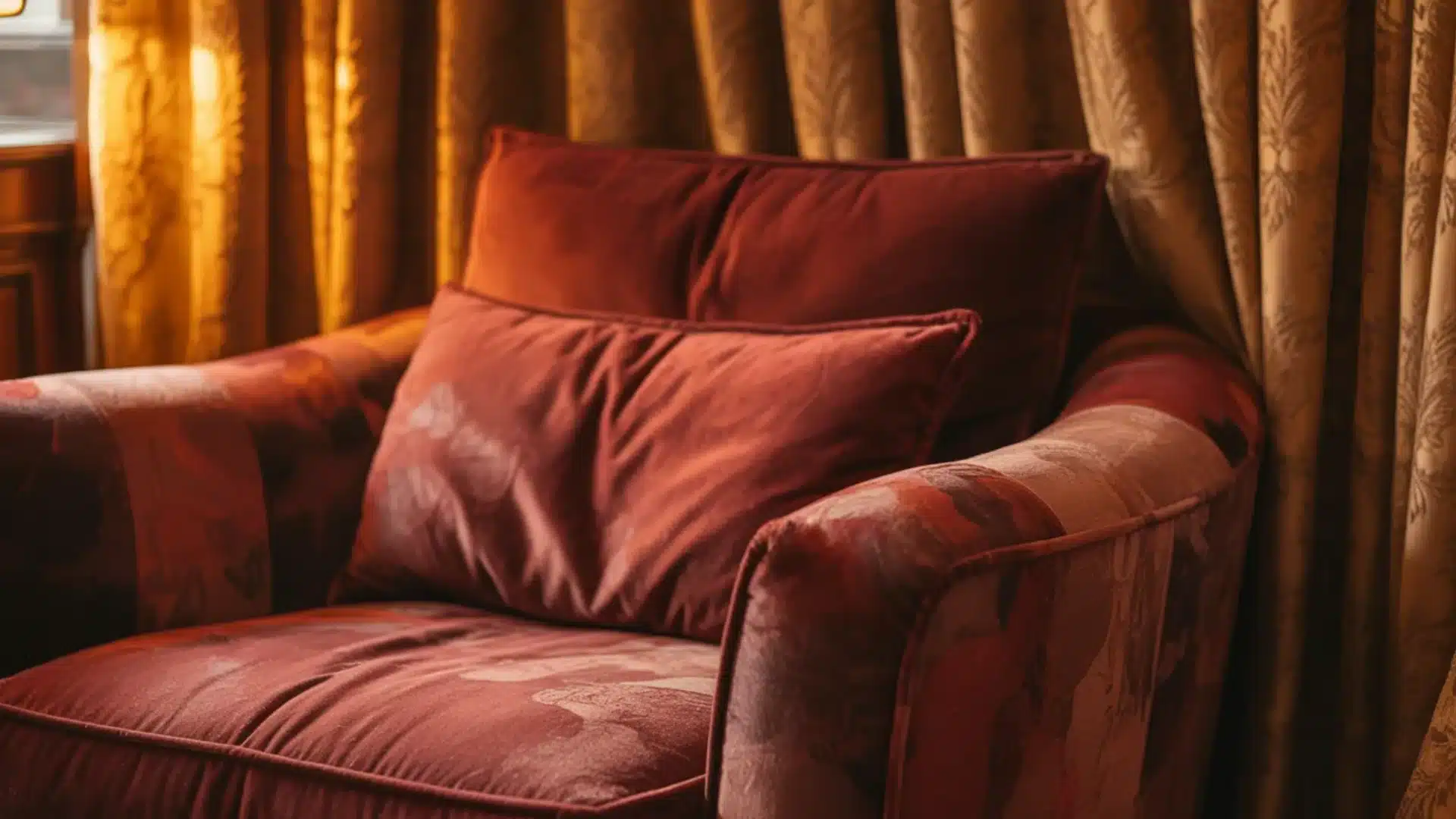
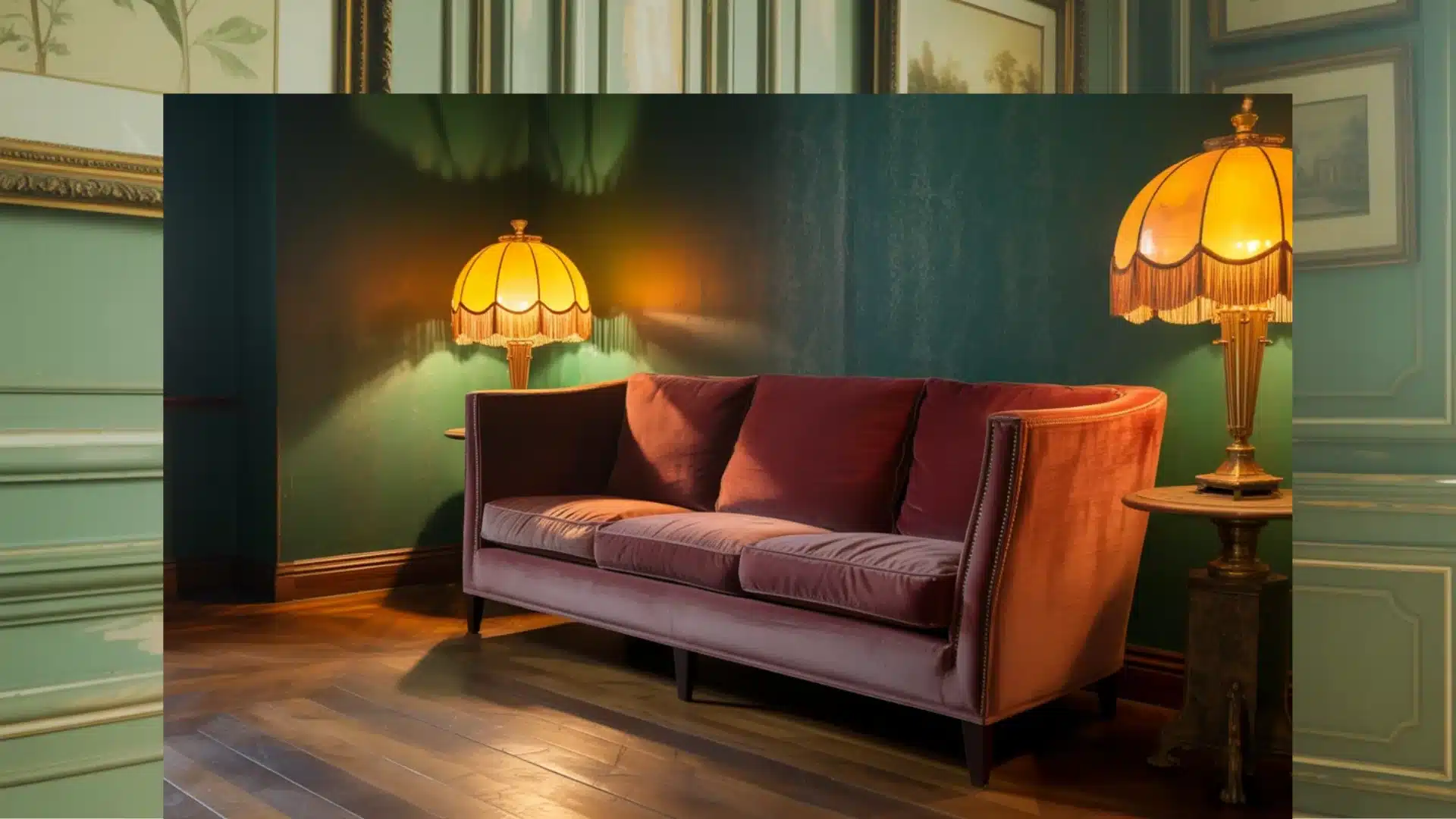
Velvet sofas in deep jewel tones, silk drapes, and embroidered cushions were standard in 1920s old money coded interiors.
These fabrics add visual weight to a room and work particularly well against lacquered or mirrored surfaces.
- Deep teal or emerald velvet for seating
- Silk panels in gold or ivory for window treatments
- Geometric embroidery on cushions and throws
14. Bold Patterned Flooring
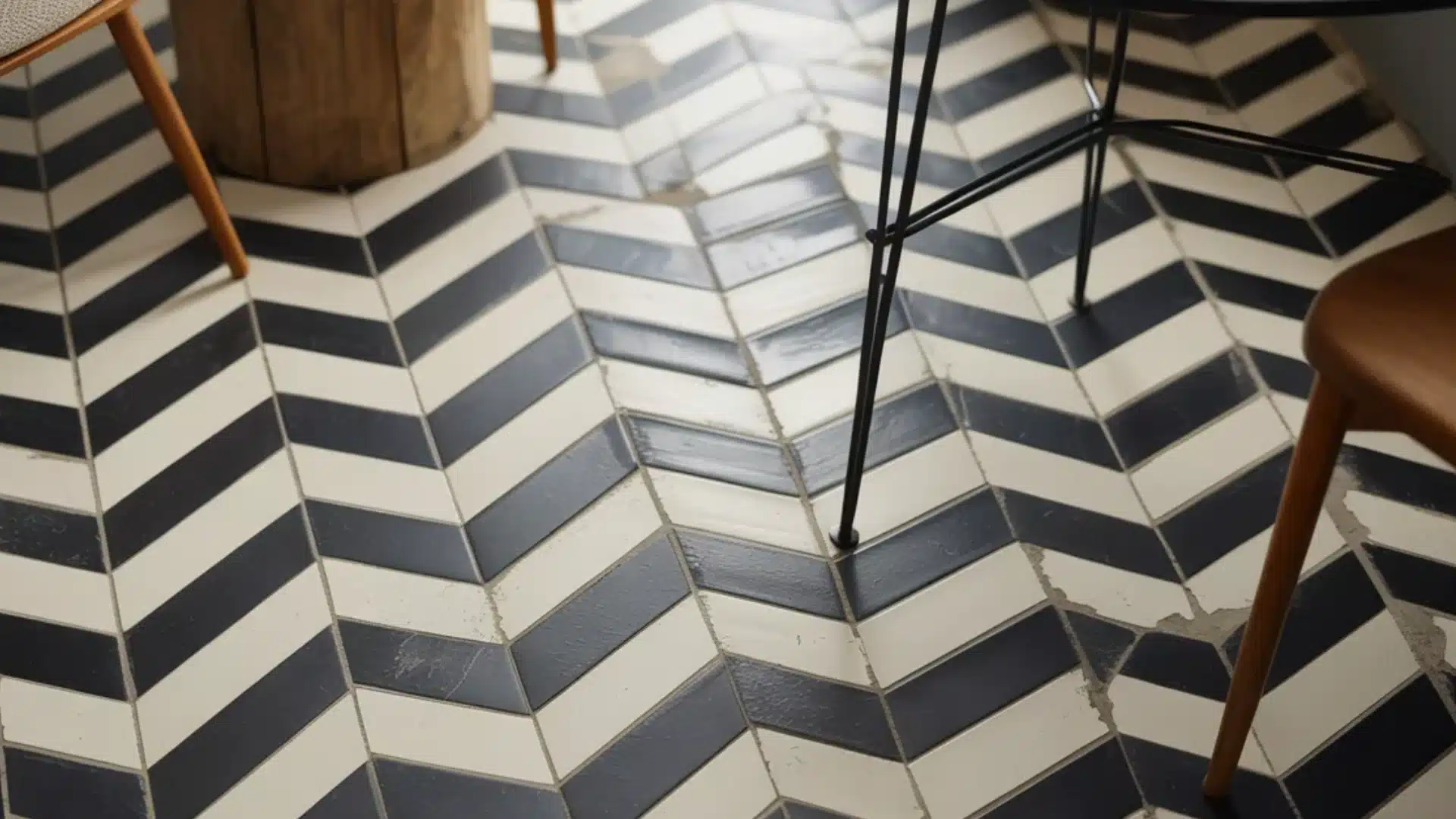
Black and white tile in chevron or checkerboard layouts is one of the most copied 1920s art deco moves for good reason.
It grounds the entire room and works with almost every color on the walls above it.
15. Statement Chandeliers
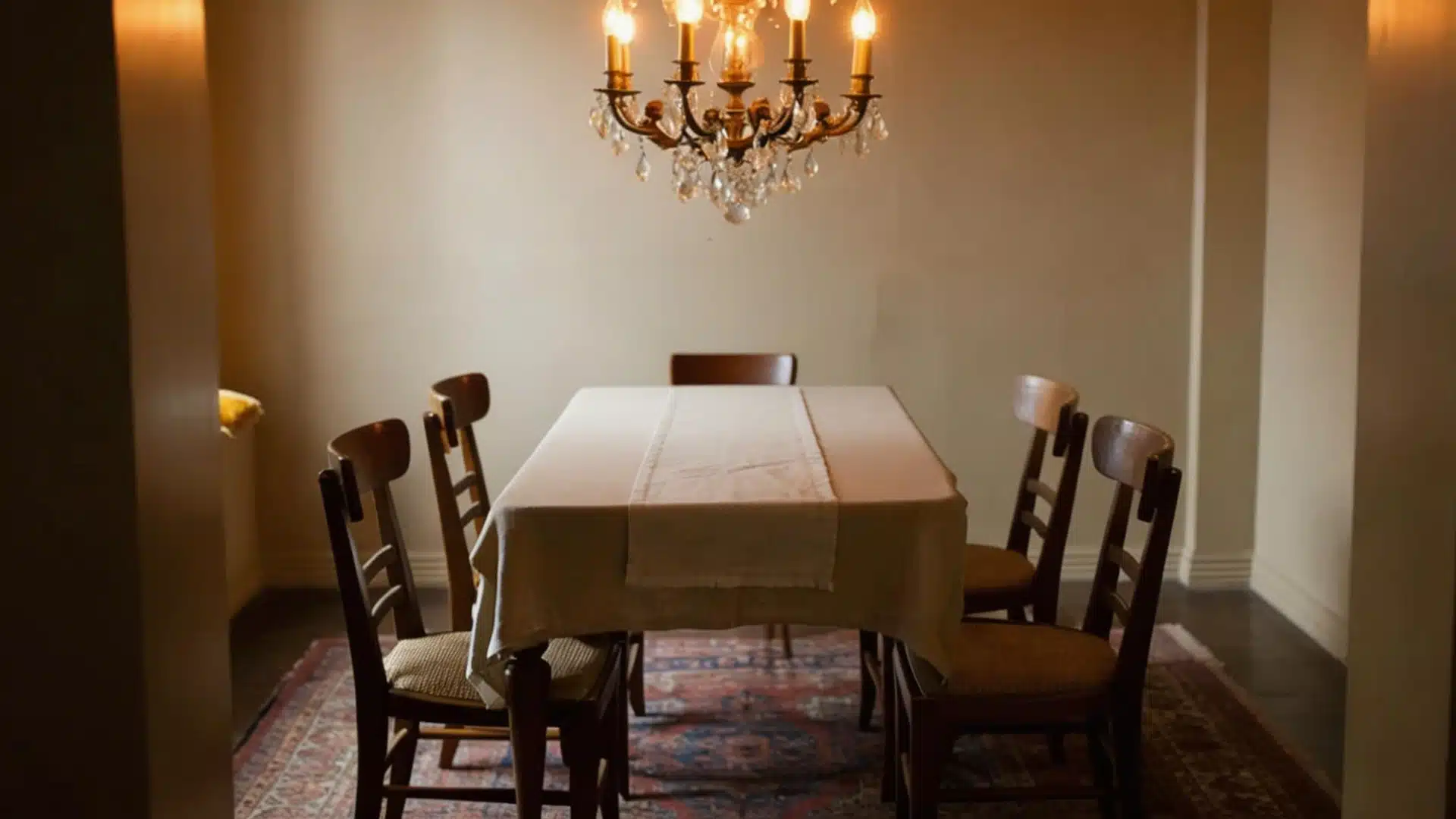
Large, multi-tiered chandeliers in frosted glass or polished chrome were the centerpiece of 1920s art deco rooms. They weren’t just lighting.
They were the first thing you looked at when you walked in.
Pro Tip: Interior historian Cara Greenberg notes that 1920s art deco lighting was designed to be seen even when switched off. Choose a fixture that reads as sculpture first and light source second.
Art Deco House Interior 1930s: When the Style Grew Up and Got Serious
By the 1930s, Art Deco had evolved.
The ornamentation pulled back slightly, the lines got cleaner, and function started playing a bigger role alongside form.
16. Streamlined Furniture Design
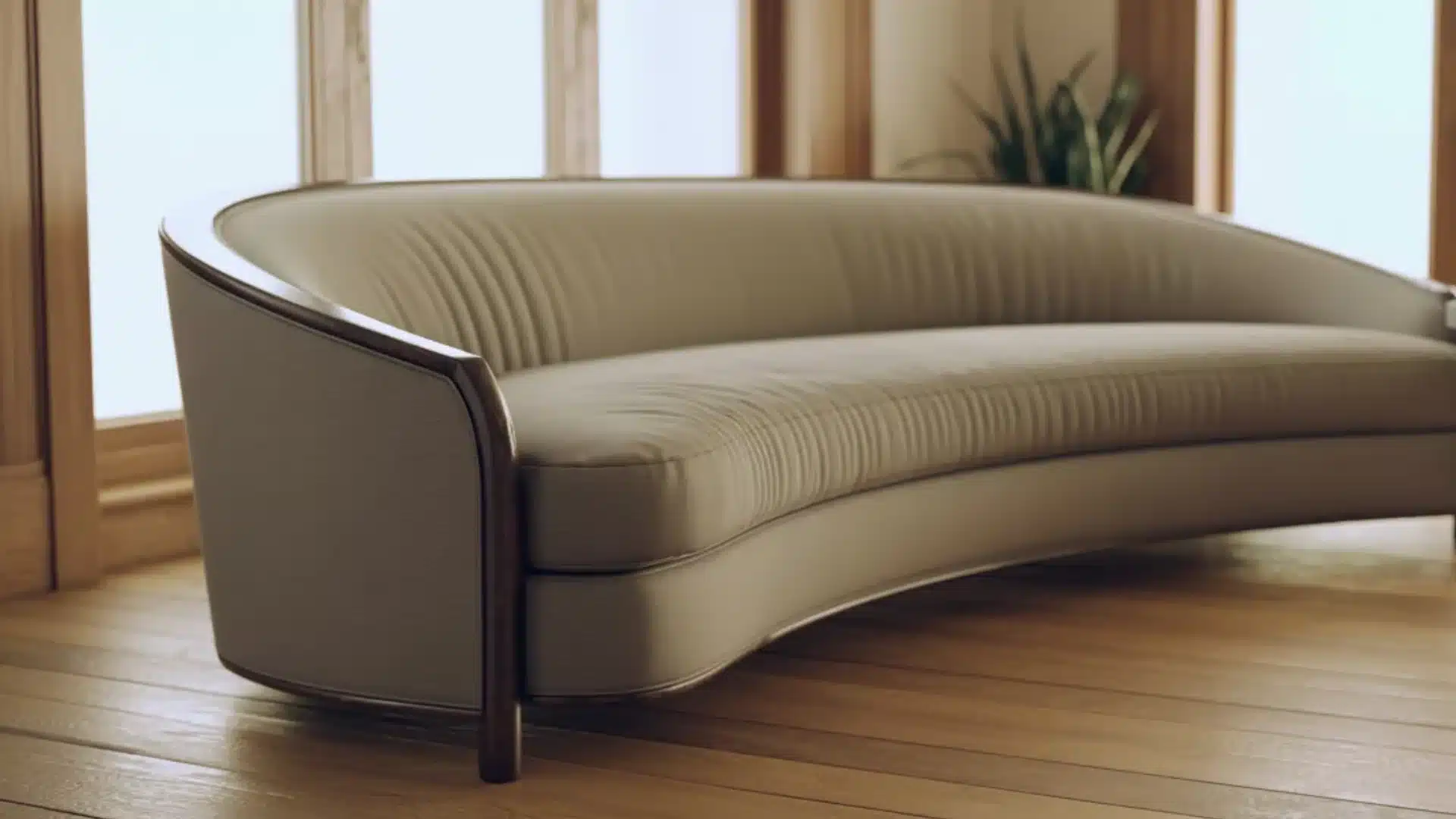
1930s art deco furniture is smoother and less decorative than its 1920s counterpart.
Curved edges replace sharp corners. Upholstery becomes simpler. The overall effect is still glamorous, but more restrained.
17. Softer Color Palettes
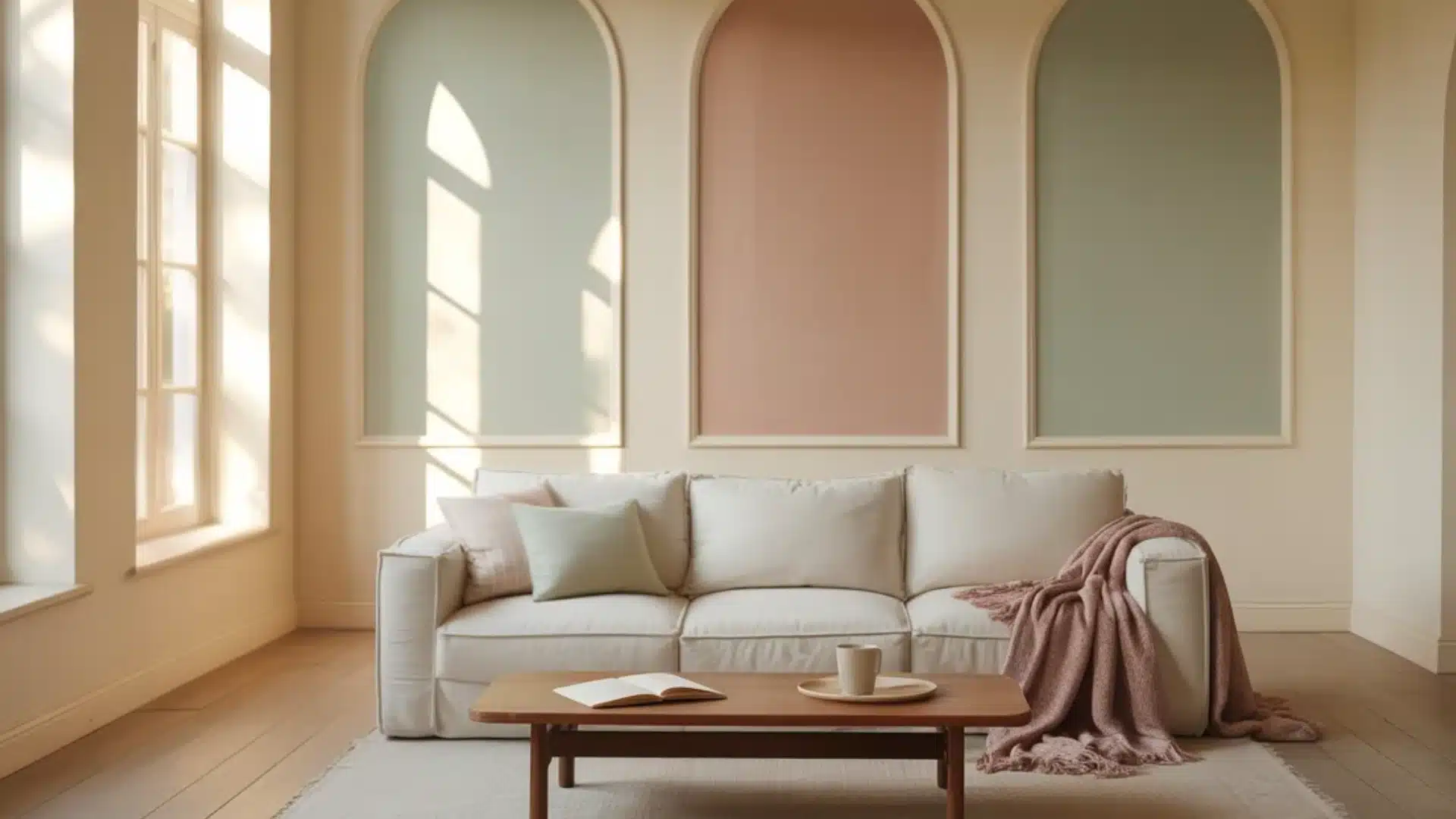
Cream, pale gray, dusty rose, and muted sage replaced the deep jewel tones of the previous decade.
These lighter shades worked well with the natural light that 1930s architecture was starting to prioritize through larger windows.
18. Glass Block Windows
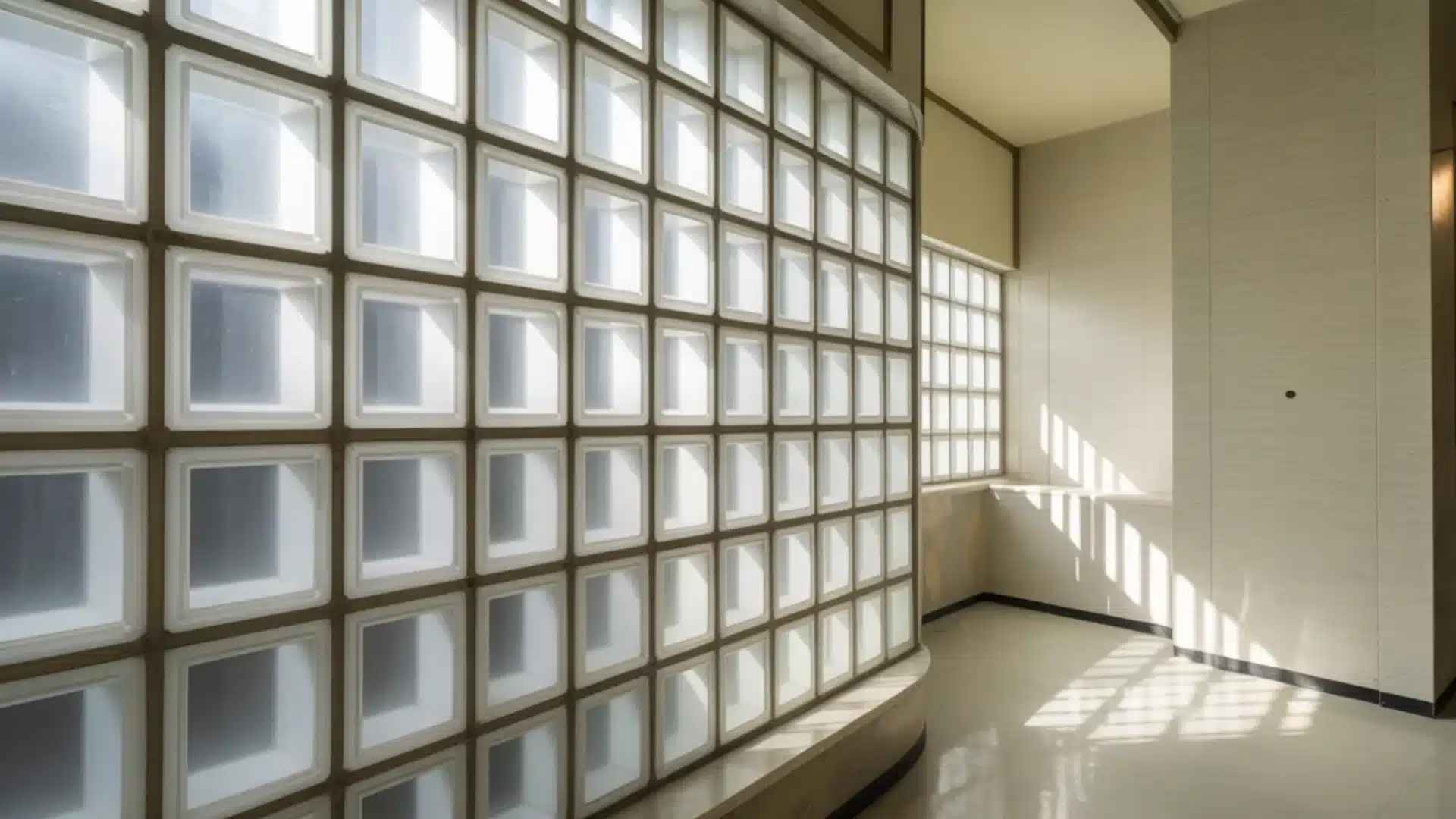
Glass block is one of the most distinctive features of 1930s art deco houses.
It brings in diffused light while maintaining privacy, and the grid pattern adds geometric interest to an otherwise flat wall.
A common mistake is using clear glass here instead. The opacity is part of the point.
- Use glass block in bathrooms, stairwells, or side walls
- Pair with chrome frames for a period-accurate finish
- Avoid colored glass blocks, which read more industrial than Art Deco
Bringing It All Together
An art deco house is one of the few design styles that looks just as sharp today as it did a century ago.
Bold geometry, rich materials, strict symmetry, and high-contrast color make it instantly recognizable and endlessly adaptable.
You don’t need to replicate it exactly.
Pick the features that fit your space, mix periods if it feels right, and let the details do the work.
These home designs reward attention. Put that attention in the right places, and the results speak for themselves.
Frequently Asked Questions
1. What is the Best Paint Finish for an Art Deco House?
Satin or semi-gloss finishes work best as they reflect light and complement Art Deco’s high-contrast color palettes.
2. How Much Does It Cost?
Custom art deco builds typically run higher than standard construction due to decorative detailing and premium material requirements.
3. Can You Add Art Deco Elements to a New Build?
Yes, geometric railings, stepped rooflines, and bold entry doors can all be added without committing to a full period-accurate design.
4. What Landscaping Works Well With These Houses?
Symmetrical layouts with clipped hedges, geometric pathways, and minimal planting beds best suit the Art Deco exterior’s structure.
5. Which Furniture Styles Pair Best With Art Deco Interiors?
Mid-century and Hollywood Regency pieces work well, as both share clean lines, rich upholstery, and a preference for statement furniture.