
A house hunt can go two very different ways.
One of my friends picked a neighborhood, signed the papers, and got the keys all in under 30 days.
No waiting. No back-and-forth with builders. The house was already done.
But another friend of mine went a completely different route. He spent nearly a year deciding everything from the floor plan to the cabinet handles.
Spec home and Custom home. Two homes. Two totally different experiences.
Which one is worth it?
That depends on what you actually need, and that’s exactly what this blog gathers.
Overview: Spec Home vs Custom Home
Buying a home means making one of the biggest financial decisions of your life.
Before you start comparing prices and locations, it helps to know what kind of home you’re actually buying.
What is a Spec Home?
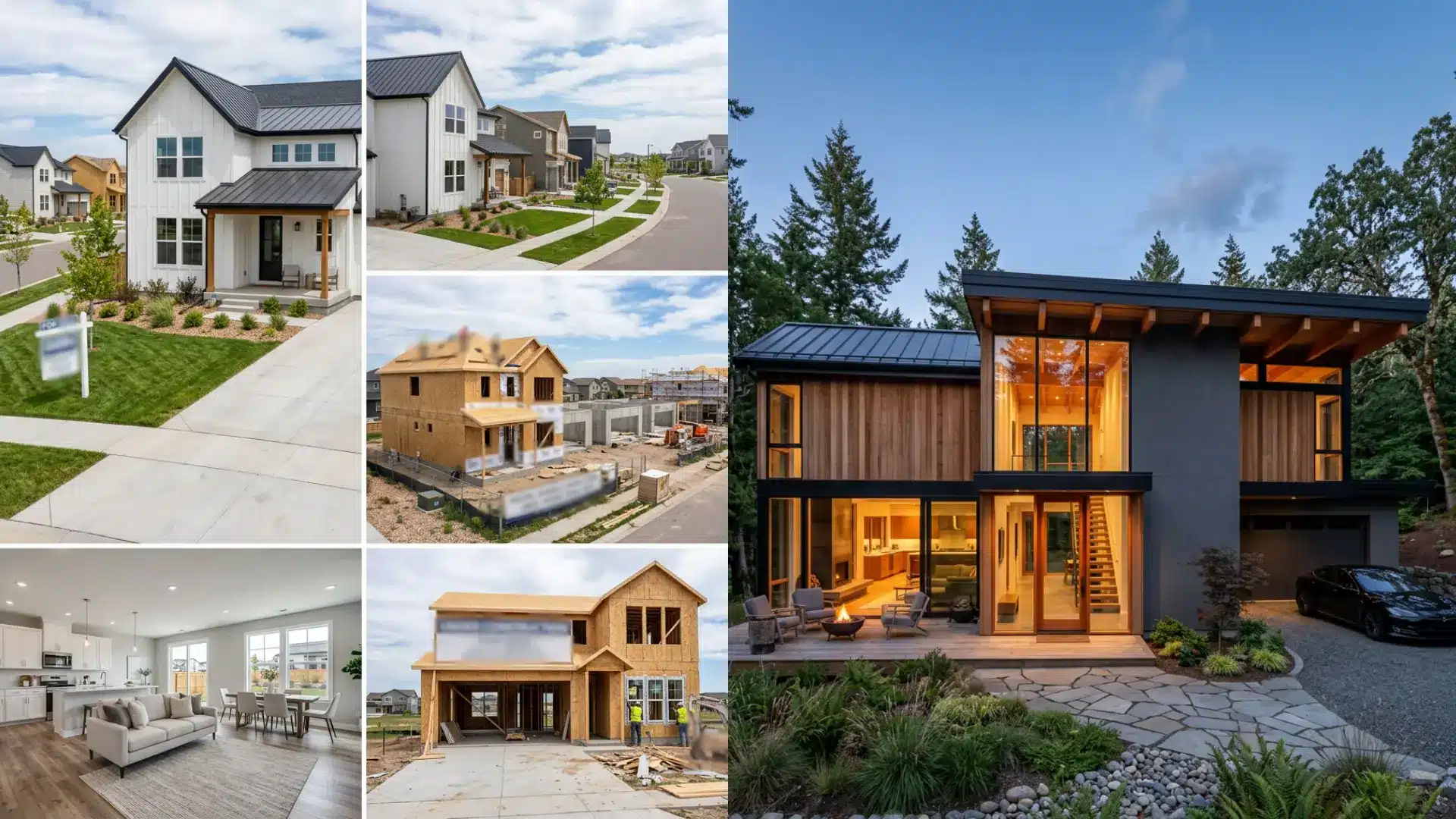
A spec home, short for speculative home, is built by a developer without a specific buyer in mind.
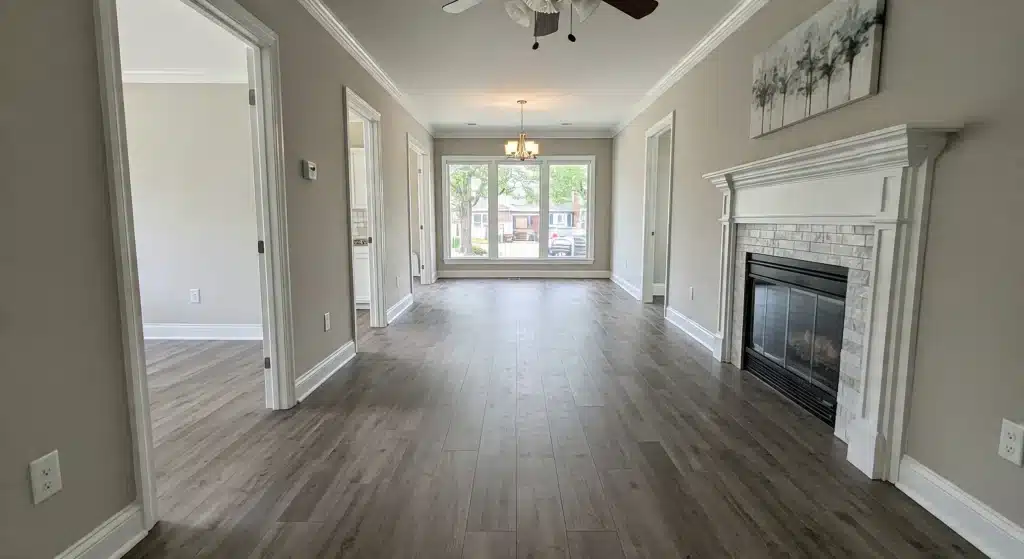
The builder makes all the design choices upfront and puts the finished home on the market. You buy what’s already there. It’s a short process with little to no room for personal input on finishes or layout.
What Does a Custom Home Mean?
A custom home is built specifically for you. You work directly with a builder or contractor from the ground up.
Every detail of the floor plan, the materials, and the room sizes gets decided by you.
It takes longer and costs more, but the end result reflects exactly what you wanted from the start.
Cost Over Time: Spec Home vs Custom Home
This plays a big role in the decision, and it’s not just about the upfront price tag.
| Cost Factor | Spec Home | Custom Home |
|---|---|---|
| Purchase Price | $250,000 – $400,000 | $400,000 – $1,000,000+ |
| Land Cost | Included in price | $50,000 – $200,000 separately |
| Financing Type | Standard mortgage | Construction loan required |
| Unexpected Costs | Minimal | Change orders add $10,000–$50,000 |
| Maintenance Costs | $1,000 – $3,000/year | $500 – $1,500/year (quality build) |
| Resale Value | Steady appreciation | Higher potential return |
| Long-term Value | Depends on location | Reflects personal investment |
Are Spec Homes Cheaper in The Long Run?
Not always. Spec homes cost less upfront, but they come with trade-offs.
You may end up spending on renovations to get the home closer to what you actually want. Upgrades, repairs, and fixes to someone else’s choices add up over time.
A custom home, built to your exact needs, often requires less spending down the road.
So while the initial price tag on a spec home looks friendlier, the long-term costs can quietly close that gap.
What is the Difference Between a Spec and a Custom Home
The difference goes beyond just who makes the design choices.
It touches on cost, timeline, land ownership, and the level of involvement you have throughout the building process. A spec home is already sitting there, ready to go.
A custom home starts as an empty lot and takes shape over several months, shaped by your decisions.
- Land: Custom home buyers usually purchase the lot separately. Spec homes include the land.
- Timeline: Spec homes close faster. Custom builds can take 12 to 18 months or longer.
- Cost control: Custom homes carry more financial risk due to change orders and material costs.
- Design input: Spec homes offer little to no. Custom homes give you full say.
- Financing: Spec homes use standard mortgages. Custom builds often require construction loans.
Floor Plan
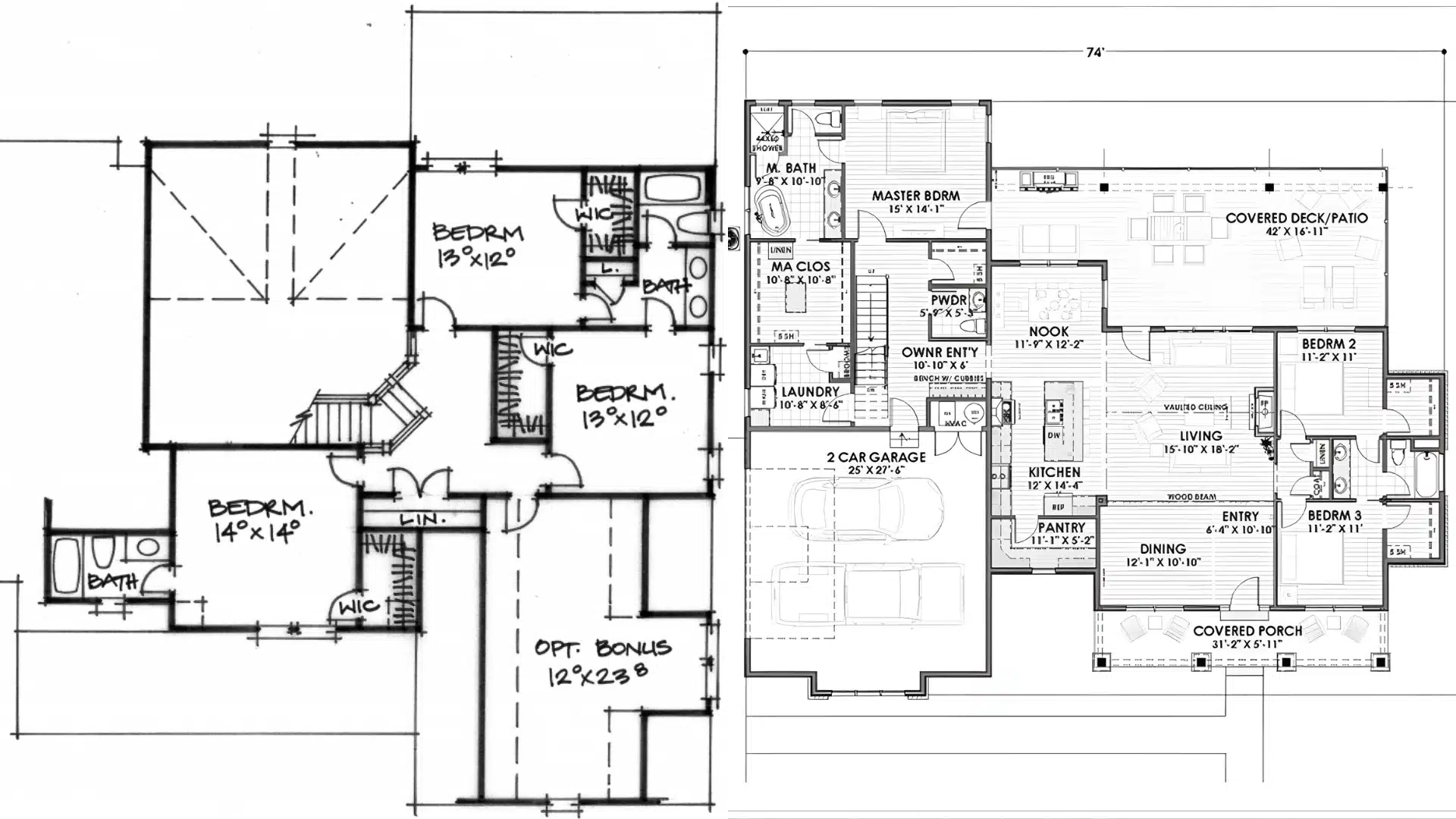
A spec home comes with a fixed floor plan. You work around it.
A custom home starts with a blank page. You decide where every wall, room, and hallway goes. For families with specific space needs, that freedom makes a real difference.
Kitchen
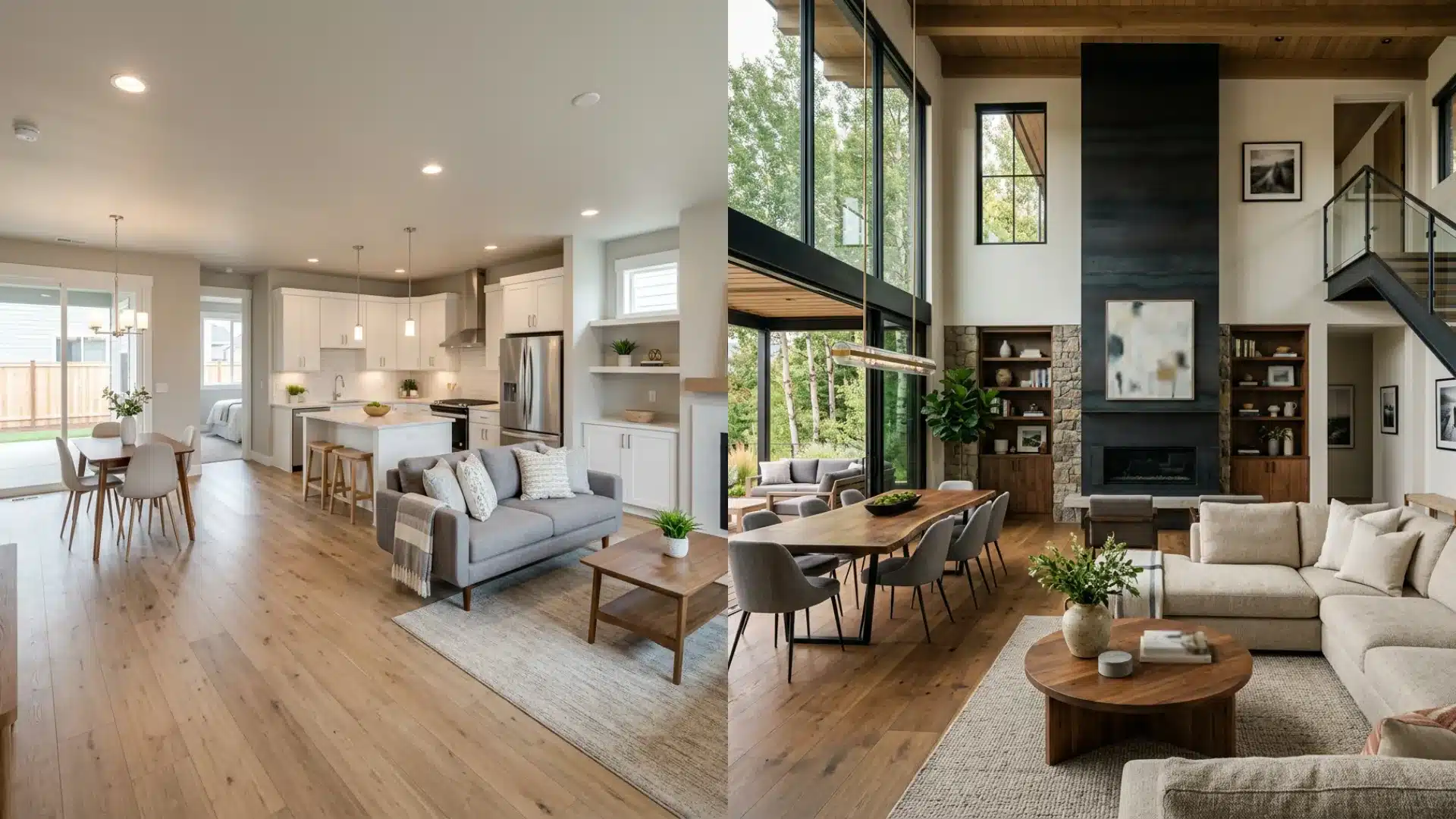
Spec home kitchens are functional but standard.
Cabinets, countertops, and appliances are pre-selected by the builder. In a custom home, you choose every detail from the cabinet style to the sink placement.
It ends up feeling like your kitchen, not just a kitchen.
Bathrooms
Spec homes come with builder-grade fixtures and standard layouts. They work fine, but rarely feel personal. With a custom home, you decide the tile, the fittings, and even the size of the space.
Small choices here add up to a bathroom that actually fits your routine.
Storage Space
Spec homes offer standard closets and basic storage. What’s built is what you get.
A custom home lets you plan storage around your actual lifestyle, bigger pantries, deeper closets, or a dedicated mudroom if that’s what your family needs.
Outdoor Space
Spec homes typically include a standard yard with basic landscaping.
Custom homes give you control over the outdoor layout from day one, patio size, garden placement, and even the direction the house faces on the lot.
The main distinction is control: one saves time, the other offers more freedom. Neither is better; it depends on your priorities, timeline, and budget.
Build Time and Delays: What to Expect
Time is one of the biggest factors people overlook when choosing between the two. Here’s what you should realistically expect:
Spec Home
- Ready to close: Most spec homes close within 30 to 60 days.
- Inspection time: Quick, the home is already built and ready to assess.
- Move-in flexibility: The builder sets the timeline, not you.
- Permit delays: Already handled before the home hits the market.
Custom Home
- Average build time: Typically runs between 12 and 18 months.
- Weather impact: Rain, snow, and extreme heat can delay deadlines.
- Material shortages: Supply chain issues can add weeks or months to the schedule.
- Change orders: Every design change you make adds time to the build.
- Permit approvals: Can take weeks, depending on your local municipality.
- Contractor availability: Skilled labor shortages can significantly slow things down.
Pros and Cons: Spec Home vs Custom Home
Here’s a side-by-side look at what each one offers and where each one falls short:
| Factor | Spec Home: Pros | Spec Home: Cons | Custom Home: Pros | Custom Home: Cons |
|---|---|---|---|---|
| Personalization | Ready-made saves decision fatigue | No input on design choices | Built exactly to your taste | Too many decisions can overwhelm |
| Budget | Predictable final cost | Less room to negotiate price | Full budget control upfront | Costs can spiral quickly |
| Location | Community already established | The lot is pre-chosen for you | You pick the lot and setting | Good lots are hard to find |
| Construction | No building stress involved | Builder quality varies | You oversee quality directly | Delays are common and costly |
| Lifestyle Fit | Works well for low-maintenance buyers | May not suit unique needs | Built around your daily routine | Requires long-term planning ahead |
Build Experience: What it Actually Feels Like
Buying a spec home feels a lot like buying a car off the lot. You walk in, look around, and either like it or you don’t.
It’s quick and low-pressure. A custom home feels completely different. You’re involved in every meeting, every material selection, and every approval.
Some people love that level of involvement. Others find it exhausting.
Knowing which type of person you are before starting the process saves a lot of frustration later on.
Customization vs Convenience
These two things rarely come together in one package.
A spec home hands you convenience; everything is done, decisions are made, and you just settle in.
A custom home hands you control, but that control demands time, patience, and constant involvement.
Most buyers end up prioritizing one over the other based on where they are in life. Young families in a hurry for space lean toward convenience.
Those building a forever home lean toward getting every detail right.
When a Spec Home Makes More Sense
Here’s when a spec home is the right call:
- Moving to a new city on short notice.
- Working with a strict closing deadline.
- Buying in a well-established neighborhood.
- Preferring a hands-off purchase process.
- We need a move-in-ready home for a growing family.
Sometimes speed and simplicity win.
If you’re relocating for work, your lease is ending soon, or you just want to stop renting without a long wait, a spec home fits the bill. It also makes sense when your budget is fixed.
You can’t afford the financial unpredictability that comes with a longer build process.
When a Custom Home is Worth it
- You already own a plot of land.
- Your family has very specific space or accessibility needs.
- You’re building a forever home with no plans to move.
- Standard layouts don’t work for your lifestyle.
- You want full control over materials and construction quality.
- Your budget allows for a longer, more involved process.
- No existing home in the market matches what you need.
Final Thoughts
At the end of the day, both options have real merit.
A spec home gets you settled fast without the back-and-forth of a long build process.
A custom home gives you something built around your life, your needs, and your plans for the future.
The spec home vs custom home debate doesn’t have a single right answer.
Think about your timeline, your budget, and how involved you want to be. Once those three things are clear, the right choice becomes a lot easier to make.
Frequently Asked Questions (FAQ’s)
1. Is Buying a Spec House a Good Idea?
Yes, especially when you need a move-in-ready home without a long wait.
2. What Brings the Most Value to a House?
Location, kitchen quality, storage space, and overall condition of the home drive home value up.
3. What Makes a House Look Trashy?
Poor maintenance, outdated fixtures, cluttered spaces, and neglected landscaping bring a home’s appeal down.
4. Who Typically Buys a Spec Home?
First-time buyers, relocating professionals, and anyone needing a quick, clear home purchase.
5. What Should You Not Say to a Builder?
Never say “just do whatever,” always get every decision and cost confirmed in writing.