
Tearing down walls and picking new tiles sounds fun.
But that’s not where a whole home remodel actually starts. It starts with a plan. And most homeowners skip that part entirely.
Then the bills grow. The delays stack up.
And what was supposed to be a fresh start turns into a headache.
Sound familiar? Keep reading because there’s a better way to do this.
Home Renovation vs. Remodel: Are They the Same Thing?
A lot of people use these two words like they mean the same thing. They don’t. Knowing the difference can save you from a lot of confusion when talking to contractors or setting your budget.
Arenovation refreshes what’s already there.
A remodel changes the structure or function of a space entirely.
Have a look at this simple breakdown:
| Feature | Renovation | Remodel |
|---|---|---|
| What it means | Restoring or updating existing space | Changing the layout or structure |
| Example | Repainting walls, replacing fixtures | Knocking down a wall, adding a room |
| Scope of work | Smaller, surface level | Larger, structural |
| Cost | Generally lower | Generally higher |
| Permits needed | Rarely | Often required |
| Time to complete | Days to weeks | Weeks to months |
| Best for | Refreshing a tired space | Changing how a space works |
So, are you freshening things up or changing things around? That one question tells you whether you need a renovation or a full home remodel.
How to Plan a Whole Home Remodel?
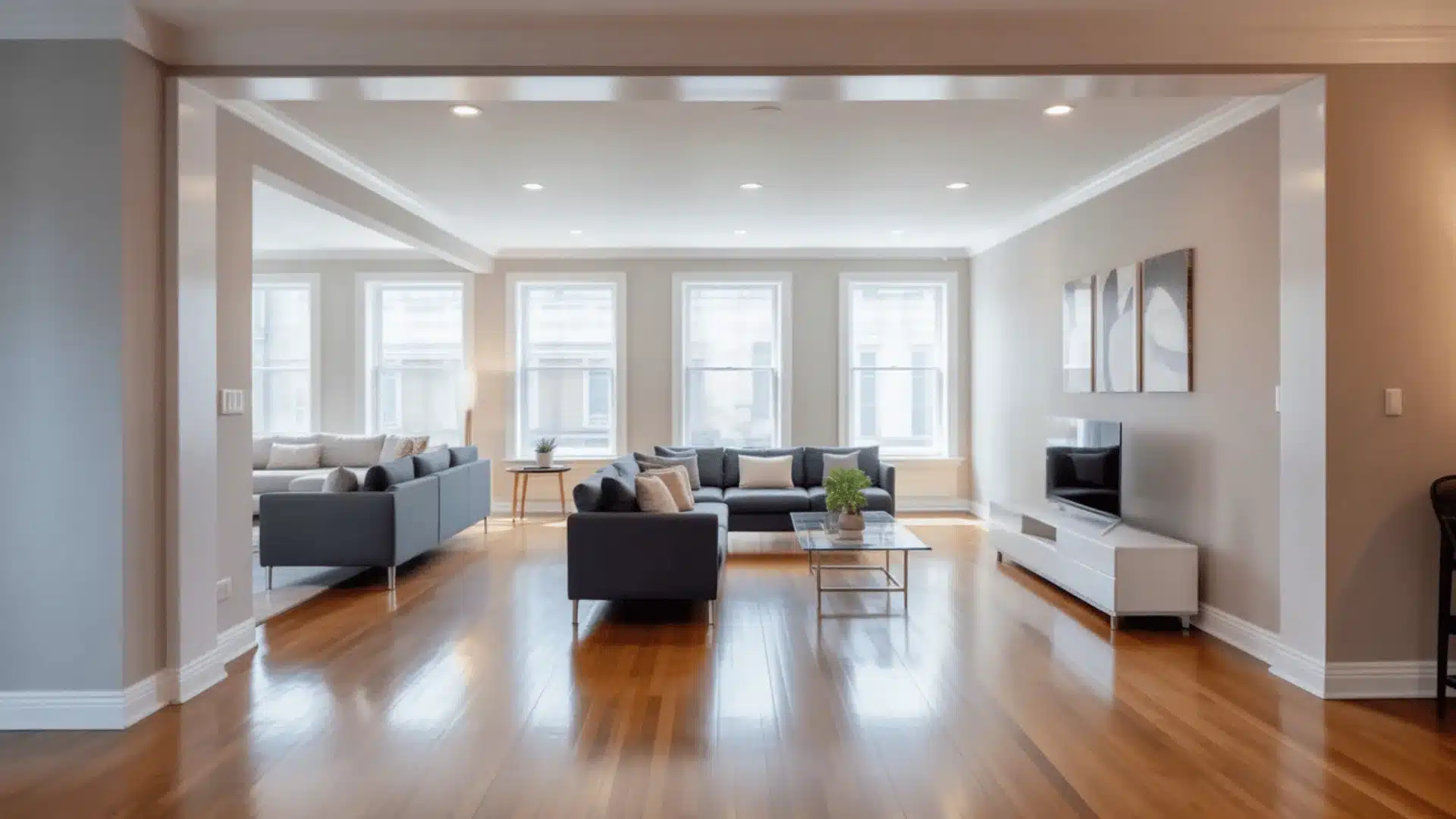
Planning is everything. In fact, the National Association of Home Builders says that poor planning is one of the top reasons home remodeling projects go over budget.
So before you call a single contractor, get your plan straight.
1. Get Clear on What you Want
Walk through every room in your home. What bothers you? What feels too small? What just does not work anymore?
Write it all down. The more specific you are, the easier everything else becomes.
2. Set Your Budget Early
This is the big one. Most homeowners spend between $15,000 and $200,000 depending on the size of the project.
Pick a number that works for you and set aside an extra 10% to 20% for the unexpected.
And trust me, there will always be something unexpected.
3. Figure out Your Priorities
You probably cannot do everything at once.
So decide what is important the most. Safety and structural fixes always come before cosmetic updates.
A cracked foundation beats a kitchen backsplash every single time.
4. Hire the Right Contractor and Plan a Timeline
Do not rush this decision. Ask for referrals, compare at least three quotes, and always check licenses and insurance.
Once you find the right fit, build a realistic schedule together. Delays happen on most projects so factor that in from the start
5. Sort out Your Permits
A lot of people skip this step and regret it later. Structural work, electrical changes, and plumbing updates almost always need permits.
Check with your local building authority before any work begins.
Cost Considerations for Remodeling a Home
Let’s talk money. This is the part most people either ignore or underestimate. And it’s usually where whole home remodel projects go sideways. So let’s break it down clearly.
Average Costs by Room
Different rooms carry different price tags. Here’s a general idea of what to expect:
| Room | Average Cost Range |
|---|---|
| Kitchen | $25,000 to $75,000 |
| Master Bathroom | $10,000 to $30,000 |
| Living Room | $5,000 to $20,000 |
| Bedroom | $3,000 to $15,000 |
| Basement | $20,000 to $50,000 |
| Full Home Remodel | $15,000 to $200,000 |
These are ballpark numbers. Your actual costs will depend on your location, the size of your home, and the materials you choose.
What Affects the Total Cost?
A few key factors push costs up or down
- Size of your home: Bigger spaces mean more materials, more labor, and more time on the job
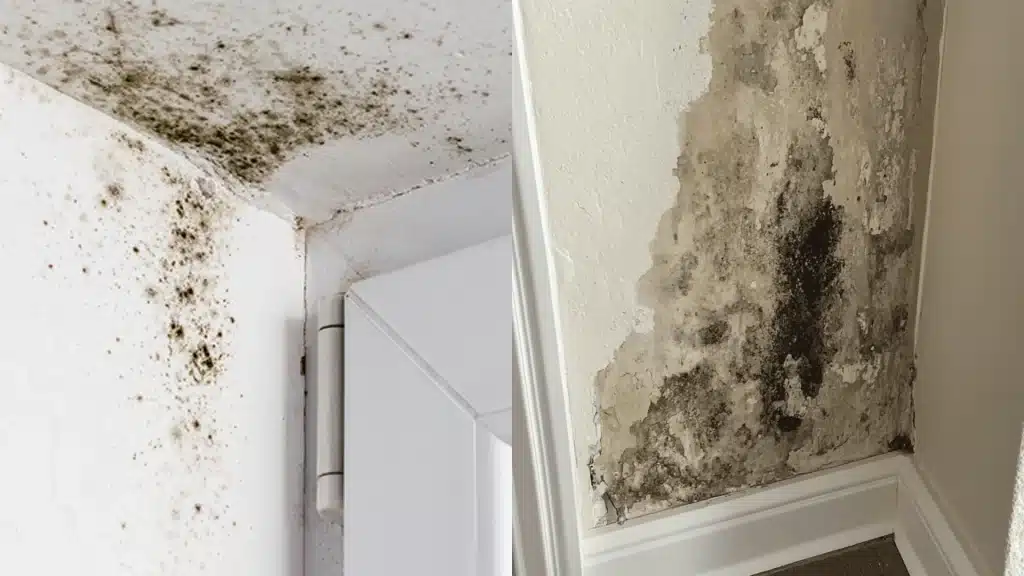
- Condition of the home: Older homes often hide water damage, faulty wiring, or weak foundations that cost extra to sort out
- Material choices: Budget options keep costs down upfront but may need replacing sooner than premium materials
- Labor costs: Contractor rates vary widely depending on your city, state, and the demand in your area
- Permits and inspections: Every permit has a fee, and every inspection takes time. Neither one is something you can skip
- Structural changes: Moving walls, adding rooms, or changing floor plans involves engineers and extra labor, which adds up fast
Step-by-Step Home Remodeling Checklist
A checklist keeps you on track. It stops things from falling through the cracks. Work through it one step at a time.
Before You Start
- Write down every room you want to remodel
- Set your total budget and add a 10% to 20% buffer
- Research local contractors and ask for referrals
- Interview at least three contractors before deciding
- Check what permits you need with your local building department
Design and Planning Phase
- Finalize the layout and design for each room
- Choose materials, finishes, and fixtures
- Get everything in writing before work begins
- Confirm the project timeline with your contractor
Unexpected things will come up. Pipes, wiring, old structural issues. That budget buffer is there for a reason.
During the Remodel
- Check progress regularly but avoid micromanaging
- Keep a record of all payments made
- Document any changes to the original plan in writing
- Stay in touch with your contractor at least once a week
Pro Tip: Do not make the final payment until every item on your punch list is complete. It is much harder to get things fixed after the contractor has been paid in full.
Wrapping Up
A whole home remodel starts and ends with a solid plan. Get your budget right.
Hire people you trust. And never skip the permits.
The homeowners who do these things well end up with results they are proud of.
If you found this helpful, go ahead and check out our other guides on home improvement and interior styling.
There is plenty more to help you make smart decisions for your home.
Frequently Asked Questions
1. What is the First Step in Planning a Whole Home Remodel?
Start by listing your goals and setting a realistic budget before contacting any contractor.
2. How Long Does a Whole Home Remodel Usually Take?
It depends on the scope but most full home remodels take anywhere from three to twelve months.
3. Can I Live in My Home During a Whole Home Remodel?
Yes, but expect dust, noise, and limited access to certain rooms throughout the process.