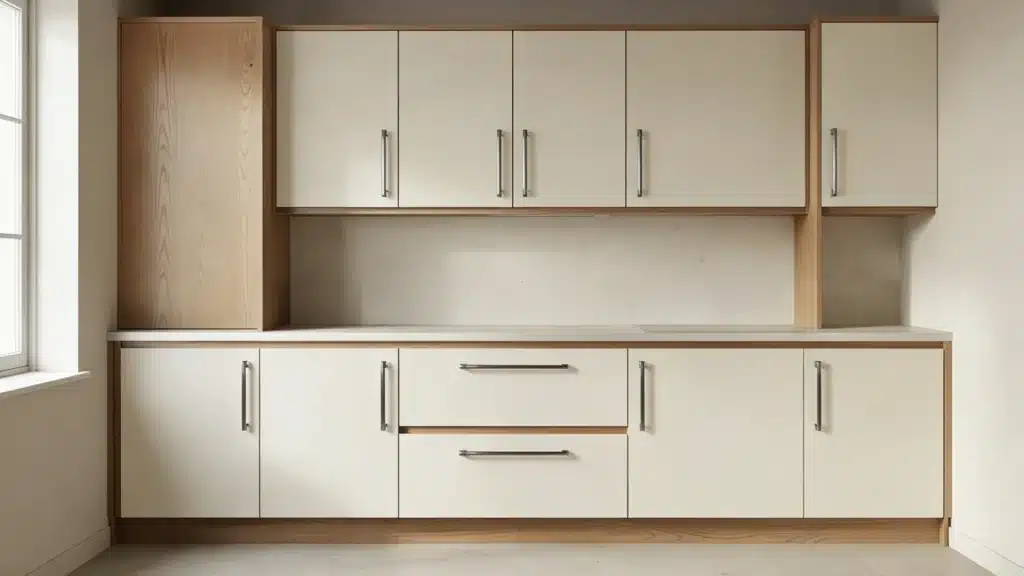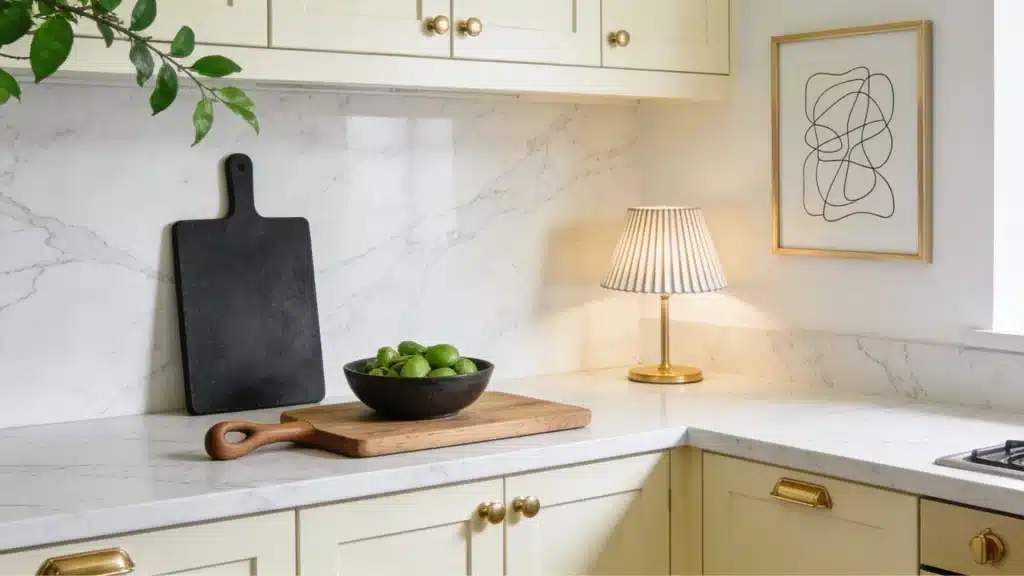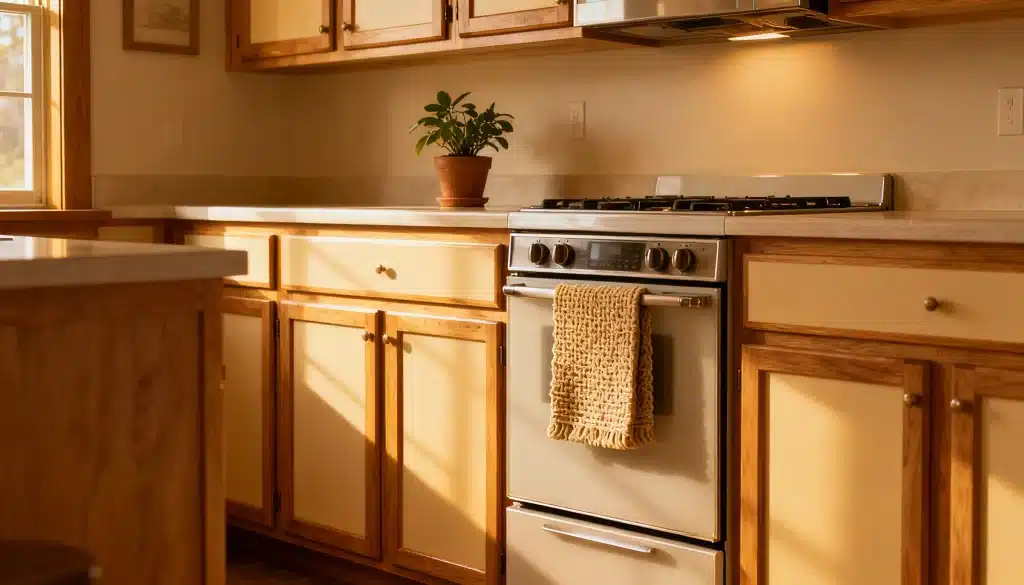

A classic kitchen has one thing going for it that trendy kitchens simply don’t have: staying power.
New styles come and go fast. Handleless cabinets, bright colors, and ultra-modern finishes look great for a few years, then start to feel dated.
But a well-designed kitchen still looks sharp decades later.
The tricky part is knowing where to start. With so many ideas online, it gets confusing quickly.
This breaks it all down, from layouts and cabinets to colors and lighting, so you can build a kitchen that actually lasts.
What Makes a Classic Kitchen Look the Way it Does?
It is built on three things: balance, function, and detail.
Cabinets are symmetrical. Hardware is consistent.
Every finish has a reason for being there. Nothing feels random or thrown together.
The difference between classic and modern kitchens comes down to how they handle detail.
Modern kitchens strip everything back, flat fronts, hidden handles, bare surfaces. Classic kitchens do the opposite.
They add structure through paneling, molding, and layered finishes, giving the space real depth.
And that is exactly why the designs keep showing up decade after decade. It is not chasing a trend. It is built on proportion and craft, two things that never really go out of fashion.
How to Choose the Right Shade for Your Classic Kitchen
Color is one of the most important decisions in a classic kitchen, and also one of the easiest to get wrong.
The shade you pick for your cabinets or walls sets the tone for everything else in the room.
1. Neutral White Shades for a Classic Kitchen
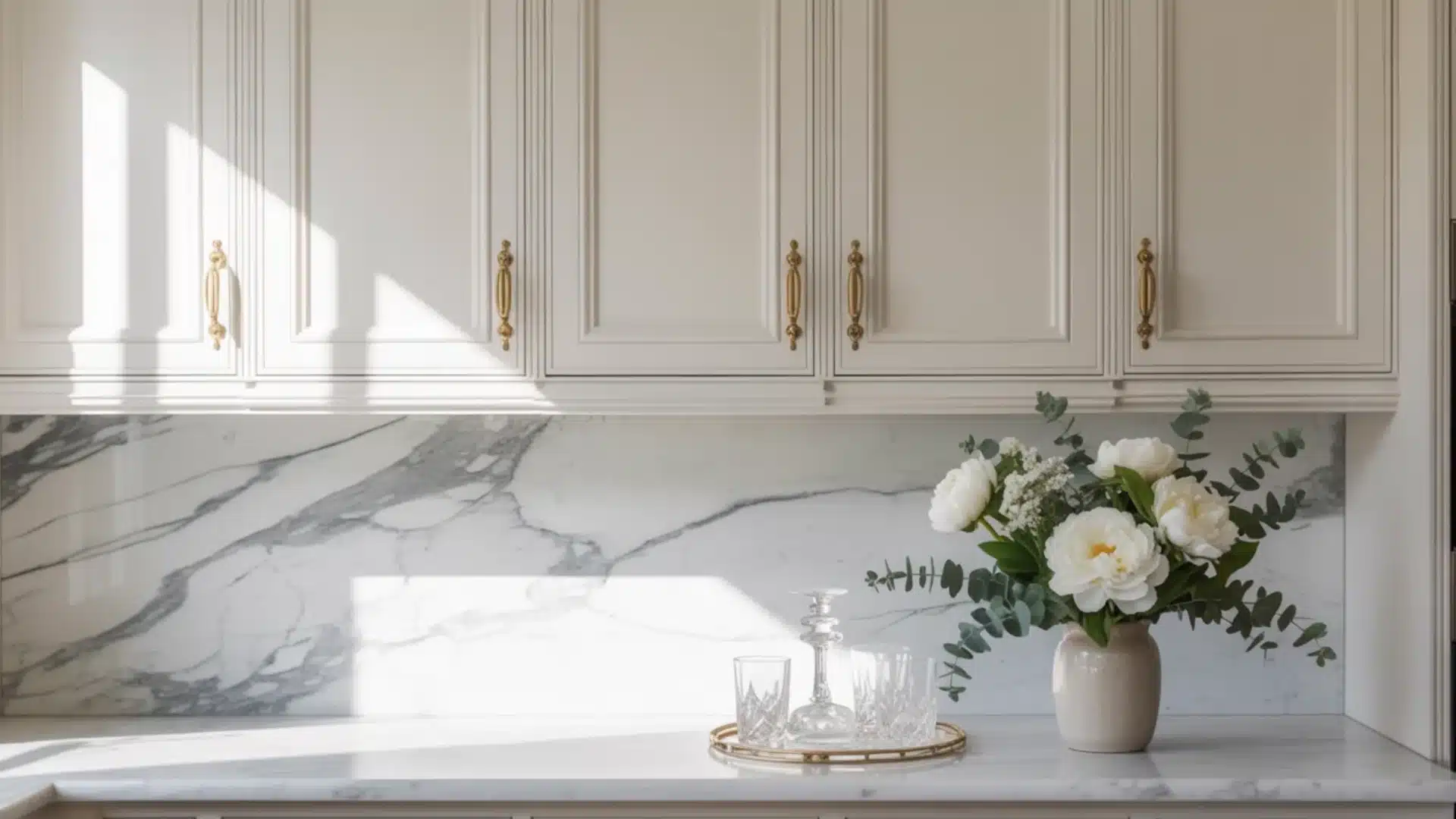
Soft whites are the most forgiving and most used shades in classic kitchen design. They work across cabinet styles, lighting conditions, and countertop materials without clashing.
If you are starting from scratch, this is the safest and most reliable place to begin.
Shade recommendation: Benjamin Moore White Dove (OC-17)
2. Soft Gray Neutrals for Subtle Depth
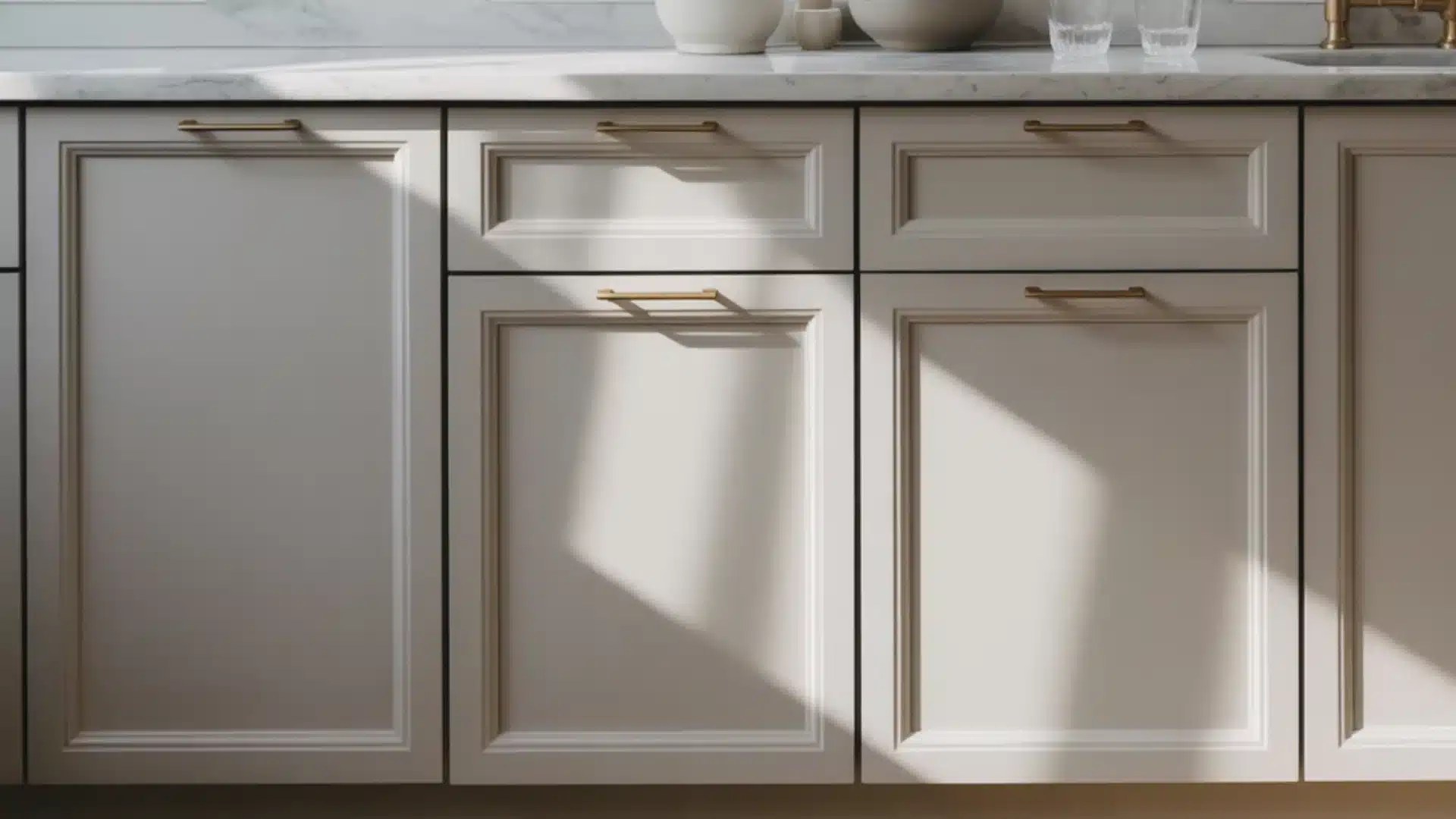
Light gray adds gentle contrast while keeping the kitchen calm and cohesive.
It reads as neutral but brings more dimension than a flat white. Best used in kitchens that get decent natural light throughout the day.
3. Warm Greige and Beige Tones
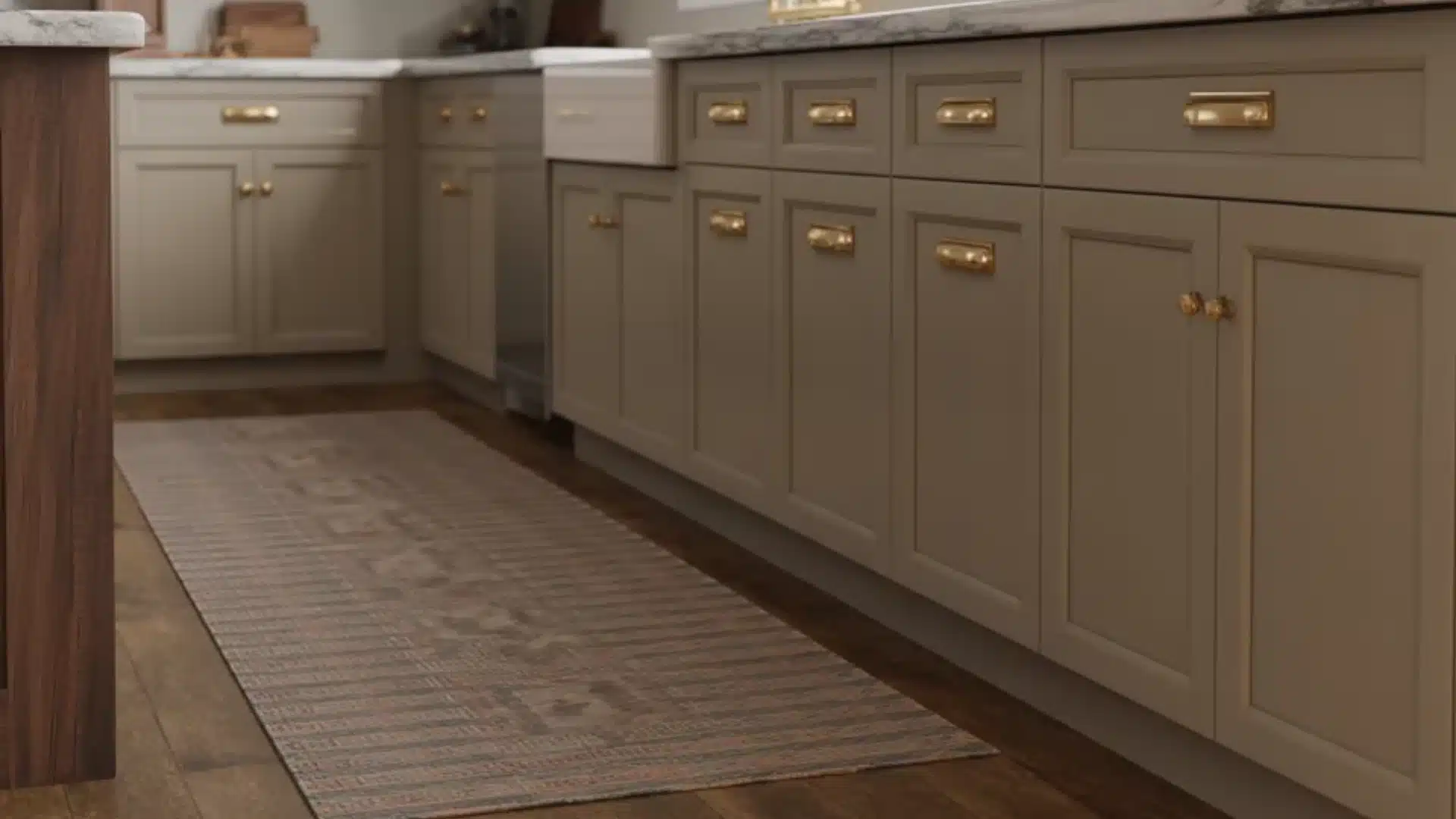
Greige and beige sit in a comfortable middle ground. They are deeper than white but not heavy enough to make the space feel closed in.
These shades work especially well in kitchens with natural wood elements or stone countertops.
4. Crisp Whites for a Clean Classic Look
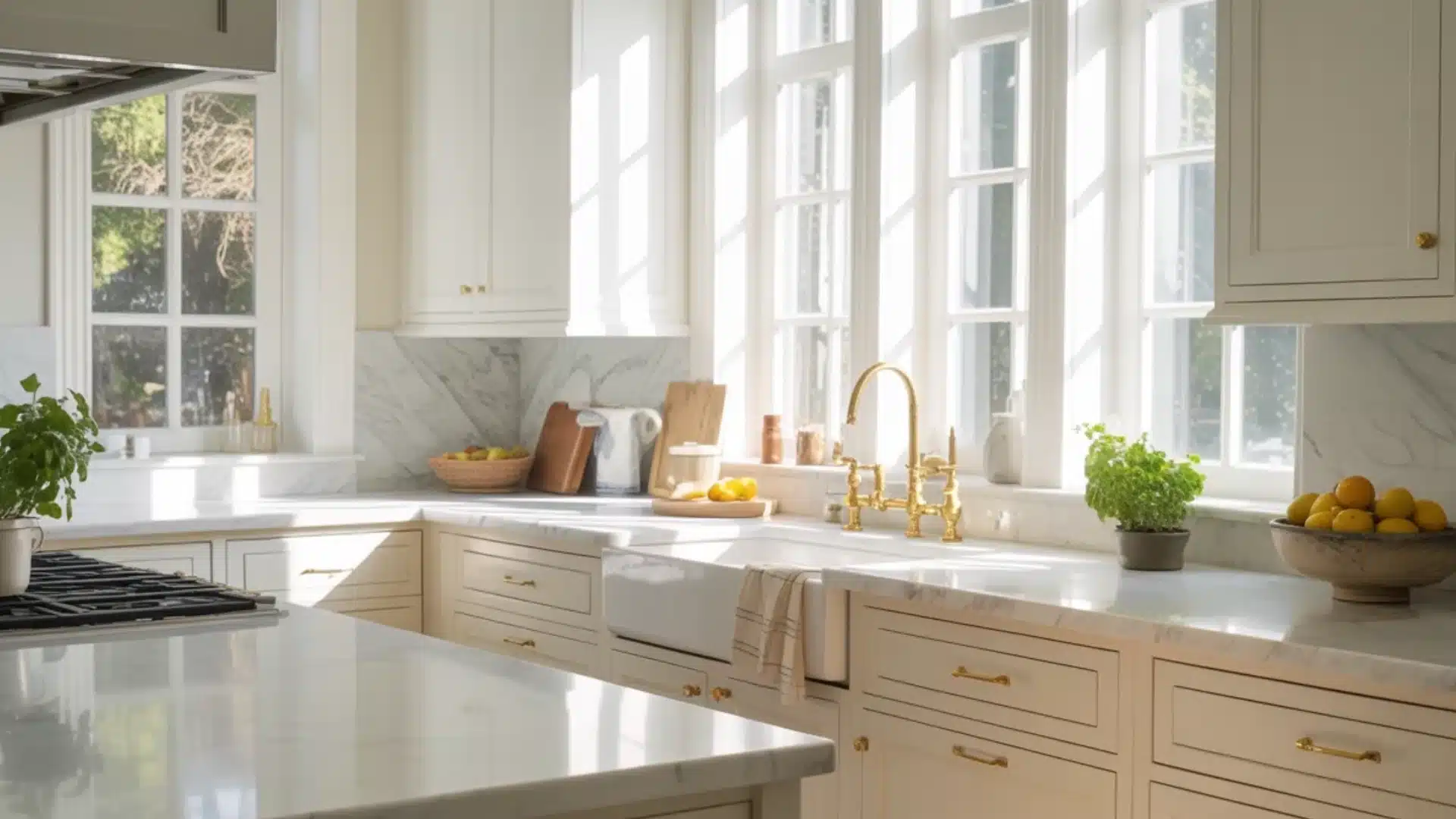
Brighter whites work best in kitchens with strong natural light or a well-planned lighting setup. They give the space a fresh, polished finish without requiring much else.
Keep the rest of the palette simple, so the white has room to breathe.
Shade recommendation: Sherwin-Williams Pure White (SW 7005)
Classic Kitchen Ideas Worth Stealing
There is no single way to do it right. Some lean heavily into white cabinetry and marble.
Others go darker, richer, and more formal. The following ideas will help you rebuild your kitchen in an entirely new way.
1. All-White Shaker Kitchen
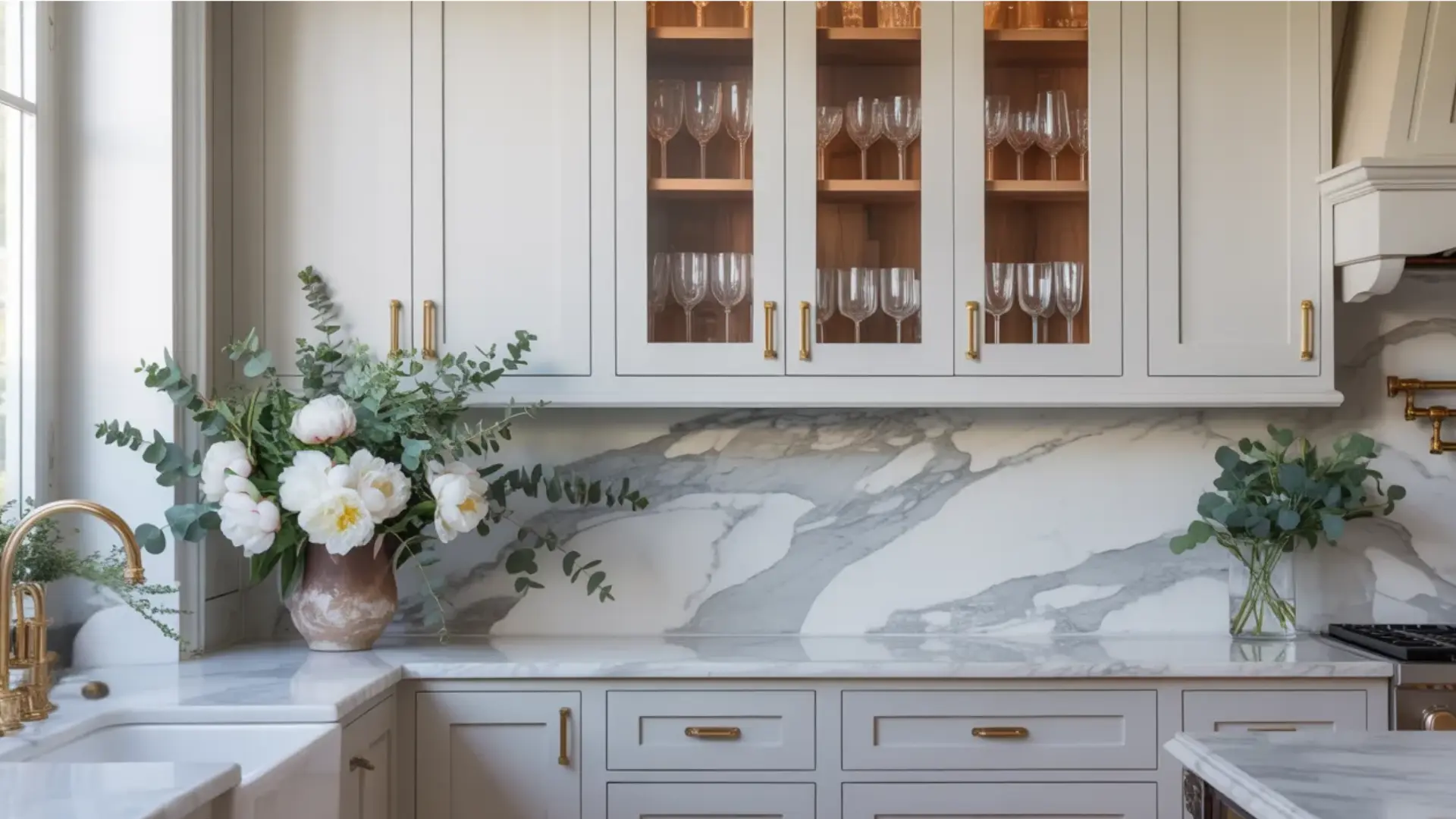
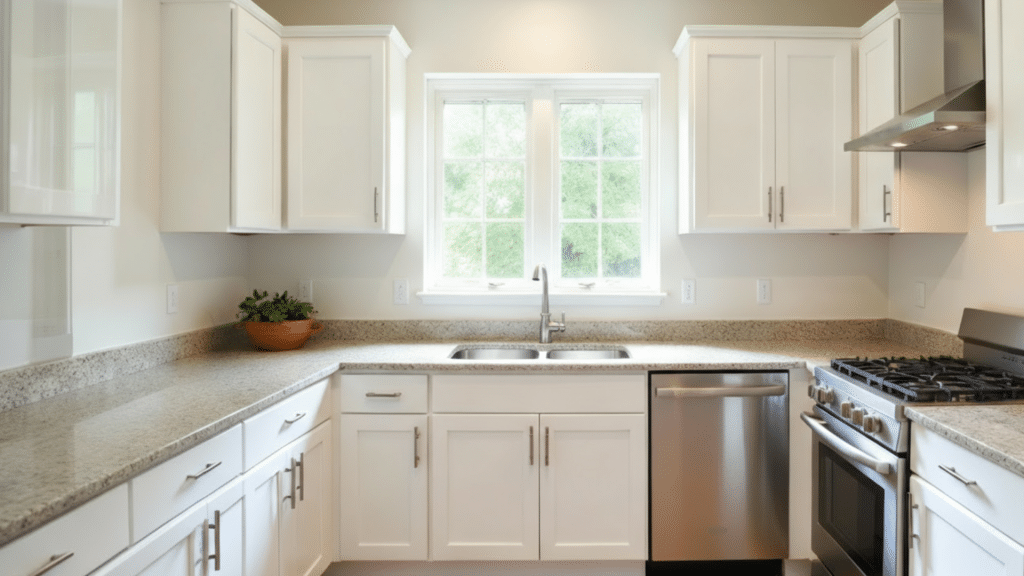
White shaker cabinets are the most reliable starting point to make a kitchen look classic.
The recessed panel adds just enough detail without going overboard. Keep the hardware simple and let the clean lines do the work.
Good hardware pairings for this look:
- Brushed nickel for a softer finish
- Matte black for a sharper contrast
- Polished chrome if you want something brighter
2. Cream-Toned Traditional Kitchen
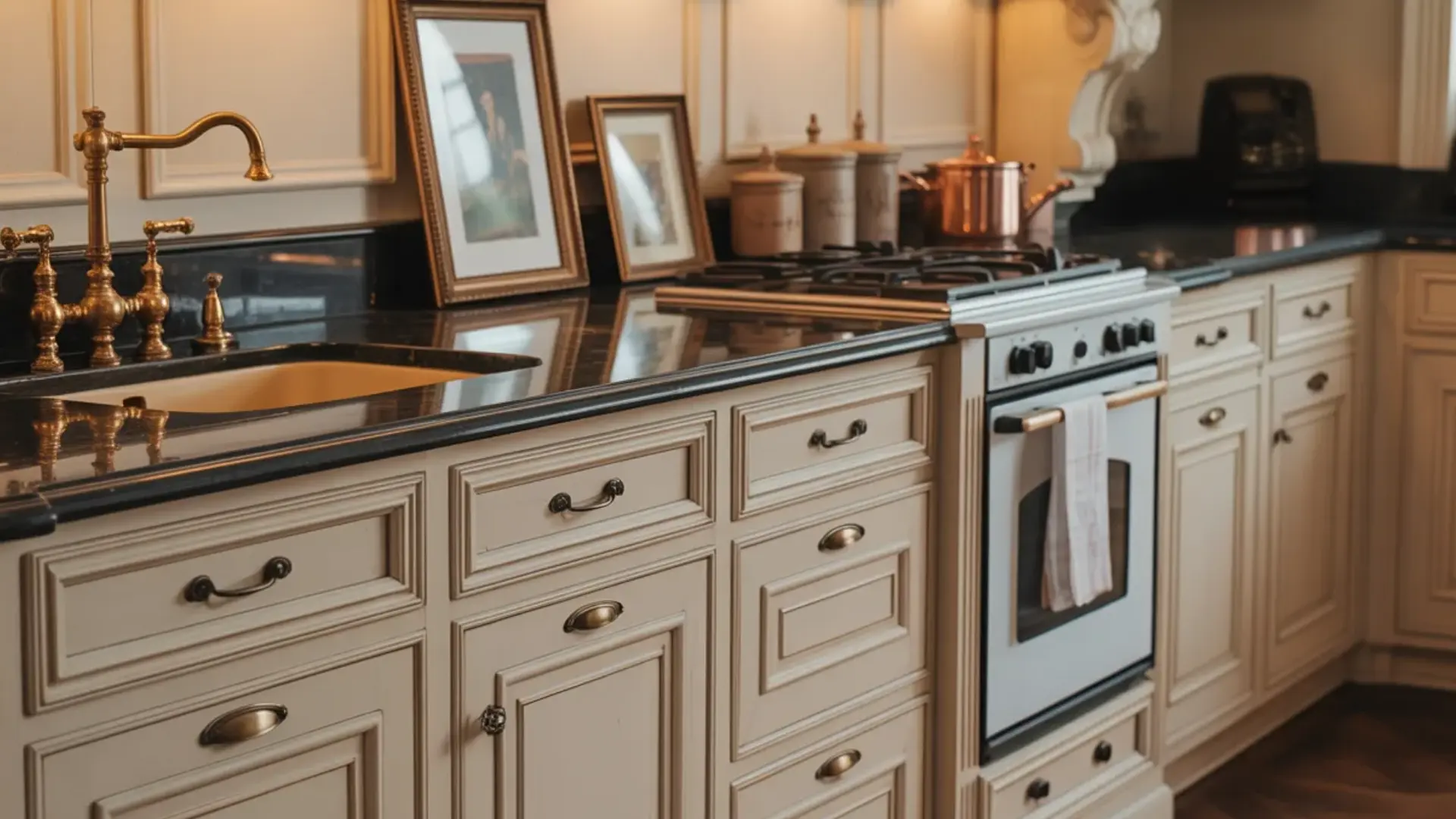
Cream cabinetry sits between white and beige, making it one of the most flattering choices. It reads light without feeling stark.
Pair it with natural stone countertops, and the combination holds up across different lighting conditions throughout the day.
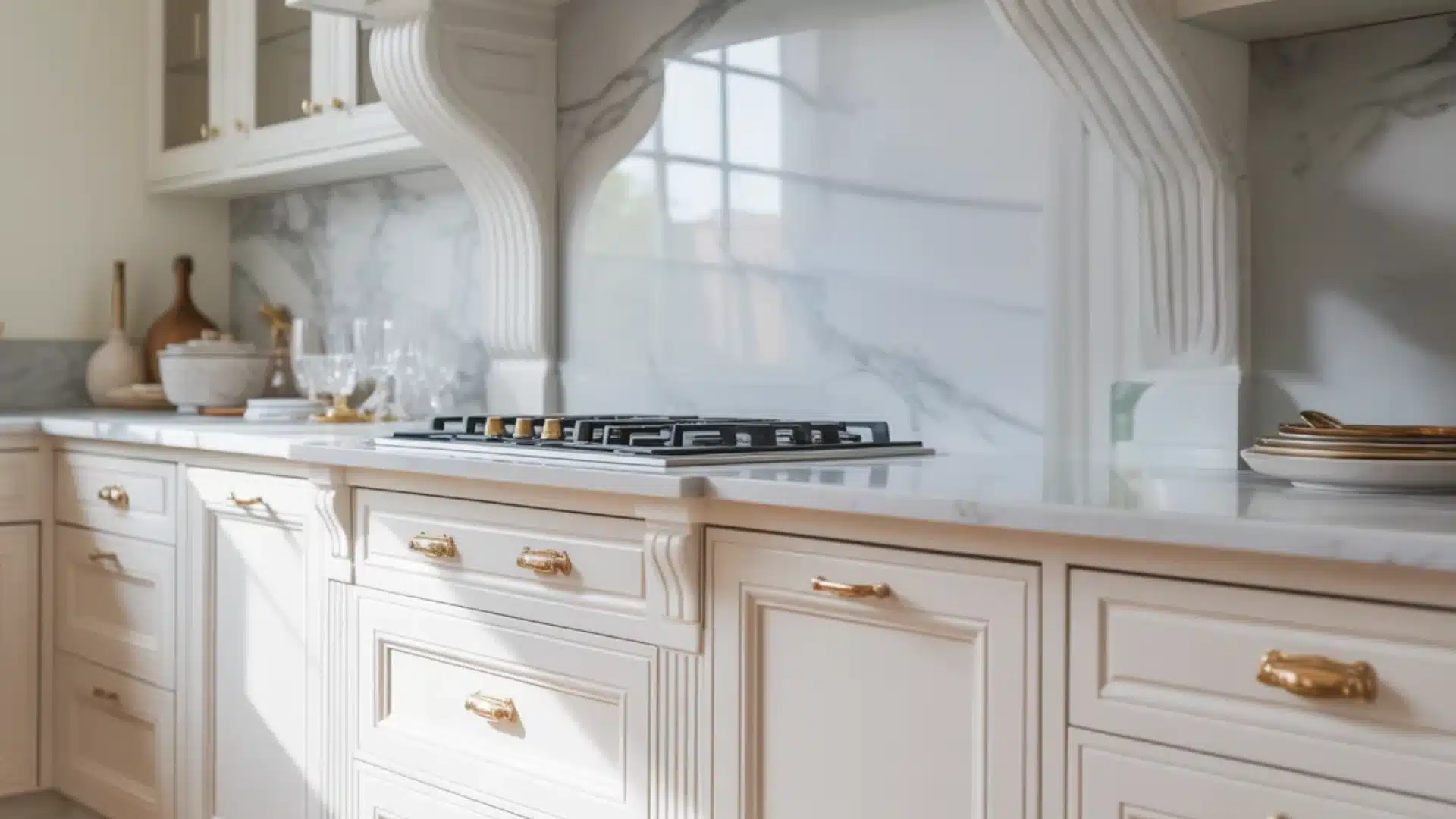
3. Marble Countertop Kitchen
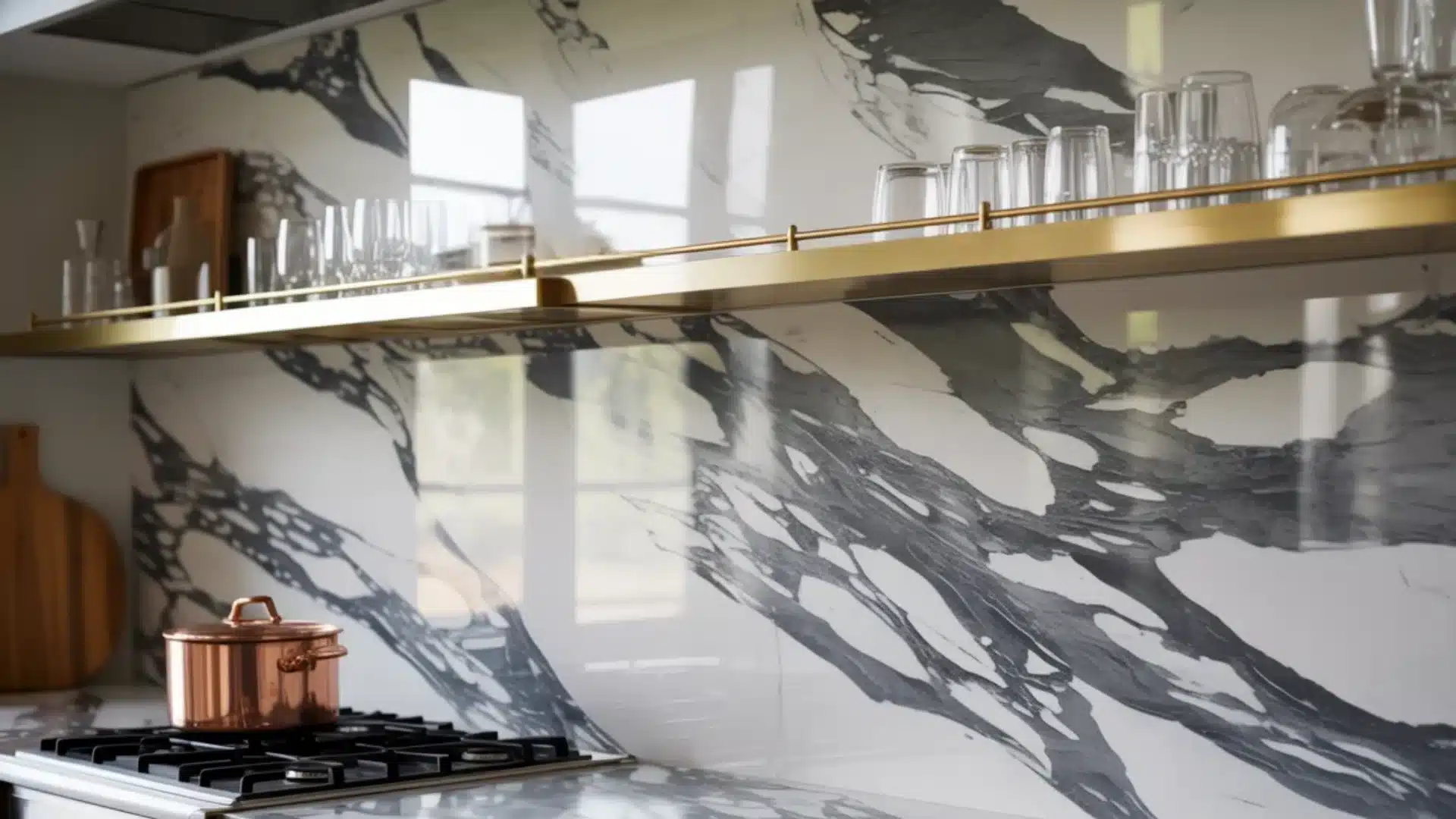
Marble has been used in kitchens for centuries, and there is a reason it keeps coming back.
The veining adds a natural pattern without needing extra decoration. Carrara and Calacatta are the two most common choices for a traditional look.
The most popular marble options for a classic kitchen:
- Carrara: Softer gray veining, more affordable, great for larger surfaces
- Calacatta: Bolder veining, whiter base, makes more of a statement
- Statuario: Barer, dramatic contrast, suits formal kitchen settings
Marble is porous. Sealing it every year is non-negotiable if you want it to stay looking good long-term.
4. Subway Tile Backsplash
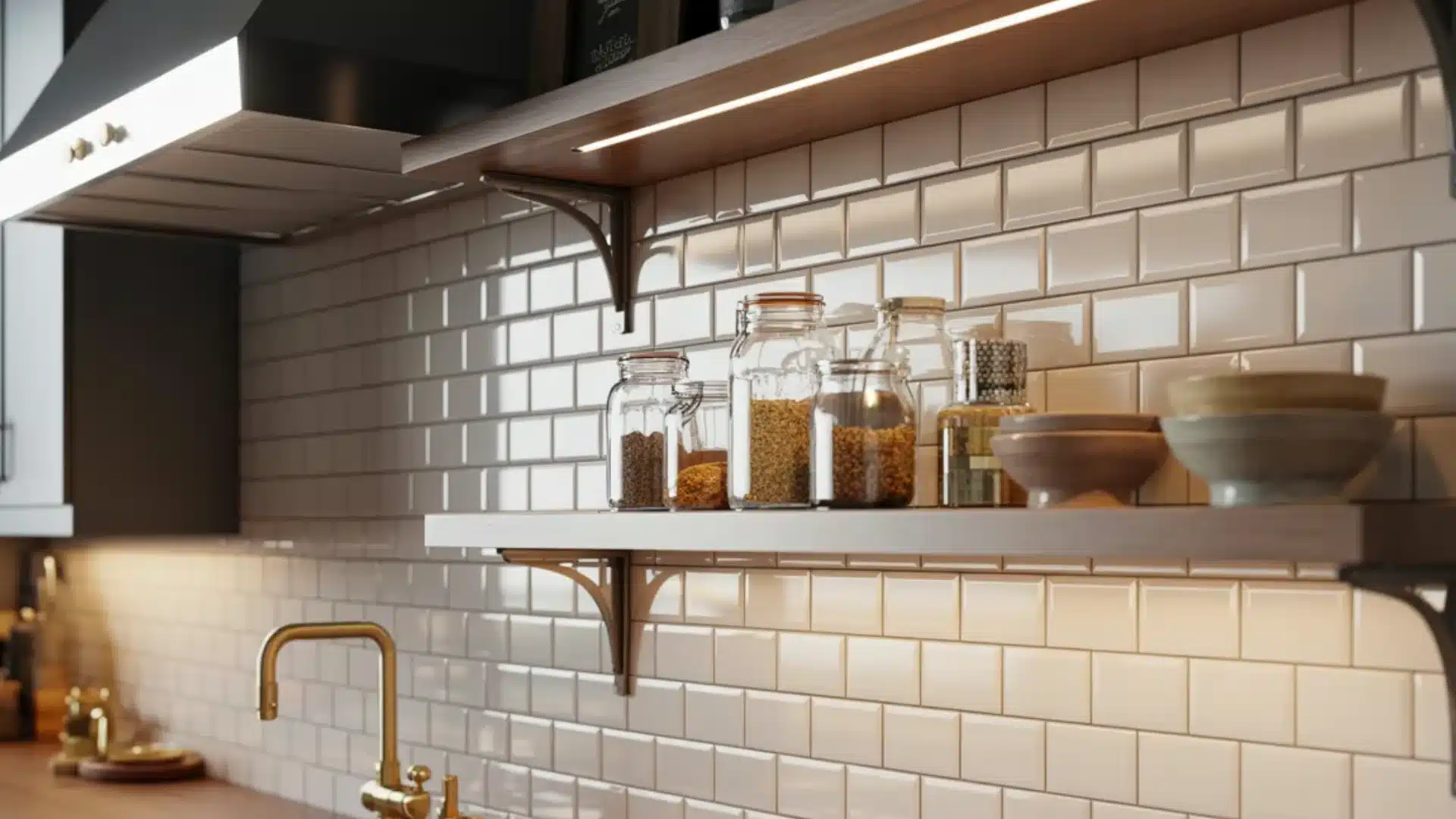
Subway tile works because it is simple and it scales.
A full-wall installation behind the range makes a strong visual statement without competing with the cabinetry.
Stick to a classic white brick layout with light grout for the most traditional result.
5. Wood and White Contrast Kitchen
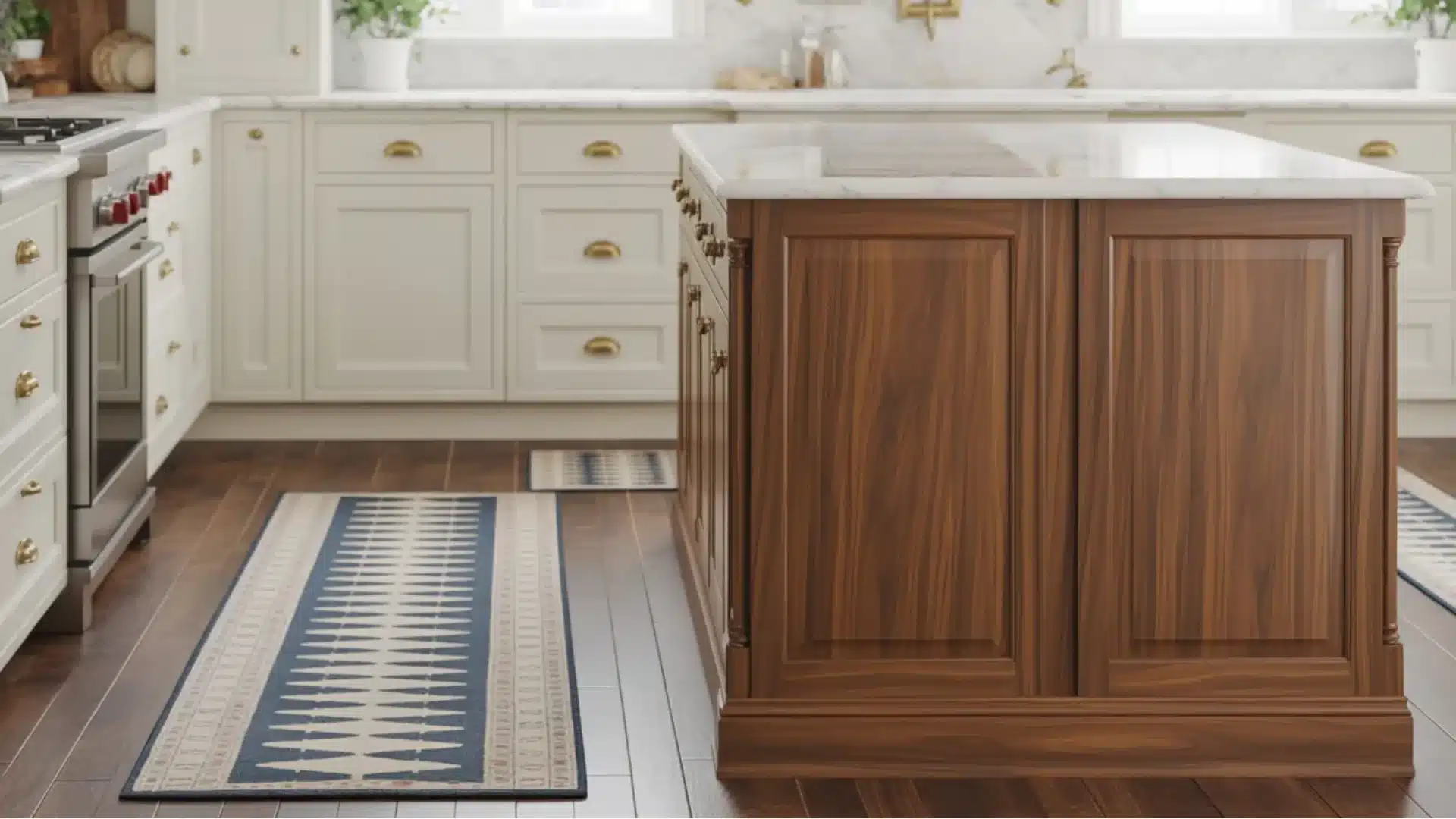
This combination creates visual separation between the upper and lower cabinets.
White uppers keep the space feeling open. Natural wood lowers add weight and grounding. The contrast gives it a dimension without relying on color.
What makes this pairing work consistently:
- White uppers reflect light back into the room
- Wood lowers the anchor in the space visually
- The two-tone split draws the eye across the full length of the kitchen
6. Crown Molding Cabinets
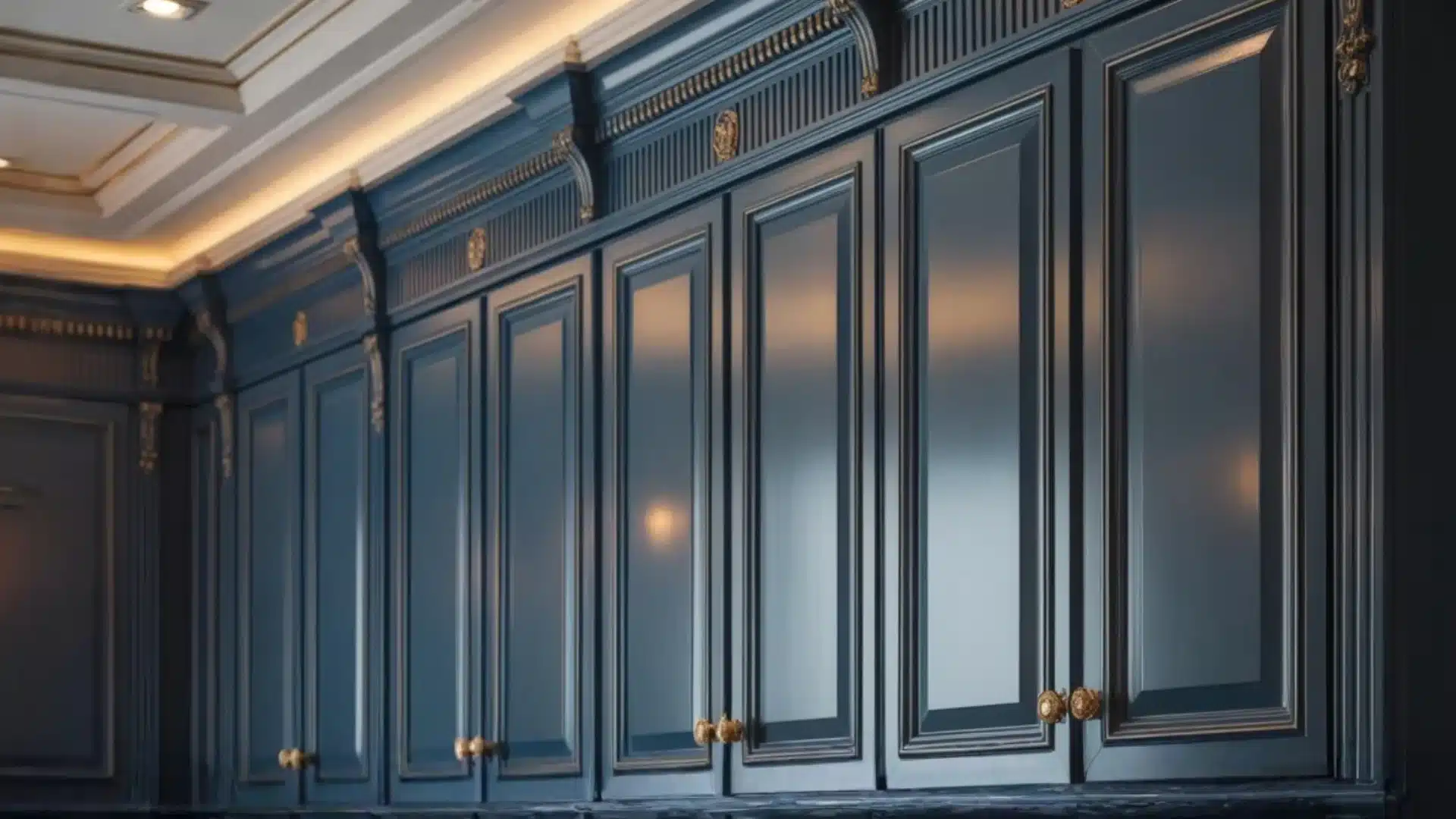
Crown molding is one of those finishing details that most people notice only when it is missing.
Running it along the top of the cabinets up to the ceiling closes off the gap and makes the cabinetry feel built-in rather than dropped in.
If your ceilings are lower than nine feet, go for a thinner molding profile. An oversized crown in a low-ceilinged kitchen makes the space feel cramped in a hurry.
7. Glass-Front Cabinet Display
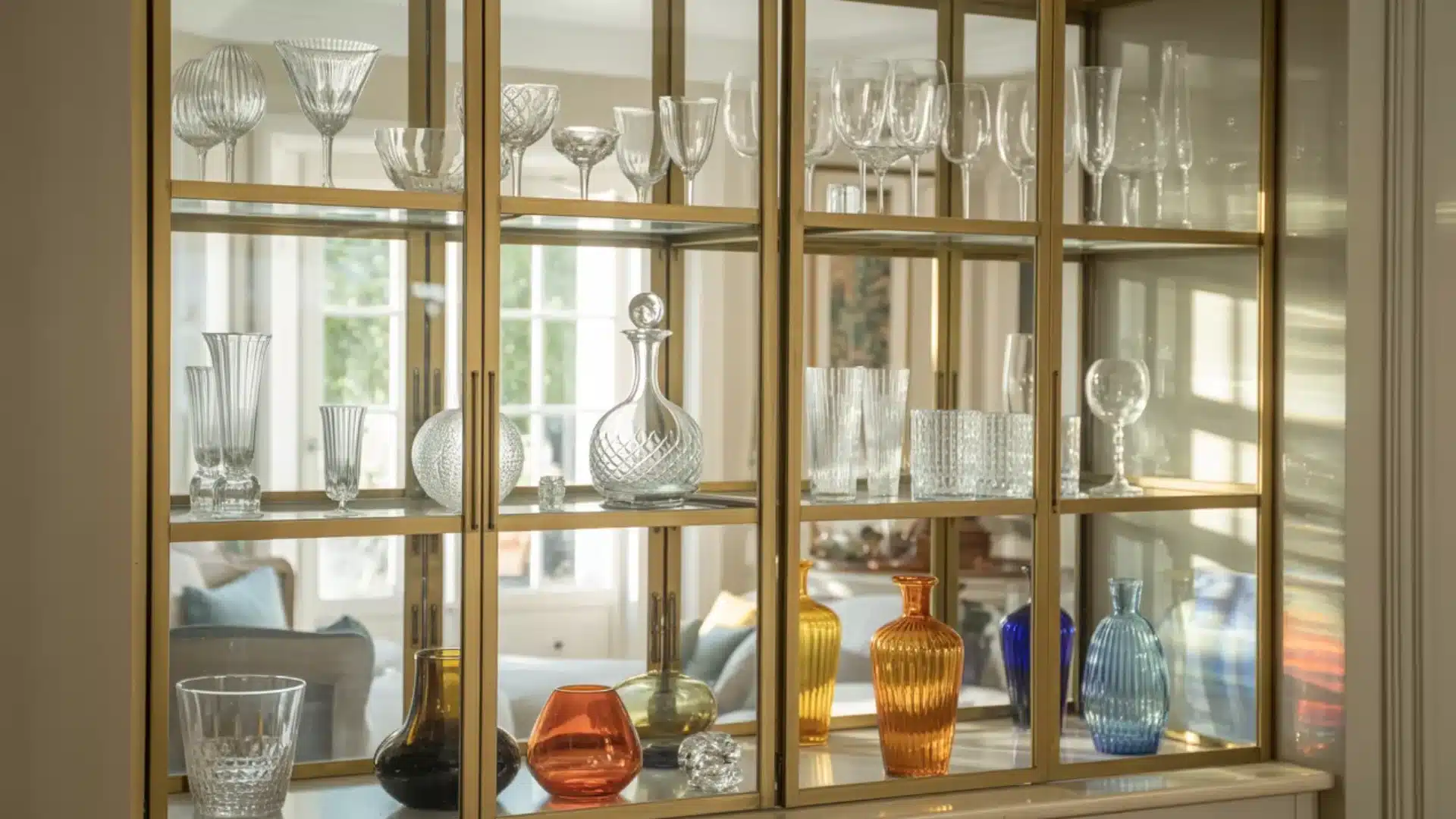
Swapping a few solid cabinet doors for glass fronts instantly lightens the visual weight of the kitchen.
It also creates an opportunity to display dishware, glassware, or ceramics that add personality without clutter.
The key is keeping what is behind the glass neat, since everything becomes visible.
8. Farmhouse Sink
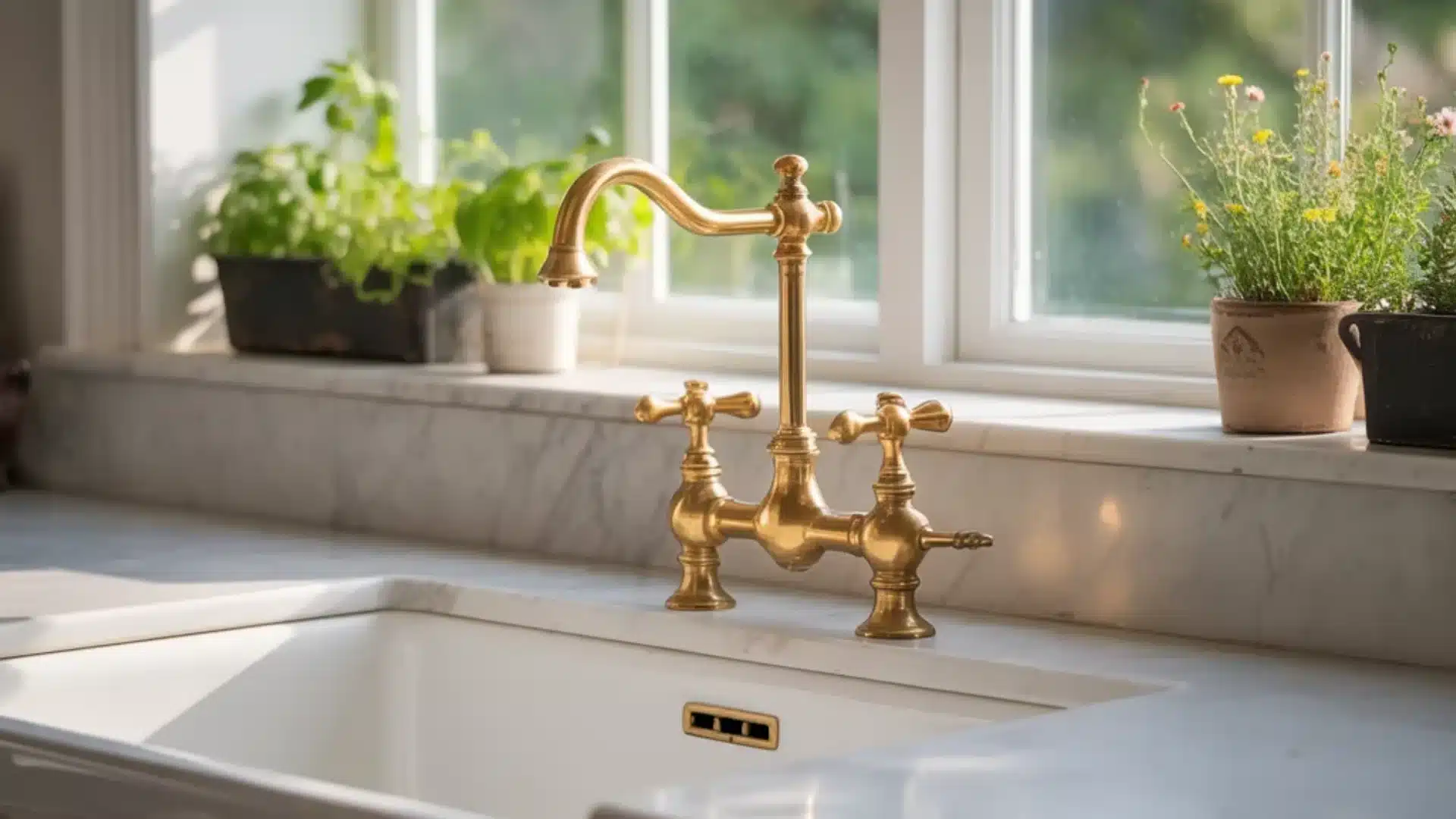
A farmhouse sink pulls more visual weight than any other kitchen fixture.
The deep basin and exposed front panel give it a presence that standard undermount sinks simply do not have.
Common material choices for farmhouse sinks, White fireclay remains the top pick.
- White fireclay: Most traditional, ages beautifully, resists staining
- Stainless steel: More practical, slightly less traditional in feel
- Cast iron: Durable, heavy, adds a vintage quality
9. Brass Hardware Accents
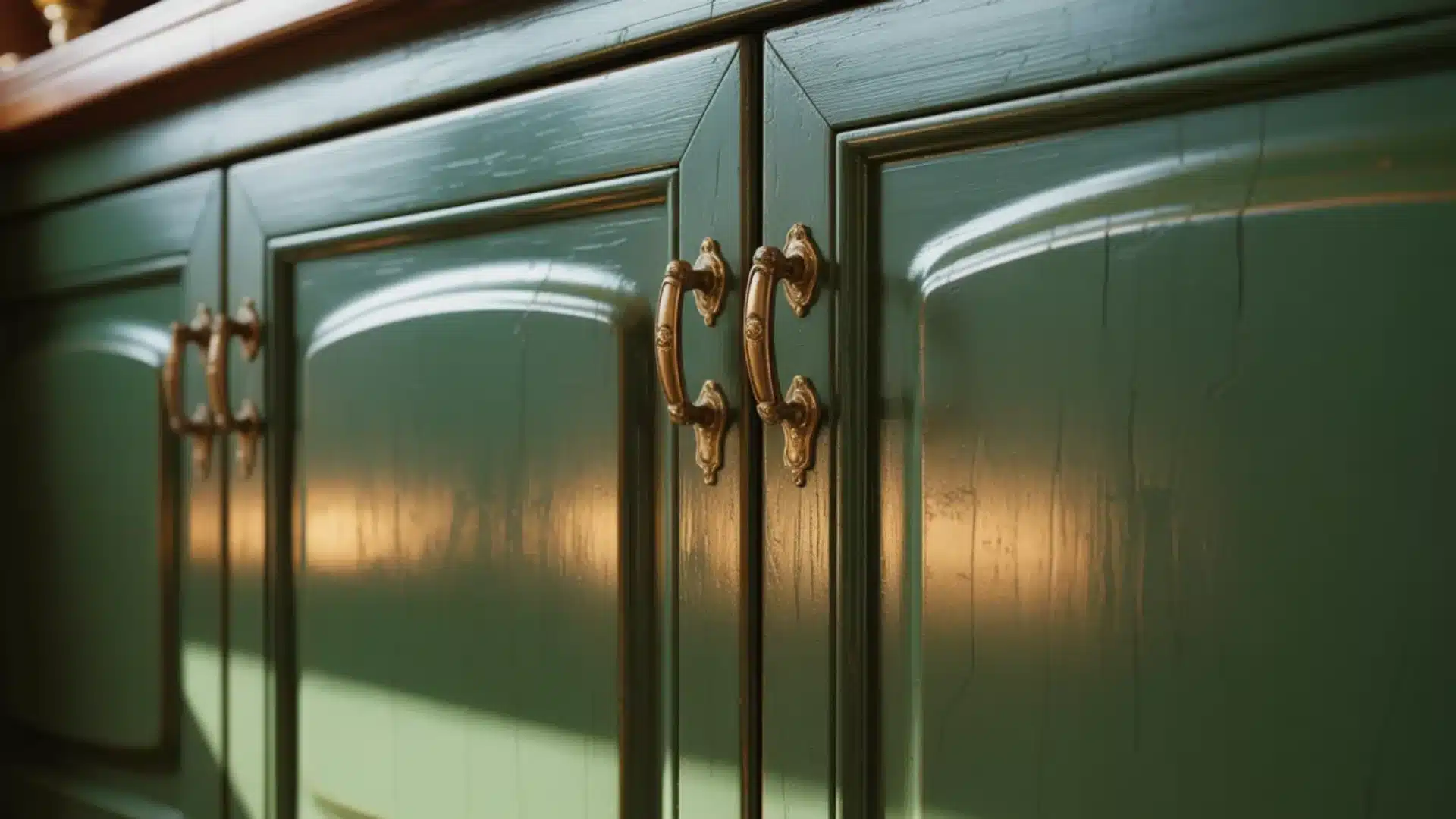
Brass knobs and pulls bring a richness to cabinetry that chrome and stainless steel cannot replicate.
Unlacquered brass develops a natural patina over time, which actually adds to the traditional character rather than detracting from it.
It is one of the few hardware choices that gets better with age.
10. Checkerboard Flooring
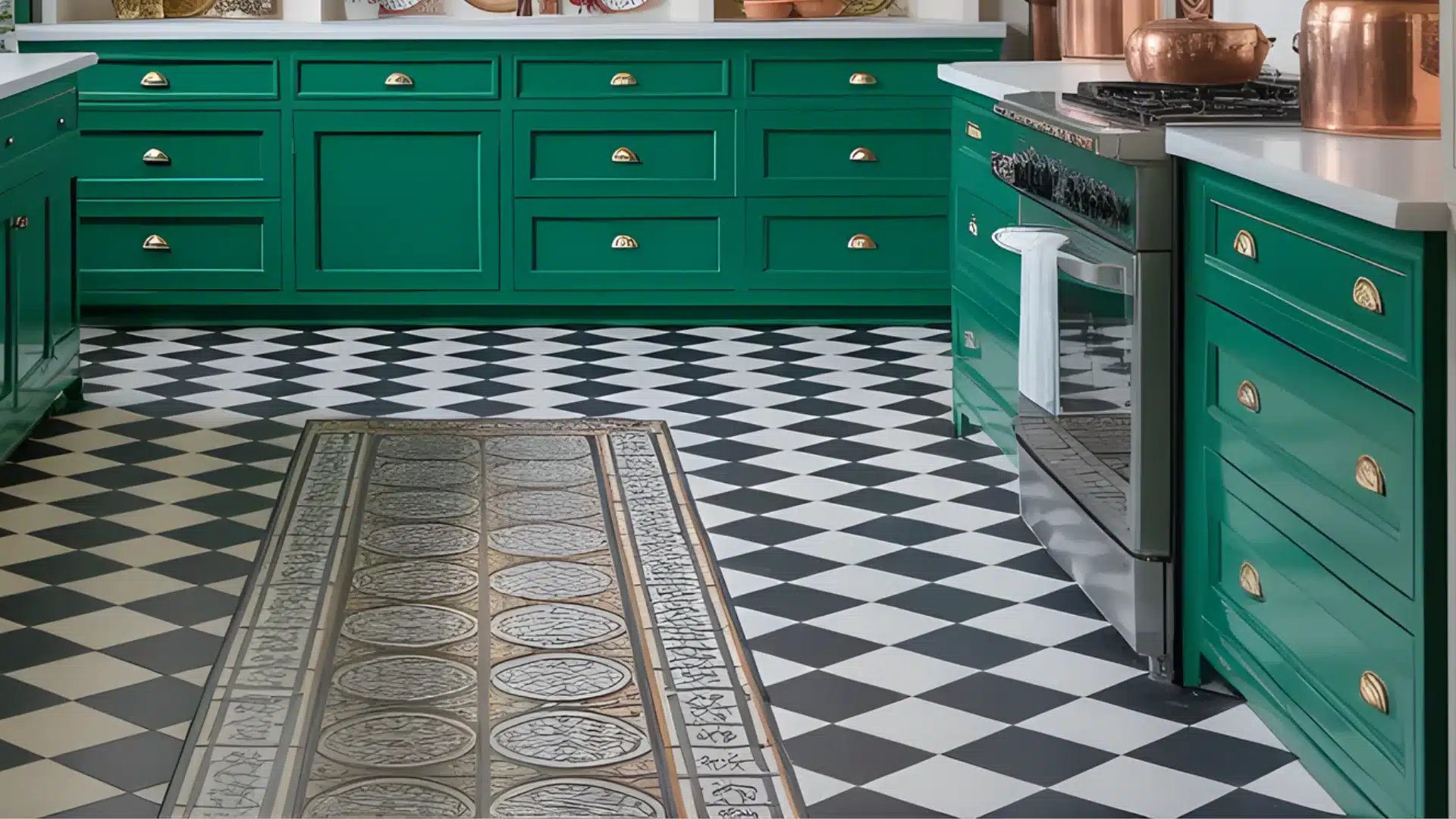
Black and white checkerboard floors have appeared in classic kitchens for well over a hundred years. They work in both small and large spaces and withstand heavy foot traffic.
Best material options for this look:
- Honed marble: The most traditional and refined choice
- Ceramic tile: More durable and easier to maintain
- Vinyl tile: Budget-friendly, surprisingly convincing in smaller spaces
11. Kitchen Island with Built-In Storage
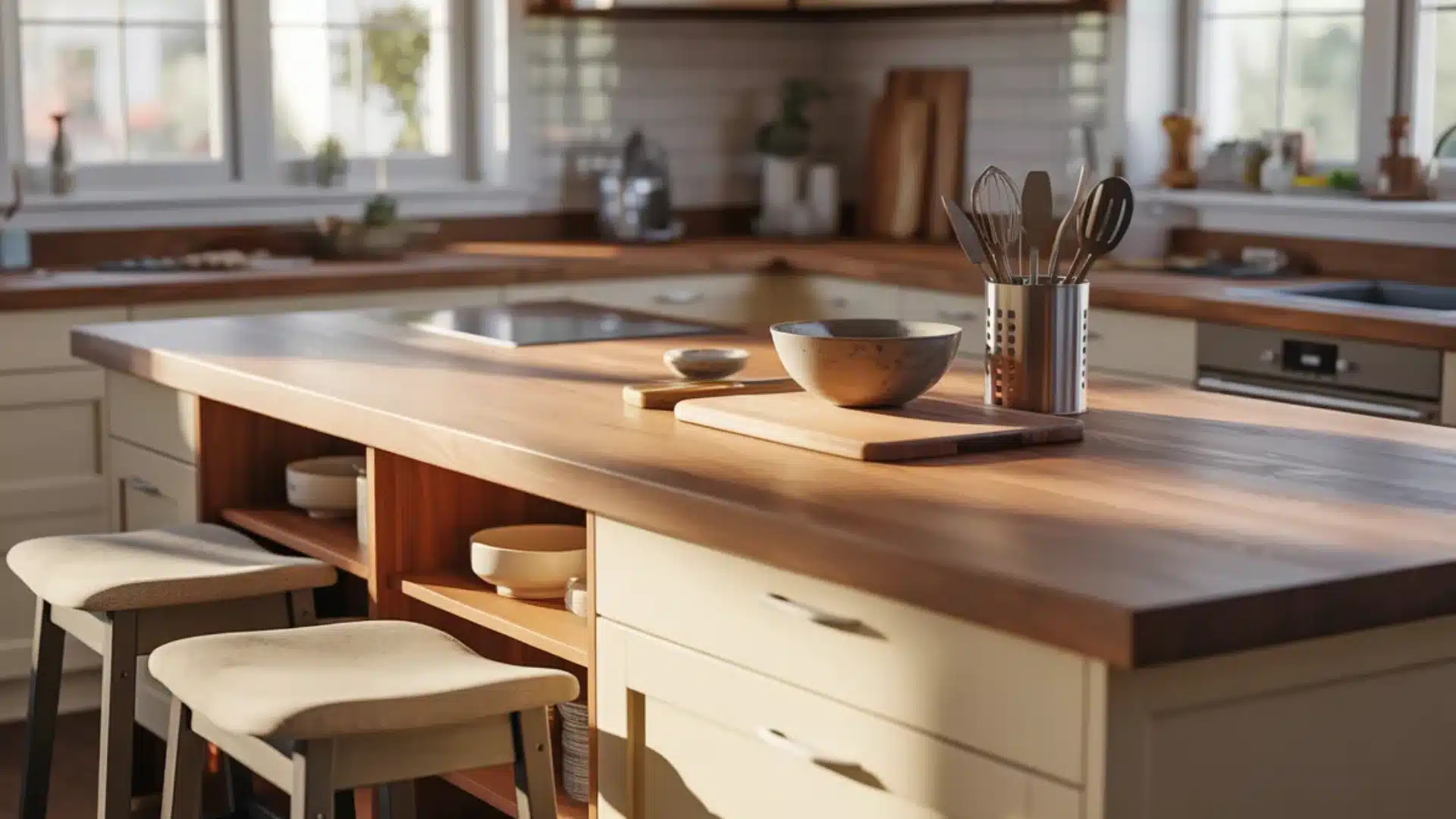
A well-designed island does more than add counter space. It becomes the structural center of the room. Built-in drawers, shelving, or cabinetry underneath keep it functional.
Adding turned legs gives it a furniture-like quality that fits traditional design well.
12. Neutral Color Palette
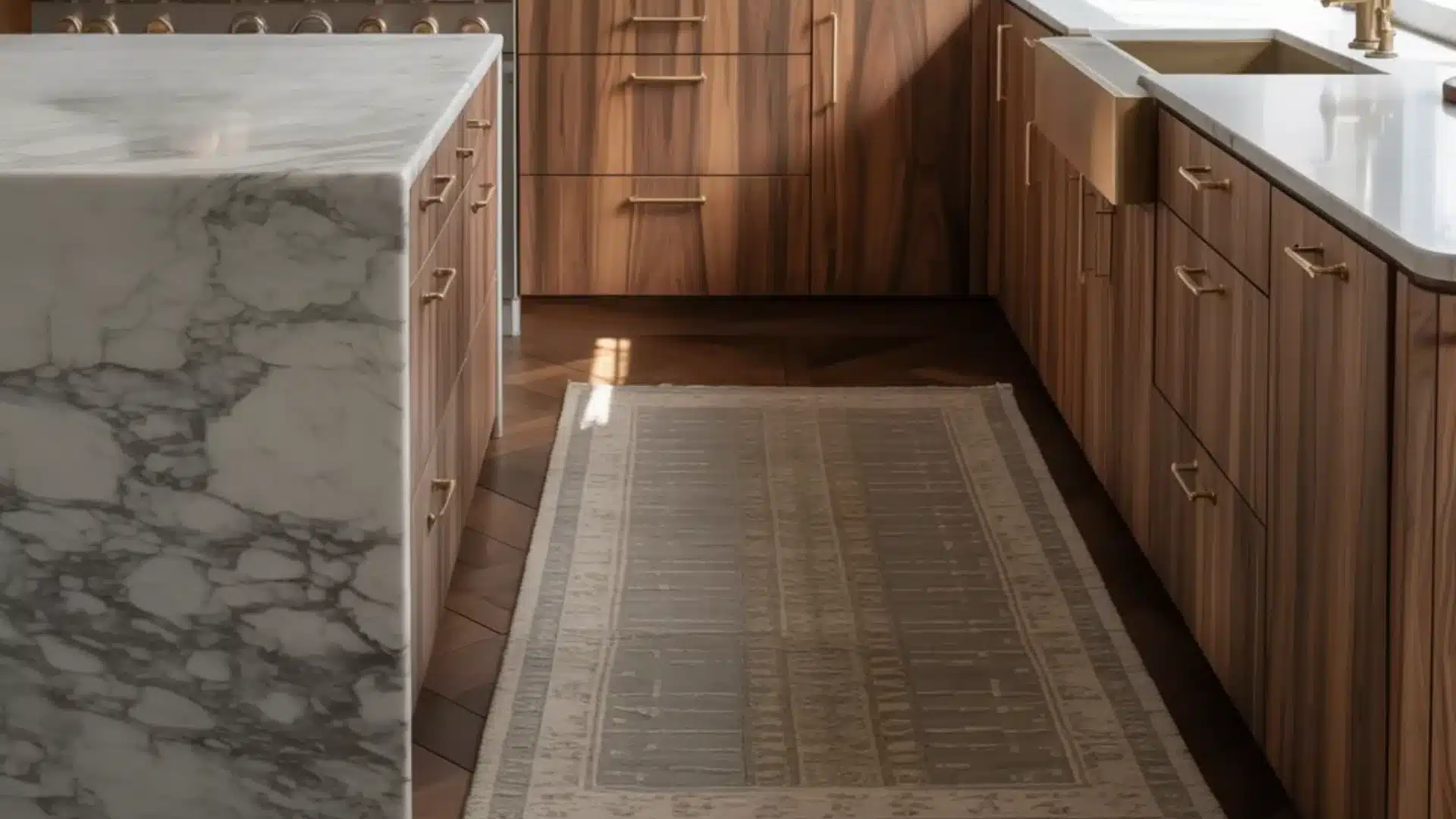
Warm neutral shades like beige, soft white, and light gray are the backbone of the color schemes. They are easy to layer and easy to update with accessories.
The key is varying the finish across surfaces so the palette does not fall flat.
How to layer neutrals without losing depth:
- Matte paint on walls to absorb light softly
- Satin finish on cabinets for a subtle sheen
- Polished or honed stone on countertops for contrast
13. Paneled Cabinet Doors
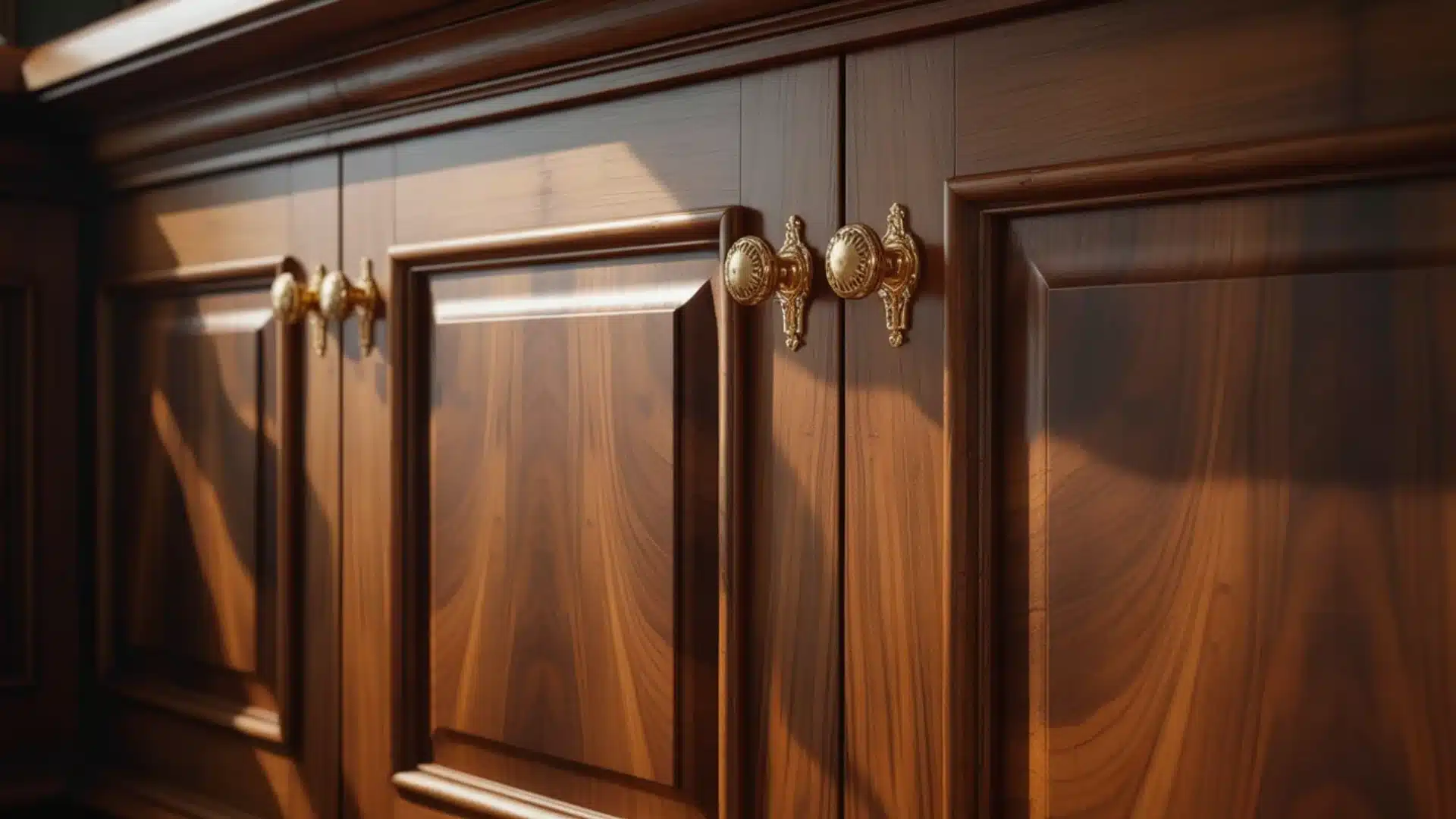
Raised panel doors add a level of craftsmanship that flat-front cabinets cannot match.
The shadow lines created by the panel detail give the cabinetry depth and make the kitchen feel more architectural.
This works especially well in larger kitchens where the cabinets cover a significant portion of the wall.
14. Traditional Pendant Lighting
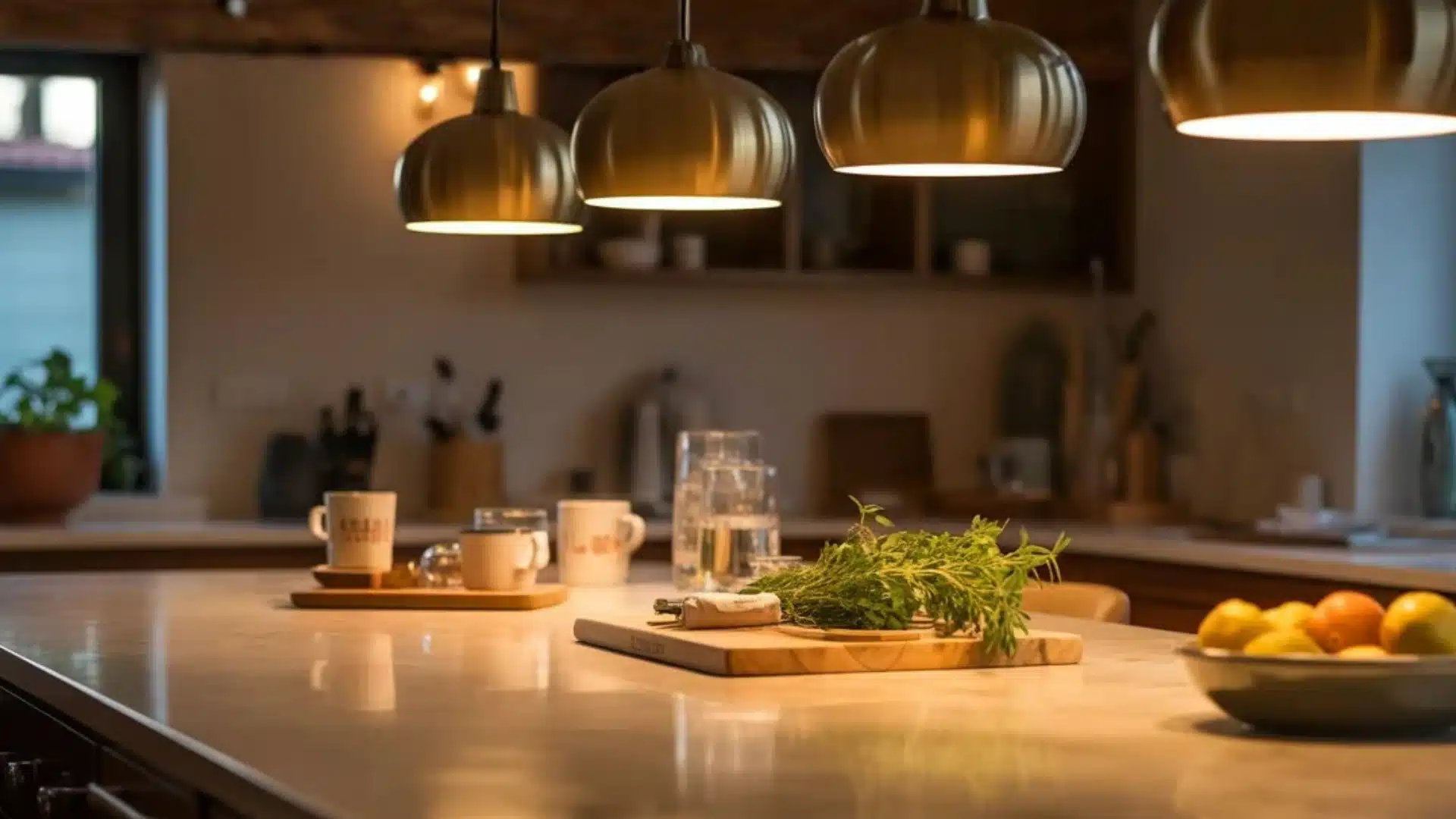
Pendant lights above the island serve two roles in a classic kitchen: task lighting and visual interest. Simple shapes work best here.
Lantern-style pendants, dome shades in brass or black, and ribbed glass all fit the traditional look without feeling overdone.
Tip: Hang pendants so the bottom of the shade sits roughly 30 to 36 inches above the island countertop. Too high and they lose impact. Too low and they get in the way.
15. Built-In Open Shelving
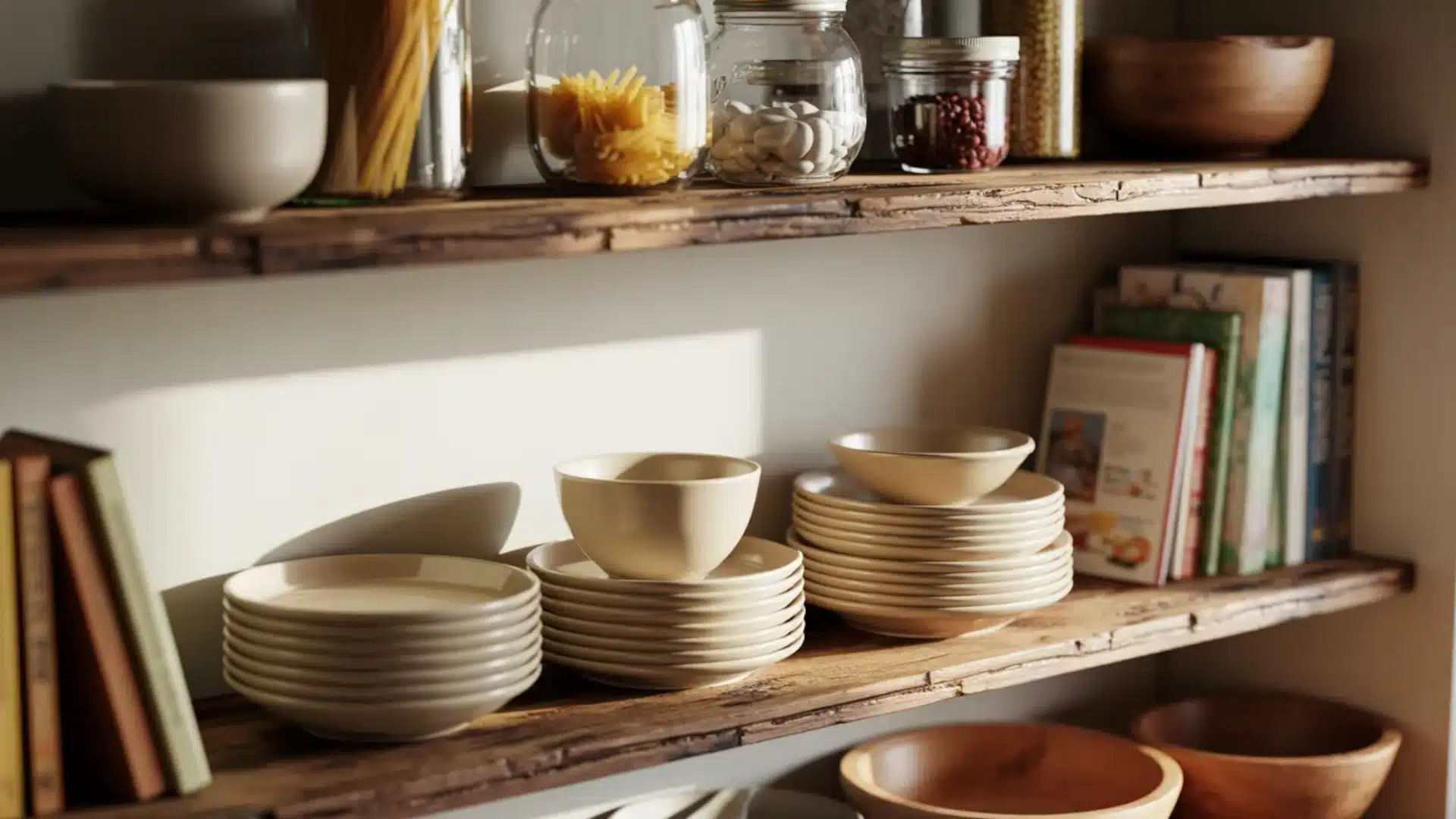
Open shelving in a kitchen works best when it is treated like a display, not a dumping ground.
A few stacked plates, some glassware, and a couple of everyday items arranged neatly look intentional.
Painted shelves that match the cabinetry keep everything cohesive rather than scattered.
16. Dark Wood Swish Kitchen
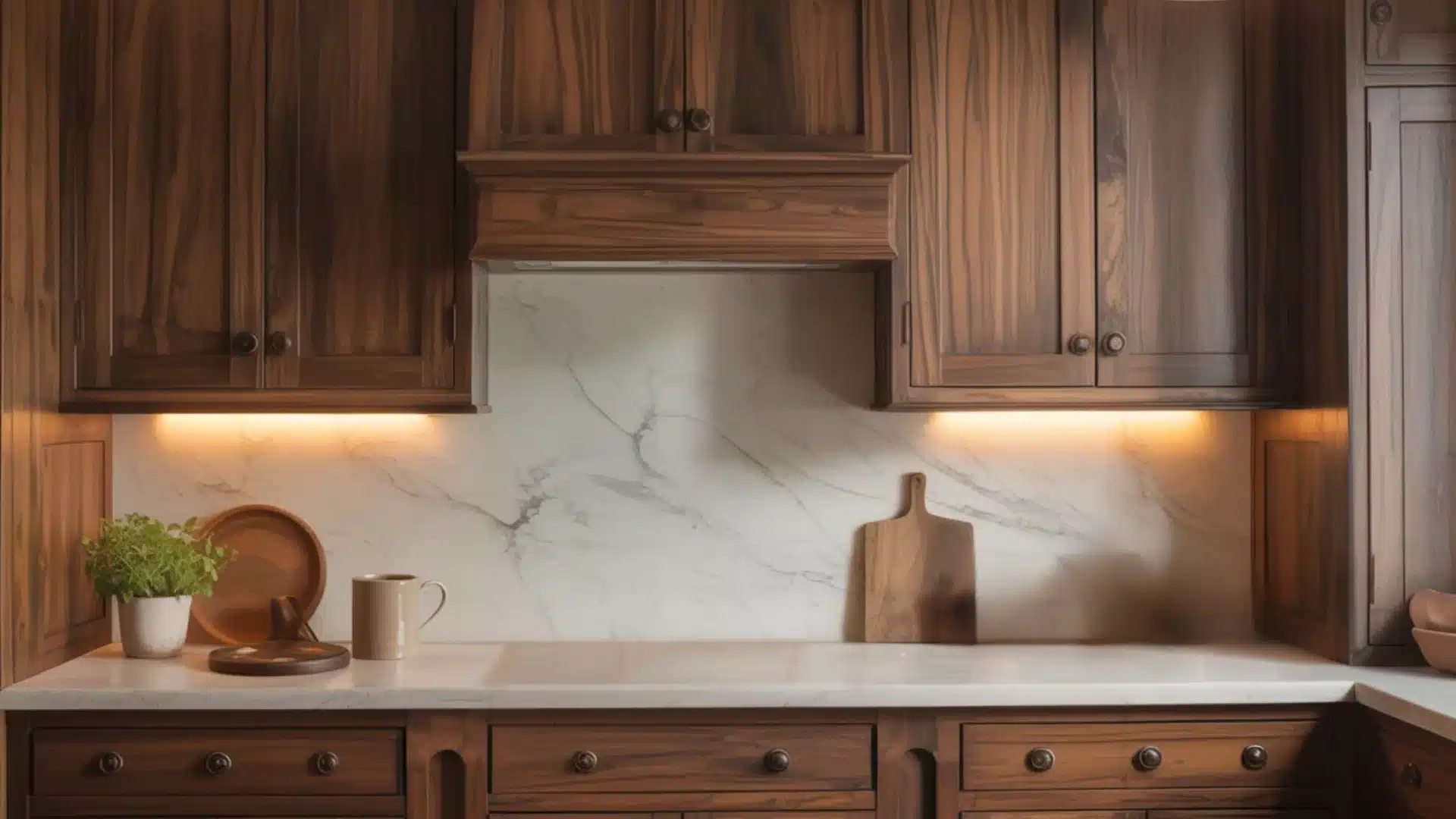
Deep walnut, mahogany, or cherry cabinetry adds a formal quality that lighter finishes cannot.
It works best in kitchens with strong natural light or well-planned artificial lighting. All three age well and hold their character over decades of use.
- Walnut: Warm brown with natural grain variation
- Mahogany: Deeper red-brown, more formal in feel
- Cherry: Rich tone that deepens further with age
17. Tile Flooring
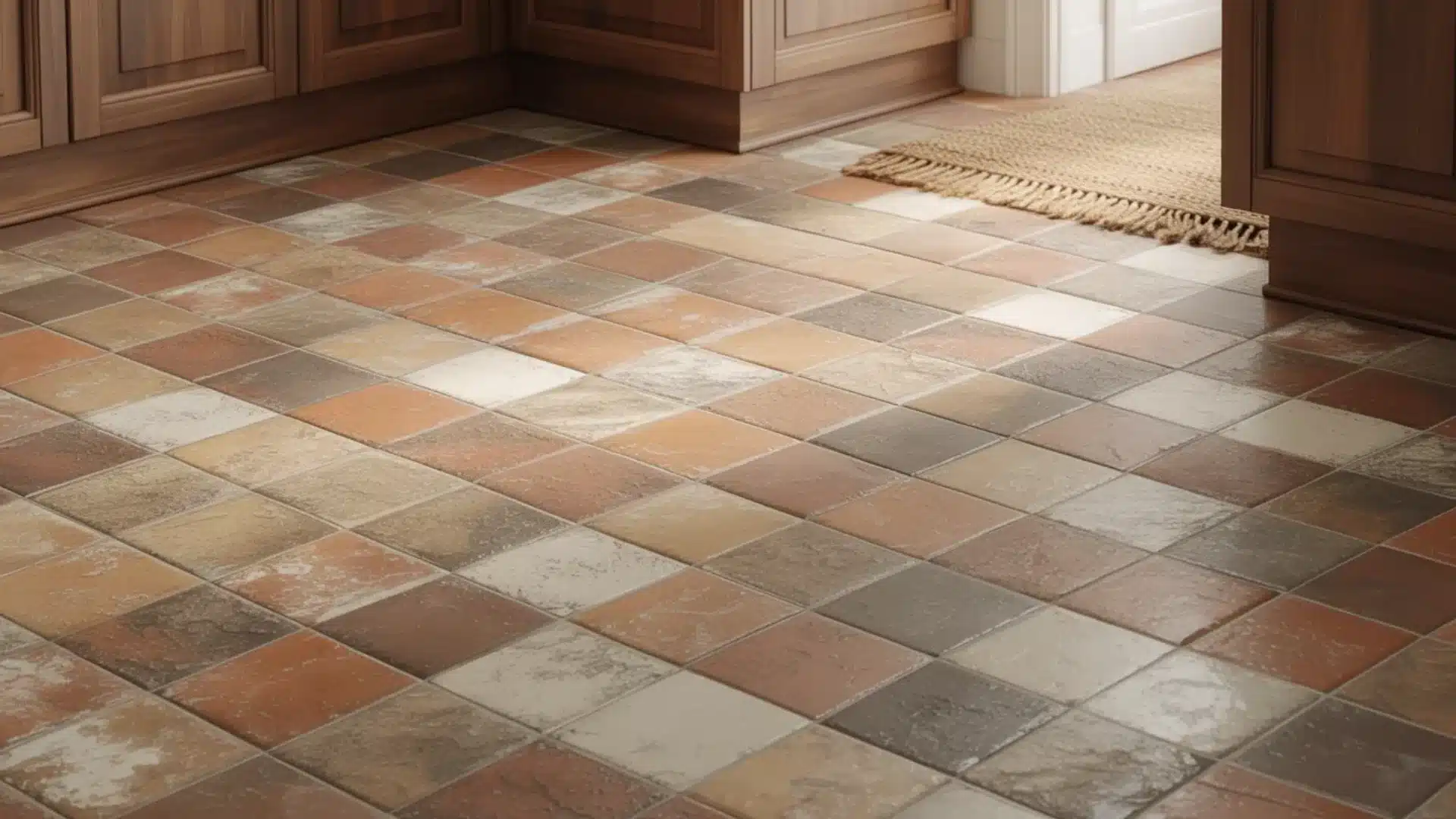
Stone and ceramic tile are among the most practical flooring choices. They handle spills, heavy use, and decades of foot traffic without losing their look.
Large-format stone tiles with minimal grout lines offer a particularly clean finish for a traditional space.
18. Symmetrical Layout Design
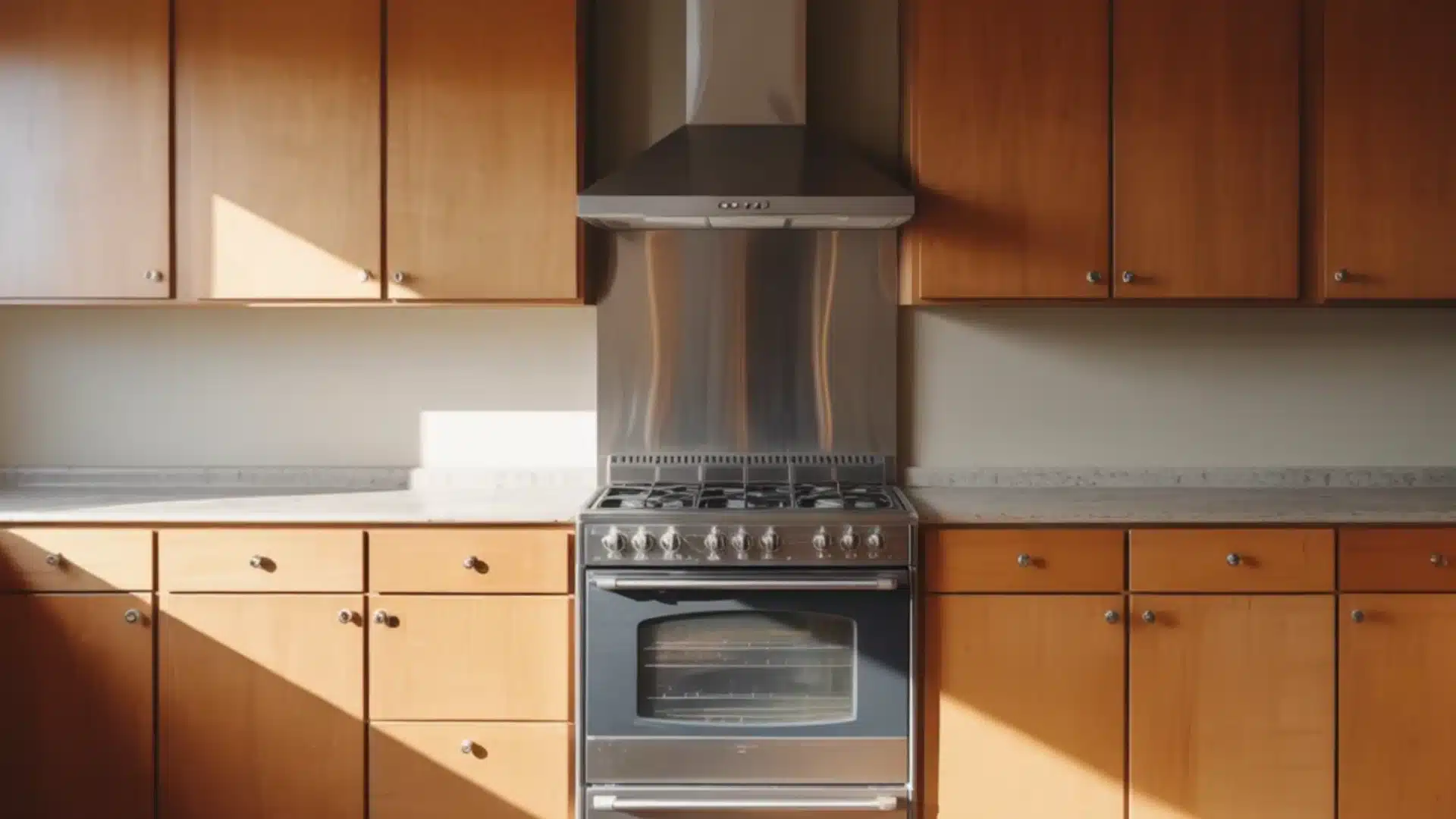
Matching cabinet runs on either side of a range, identical pendant lights flanking a window, or a centered island all create a sense of order that feels intentional.
It does not have to be perfectly mirrored, but the visual weight should feel balanced from the main entry point of the room.
19. Decorative Range Hood
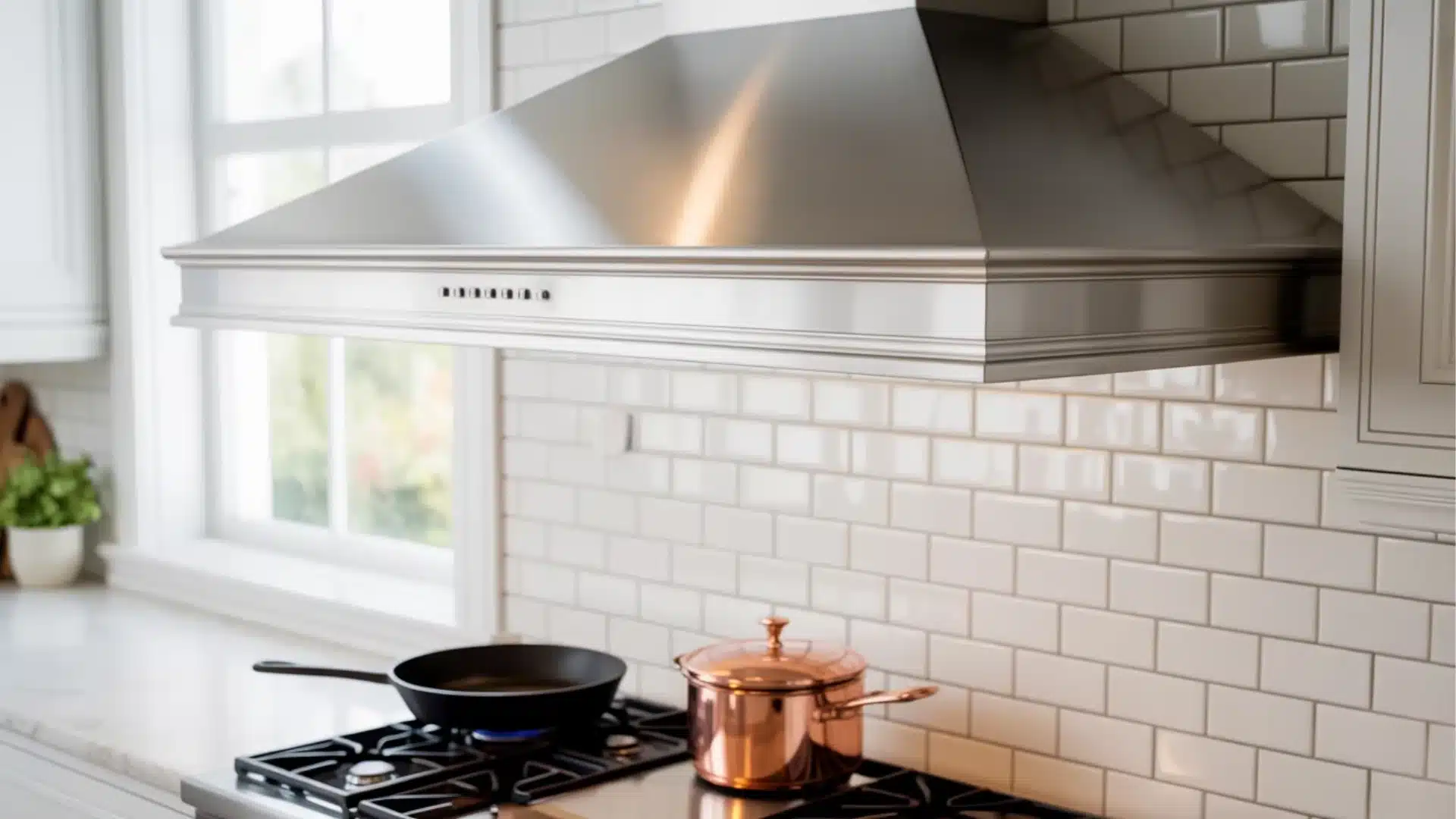
A custom range hood is one of the most impactful design choices. Whether clad in painted wood, plaster, or stone, the hood draws the eye upward and anchors the cooking zone.
It is the kind of detail that makes a kitchen feel fully designed rather than just assembled.
20. Vintage-Inspired Fixtures
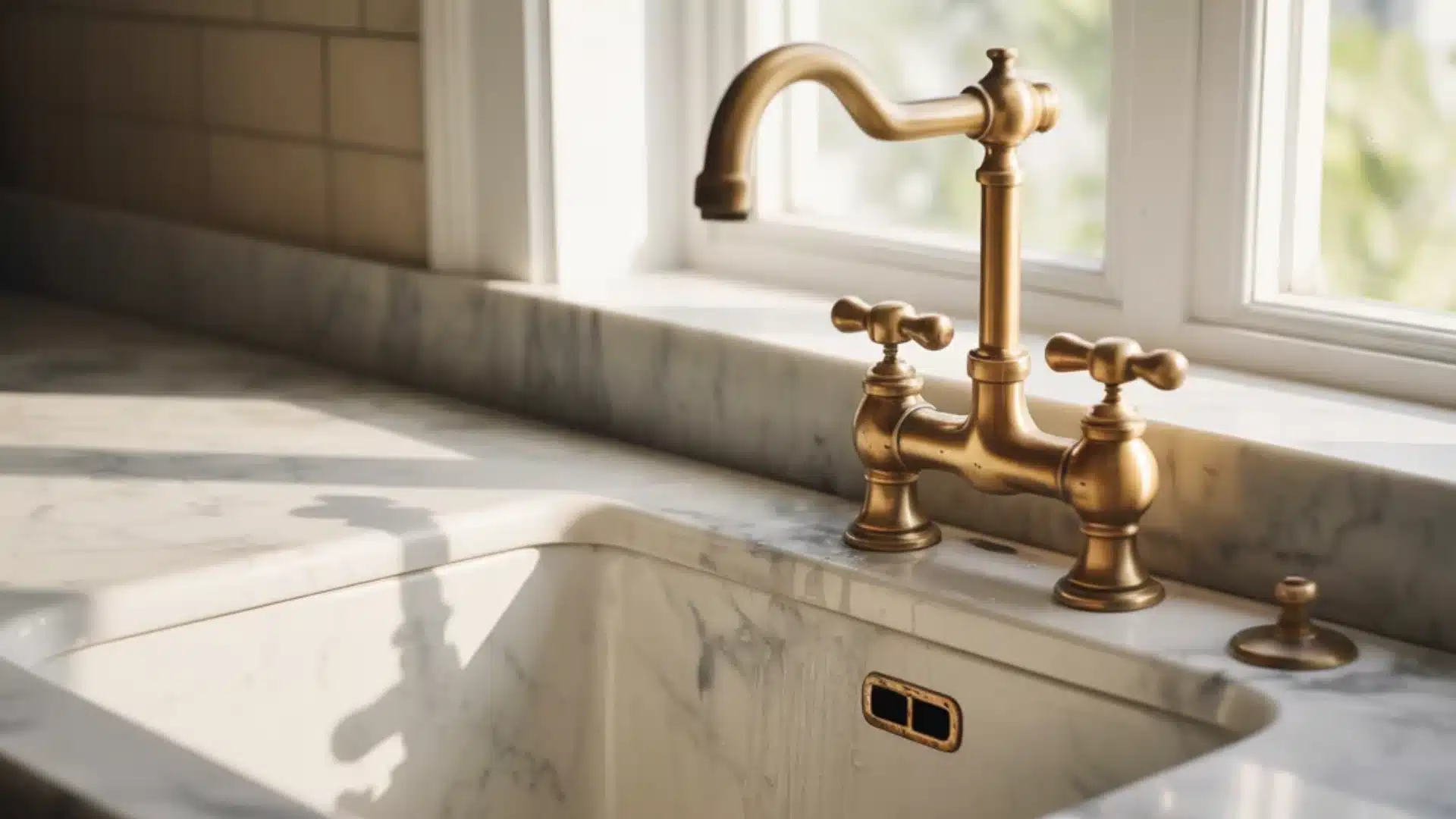
Bridge faucets, cross-handle taps, and porcelain detail handles all bring an old-school quality to a classy level without feeling costume-like.
A few fixture details worth paying attention to:
- Finish consistency across all fixtures matters more than the style itself
- Mixing brass with chrome creates visual noise that undercuts the traditional look
- Matte finishes tend to show less water spotting than polished ones
21. Soft Gray Cabinet Kitchen
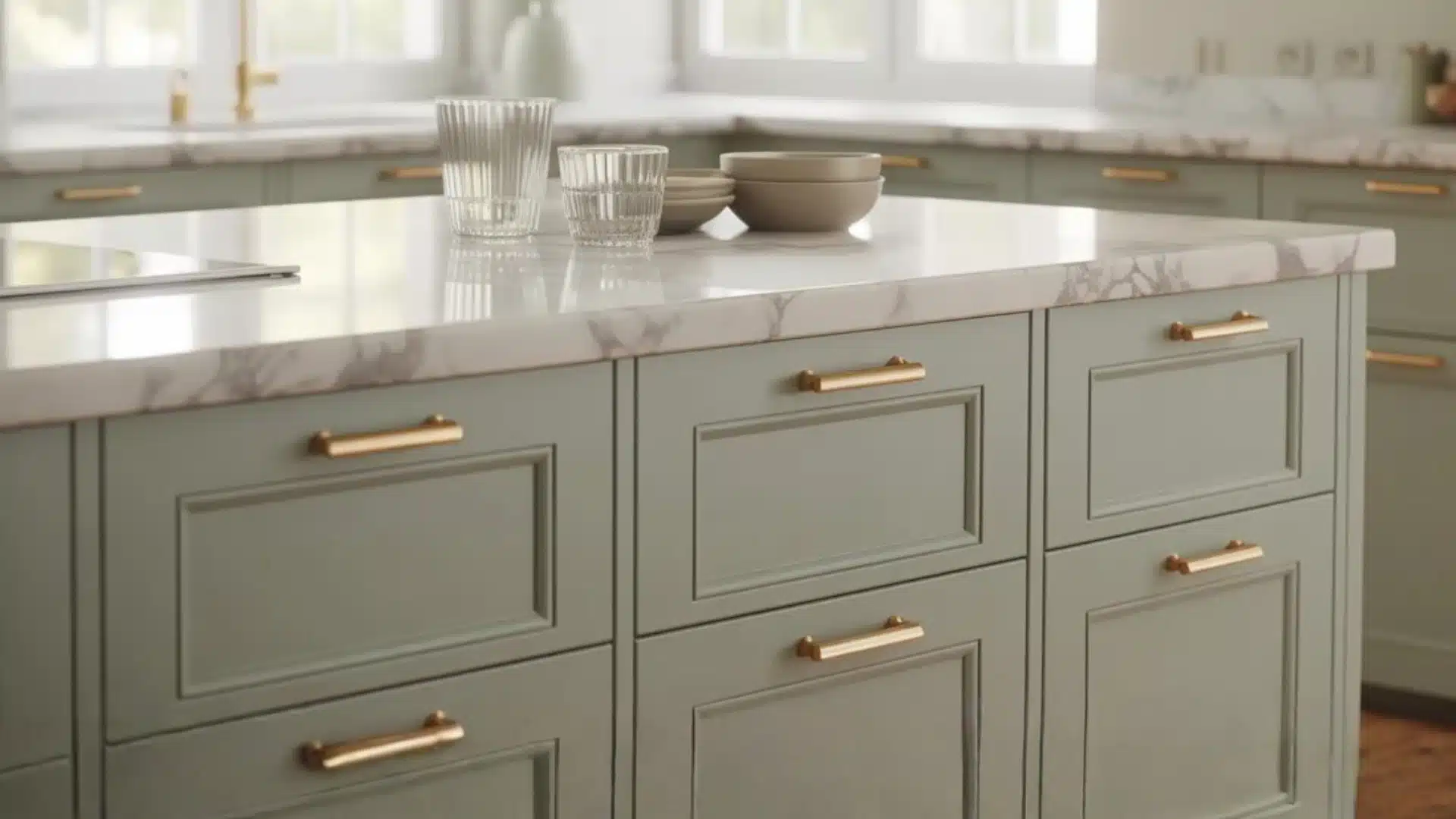
Soft gray cabinetry offers all the neutrality of white with a bit more depth.
It works particularly well in north-facing kitchens where natural light is limited, since it reads as a calm neutral rather than feeling washed out.
Pair it with white marble or light quartz countertops to keep the space feeling bright.
22. Wainscoting Walls
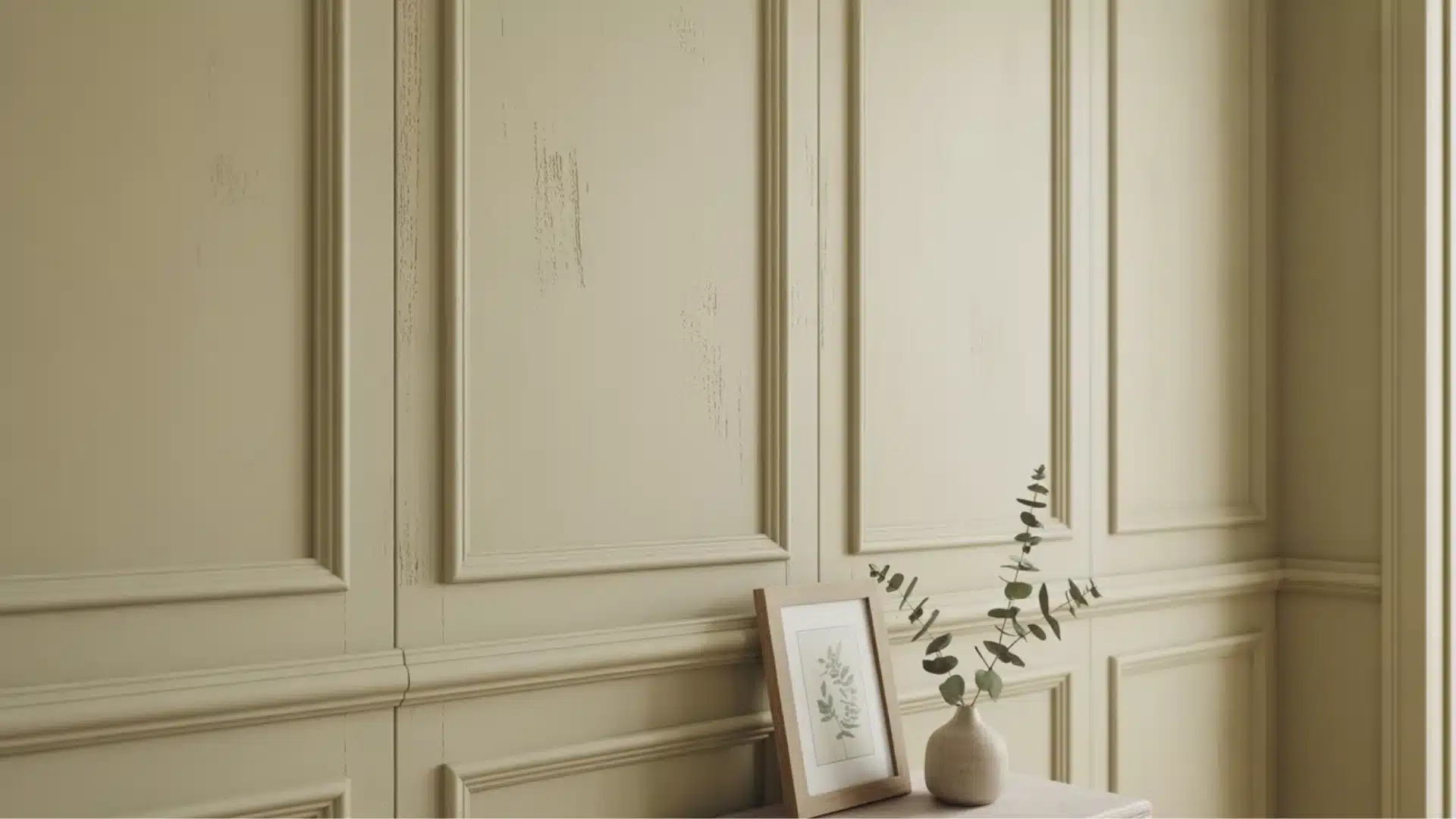
Wainscoting adds architectural interest to kitchen walls that would otherwise just sit flat. It works especially well in eat-in kitchens or areas around a banquette.
The choice between the two largely depends on how formal or relaxed the rest of the kitchen design is.
Two common styles for a classic kitchen:
- Beadboard: More casual, cottage-like feel
- Raised panel: More formal suits a traditional kitchen setup well
23. Hidden Appliance Integration
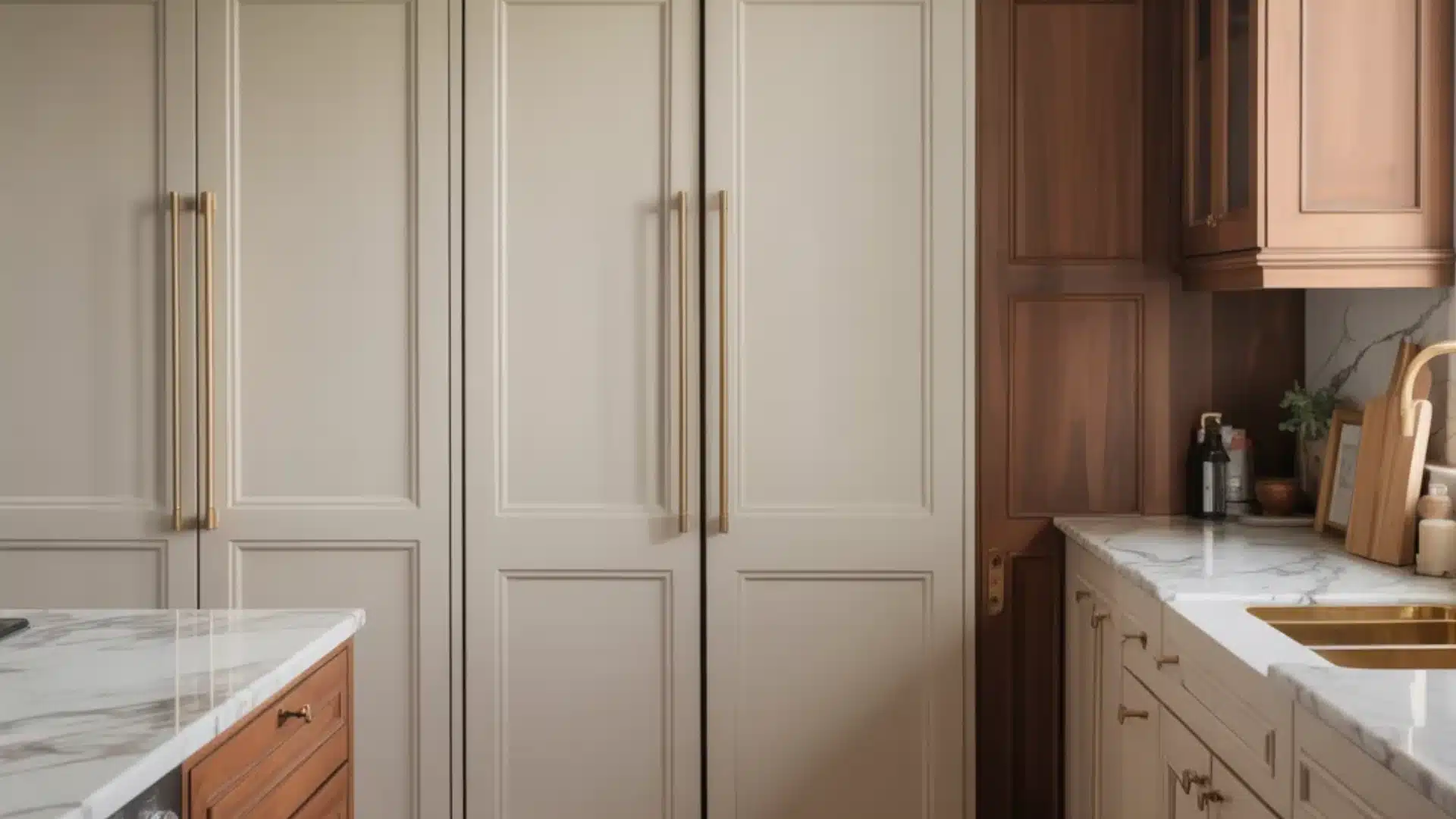
Panel-ready appliances, where the refrigerator and dishwasher fronts match the surrounding cabinetry, give a cleaner and more considered look.
It removes the visual interruption of stainless-steel boxes, letting the cabinetry read as a single continuous design across the room.
24. Natural Light Focus
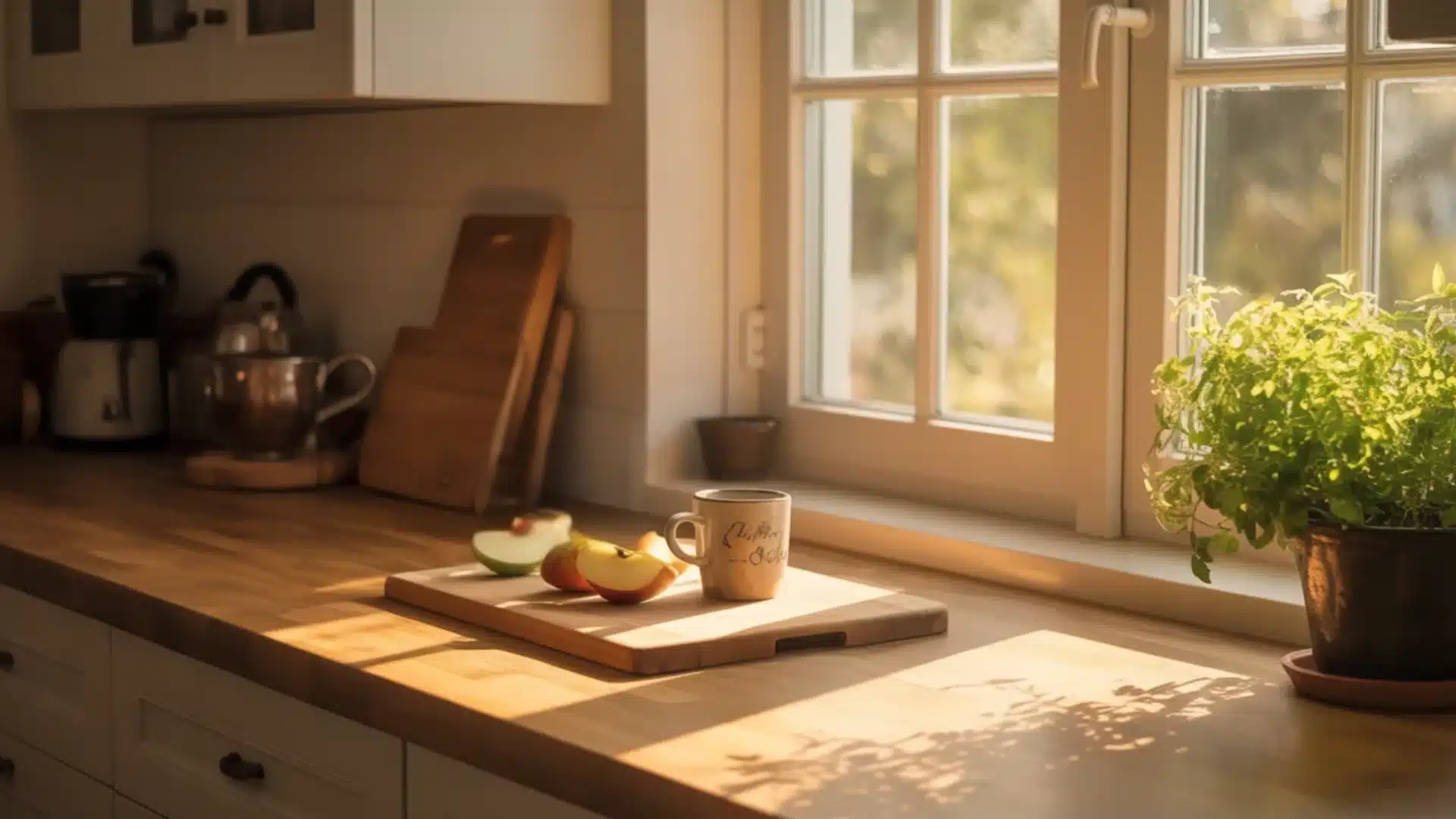
Large casement windows, transom windows above the sink, or a well-placed skylight can completely shift how a classic kitchen feels during the day.
Natural light brings out the grain in wood, the veining in stone, and the depth in painted finishes in a way that artificial lighting cannot.
Tip: Can’t renovate the windows? Swapping a solid exterior door for one with glass panels makes a noticeable difference in daily light levels.
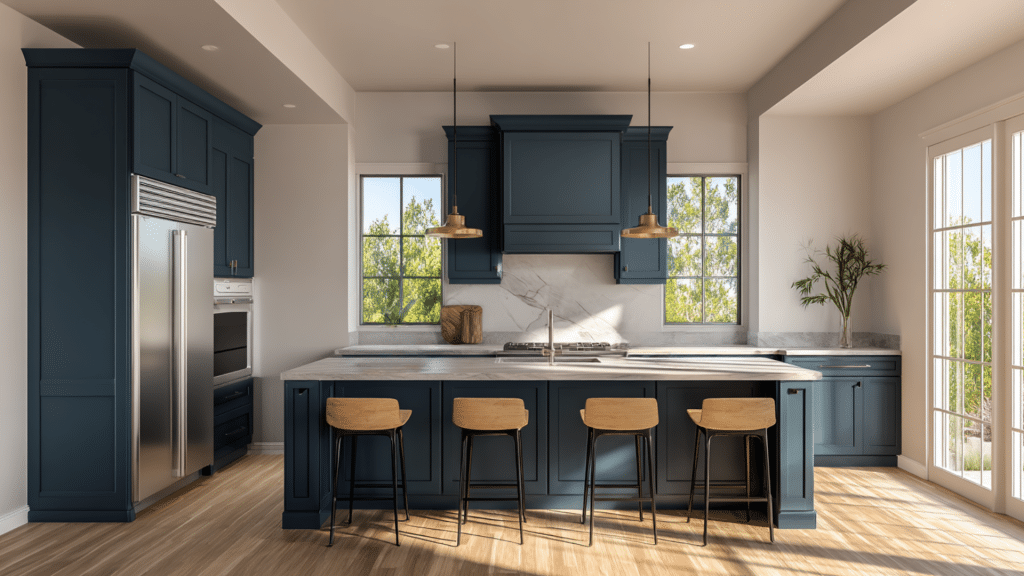
25. Two Tone Cabinet Design
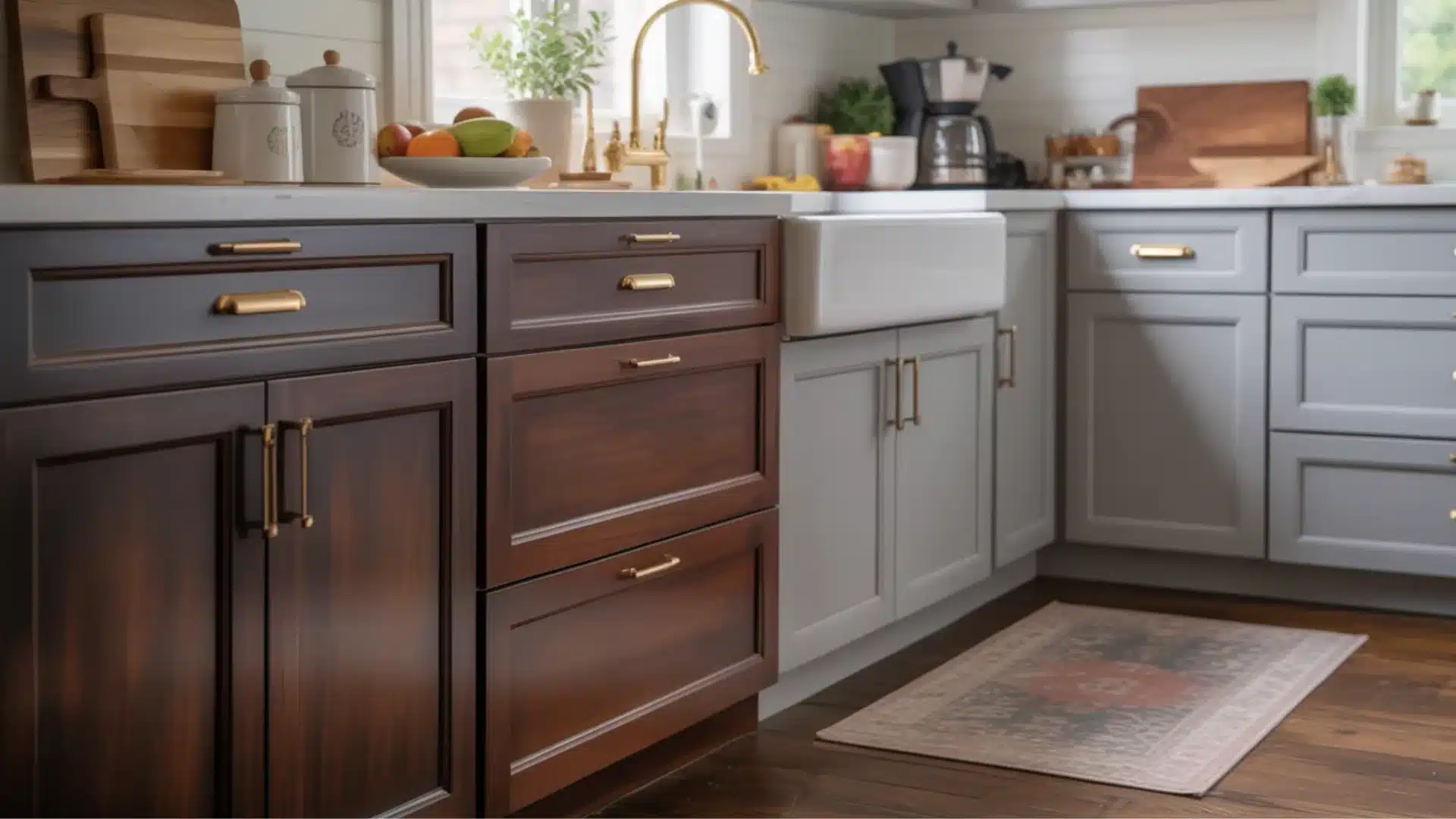
Using two cabinet colors, typically a lighter shade on top and a deeper one on the bottom, adds visual interest without breaking the traditional character of the kitchen.
It is one of the most effective ways to add depth to a classic kitchen without introducing a bold color or a pattern.
Why this works so well in a classic kitchen:
- The lighter upper cabinets keep the upper half of the room feeling open
- The deeper lower cabinets ground the space and add weight at the base
- The color shift draws the eye across the full run of cabinetry naturally
Layout That Actually Works
Classic kitchens rely heavily on symmetry. Layout is the backbone of any kitchen.
Get it wrong, and even the best cabinets and finishes will feel off.
The most popular options include:
- L-shaped: Great for open-plan spaces, keeps the work triangle tight
- U-shaped: Maximum storage and counter space, ideal for larger kitchens
- Galley: Efficient and straightforward, works well in narrow spaces
- Island layout: Adds a central work zone and extra seating
Quick Tip: Whatever layout you choose, make sure your cabinet placement feels balanced from every angle.
Classic Kitchen Accessories and Essentials
Get the cabinets right, and you have a kitchen. Get the details right, and you have a room people never want to leave.
Cabinets, appliances, and wall treatments each play a specific role, and understanding how they work together makes the whole space feel more intentional.
1. Kitchen Cabinets
Shaker-style cabinets remain the most reliable choice in a classic kitchen. The recessed frame is simple, durable, and never looks out of place.
Raised-panel doors add a more traditional depth if you want something with a bit more craftsmanship.
Soft white, cream, and muted gray are the finishes that work best, easy to live with and easy to build around.
2. Appliances
Appliances are about blending in, not standing out.
Panel-ready refrigerators and traditional range cookers sit quietly within the cabinetry rather than drawing attention.
Vintage-inspired knobs and handles add enough character to keep the space feeling grounded without tipping into anything that feels overdone.
3. Walls
Wall treatments exist to support the overall design, not compete with it.
Neutral tones and simple finishes let the cabinetry and countertops take the lead.
Wainscoting and beadboard add structure where a flat-painted wall would feel too plain, but the finish should always read as background rather than a feature.
Final Thoughts
A classic kitchen is not about following rules. It is about making choices that hold up over time, choices that still look right five, ten, even twenty years from now.
The cabinets, the hardware, the lighting, the color on the walls, every detail builds on the last.
Get those foundations right, and the rest falls into place naturally.
Start with one idea from this list, build from there, and you will end up with a classic kitchen that never needs a rethink.
Frequently Asked Questions
1. What is the Best Flooring for a Classic Kitchen?
Stone tile, ceramic, and hardwood are the most practical choices. Each holds up well over time and suits a traditional kitchen setup.
2. Can a Classic Kitchen Work in a Small Space?
Yes. Stick to lighter cabinet finishes, keep the layout simple, and use open shelving to avoid the space feeling closed in.
3. How Much Does a Classic Kitchen Renovation Cost?
Costs vary widely depending on materials and scale, but most classic kitchen renovations fall between ten thousand and fifty thousand dollars.