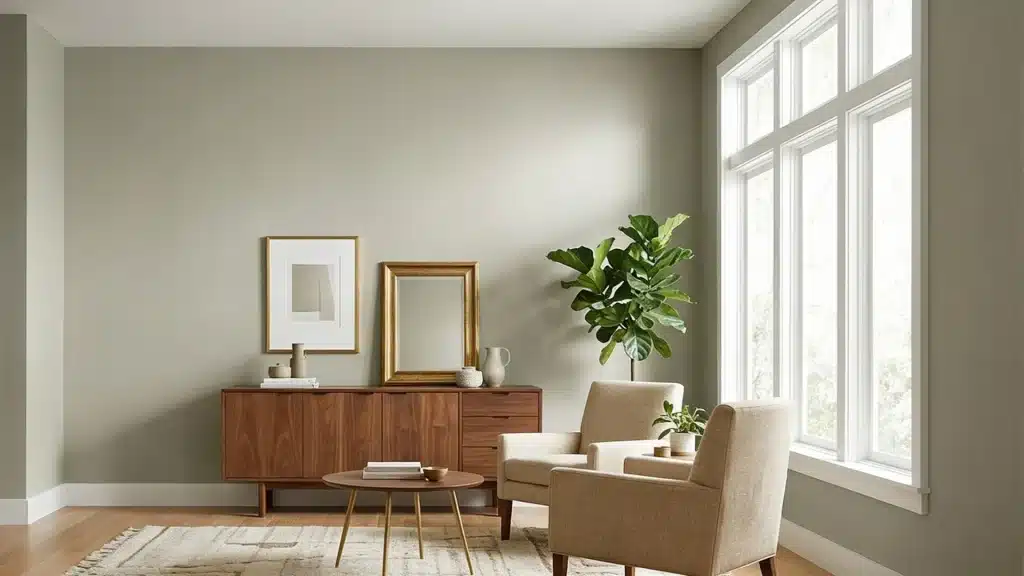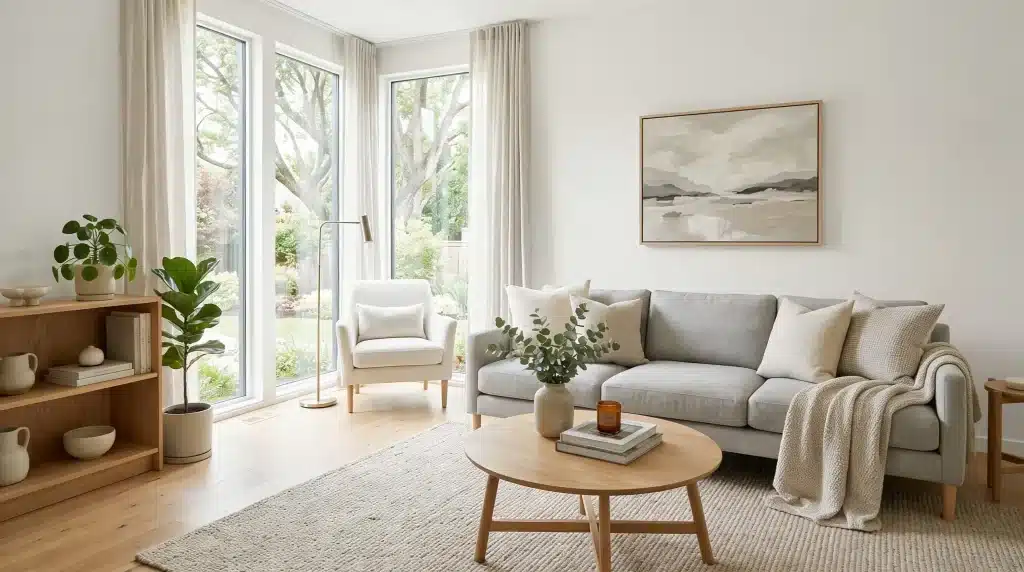
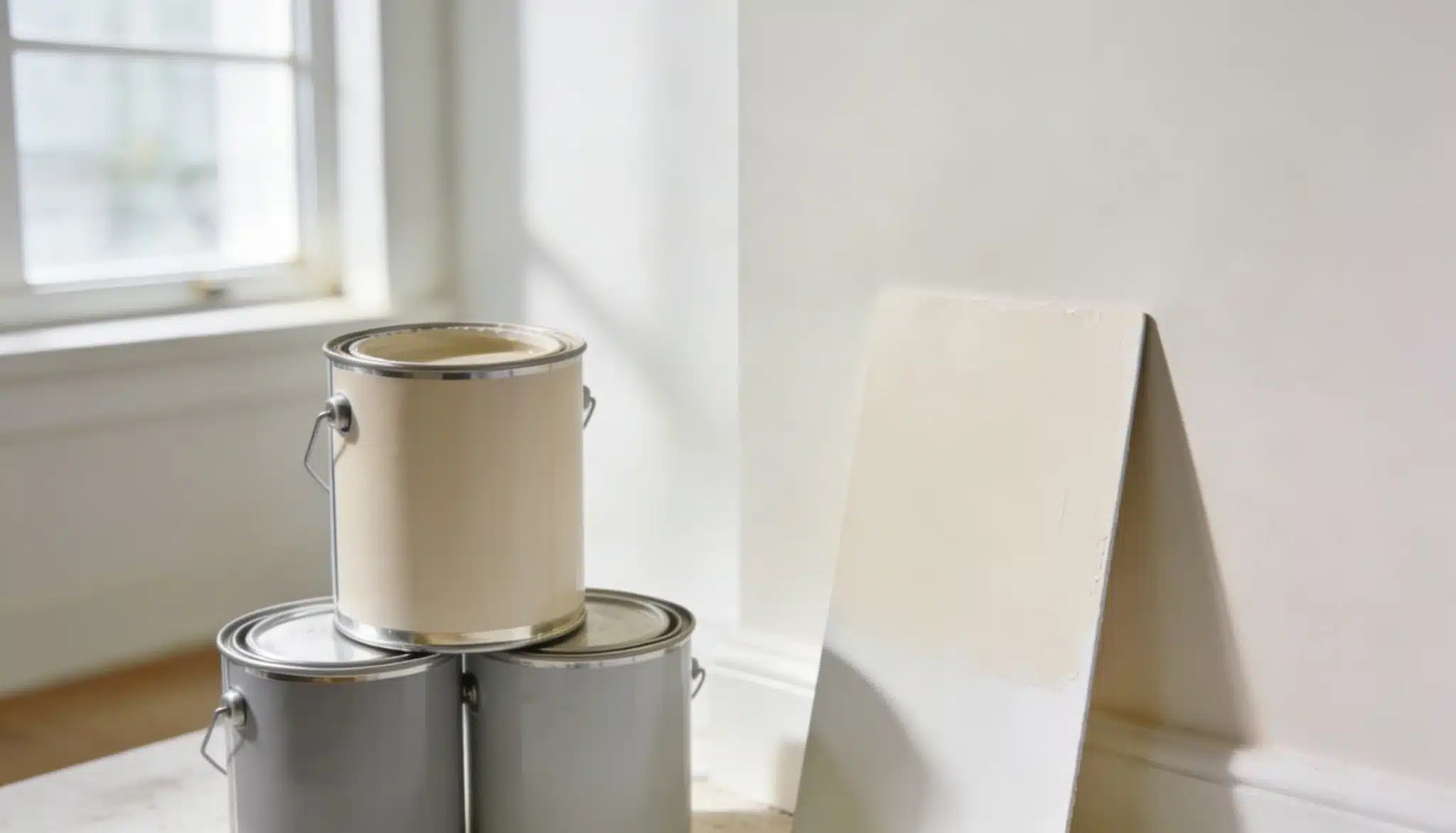

Most people agonize over the color for weeks and spend about thirty seconds on the finish.
Those thirty seconds are where most rooms go wrong.
Anyone who has ever repainted a living room knows the difference.
So what is eggshell paint? It is a soft, low-sheen finish that hides minor imperfections without looking flat or dull.
Unlike semi-gloss, which works better in kitchens and bathrooms, eggshell is the go-to for bedrooms and living areas where a calm, clean look matters most.
What is Eggshell Paint?
Eggshell paint sits right between flat and satin on the sheen scale. It has a soft, low sheen that gives walls a gentle glow without looking overly polished or clinical.
The surface is slightly reflective and smoother than flat paint, which makes it easier to clean and more practical for everyday living spaces.
It holds color consistently over time, so walls stay looking even and fresh without frequent touch-ups.
It adds a quiet sense of depth to any wall and looks intentional without trying too hard, which is harder to pull off than most finishes manage.
Key Features of Eggshell Paint
Eggshell paint brings more to the table than just a good-looking finish.
These are the qualities that make it a practical and popular choice for interior walls.
- Moderate Durability: It holds up well against everyday scuffs and light wear, making it a solid choice for regularly used spaces.
- Easy Maintenance: A damp cloth is usually enough to wipe off most marks without damaging the finish.
- Better Stain Resistance Than Matte: The denser surface prevents splashes and fingerprints from soaking into the paint the way flat finishes do.
- Versatile Application: It works in a wide range of interior spaces, from bedrooms to dining rooms, without looking out of place.
- Good Color Retention: Eggshell holds its color well over time, so walls stay looking fresh and consistent even after years of use.
Why Eggshell Paint Gets it Right and Where it Falls Short
Eggshell paint is one of the most commonly recommended finishes for interior walls, and for good reason.
It strikes a balance between durability and appearance that most other finishes simply do not offer in the same way.
1. Benefits of Eggshell Paint
Eggshell checks a lot of boxes for everyday interior painting.
It is the kind of finish that looks good and holds up without demanding too much effort.
- Gives walls a clean look without being too shiny or distracting
- Low sheen softens minor imperfections on older or uneven walls
- Handles light cleaning without wearing down quickly
- Holds color consistently, so walls look even and fresh
2. Limitations to Know Before Using it
Eggshell is a reliable choice, but it does have its limits. There are a few situations where a different finish would simply do a better job.
- Not ideal for high-moisture areas like bathrooms
- Touch-ups can be tricky since sheen differences are often visible
- Does not hold up well near stoves or areas with heavy steam
- On rough or textured walls, the sheen can highlight flaws
Eggshell vs Semi Gloss: What’s the Difference?
Semi-gloss paint has a noticeably higher sheen than eggshell, making it more reflective and visually sharper on walls.
It is built for spaces that need a tougher, moisture-resistant surface rather than a soft, lived in feel.
| Feature | Eggshell | Semi Gloss |
|---|---|---|
| Shine and Appearance | Soft, low sheen with a subtle glow | High sheen with a noticeably reflective surface |
| Durability and Washability | Moderately durable, handles light cleaning well | Highly durable, stands up to frequent scrubbing |
| Moisture Resistance | Low to moderate, not suited for wet areas | High, performs well in kitchens and bathrooms |
| Hides Imperfections | Better at softening wall flaws and uneven surfaces | Reflects light, which can make imperfections more visible |
Best Places to Use Eggshell and Semi Gloss Paint
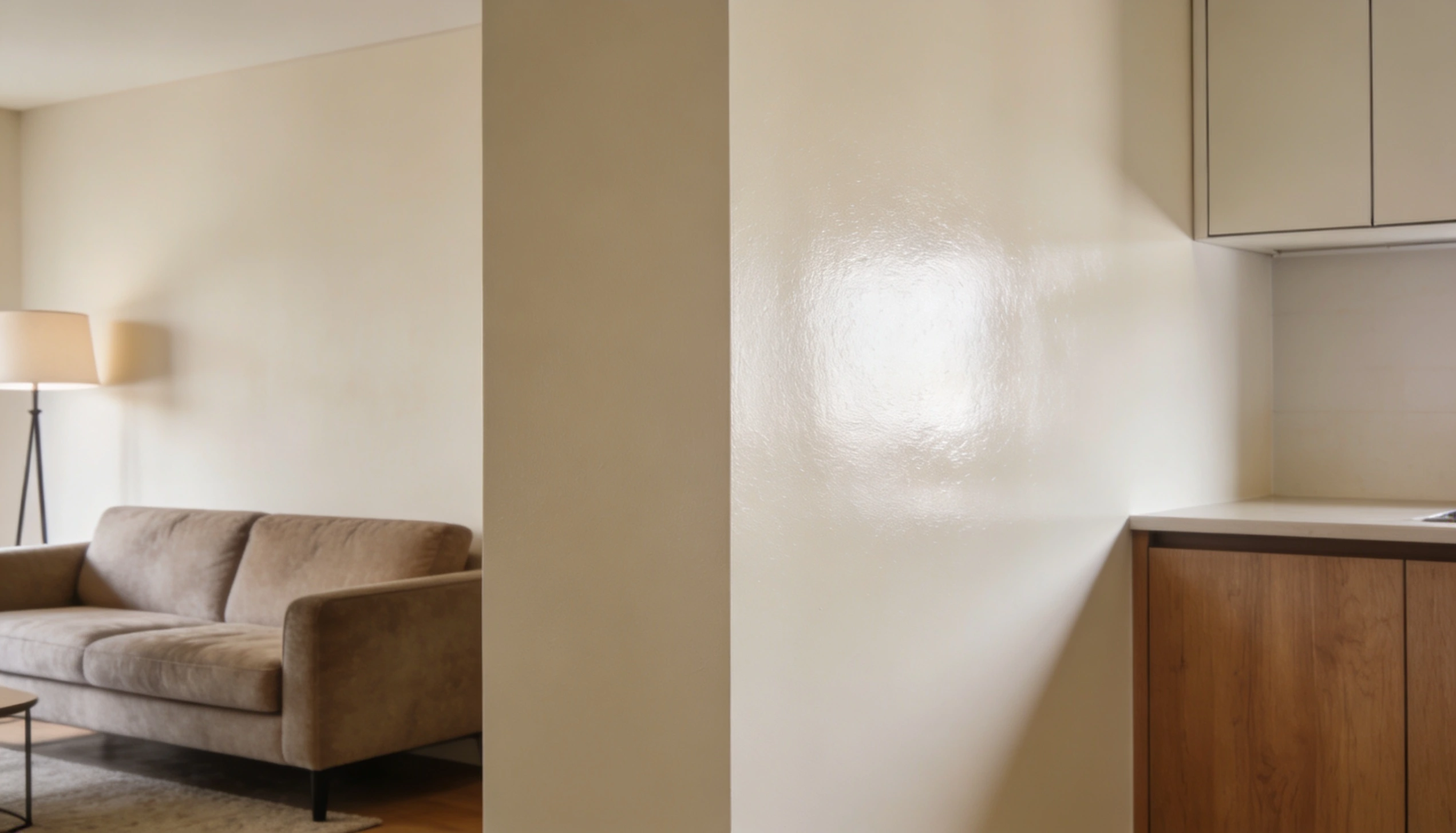
Picking the right finish is just as important as picking the right color.
Each finish has spaces where it genuinely performs better, and knowing that upfront saves a lot of repainting down the line.
1. Living Rooms
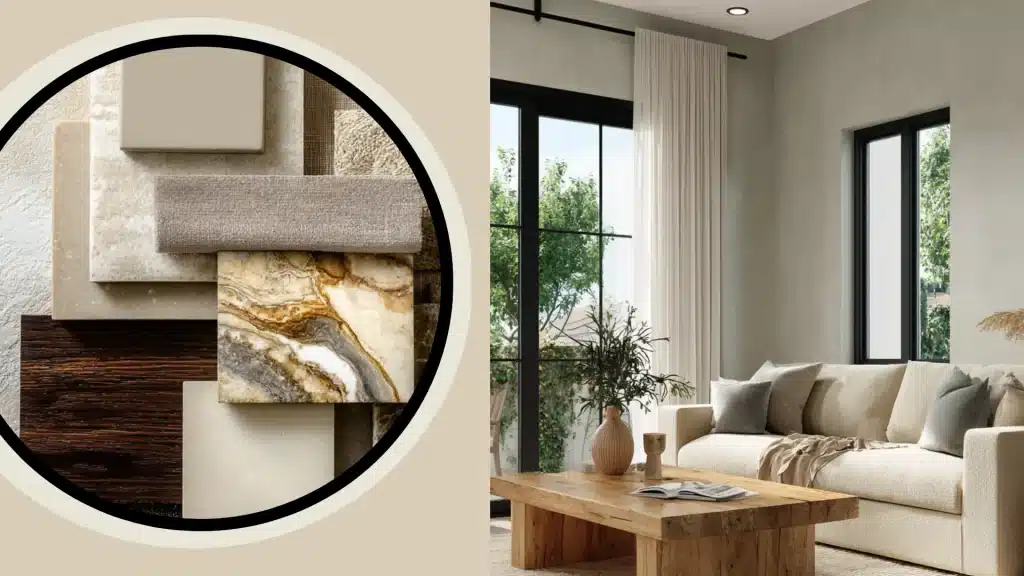
Eggshell paint fits naturally in living rooms because it gives walls a soft finish without too much shine.
It reflects enough light to keep the room bright while still hiding small marks and uneven textures.
Semi-gloss paint is usually not the best option here because its reflective surface can make walls look overly shiny and highlight imperfections more easily.
Eggshell works especially well with earthy shades, soft whites, and muted colors commonly used in gathering spaces.
2. Bedrooms
Bedrooms need a finish that feels calm and comfortable rather than overly reflective. Eggshell paint creates a softer wall appearance, helping the room feel relaxed and balanced.
Unlike semi gloss, it does not reflect too much light around the space, making it more suitable for sleeping areas.
- Soft sheen helps bedrooms feel more comfortable
- Hides wall flaws better than glossier finishes
- Works well with both light and dark paint colors
3. Dining Areas
Dining rooms benefit from eggshell paint because it creates a polished appearance without becoming too reflective under lighting fixtures.
Semi-gloss paint can sometimes feel too bright in dining spaces, especially under chandeliers or pendant lighting, where glare becomes more noticeable.
Warm neutrals and deep tones often pair nicely with eggshell finishes in dining rooms.
4. Hallways and Entryways
Eggshell paint performs well here because it stands up better than flat paint while still hiding scuffs reasonably well.
Semi-gloss can become too reflective in narrow hallways and may make scratches or dents more visible under direct lighting.
- Holds up better than matte finishes
- Keeps walls looking cleaner between touch-ups
- Creates a softer appearance than semi-gloss
5. Bathrooms
Bathrooms deal with constant moisture, steam, and water splashes, making semi-gloss paint one of the more practical choices.
Its smoother surface helps resist moisture buildup and allows walls to wipe clean more easily after daily use.
Eggshell paint may struggle in poorly ventilated bathrooms because moisture can affect the finish over time.
Semi-gloss works especially well around sinks, tubs, and vanity walls where water exposure happens regularly.
6. Kitchens
Kitchens need paint that can handle grease, cooking residue, steam, and regular scrubbing.
Semi-gloss paint performs well because its durable surface cleans up more easily than eggshell finishes.
While eggshell may still work in low-cooking kitchens, semi-gloss generally lasts longer around stoves, backsplashes, and food prep areas where walls get dirty faster.
- Easier to wipe down after cooking splashes
- Handles repeated cleaning without wearing quickly
- Helps brighter kitchen colors appear slightly cleaner
7. Doors and Trim
Doors and trim are constantly touched, bumped, and covered in fingerprints throughout the day.
Semi gloss paint protects these surfaces better because it forms a harder coating that resists marks and scratches.
Eggshell paint is usually avoided here since it may wear down faster on frequently touched edges and corners.
The slight shine of semi-gloss also helps trim stand out against surrounding walls.
8. Cabinets and Baseboards
Cabinets and baseboards need a paint finish that can handle cleaning, scuffs, and daily wear without fading quickly.
Semi-gloss paint works well because its smoother texture keeps dirt from sticking as easily and allows surfaces to wipe clean faster.
Eggshell finishes may look duller over time in these areas, especially near floors or busy kitchen cabinets.
Semi-gloss baseboards are usually easier to clean during regular floor mopping and dusting.
Eggshell Compared to Other Paint Finishes
Not all paint finishes are created equal.
Each one serves a different purpose, and choosing the wrong one can affect how a room looks and how long the paint actually lasts.
1. Eggshell vs Flat
Flat paint has zero sheen and absorbs light completely, giving walls a smooth, matte appearance.
Eggshell, on the other hand, adds just enough sheen to make walls easier to clean and more resistant to marks.
Flat paint works well on ceilings where no one is scrubbing the surface, but for walls that see daily use, eggshell is simply the more practical option.
2. Eggshell vs Satin
When comparing these two, the difference comes down to the sheen level and durability.
- Sheen Level: Satin has a noticeably higher sheen than eggshell, giving it a slightly pearl-like appearance on walls
- Durability: Satin is tougher and handles more frequent cleaning without wearing down
- Best Use: Eggshell suits living areas and bedrooms, while satin works better in kids’ rooms and busy hallways
- Imperfection Coverage: Eggshell hides surface flaws more effectively since satin reflects more light
If a space gets a lot of activity but still needs to look refined, satin is the better pick over eggshell. But for quieter rooms where overall look take priority, eggshell wins.
3. Eggshell vs High Gloss
High gloss is the most reflective finish available. It creates an almost mirror-like surface that makes colors pop but also highlights every single imperfection on a wall.
Eggshell belongs in bedrooms, living rooms, and dining areas where a subtle, refined finish matters more than shine.
High gloss works best on furniture, accent walls, trims, and surfaces that need maximum durability and a dramatic visual impact. The two are rarely the right answer for the same space
4. Eggshell vs Matte
Matte sits just below eggshell on the sheen scale and is a popular choice for modern interiors.
It gives walls a soft, velvety look but absorbs moisture more readily, making it harder to clean.
For anyone trying to understand what eggshell paint is and how it differs, matte blends touch-ups more seamlessly but simply do not hold up as well in busy spaces.
When daily maintenance matters, eggshell is the stronger option.
Matte works well for accent walls or low-traffic spaces but a parent chasing toddlers or a pet owner dealing with muddy paw prints will find eggshell much easier to wipe down and maintain.
Why is Eggshell Paint More Expensive?
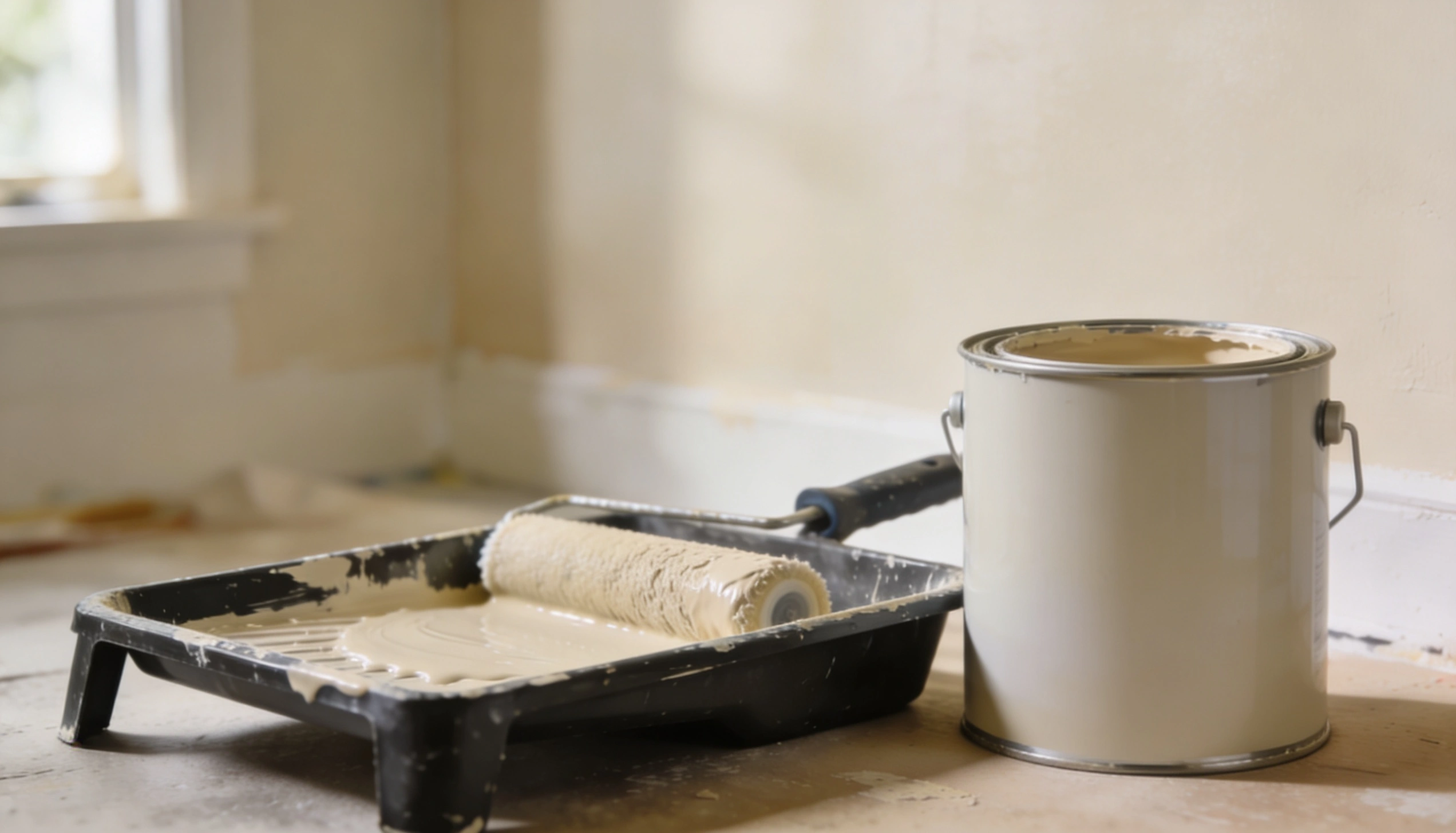
Eggshell paint tends to cost more than flat or matte finishes because of the materials used in its production.
The formulation requires additional binders and additives that create its signature low sheen while also improving durability and stain resistance.
Better quality resins are used to make the finish washable without breaking down. On top of that, reputable brands invest in pigment quality to ensure consistent color payoff.
The extra cost reflects a finish that genuinely lasts longer and performs better on everyday walls.
Best Eggshell Paint Brands for Interior Walls
Not all eggshell paints perform the same way, and the brand makes a real difference.
Sherwin Williams Emerald Interior delivers smooth, consistent coverage with a low sheen that holds up well over time.
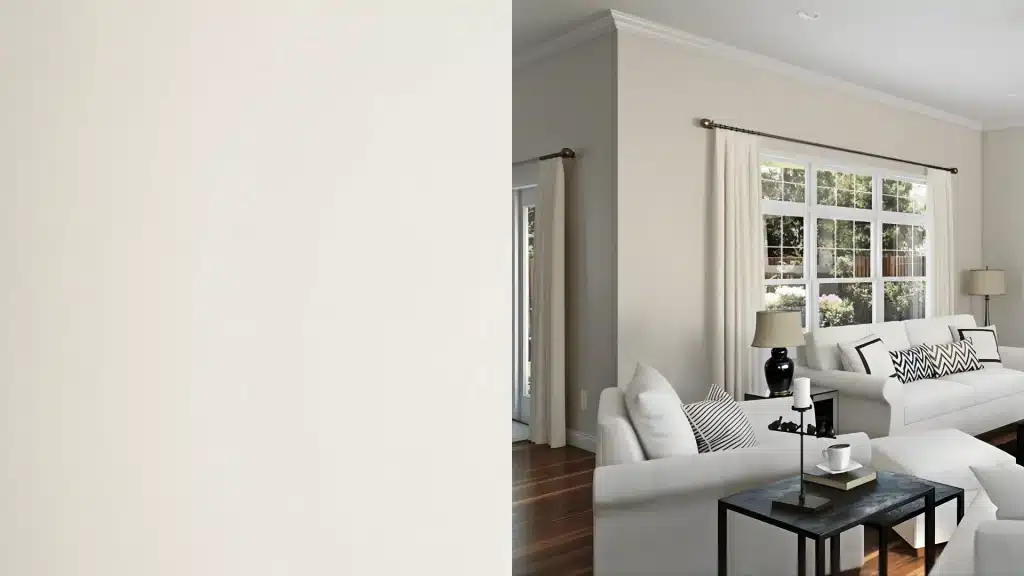
Alabaster and Agreeable Gray are the two most requested shades and work across almost any interior style.
Benjamin Moore Regal Select is known for rich pigmentation and a finish that stays fresh longer than most at this price point.
Chantilly Lace and White Dove are the go-to shades for clean, bright interiors.
Farrow and Ball sits in a different category entirely. The pigments are deeper and more complex than anything in the mainstream range.
Conclusion
Most paint decisions come down to two questions: will it look right, and will it hold up?
Eggshell answers both well enough for most rooms in most homes. It does its job without calling attention to itself, keeping rooms looking clean and well put together.
When weighing eggshell vs semi-gloss, most homeowners find that eggshell handles their living spaces well while semi-gloss takes care of the rest.
The right finish does not just protect the walls. It changes how a room feels to live in.
Frequently Asked Questions
1. Can You Use Eggshell Paint on Ceilings?
Eggshell is not the best choice for ceilings, as its slight sheen can reflect light unevenly, making imperfections more noticeable overhead.
2. How Many Coats of Eggshell Paint Does a Wall Need?
Most walls need two coats of eggshell paint for an even, consistent finish, especially when covering a darker color.
3. Can Eggshell Paint Be Used on Wood Surfaces?
Yes, eggshell paint can be applied to wood surfaces, but a proper primer coat is strongly recommended for better adhesion and a longer-lasting finish.