
You found the perfect color. The undertones look right. The trim matches. Then someone mentions lead paint and suddenly the whole project feels uncertain.
Can you paint over lead paint, or is it a bigger job than you thought?
Once you know the steps, it is not complicated at all Here is what to check before you open a single can of paint.
What is Lead Paint Encapsulation?
Lead paint encapsulation means covering lead paint with a special sealing coat. It locks the paint in place so it cannot chip, flake, or release harmful dust into the air.
Think of it as containing the problem rather than removing it. The lead stays on the wall but cannot cause harm.
It is faster and cheaper than full removal.
It works best when the existing paint is still firm, not cracking or peeling off the wall.
Lead Paint Removal Procedure
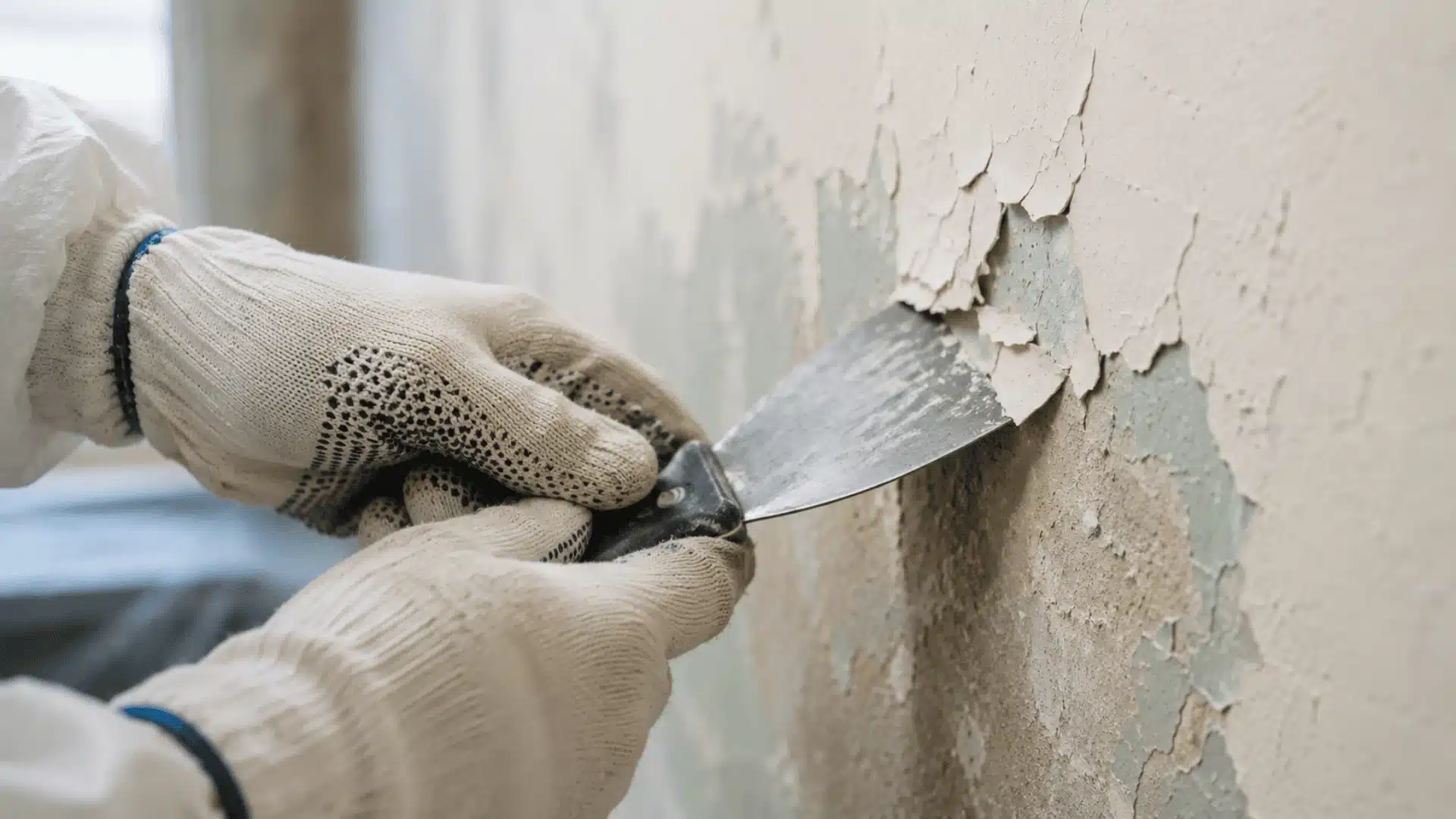
Removing paint needs proper planning and strategy.
Here is how it typically works.
First, the area gets sealed off with plastic sheets. This stops dust from spreading to other rooms. Anyone in the space wears protective gear gloves, goggles, and a respirator mask.
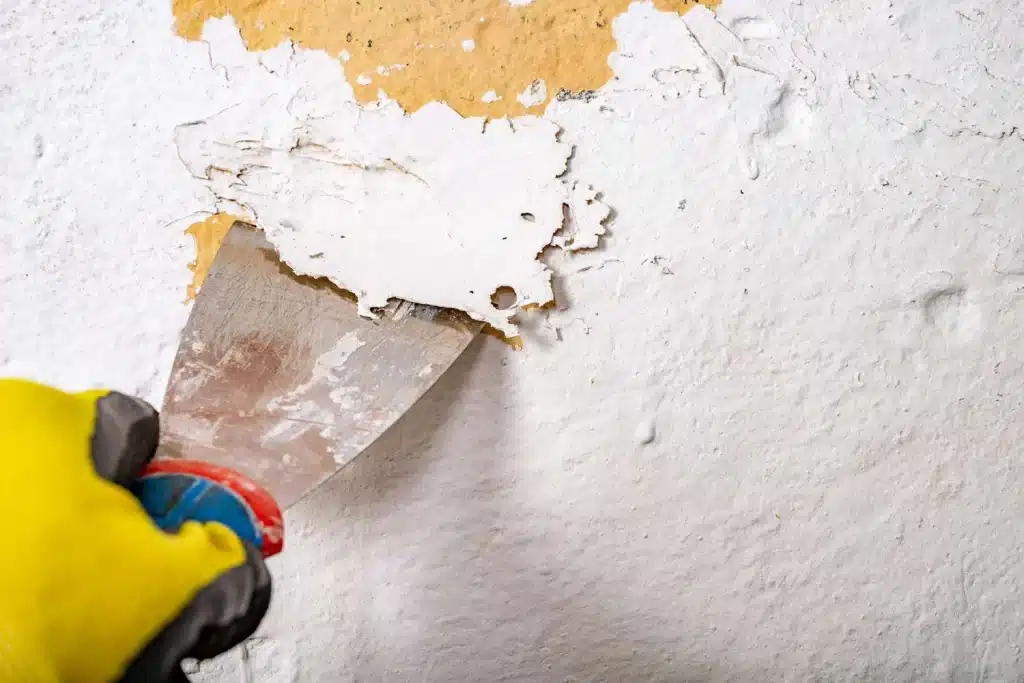
Next, a chemical stripper or wet scraping method removes the paint. Dry sanding is avoided because it creates harmful dust.
All removed paint and debris go into sealed plastic bags. These are disposed of following local hazardous waste rules.
After removal, the area gets cleaned thoroughly with a HEPA vacuum and wet mop.
Can You Paint Over Lead Paint?
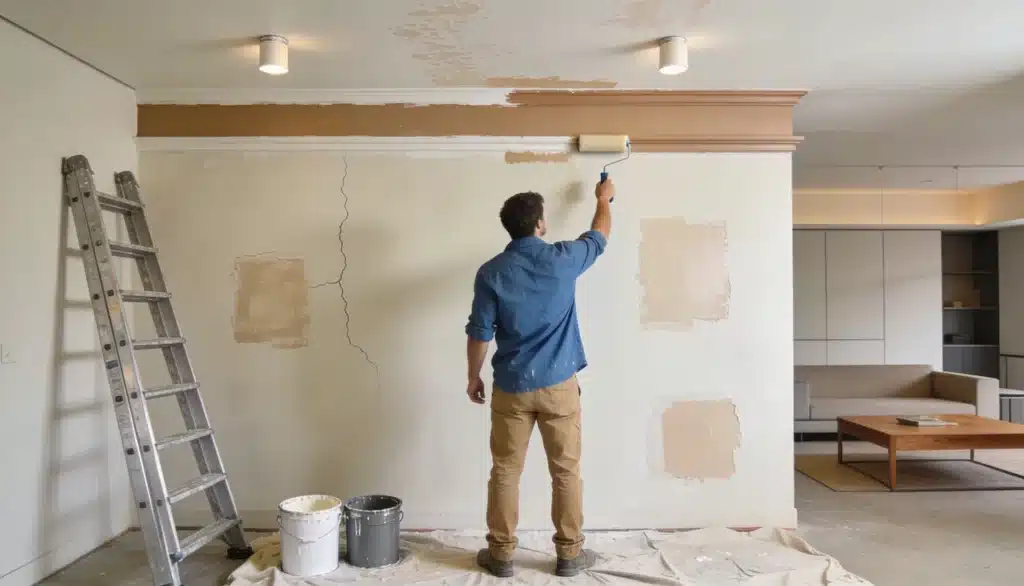
Yes, you can paint over lead paint. But you cannot just roll on a fresh coat and call it done.
The existing paint needs to be in good shape first. If it is peeling, cracking, or flaking, painting over it will not hold. The new coat will peel too.
The key is preparation. Clean the surface well. Make sure the old paint is firmly stuck to the wall. If it is stable, you are in good shape to move forward.
One important thing to know regular paint is not enough. You need an encapsulating primer or paint.
This creates a strong bond over the lead layer and seals it in safely.
How to Paint Over Lead Paint Without Sanding
Sanding lead paint is dangerous. It sends lead dust straight into the air. So skipping the sanding step is actually the safer choice here.
Follow these steps instead:
Step 1: Clean the Wall
Wipe the wall thoroughly with a damp cloth. Remove all dirt, grease, and grime. Let it dry completely before moving on.
Step 2: Check the Surface
Look for any peeling or cracking paint. If the surface is not stable, stop here. Encapsulation will not work on damaged paint.
Step 3: Apply a Bonding Primer
Use an encapsulating bonding primer directly over the surface. This helps the new paint stick firmly without any sanding needed.
Step 4: Let It Dry
Wait for the primer to dry fully. Do not rush this step. A dry base gives you a much better finish.
Step 5: Apply Your Topcoat
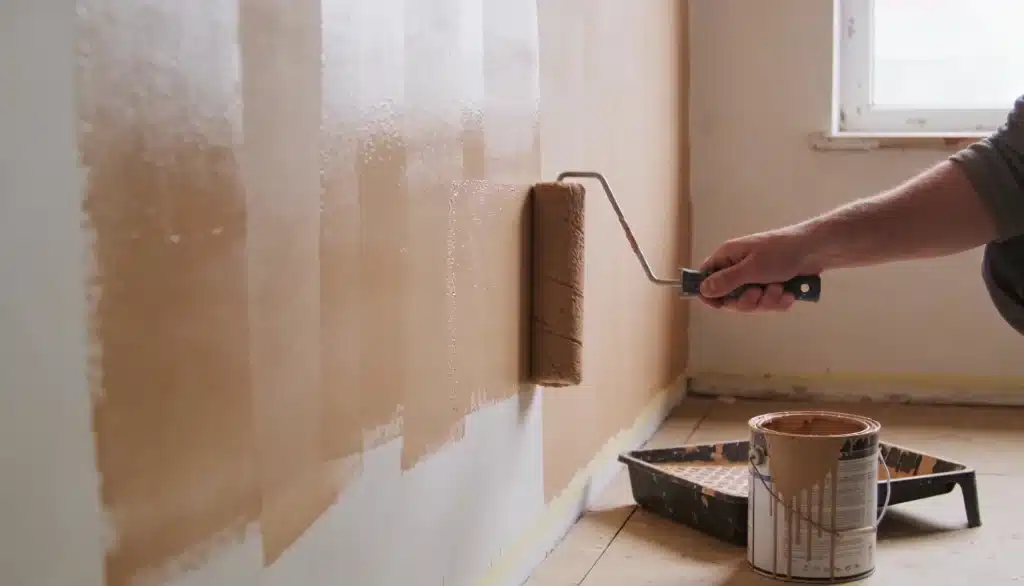
Paint over the primer with your chosen color. Two coats give the best finish and the strongest seal over the lead layer underneath.
A fresh topcoat does more than seal the surface properly. The right paint color choices can also help older rooms feel brighter, cleaner, and more updated.
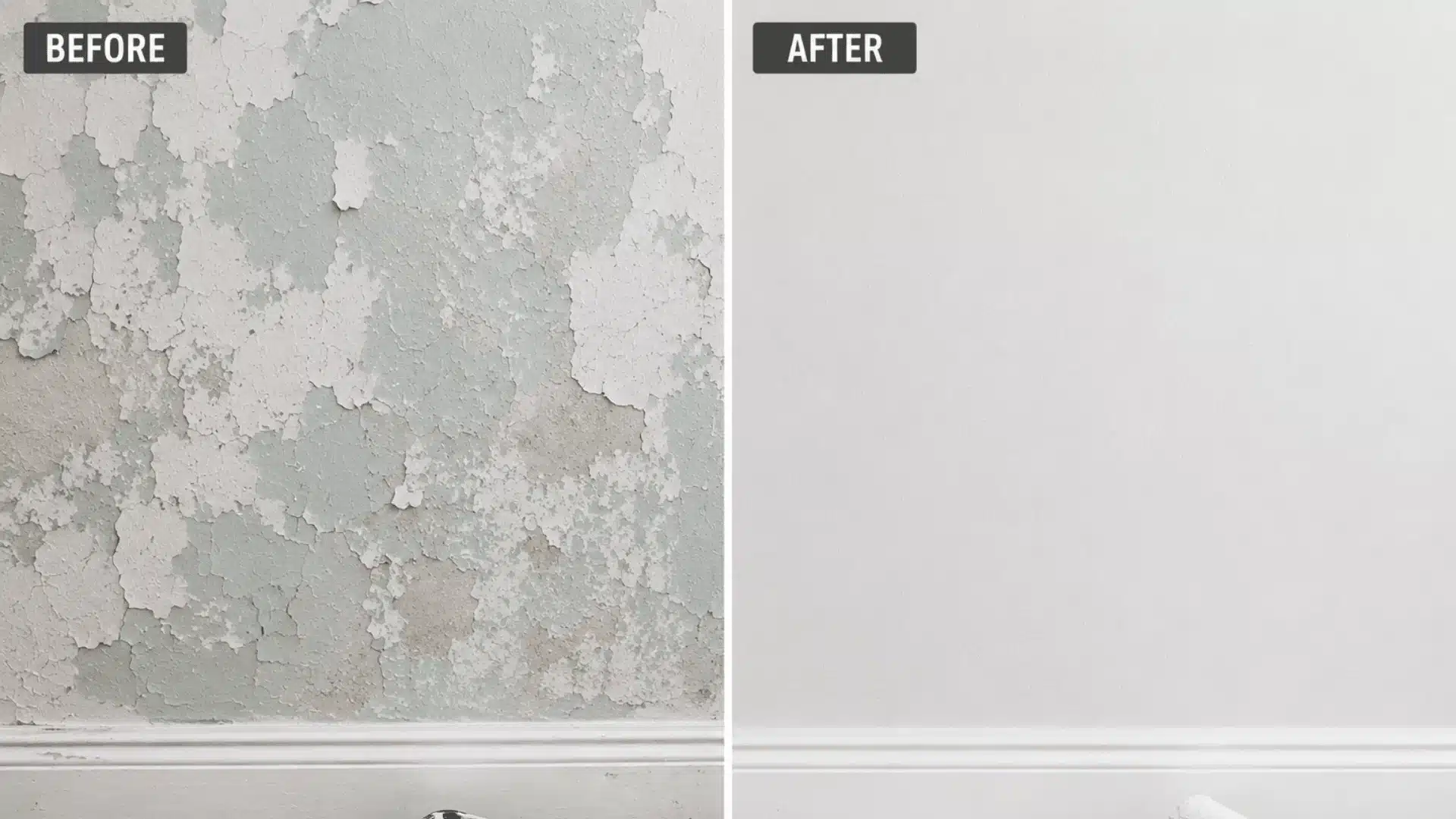
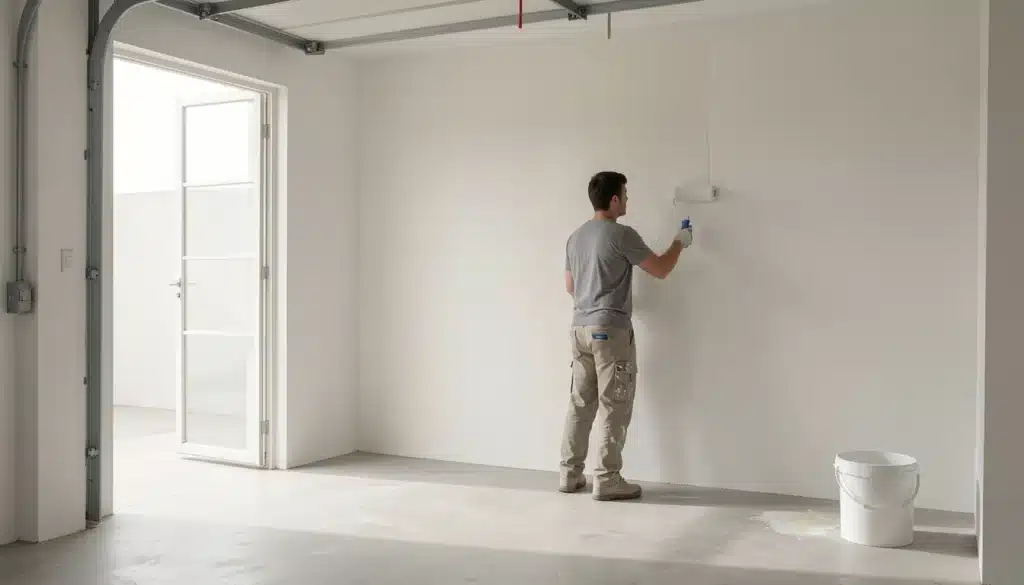
This is how your wall can look when you follow the painting instructions properly and repaint the surface before the old lead paint becomes badly damaged.
Does Painting Over Lead Paint Make it Safe?
This is the big question most homeowners have. And the honest answer is, it depends.
Painting over lead paint does make it safer. A good encapsulating coat stops the lead from becoming a problem day to day.
You are not breathing in dust. No chips are falling near kids or pets.
But it is not a permanent fix. If the paint gets damaged, scratched, or starts peeling later, the lead underneath becomes exposed again.
You will need to check the walls regularly and repaint when needed.
So yes, it is safe. But it needs ongoing attention.
When Can You Paint Over Lead Paint?
You can paint over lead paint when the existing surface is in good condition. That means no peeling, no bubbling, and no visible cracks.
If the paint is firmly stuck to the wall, encapsulation is a solid option. It works well on walls, ceilings, and trim.
It is a good choice for low traffic areas too.
Spots that do not get much wear or impact hold the new coat longer. If the paint is already damaged or the surface is rough, painting over it will not last.
In that case, removal is the better and safer route.
What Precautions are Necessary to Ensure Safety?
Safety comes first when dealing with lead paint. Here is what you need to keep in mind:
-
Wear protective gear. Always use a respirator mask, gloves, and goggles before starting any work near lead paint.
-
Keep others out. Children and pets should stay completely out of the work area until everything is clean and dry.
-
Skip dry sanding. Never dry sand or scrape lead paint. It releases harmful dust fast. Use wet methods instead.
-
Cover everything. Lay plastic sheets over floors and furniture. This stops lead particles from settling on surfaces you touch every day.
-
Clean up properly. Wash your hands and clothes thoroughly after the job. Do not carry dust into other rooms.
-
Call a pro when unsure. Some jobs are safer in expert hands. A certified lead abatement professional knows exactly what to do.
Final Thoughts
Lead paint does not have to stop your project. If the surface is stable, painting over it is a practical and safe choice.
The right primer, clean prep work, and regular checkups go a long way.
But if the paint is already damaged, removal is the smarter call. Either way, now you know what to look for.
Can you paint over lead paint in your home?
Check the walls, follow the steps, and you will have your answer.
Frequently Asked Questions (FAQ’s)
1. Is Lead Paint Dangerous?
Yes. Lead paint is harmful, especially for children. It causes serious health problems when chips or dust are swallowed or breathed in.
2. How do I Know if my Walls Have Lead Paint?
Buy a lead test kit from a hardware store. They are cheap, easy to use, and give quick results.
3. Is Encapsulation Better than Removal?
It depends on the condition of the paint. Stable paint can be encapsulated. Damaged or peeling paint needs full removal.
4. How Long Does Encapsulation Last?
A good encapsulating coat can last many years. But you should check the walls regularly for any cracks or peeling.