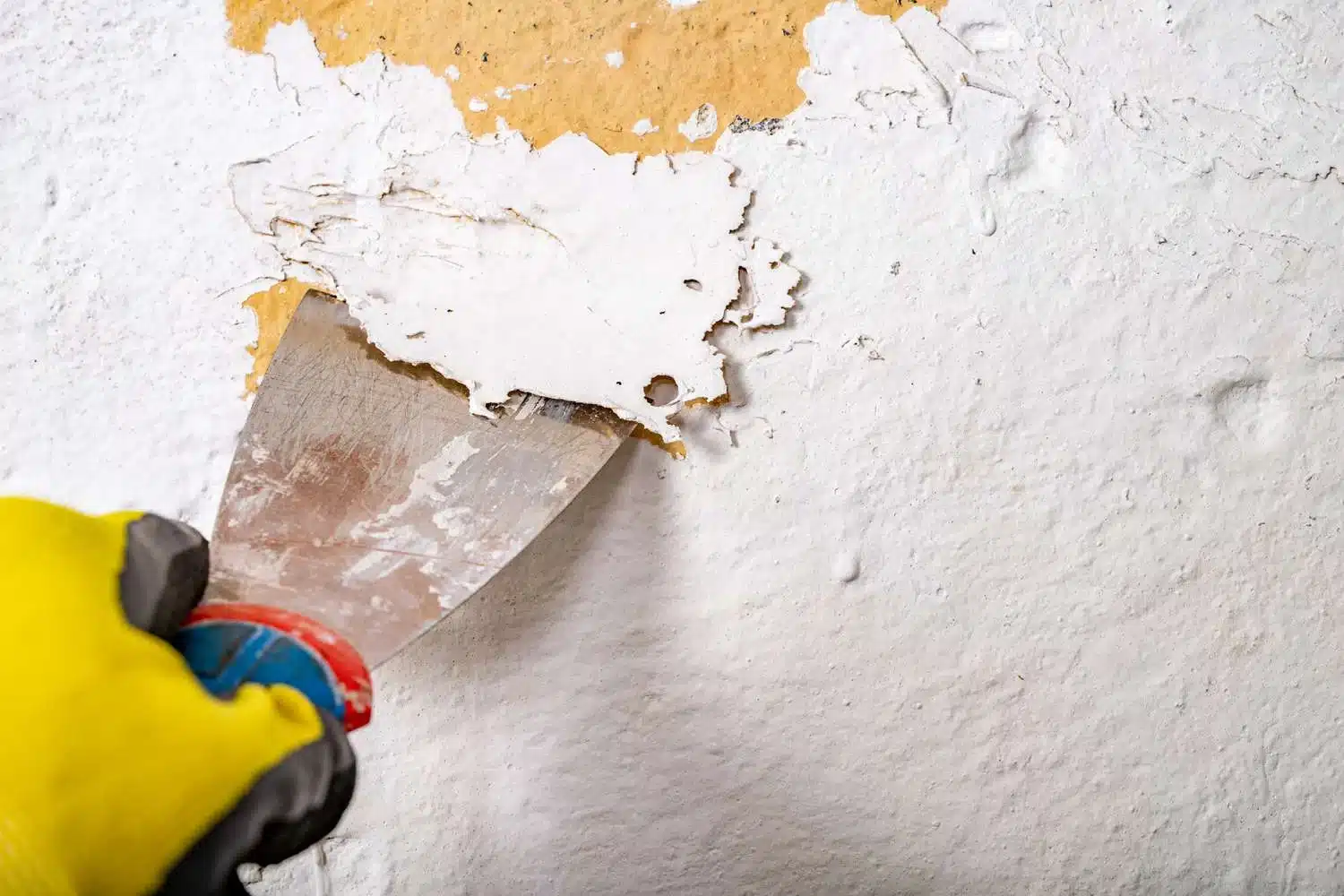

Paint splatters on a concrete driveway or patio floor tend to stick around long after the project is done.
And the longer they sit, the harder they get to deal with.
Not every stain responds to the same treatment, and what clears up fresh paint might barely scratch the surface of something that has been sitting for months.
That is where knowing how to remove paint from concrete really comes in handy. From chemical strippers to natural solutions, there are more options than most people expect.
How to Choose the Right Paint Removal Method?
There are several methods that actually get the job done. Chemical strippers work best on thick, stubborn paint that has bonded deeply into the surface.
Pressure washing and sanding are solid choices for lighter stains or fresher spills. For small spots, vinegar and other natural options can do a decent job without harsh products.
The method that works best depends on paint thickness, the size of the area, and the material of the floor.
And most people find that combining two methods delivers far better results than sticking to just one.
Remove Paint from Concrete Using Chemicals
Chemical methods are among the most effective ways to address paint that has dried and settled deep within concrete.
They work faster than mechanical options and hold up well on large areas or paint that has been sitting for a while.
Step 1: Clean the Surface
Start by sweeping away dirt, dust, and loose debris from the concrete.
If the area looks greasy or muddy, wash it lightly and let it dry completely before proceeding.
A clean surface helps the stripper stick properly and work more effectively. Even small debris left behind can interfere with the paint removal process.
I usually use a stiff broom first because even small bits of dust can stop the stripper from sitting properly on the surface.
Step 2: Apply the Stripper Evenly
Pour or spread the chemical stripper across the painted area using a brush or roller. Keep the layer even so all sections break down at the same pace.
Cover every painted spot carefully without leaving dry patches around the edges. Working slowly here often saves extra scraping later.
Spreading the stripper too thin because dry spots make the paint harder to remove later.
Step 3: Let It Sit
Allow the stripper enough time to soften the paint, as specified in the product instructions. During this stage, the paint usually starts to bubble or lift off the surface.
The waiting period gives the chemicals enough time to properly loosen stubborn layers. Some thicker paint coatings may need slightly more time to fully react.
Rushing the waiting time since partially softened paint becomes much harder to scrape off cleanly.
Step 4: Scrape and Rinse
Use a scraper or stiff brush to remove the loosened paint from the concrete. Once finished, rinse the surface thoroughly with clean water and let it dry.
A final rinse helps clear away leftover chemicals and loose paint particles. Letting the area dry fully also makes it easier to spot any missed sections.
I normally keep a bucket of water nearby while scraping because it makes cleanup quicker and keeps the loosened paint from drying again.
Types of Paint Strippers People Use
Not every stripper is built the same, and picking the wrong one can waste both time and money.
The type of paint, the size of the stain, and where the concrete is located all play a role in deciding which product makes the most sense.
- Solvent-based strippers: Best for heavy, multi-layer coatings on outdoor concrete that have been sitting for a long time.
- Gel-based strippers: Cling to vertical surfaces and thick layers without dripping, making them easier to control.
- Eco-friendly strippers: Lower fume formulations make them a smarter pick for garages, basements, or any indoor concrete surface.
Chemical strippers work well for removing old or layered paint from concrete without heavy equipment. Just keep in mind that strong fumes, safety gear, and multiple applications for thick paint can increase both time and cost.
How to Remove Paint from Concrete Without Chemicals?
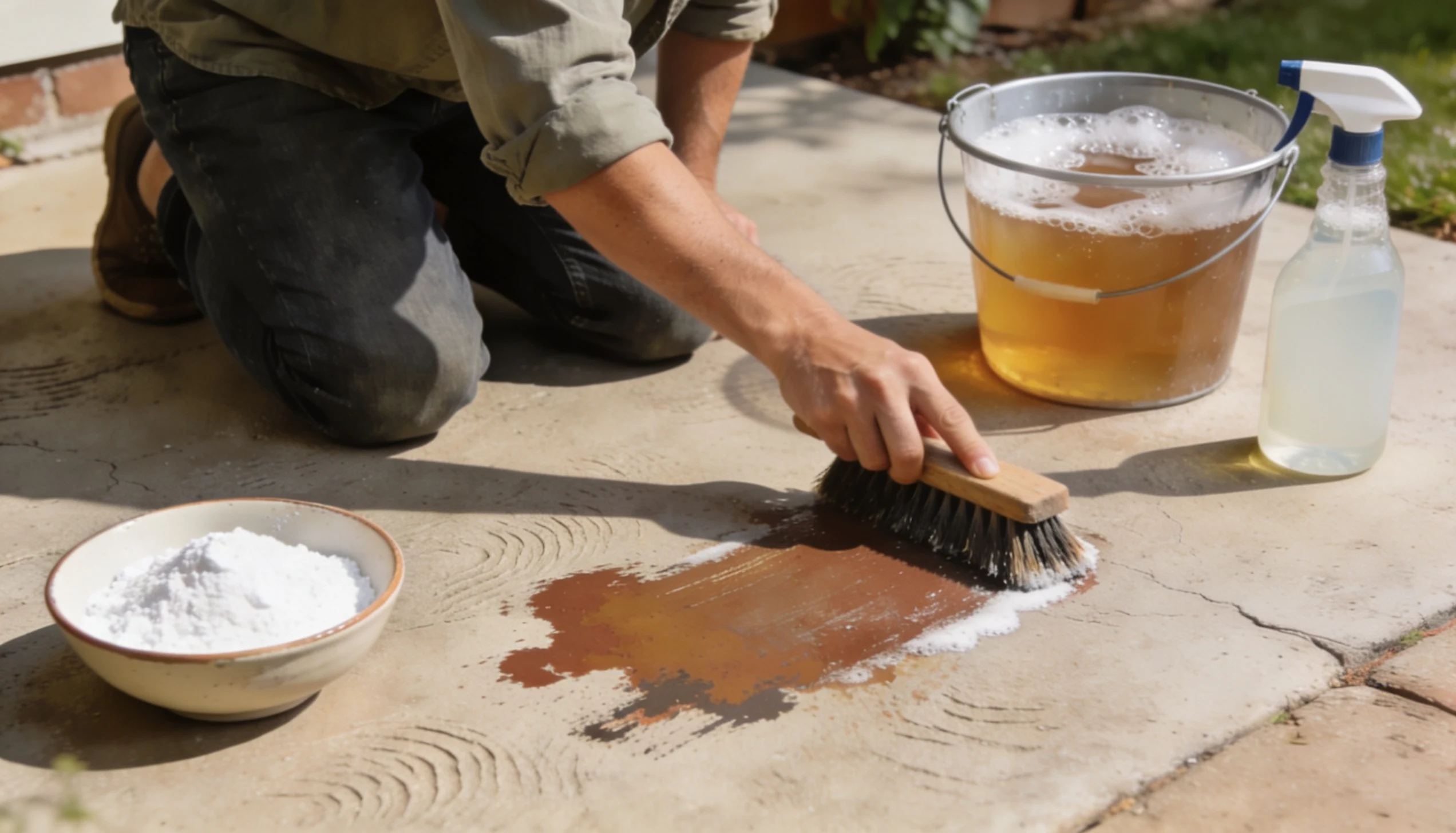
Not everyone wants to work with harsh chemicals, and there are solid mechanical methods that get the job done just as well in many situations.
The right approach depends on how fresh the paint is and how much surface area needs attention.
1. Pressure Washing for Quick Cleanup
Pressure washing works best on fresh or thin paint that has not yet fully bonded to the concrete surface.
The key is using the right pressure setting: too low, and it barely moves the paint; too high, and it can damage the concrete itself.
When paired with a rotating nozzle, it can remove dirt and light stains more quickly and efficiently than standard spray tips
2. Grinding or Sanding for Deep Removal
When paint has really worked its way into the concrete, grinding and sanding are the most reliable ways to get it out.
These tools physically remove the top layer of the surface, taking the paint along with it and leaving a clean, even finish behind.
- Best for large areas: Covers more ground quickly and works well on paint that has soaked deep into the concrete.
- Angle grinder with a diamond cup wheel: The most commonly used tool for heavy-duty paint removal on flat surfaces.
- Floor grinder: A better option for bigger spaces like driveways or warehouse floors, where hand tools would take too long.
- Orbital sander: Works for smaller patches and provides more control over the finish.
3. Scrubbing and Manual Removal
For small stains or spots where power tools feel like overkill, manual removal is often enough.
A stiff wire brush is the go-to tool here, and it works surprisingly well on paint that has started to crack or peel on its own.
Plastic and metal scrapers help lift larger flakes without scratching the concrete too badly.
This method makes the most sense when the painted area is small, the paint is already loosening, or when working in a tight space where machines cannot fit easily.
Soaking the area with warm water for a few minutes before scrubbing softens the paint and makes the whole process noticeably easier.
Natural and DIY Ways to Remove Paint from Concrete
Natural methods are a good starting point before reaching for stronger products.
They are budget-friendly, easier to handle, and often work well for small stains or fresh paint spills that have not yet fully set.
Using Vinegar to Loosen Paint
Warm vinegar softens small paint stains on concrete better than most people expect.
Pour it directly over the area, let it sit for 15 to 20 minutes, then scrub firmly with a stiff brush. Reapply if the stain is stubborn.
Baking Soda and Boiling Water
Works best on thin paint layers that have not fully hardened. Pour the mixture over the stain, wait a few minutes, then scrub well before it cools down.
Soap and Warm Water
The first move after any fresh spill. Scrub quickly with dish soap and warm water before the paint has a chance to settle into the concrete. The fresher the stain, the better any of these will work.
Once the paint fully cures into concrete, natural methods alone rarely cut it.
Conclusion
Getting paint off concrete is not as overwhelming as it seems once the right method is in place. Chemical strippers handle the tough, old stains.
Pressure washing and grinding take care of larger surfaces. And for smaller spots, natural options like vinegar or baking soda get the job done without any harsh products.
Knowing how to remove paint from concrete really comes down to reading the situation, picking the right tool, and being patient with the process.
Most people find that a little effort upfront saves a lot of frustration later.
Frequently Asked Questions (FAQs)
1. Can You Use a Power Washer on Painted Concrete Without Damaging it?
Yes, as long as the PSI stays between 2000 and 3000, and a rotating nozzle is used to avoid etching the surface.
2. Does Paint Thinner Work on Concrete the Same Way it Does on Wood?
It can loosen surface-level paint on concrete, but it works more slowly and less effectively compared to a dedicated chemical stripper.
3. How Long Does it Take for Vinegar to Remove Paint from Concrete?
Vinegar typically needs 15 to 20 minutes to sit before the paint softens enough to scrub off cleanly.