
That can of leftover paint in your garage might look fine. It probably isn’t.
Old paint degrades in ways you can’t always see or smell, and using it can cause problems that go well beyond a patchy finish.
This blog will show you the dangers of using old paint and what you should do about it.
What Happens to Paint Over Time?
It might be tough to think why a sealed, unused can of old paint is not usable.
That’s why it’s important to understand what actually happens inside a sealed, old can, which makes it a health hazard if used.
1. Separation of Binders and Pigments
Over time, the binders and pigments in paint split apart.
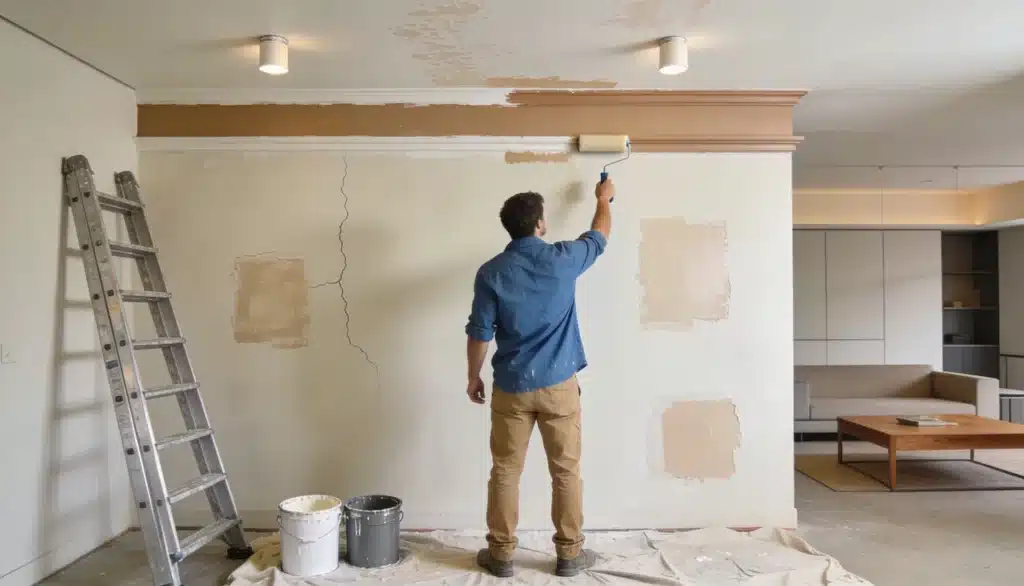
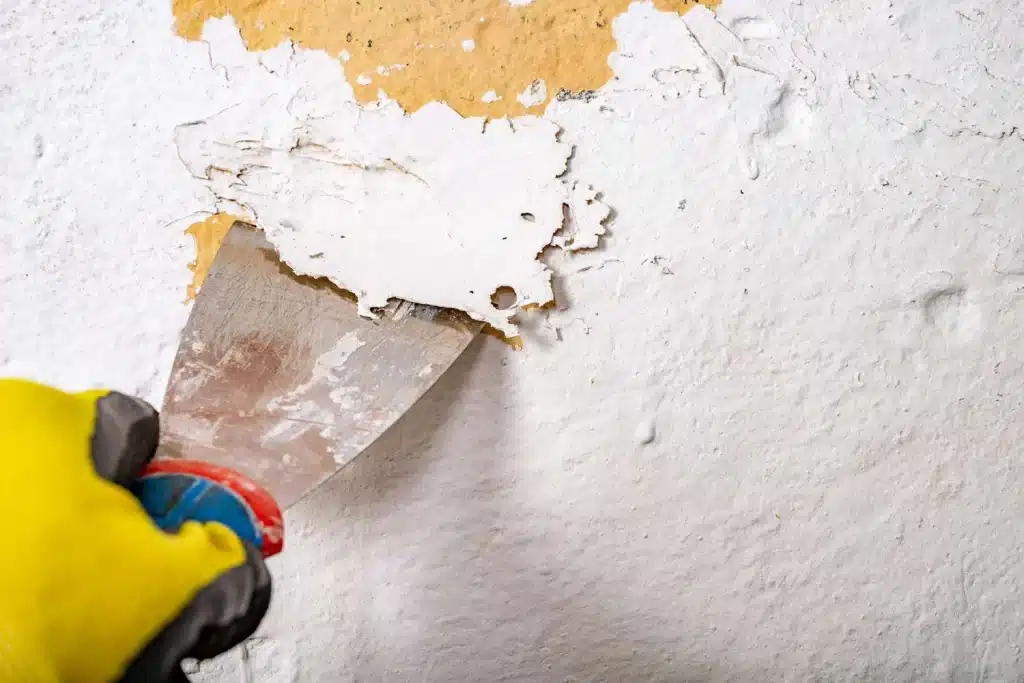
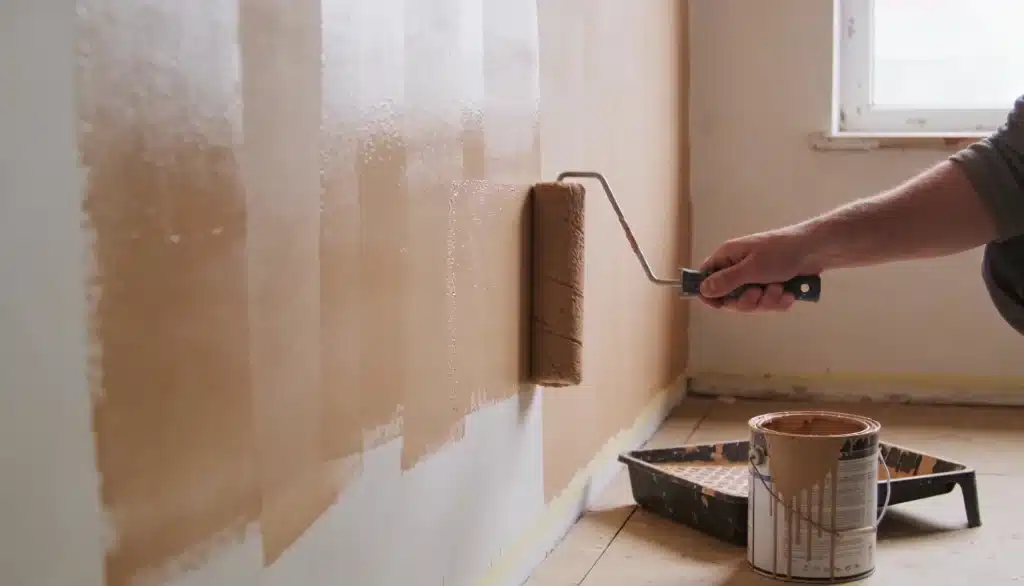
When this happens, the paint won’t adhere properly to the walls, and you’ll get an uneven coat that peels within months.
2. Moisture Contamination
Water slowly gets into the paint can, even when it looks sealed from the outside. This causes lumps to form and the paint to thin out.
3. Bacteria and Mold Growth
Old paint can grow bacteria and mold inside the can over time. You’ll notice a foul, sour smell when you open it.
4. Breakdown of Chemical Stability
The active ingredients in paint break down as the paint gets older. This makes it harder to apply the paint evenly to the wall.
Hidden Health Dangers of Using Old Paint
Using old paint may seem harmless until its health risks catch up with you and your family. This also leads them to repeat the same mistake again until the damage becomes irreversible.
1. VOC Release
VOCs are chemicals that escape into the air as paint dries.
Old paint releases more because its chemical balance has already broken down. Long-term exposure to high VOC levels causes dizziness, nausea, and damage to the liver and kidneys.
Even short exposure in a poorly aired room can make you feel sick fast.
2. Mold Spores
When paint has mold growing inside the can, those spores don’t disappear after painting.
They transfer onto your walls and keep growing, and can trigger allergic reactions, skin irritation, and breathing problems.
For people with asthma or weak immune systems, mold spores from old paint can trigger serious flare-ups and make existing conditions much worse.
3. Respiratory Irritation
Old paint carries particles and contaminants that irritate the airways.
When applied, these get into the air you breathe. You might notice a scratchy throat, a dry cough, or tightness in your chest.
In a small or poorly aired space, the irritation gets worse fast.
4. Headaches
That dull headache after a painting session isn’t just tiredness. It’s your body reacting to the fumes.
Old paint produces stronger fumes because its ingredients have broken down unevenly.
These fumes affect the nervous system and reduce oxygen flow to the brain. Even a few hours in a poorly ventilated room can leave you with a headache.
5. Lead Paint
Homes built before 1978 may still have layers of lead-based paint on the walls.
If old cans from that period are still sitting in your garage, there’s a real chance they contain lead.
Exposure to lead paint on surfaces can affect the brain, kidneys, and nervous system.
Lead is especially dangerous for children under six. Even small amounts can cause learning problems, delayed development, and permanent neurological damage.
Signs Old Paint Has Gone Bad
- If it smells sour or like rotten eggs, don’t use it. The bacteria have already taken over.
- If it has chunks that won’t break down when stirred, the paint has gone bad.
- If it has separated but mixes back together smoothly with no lumps, it may still be usable.
- If you see any mold on the surface or around the lid, discard it immediately, no exceptions.
As a general rule, latex paint lasts around 2 to 10 years, oil-based paint can last up to 15 years, spray paint typically lasts 2 to 3 years, and acrylic paint lasts between 5 and 10 years.
When is Old Paint Safe to Use?
If old paint passes all the points listed above, then it isn’t wise to throw it away just because it’s old.
If the paint has been stored in a climate-controlled space, away from heat and freezing temperatures, it’s perfectly fine to use.
Recently purchased leftovers are usually still good, as long as the lid was sealed tightly.
For low-risk projects like painting a fence, a storage room, or an outdoor shed, older paint works just fine.
Touch-ups are another story, though.
A small wall patch needs paint that perfectly matches the texture and finish. For full walls, always use fresh paint.
How to Store Paint Properly
Good storage can add years to your paint’s life, and you can give your paint that extra life just by keeping a few things in mind.
Heat, air, and moisture are the trinity which increases dangers of using old paint.
Seal It the Right Way
Press a piece of plastic wrap over the opening before putting the lid back on.
This cuts off air contact completely and prevents dry skin from forming on the inside.
Store It at the Right Temperature
Keep your paint in a cool, dry place. The ideal temperature is between 60°F and 80°F.
Never let it freeze or sit in direct sunlight.
Label the Can Before You Store It
Write the purchase date and the room name on the lid before storing.
This tells you exactly how old the paint is, and you’ll know if it’s still worth using.
Store the Can Upside Down
Flip sealed paint cans upside down before storing them away.
This creates a tight seal using the paint itself and slows down drying inside the can.
So, Should You Keep or Replace Old Paint?
Saving old paint feels like a budget-friendly move.
But the dangers of using old paint, such as peeling walls, uneven finish, and mold problems, cost far more than a fresh coat ever can.
And to make things worse, it can also put your health at risk.
If the paint fails the smell test, has chunks, or has been sitting in a hot garage for years, replace it.
When in doubt, buy fresh. It saves time, protects your health, and gets the job done right.
Frequently Asked Questions (FAQs)
1. What Will Happen if You Use Old Paint?
The dangers of using old paint include peeling walls, uneven finishes, unpleasant odors, and health risks such as headaches and breathing problems.
2. What Year Did Paint Stop Having Lead in It?
The U.S. banned lead-based paint for home use in 1978. Homes built before that year may still have lead paint on their walls.
3. Can I Use Paint that is 12 Years Old?
Most likely, no. Latex and acrylic paint last up to 10 years. Oil-based paint can stretch to 15, but only if stored correctly.