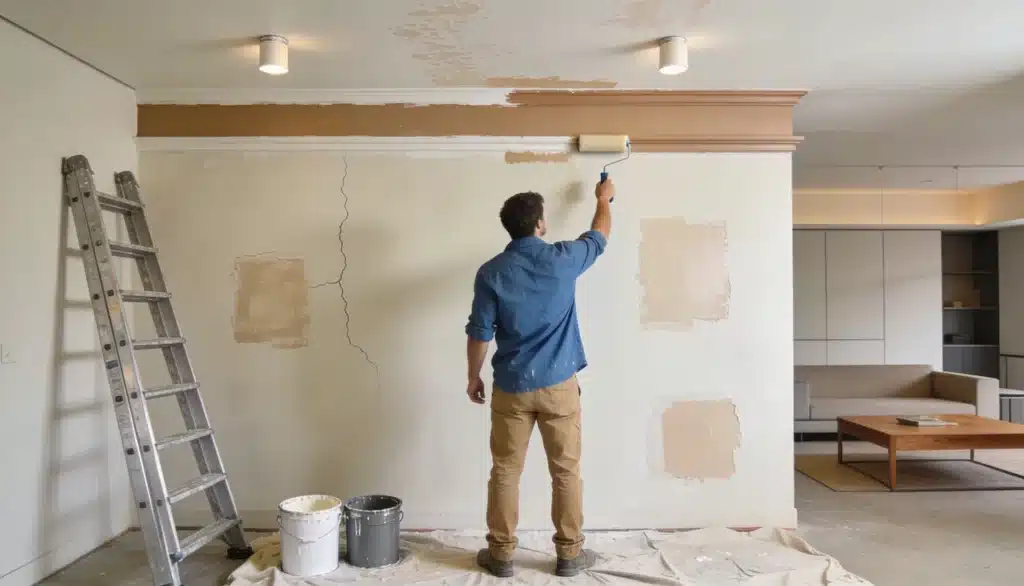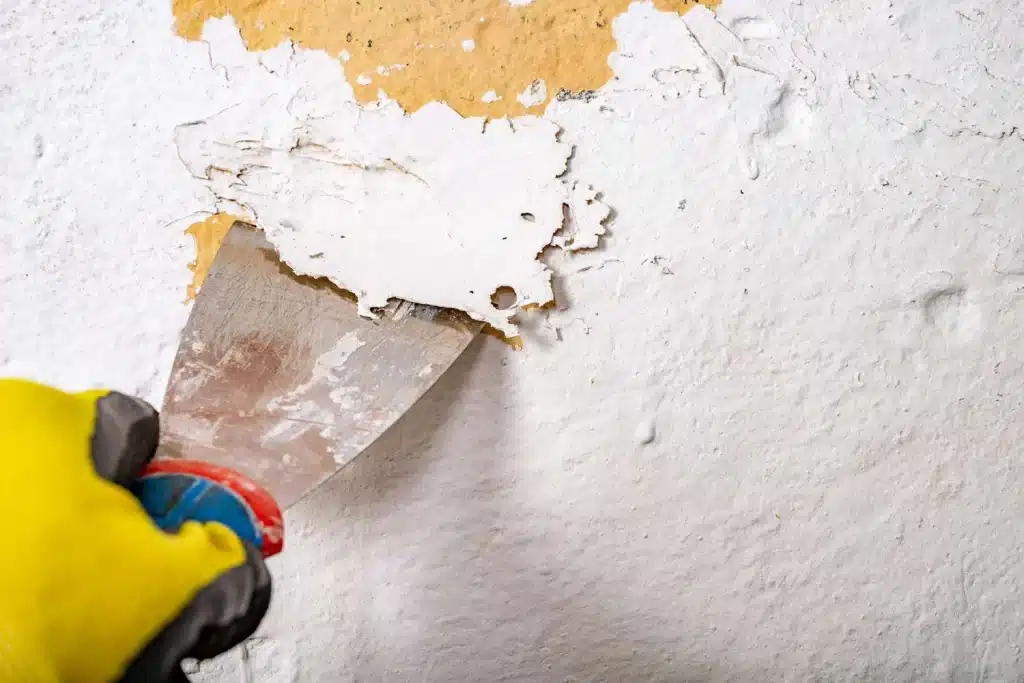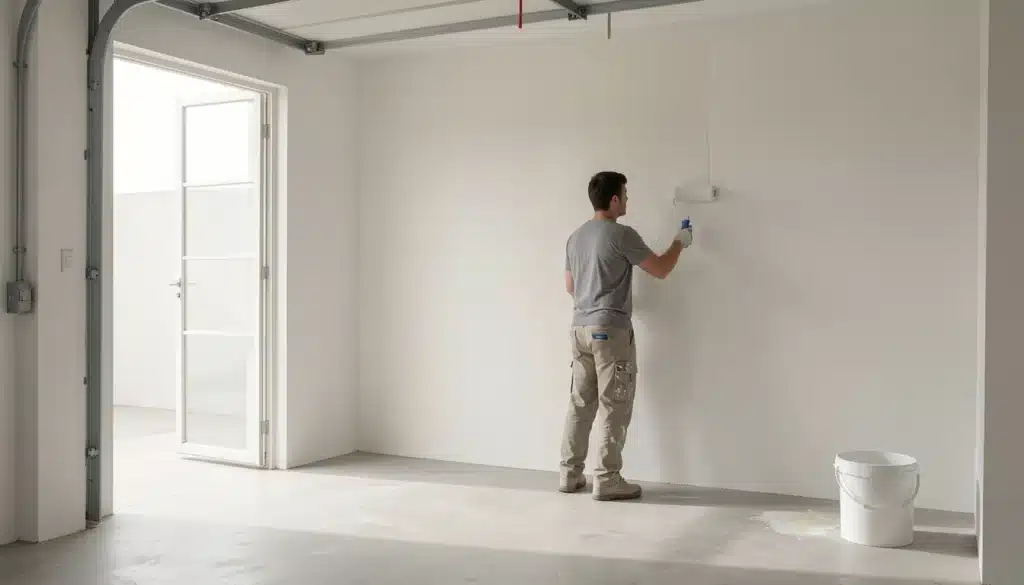
Most people ruin a paint job not with the wrong color but with the wrong timing. They apply a second coat too soon, and suddenly the finish looks streaky, uneven, or worse, it peels.
Knowing how long to wait between coats of paint is where most DIYers get tripped up.
And the confusion between “dry to touch” and “ready to recoat” makes it even harder to get right.
This breaks it all down simply and clearly, backed by real experience.
How Long to Wait Between Coats of Paint?
Paint type, surface, and conditions all change the answer.
A second coat applied at the right time bonds well, covers evenly, and lasts longer. Applied too soon, it creates problems that are far harder to fix than simply waiting.
The surface might feel dry to the touch, but dry to the touch and ready to recoat are not the same thing.
That gap between the two is where most paint jobs go wrong.
Understanding it is the difference between a finish that holds for years and one that starts showing problems within weeks.
Recoat Times by Paint Type and Surface
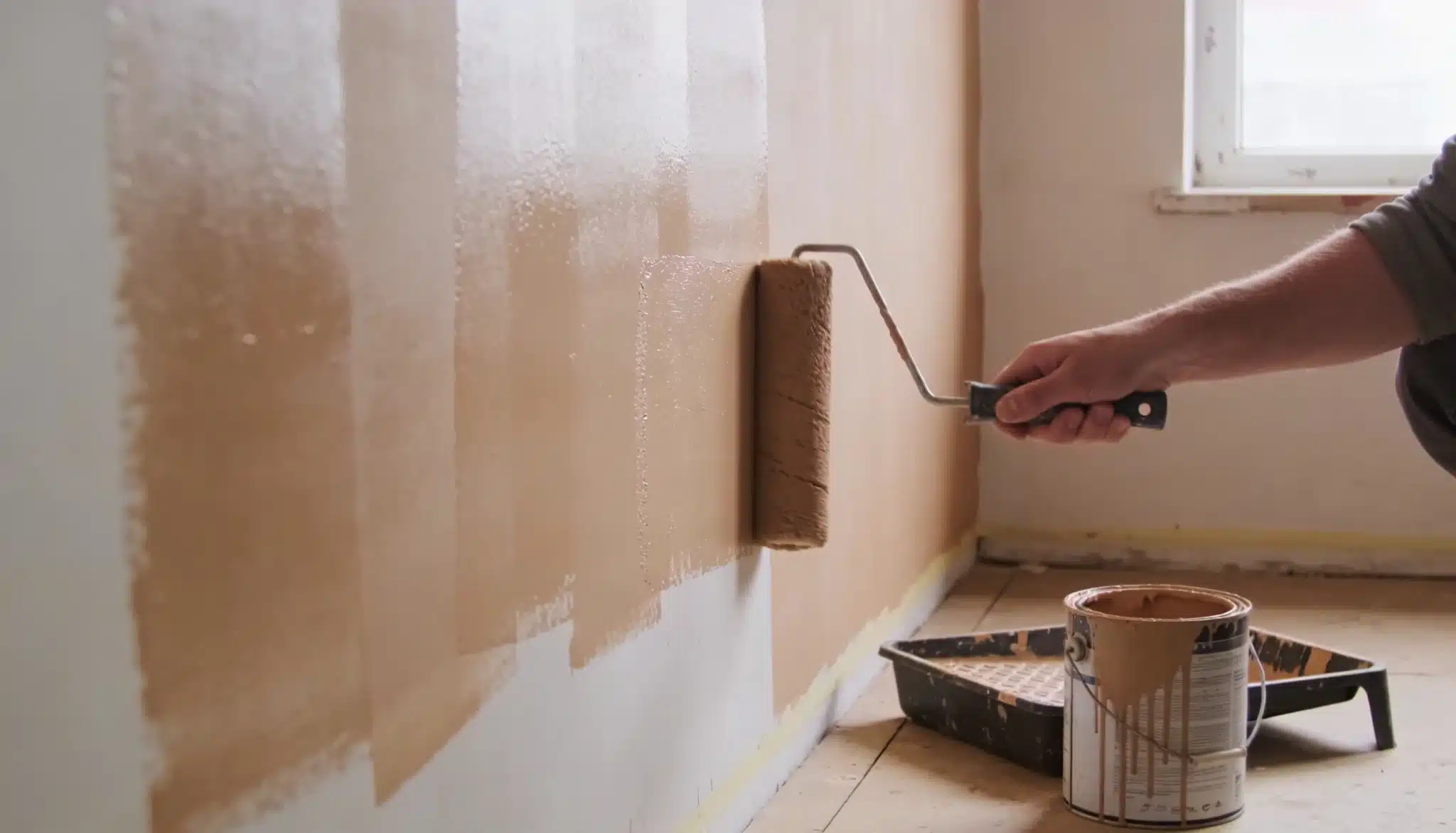
Water-Based Latex Paint on Walls and Ceilings
Latex paint is the most forgiving option for indoor walls and ceilings. It dries fast and handles back-to-back coats well, as long as the timing is right.
- Minimum Recoat Time: 2 hours
- Ideal Recoat Time: 4 hours
- Full Cure Time: 2 to 4 weeks
On new drywall or unsealed plaster, 4 hours is the minimum. Less than that, and the first coat has not bonded firmly enough to hold the second one cleanly.
Oil-Based Paint on Trim, Doors, and Cabinets
Oil-based paint takes longer to dry but delivers a harder, smoother finish on high-traffic surfaces. The trade-off is patience.
Recoat window: 6 to 8 hours minimum, 24 hours ideal.
Rushing this is where most people go wrong. Applying a second coat too early traps solvents inside, leading to wrinkling or a finish that never fully hardens.
Wood Surfaces and Furniture
Wood is absorbent, and the grain pulls in moisture unevenly, so drying times can vary across the same piece. Always prime bare wood first. It seals the surface and makes recoat times more consistent.
- Sanding Between Coats: Light sanding with 220-grit smooths raised grain and improves adhesion
- Recoat Time: 4 to 6 hours for water-based, 24 hours for oil-based
Raw or unsealed wood may need an extra coat, regardless of timing.
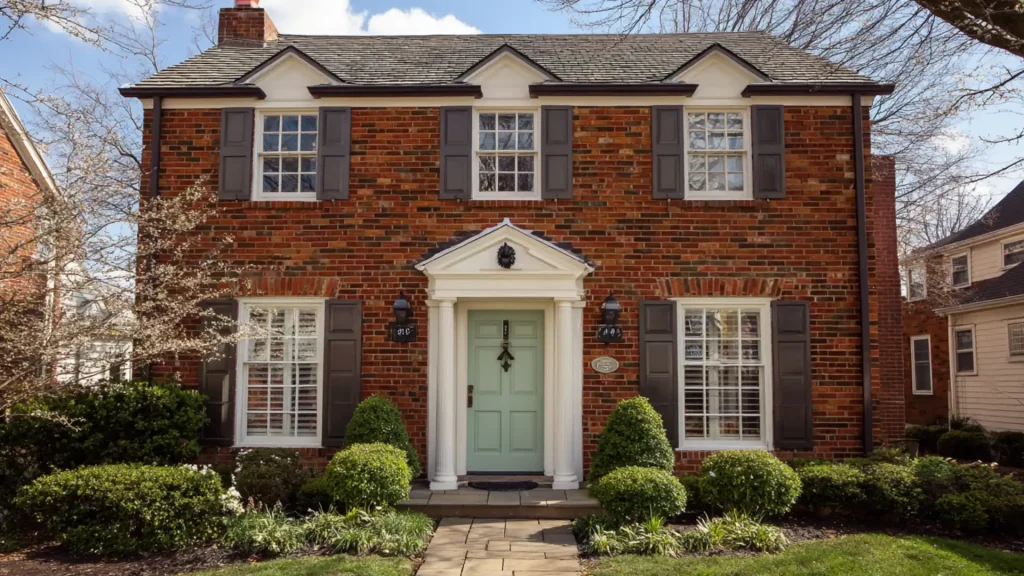
Exterior Surfaces
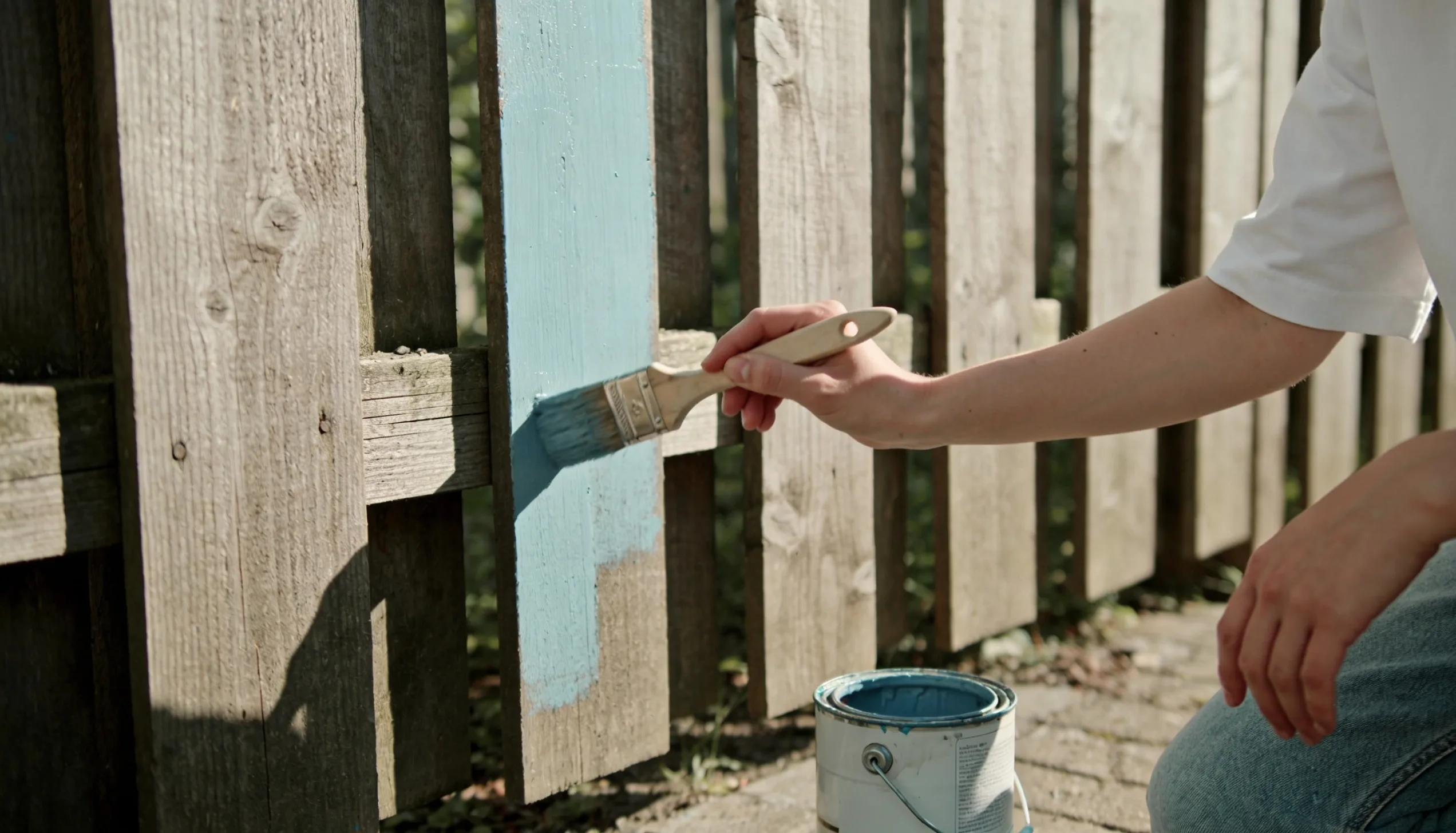
Temperature, humidity, and sunlight all affect how quickly the drying window opens or closes. Ideal conditions sit between 50°F and 85°F with humidity below 70%.
Above 85°F, paint skins over fast on the outside while staying wet underneath. That trapped moisture is what causes wrinkling and bubbling later. In humid or cooler conditions, drying takes far longer than the label suggests.
Recoat time: 4 to 6 hours in good conditions, up to 24 hours in high humidity.
Specialty Paints
Each of these behaves differently, so no single standard answer applies.
- Chalk paint: Recoats in 1 to 2 hours, but wax or sealant needs 24 hours
- Enamel paint: Water-based recoats in 2 to 4 hours, oil-based needs 8 to 24 hours
- Spray paint: Recoats in just 15 to 60 minutes, which catches most people off guard. The window closes fast, and going back too late is just as damaging as going too early
Car Paint
Automotive painting follows a stricter layer-by-layer process. Each layer has its own timing, and skipping ahead leads to costly fixes.
- Primer: Wait 30 minutes to 1 hour before the base coat
- Base Coat: Allow 15 to 30 minutes between coats, 30 to 60 minutes before clear coat
- Clear Coat: Wait 30 minutes between coats, 24 hours before handling, and up to 30 days before polishing
Brand-Specific Guidance
Paint labels exist for a reason. Different formulations, even within the same category, can have different recoat windows based on their chemistry.
Dulux recommends a 2-hour recoat for most water-based interior paints, but its exterior and gloss ranges have entirely different recoat times.
- Always read the label before starting, not after
- Check the temperature conditions listed on the tin
- Contact the manufacturer for unusual conditions like extreme heat or high humidity
Factors That Affect How Long Between Coats of Paint
Several things beyond the paint type itself influence how long you should wait between coats of paint.
Most people focus entirely on the clock, but the conditions around the paint matter just as much as the paint itself.
A two-hour recoat time listed on the label assumes ideal temperature, humidity, and airflow. Change any one of those variables and that window shifts, sometimes significantly.
- Temperature and Weather: Cold slows drying; heat skins the surface quickly; and most paints perform best between 60°F and 85°F.
- Humidity Levels: High humidity extends drying time, while low humidity shortens it; 70% or below is the ideal range.
- Paint Thickness: Thick coats trap moisture beneath the surface and take longer to dry than thin, even coats.
- Surface Material Porous surfaces like wood and brick absorb paint unevenly and dry more slowly than smooth, sealed surfaces.
- Ventilation and Airflow: Good airflow speeds up drying, but pointing a fan directly at wet paint can cause uneven results.
Dry Time vs Cure Time: What is the Real Difference?
Most people treat these two terms as the same thing, but they are not.
Dry time is how long it takes for the surface to feel dry to the touch, but the paint is far from fully hardened.
Cure time is how long the paint takes to reach its full hardness and durability. This can take days or even weeks, depending on the type of paint.
| Paint Type | Dry Time | Cure Time |
|---|---|---|
| Latex Paint | 1 to 2 hours | 2 to 4 weeks |
| Oil-Based Paint | 6 to 8 hours | 3 to 7 days |
| Chalk Paint | 30 to 60 minutes | 30 days |
| Spray Paint | 15 to 30 minutes | 24 hours |
| Enamel Paint | 2 to 4 hours | 7 to 14 days |
Recoating during dry time is fine as long as you follow the manufacturer’s recoat window.
Recoating during cure time without that guidance traps solvents, causes wrinkling, and can compromise the entire finish.
What Can I Do to Ensure an Even Second Coat?
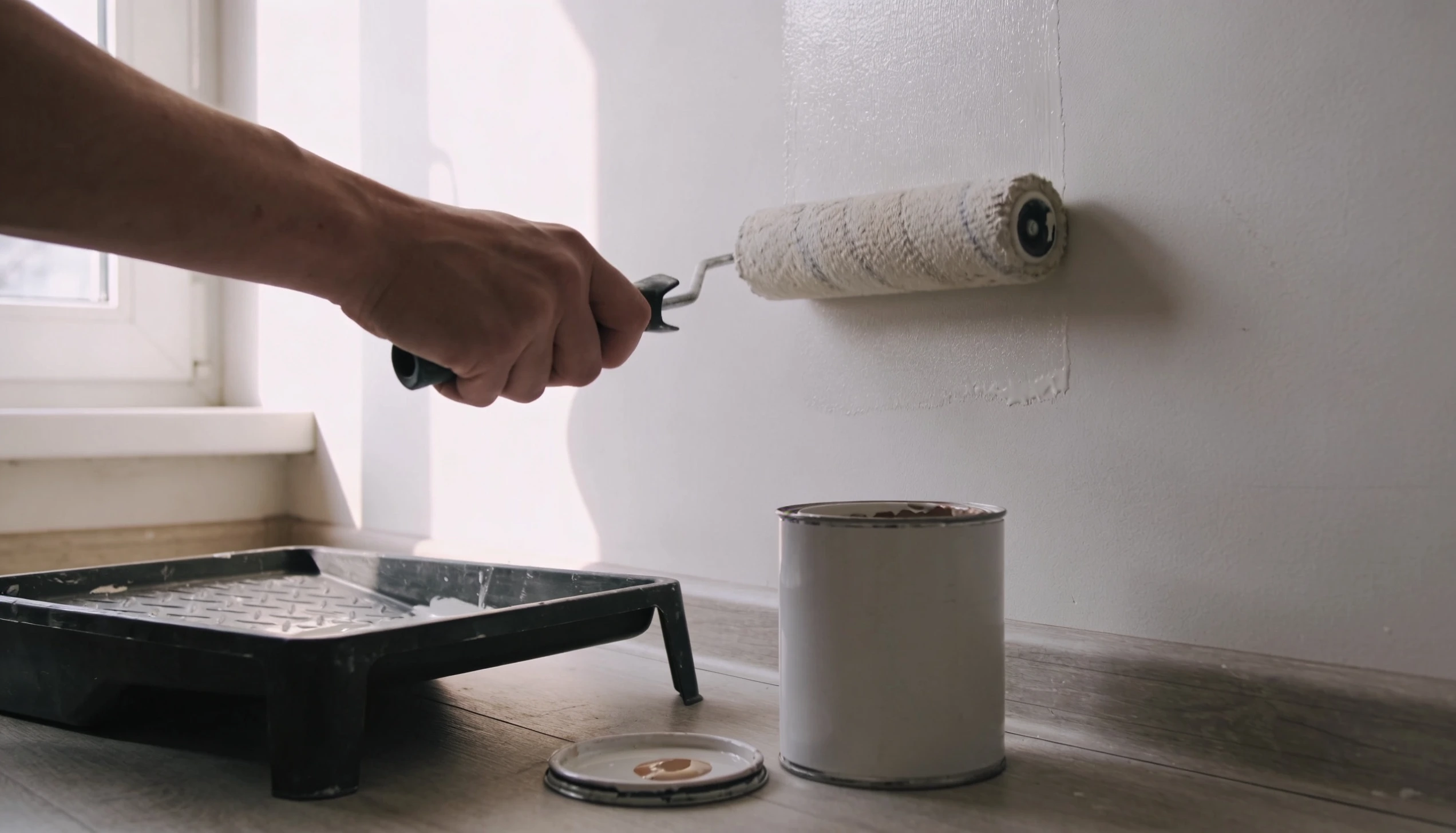
A smooth second coat does not happen by accident. A little prep work before picking up the brush goes a long way.
- Apply thin, even layers to avoid buildup and get a cleaner finish.
- Sand lightly with 220-grit between coats to improve adhesion and smooth out bumps.
- Use the right brush or roller for the paint type to achieve a more even application.
- Following the manufacturer’s instructions is the simplest way to know how long to wait between coats of paint.
- Test on a small area first to catch any issues before going over the full surface.
Final Thoughts
Getting the timing right between coats is just as important as choosing the right paint.
Rushing it leads to peeling, streaking, and a finish that never quite looks the way it should.
Follow the recoat window, account for conditions, and wait until the surface is genuinely ready, not just dry to the touch. Most paint failures are timing failures.
Get that right, and everything else becomes secondary
Frequently Asked Questions
1. How Many Coats of Paint Does a Surface Typically Need?
Most surfaces need two coats, but raw or porous surfaces like bare wood or fresh drywall often need three for full, even coverage.
2. Is it Okay to Leave Paint Overnight Between Coats?
Yes, leaving paint overnight is completely fine and often ideal, as it gives the first coat enough time to dry and bond properly before the next one goes on.
3. Does the Color of Paint Affect How Long it Takes to Dry?
Darker colors can sometimes take slightly longer to dry than lighter ones, but paint type, thickness, and conditions have a far greater impact on overall drying time.