
Some paint colors look consistent no matter where you use them. But Gossamer Veil is not one of them. It changes with light, flooring, and even the time of day.
That is exactly why so many people either love it or feel unsure about it.
If you are considering this shade, it helps to know what to expect before you commit.
Here is a closer look at how it really behaves.
What Color is Gossamer Veil Sherwin Williams
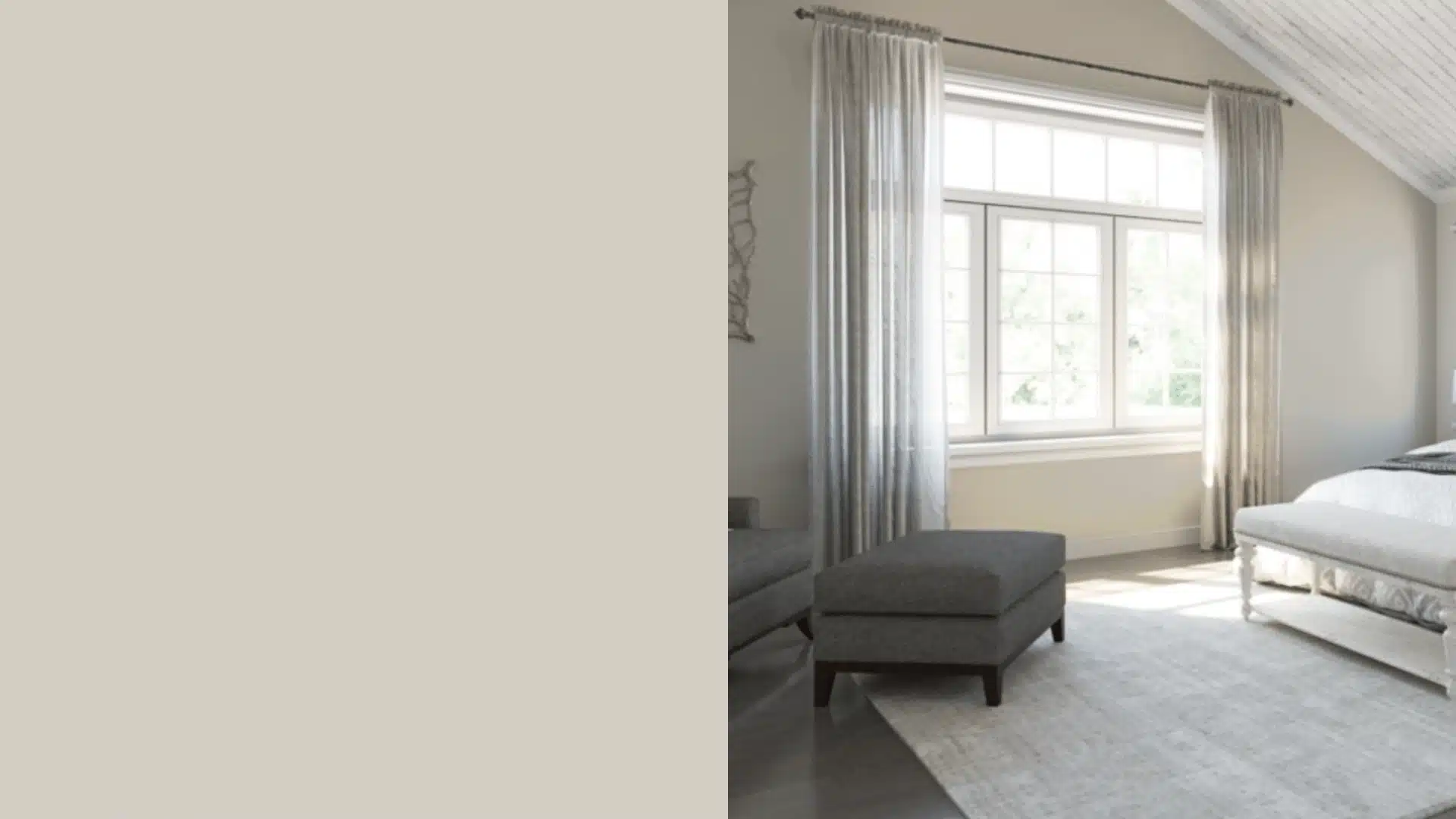
It is a soft, warm greige. It sits between beige and gray without leaning too hard toward either. That balance is what makes it such a popular neutral.
It is not a crisp white. It is not a heavy taupe. Think of it as a calm, middle ground tone that shifts depending on what surrounds it.
Next to dark flooring, it reads more gray. Besides warm wood, it leans beige. In a bright white room it can look almost creamy.
Here is a quick overview:
- Color family: Greige
- Undertones: Pink, violet, warm beige
- LRV: 62
- Hex Value: #D3CEC4
Now here is the part that trips most people up. Those undertones we just mentioned? They are worth understanding properly before you buy a single can.
Gossamer Veil Undertones Explained
Undertones are what make or break a neutral paint color. And this is the part that surprises most people.
On the paint chip it looks like a clean, simple greige. But once it goes on the wall, you may start to notice something else coming through. That is completely normal.
Undertones only show up once the paint is surrounded by light, flooring, furniture, and trim.
So what undertones does this shade actually have?
The main undertones are the following:
- Pink: This is the most noticeable one. In warm or yellow-toned light, a soft rosy blush can come through. It is subtle, but it is there.
- Violet: In cooler light or north-facing rooms, a light lavender hint can appear. This catches a lot of people off guard.
- Warm beige: In rooms with warm wood tones or natural light, the beige side comes forward and the color feels grounded and cozy.
One more thing to keep in mind. The colors around this shade will pull out different undertones. Bright white trim tends to highlight the pink. Warm wood floors bring out the beige. Cool gray furniture can push the violet forward.
Gossamer Veil LRV
LRV stands for Light Reflectance Value. It measures how much light a paint color reflects. The scale runs from 0 to 100.
it has an LRV of 62. That means it reflects a fair amount of light without feeling too bright or too pale.
It works well in average-lit rooms. But in a darker room with little natural light, it may feel flat. Always test it first.
That number gives you a useful starting point.
But numbers only go so far. The next section shows how this color actually looks in natural light throughout the day.
How Gossamer Veil Looks in Different Lighting
Lighting changes everything with this color. This color can look like three different shades depending on the time of day and the type of light in your room.
In Natural Light
Morning light tends to bring out the warm beige side. The color feels soft and grounded.
By afternoon, especially in a south- or west-facing room, it can look almost creamy and very livable. This is when most people fall in love with it.
In North-Facing Rooms
This is where this shade tone gets tricky.
North-facing rooms receive cool, indirect light all day. In these spaces the violet and pink undertones are much more likely to show up.
The color can start to feel a little cool and less like the warm greige you saw on the chip.
In Artificial Light
- Warm white bulbs bring out the beige and make the color feel cozy
- Cool white or daylight bulbs can push the violet undertone forward
- Dim lighting in the evening can make it look deeper and slightly muted
Once you have a feel for how light affects this color, the next natural question is where in the home it actually works best.
Using this Shade in Your Interiors
Some colors just feel right in certain spaces. It is actually one of those shades that works across many rooms.
But it does perform better in some spaces than others.
Living Room
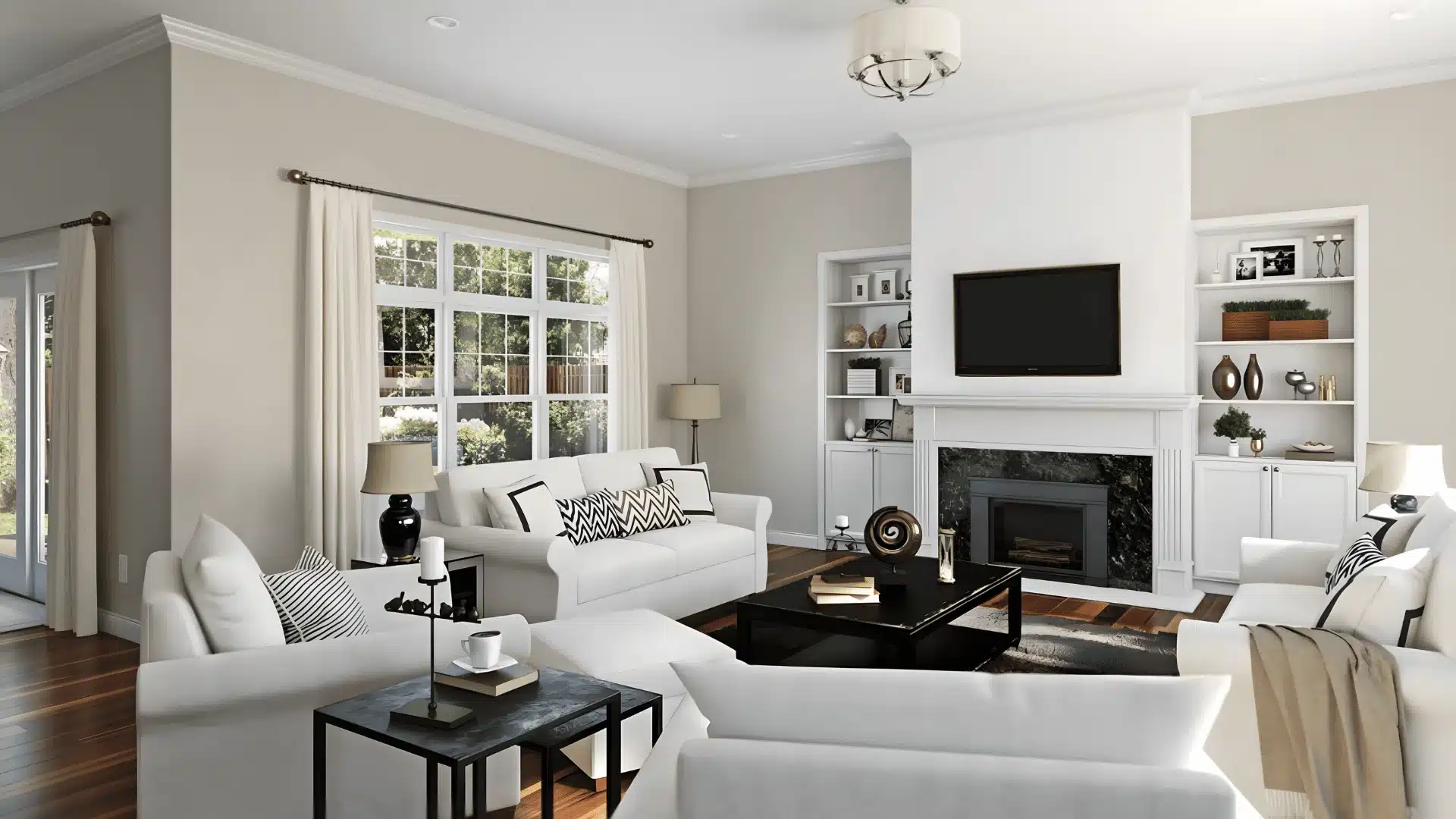
Living rooms are where this color feels most at home. Good natural light and varied furniture tones give it the right conditions to look its best.
That variety helps the color settle into its warm, greige sweet spot. It gives the room a pulled together look without trying too hard.
Bedroom

Bedrooms are a great fit for this shade. The soft, muted tone creates a restful feeling. It does not feel too cold or too warm.
If you want a bedroom that feels quiet and comfortable, this color delivers that well.
Kitchen
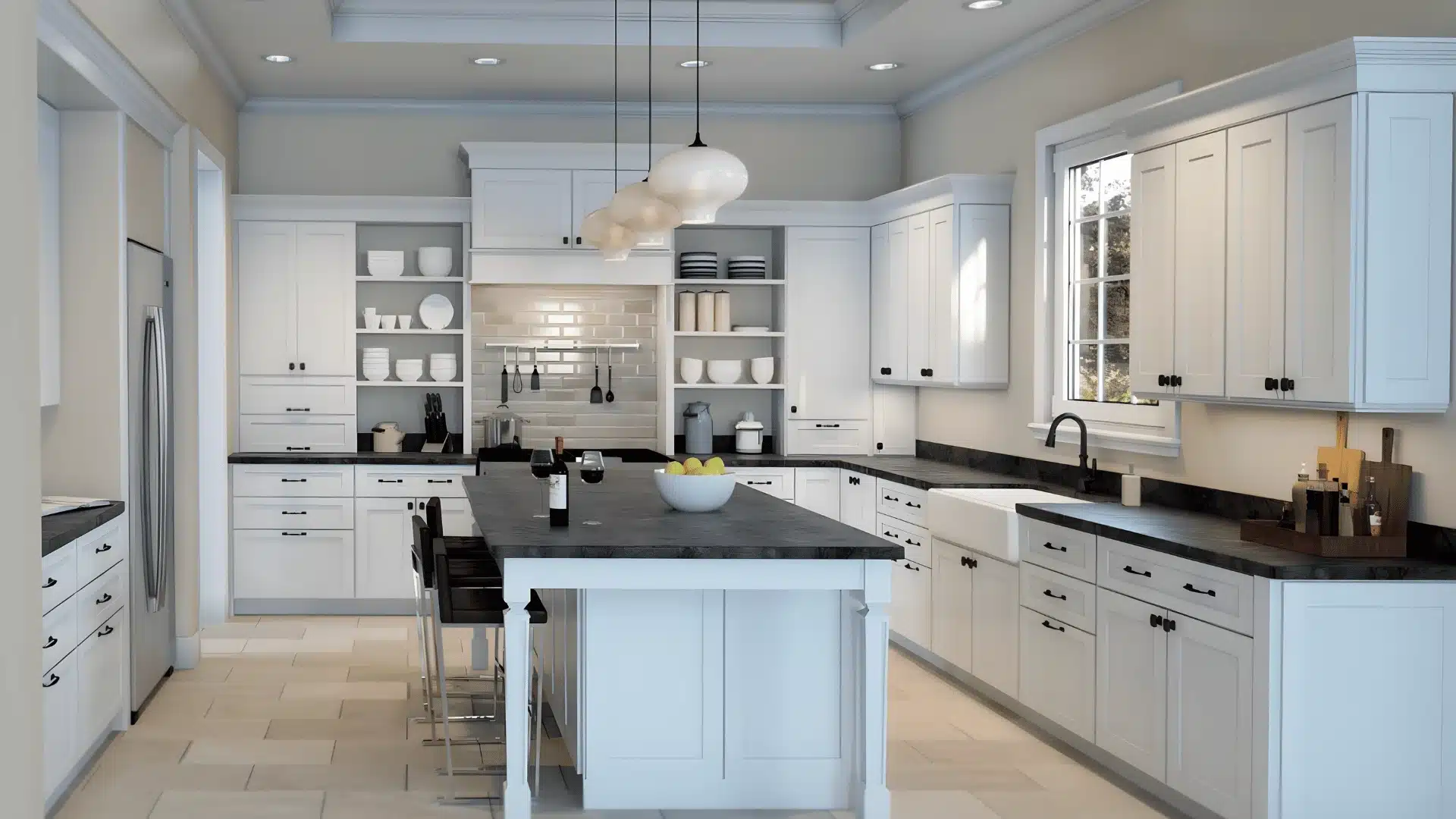
The kitchen is where you need to slow down and think. In a bright space with white or neutral cabinets, this color can look really clean and fresh.
However, the pink undertone can clash with warm or yellow-toned cabinets. If your kitchen has strong wood tones or bold cabinet colors, test it carefully before committing.
Good overhead lighting also helps keep the color from feeling too muted.
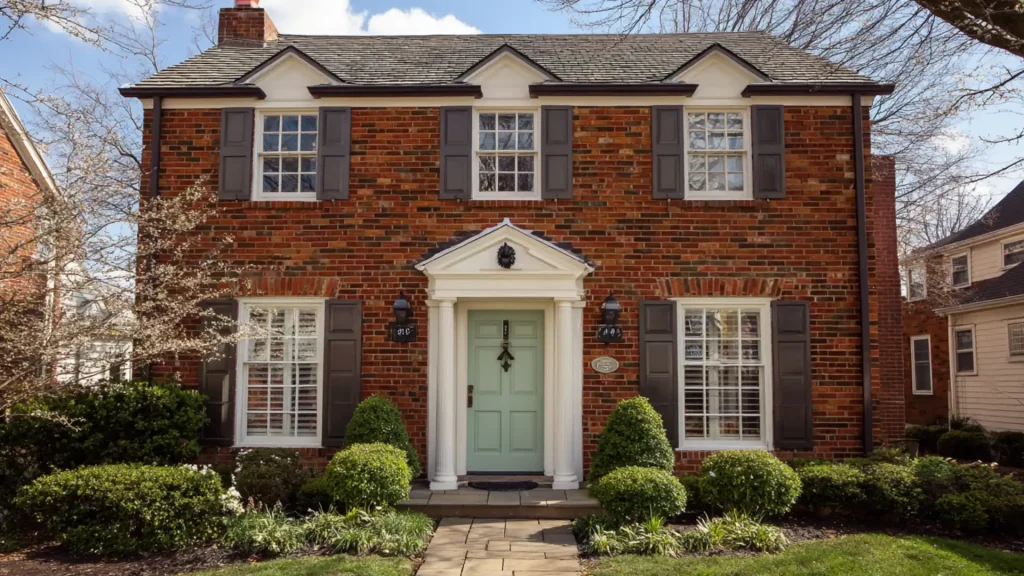
Is it a Good Choice for Exteriors?
It can work, but it is not the most common choice for exterior use.
Outdoors, natural light is much stronger. That means the pink and violet undertones can show up more than you expect.
On a large exterior wall, the color may look softer and lighter than it does inside.
If you want to try it outside, pair it with a warm white trim. That combination keeps the look clean and balanced.
And like I always suggest, test a large sample on your exterior wall before making a final call. Outdoor light changes everything.
Does Gossamer Veil Look Good With Cream Trim or Cabinets?
Yes, but the right cream plays an important role.
Gossamer veil and cream trim can work really well together. Both sit in the warm neutral family. They do not compete with each other. The overall look feels soft and cohesive.
The key is choosing a cream with a warm base. A cream that leans too yellow can pull the wall color in an unwanted direction. The whole room can start to feel more yellow than you planned.
What works well:
- Warm off-white creams with a soft base
- Sherwin Williams Alabaster as a trim or cabinet color
What to watch out for:
- Cool cream shades can bring out the pink or violet undertones
- Very yellow creams can make the walls look off
Always test the pairing on a sample board before committing.
Does this Color Suit Wood Trims and Cabinets?
Yes. Wood tones and this paint color are a natural pairing.
The warm beige undertone in this color responds well to natural wood. It does not fight the grain. It sits beside it comfortably.
Here is how it works with different wood tones:
- Light oak or honey wood: Brings out the warm beige side. The room feels bright and natural.
- Medium walnut or chestnut: A solid match. Feels warm and grounded without being heavy.
- Dark espresso wood: Works well in rooms with good light. The contrast is strong but not harsh.
A couple of things to watch:
- Very red-toned woods like cherry or mahogany can clash with the pink undertone
- Gray or whitewashed wood can push the violet forward
Always test beside your actual wood finish before painting the full room.
Coordinating Colors for Gossamer Veil
This color shade is easy to work with. It does not fight other colors. Here are six shades that pair well with it.
- Sherwin-Williams Alabaster (SW 7008): A warm, creamy white. Works beautifully as a trim or ceiling color.
- Sherwin-Williams Pure White (SW 7005): A cleaner white option. If you are considering softer whites, you can also look at Cheviot, which leans slightly warmer and pairs well with greige tones.
- Sherwin-Williams Urbane Bronze (SW 7048): A deep, warm brown gray. Great as an accent wall color.
- Sherwin-Williams Pewter Cast (SW 7673): A medium-toned gray. Sits naturally beside this shade without clashing.
- Sherwin-Williams Raisin (SW 6334): A deep plum tone. Works well as a bedroom accent wall.
- Sherwin-Williams Accessible Beige (SW 7036): A rich beige. Useful for connecting this shade to wood tones in the same space.
Building a color scheme around this does not need to be complicated.
Start with your trim, then your flooring, and work outward from there
Usage Tips
A few simple steps can save you a lot of trouble later.
Test on your actual wall. Buy a sample pot and paint at least a 12 by 12 inch patch. A small chip will not show you how the undertones behave in your space.
Check it at different times of the day. Morning light, afternoon sun, and evening lamps will all make this color look slightly different. Live with the sample for two to three days before deciding.
Hold it beside your existing finishes. Test it next to your flooring, trim, and furniture. This is where undertones either work for you or against you.
Use two coats. The first coat can look uneven and slightly pink. The second coat settles the color properly.
Pick the right finish
- Flat or matte for bedrooms and living rooms
- Satin or eggshell for kitchens, bathrooms, and hallways
Check your bulbs. Warm white bulbs bring out the beige. Cool white bulbs push the violet forward. Swap them before you paint if needed.
Final Thoughts
If you are looking for a neutral that sits between gray and beige, Gossamer Veil is worth considering.
It is flexible and easy to pair, but it does respond to lighting and nearby finishes.
The best way to know if it fits your space is to test it where you plan to use it.
Give yourself a few days with a sample before choosing.
Frequently Asked Questions (FAQ’s)
1. Can Gossamer-Veil Work in a Small Room?
Yes, if the room has good natural light. Test it first in darker or smaller spaces.
2. Is This Shade Good for a Whole House?
Yes. It flows well across rooms. Expect slight variation depending on each room’s light.
3. What is the Best Way to Test It Before Painting?
Paint a 12 by 12 inch sample on your wall. Check it at different times of the day