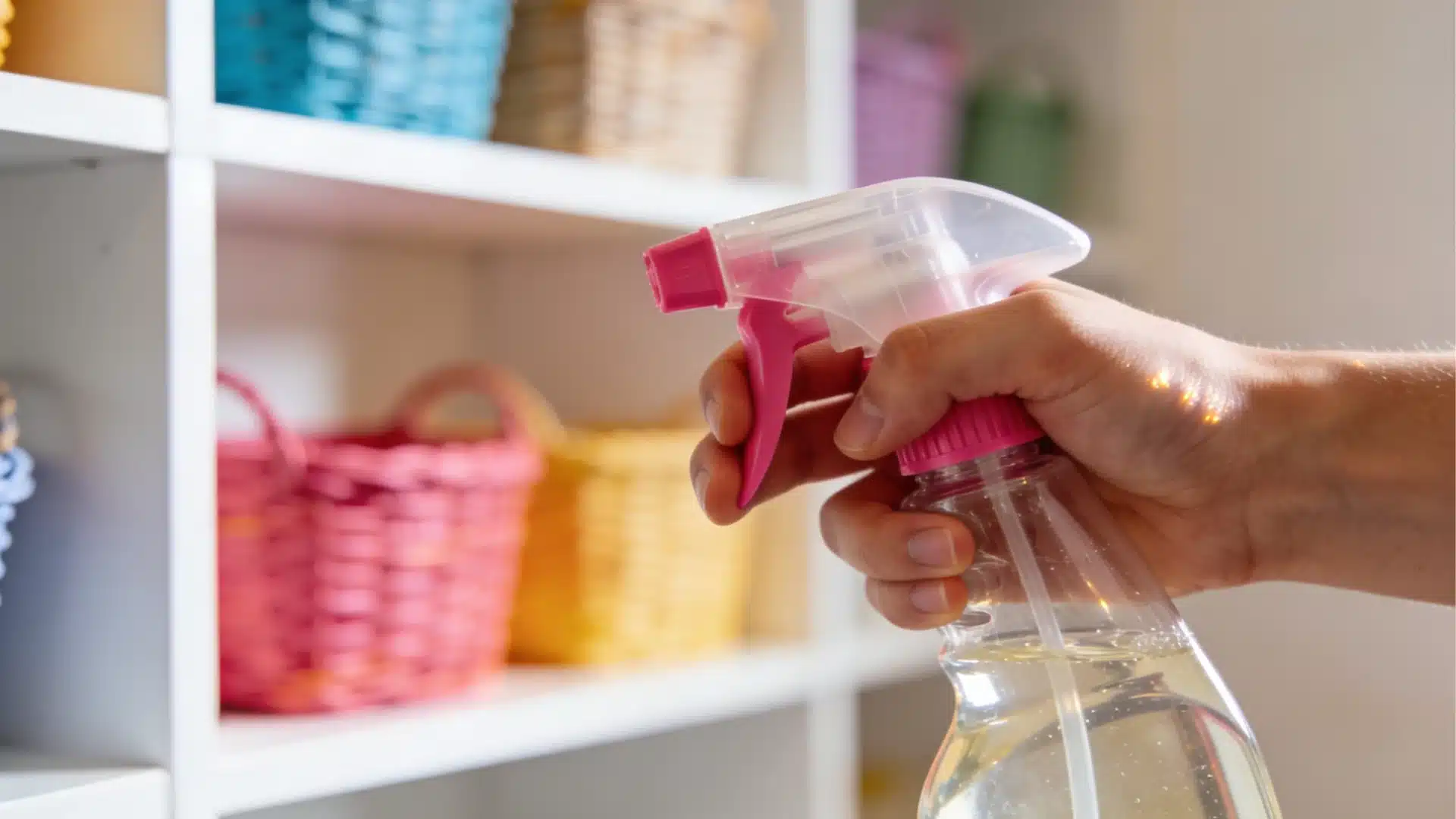

Walk into a room that smells fresh and clean. Sounds good, right?
Most store-bought air fresheners do the job. But many of them are packed with chemicals you can’t even pronounce.
That’s where a homemade air freshener comes in.
Benefits of Homemade Air Fresheners
It can be tough to convince yourself to switch to homemade air fresheners, which is why knowing the benefits is a good start.
You get full control over what goes into your home’s air. No harsh chemicals. No synthetic fragrances. And no overspending on products that don’t even last.
Non-Toxic and Eco-Friendly
Homemade air fresheners use natural ingredients.
There are no synthetic chemicals or artificial additives. That means the air you breathe every day is cleaner and safer.
It’s also a better choice for the planet.
Cost-Effective
Most of the ingredients you need are already in your kitchen or bathroom cabinet, which makes it easy on your purse.
Things like vinegar, baking soda, and citrus peels cost very little.
And hence you end up spending far less than you would on store-bought fresheners that run out quickly.
Customisable Scents
With a homemade freshener, you pick the scent.
You choose the oils, the herbs, and the blends. No more settling for a generic “linen breeze” or “ocean mist.”
Your home smells exactly the way you want it to, without the worry of toxic scents.
Safer for Kids and Pets
Commercial sprays often contain chemicals that can irritate little lungs and sensitive noses.
Natural ingredients, on the other hand, are much gentler. When you make your own freshener, you know exactly what’s in it.
That means no worrying about your child or pet breathing in toxic fumes.
Easy Recipes to Make Homemade Air Freshener
You don’t need fancy equipment or hard-to-find ingredients. Most of what you need is already in your kitchen or bathroom cabinet.
1. Citrus Spray Air Freshener
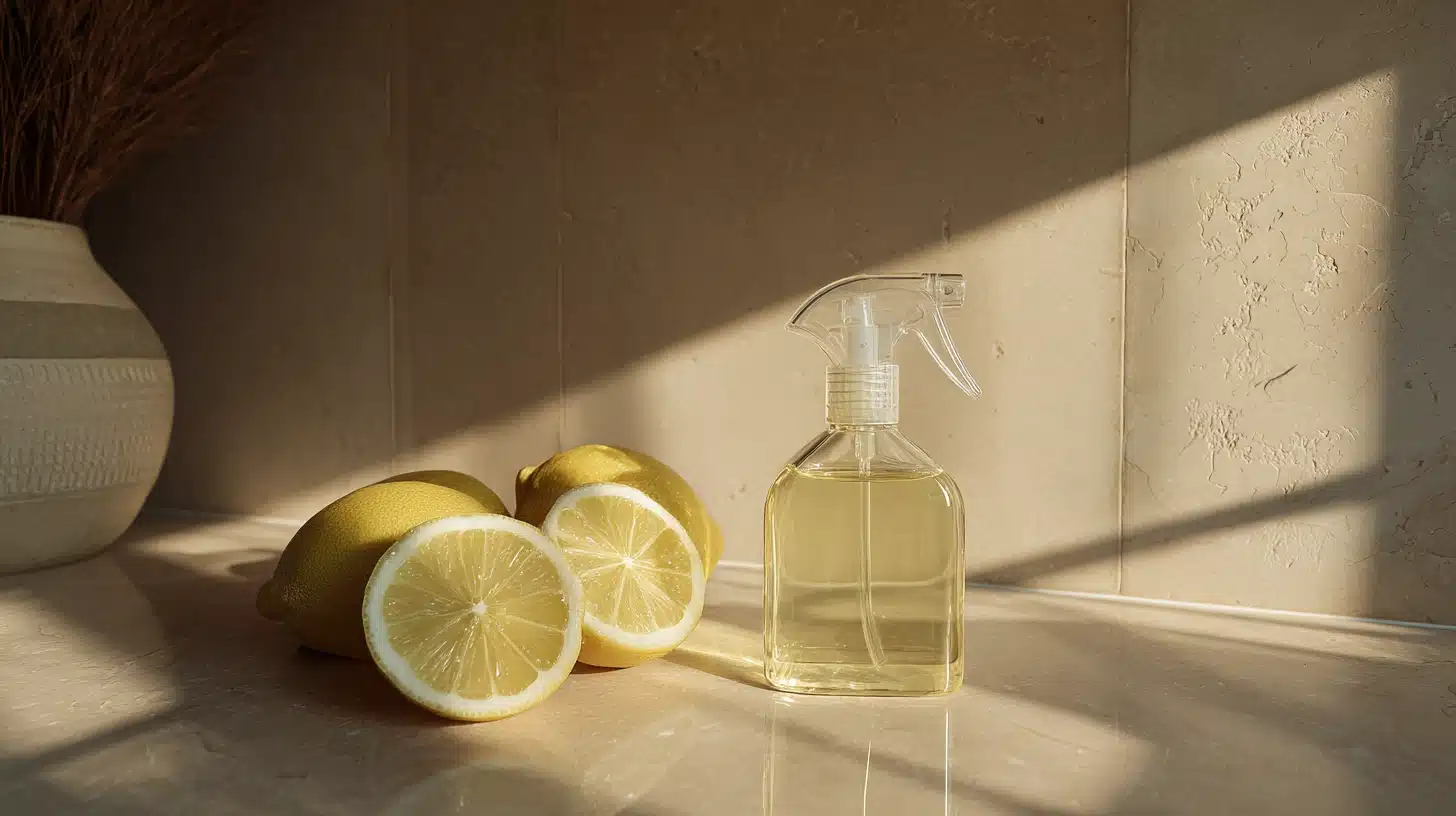
This one is fresh, bright, and incredibly easy to make.
You’ll need: 1 lemon (sliced or juiced), 1 cup of water, and 2 tablespoons of white vinegar.
- Step 1: Add the lemon slices and water to a small pot.
- Step 2: Simmer on low heat for 10 to 15 minutes.
- Step 3: Let it cool completely.
- Step 4: Strain the liquid into a spray bottle.
- Step 5: Add the vinegar and give it a good shake.
- Step 6: Spray as needed.
Use in the kitchen and bathroom, as the citrus cuts through food smells, and the vinegar tackles bacteria.
2. Baking Soda Jar Freshener
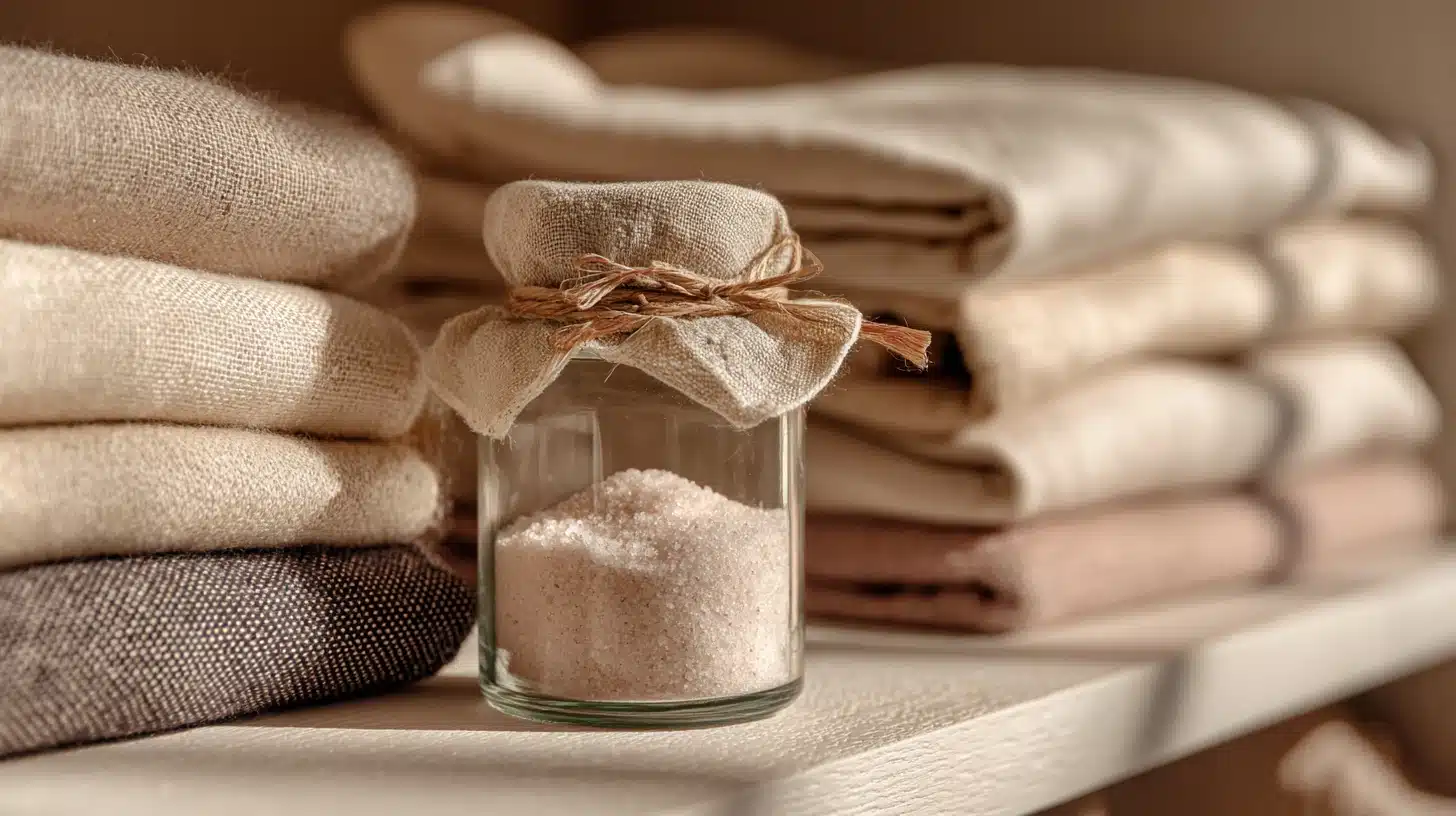
This is one of the simplest recipes you’ll ever make.
You’ll need: ½ cup of baking soda and 10-15 drops of your favorite essential oil.
- Step 1: Pour the baking soda into a small glass jar.
- Step 2: Add the essential oil drops on top.
- Step 3: Stir gently to mix.
- Step 4: Cover the jar with a piece of fabric or paper with small holes punched in it.
- Step 5: Secure with a rubber band.
- Step 6: Place it where you need it most.
Use in the Closets, drawers, and small rooms, as baking soda absorbs bad odors instead of just covering them up.
You can keep one of these in the wardrobe as well. It will keep the clothes smelling fresh without any chemical sprays near your fabrics.
3. Essential Oil Room Spray
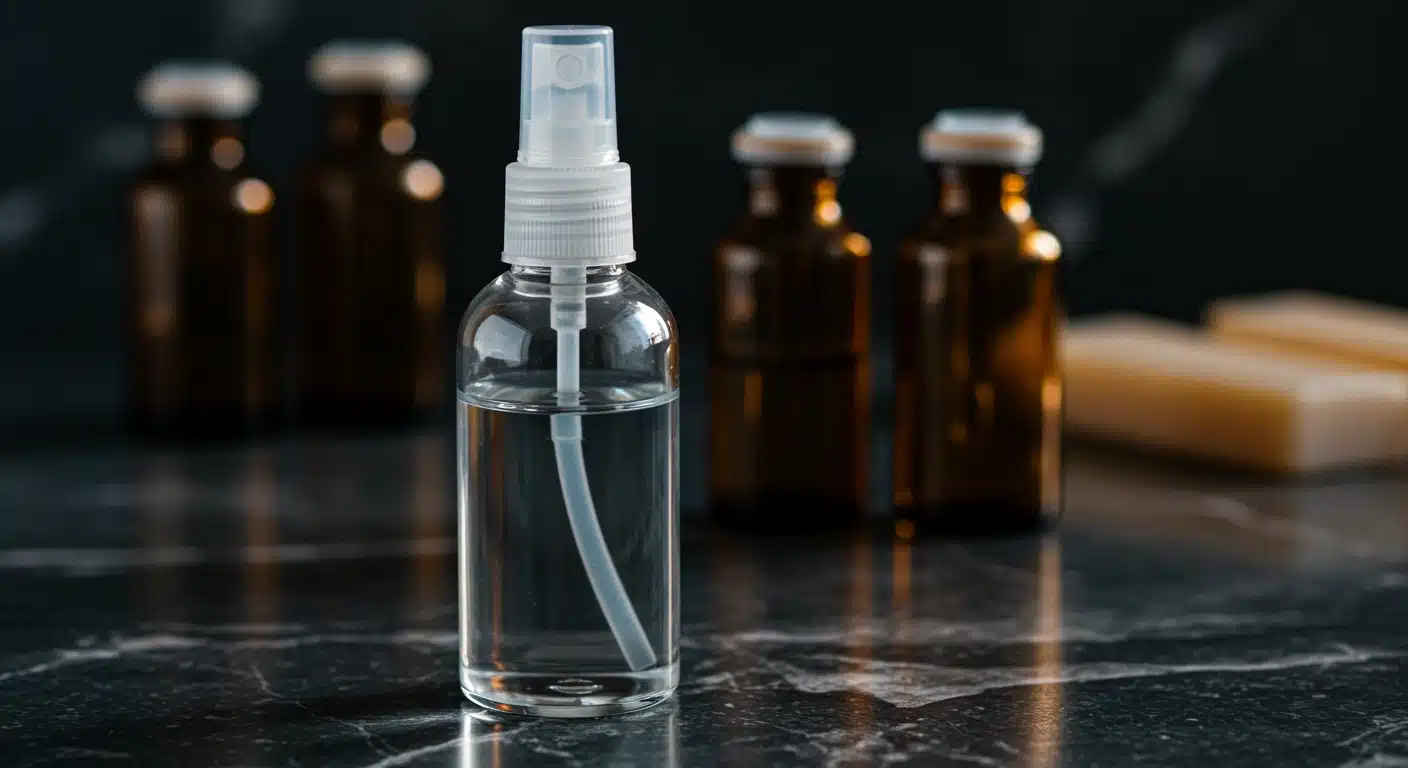
Want a spray you can fully customize? This one’s for you.
You’ll need: ¾ cup of distilled water, 2 tablespoons of rubbing alcohol or vodka, and 20 to 25 drops of essential oils.
- Step 1: Pour the alcohol into a spray bottle first.
- Step 2: Add your essential oil drops.
- Step 3: Top up with distilled water.
- Step 4: Shake well before each use.
- Step 5: Spray into the air or onto soft furnishings.
Mix lavender and eucalyptus for calm. Try peppermint and lemon for a fresh, bright scent.
Start with one or two essential oils before mixing blends. Lavender and lemon are great beginner picks, both smell fresh and work well together.
4. Gel Air Freshener
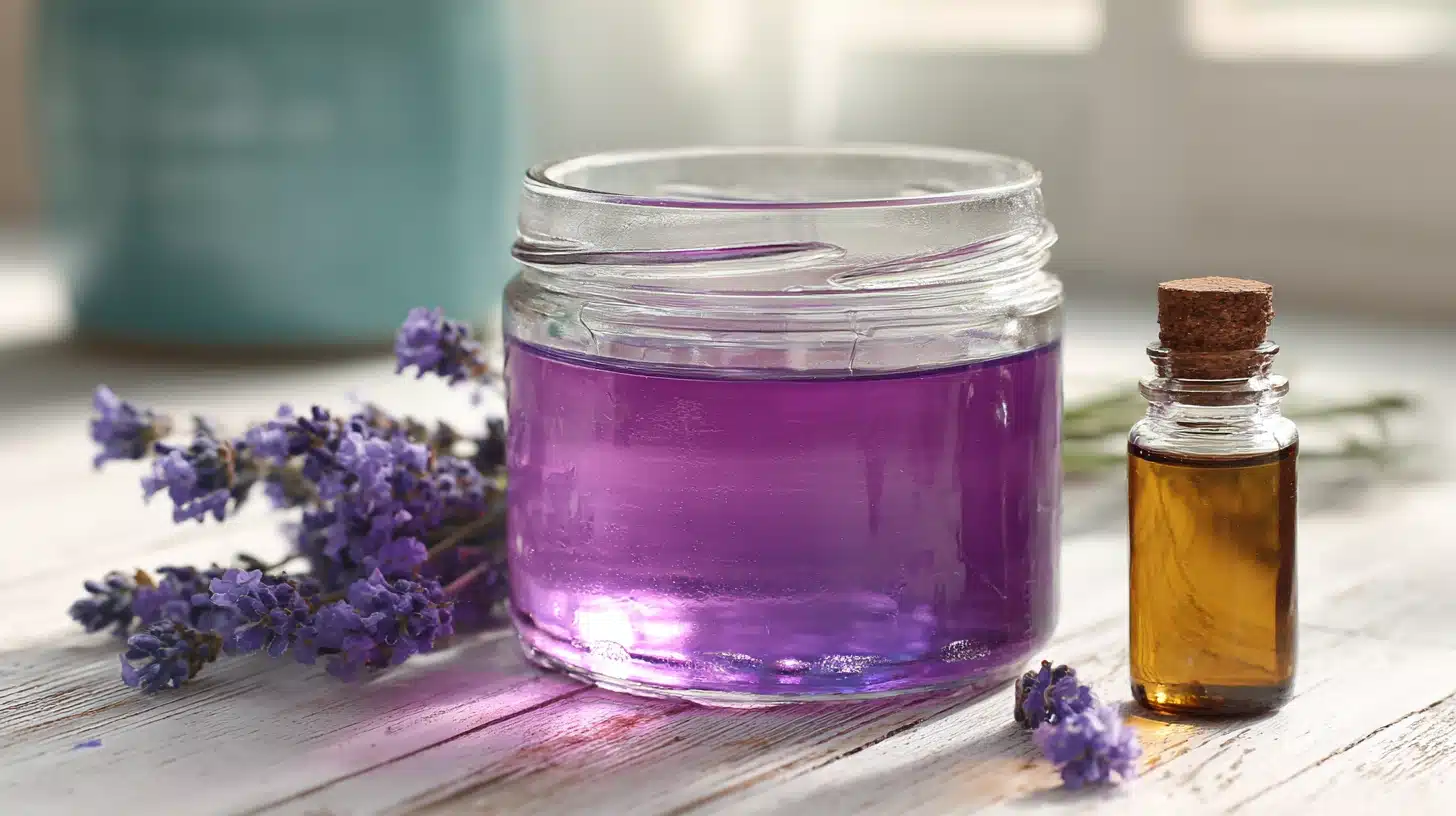
This one lasts longer than a spray and looks great on a shelf.
You’ll need: 1 cup of water, 2 packets of unflavoured gelatin, 1 tablespoon of salt, 20 drops of essential oil, and food coloring (optional).
- Step 1: Boil half a cup of water.
- Step 2: Stir in the gelatin until fully dissolved.
- Step 3: Add the remaining cold water, salt, and essential oil.
- Step 4: Add food coloring if you’d like.
- Step 5: Pour into small glass jars.
- Step 6: Let it sit at room temperature for a few hours.
Anywhere around the house, as the gel slowly releases fragrance over several weeks, and the salt helps it last longer.
5. Simmer Pot Air Freshener

This one fills your whole home with a warm, cozy scent.
You’ll need: 2 cinnamon sticks, a handful of cloves, orange or lemon slices, and 4 cups of water.
- Step 1: Add all ingredients to a small pot.
- Step 2: Fill with water.
- Step 3: Heat on low until it starts to simmer.
- Step 4: Keep on low heat and top up water as needed.
This is great during colder months or around the holidays, as the warm spices and citrus blend well.
6. Activated Charcoal/ Baking Soda Freshener
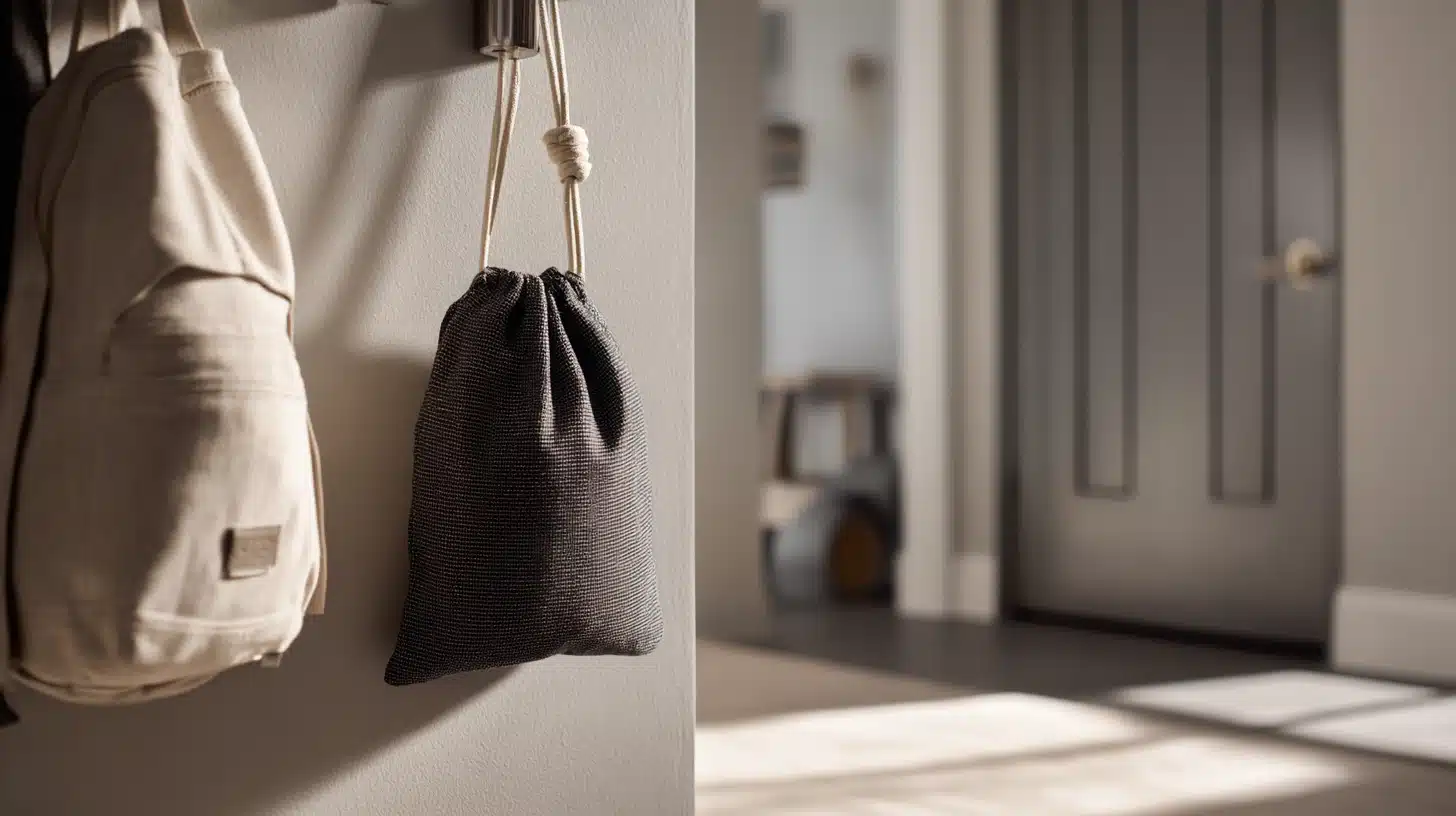
This one doesn’t just add a nice smell, but also removes bad ones.
You’ll need: A small breathable bag or pouch and activated charcoal or Baking Soda.
- Step 1: Fill the pouch with activated charcoal or Baking Soda.
- Step 2: Tie or seal it securely.
- Step 3: Place it where odors are a problem.
- Step 4: Leave it in sunlight for an hour every month to reactivate it.
You can also use gym bags, car interiors, and wardrobes, as these ingredients effectively traps and absorbs odor molecules.
Bonus Recipe:
Mix 1.5 tablespoons of baking soda with 20 to 30 drops of essential oil (like lemon or lavender) and 2 cups of water in a spray bottle.
Shake well to create a natural, odor-eliminating air freshener that cleans the air and leaves a refreshing scent on fabrics.
7. Fabric Spray Freshener
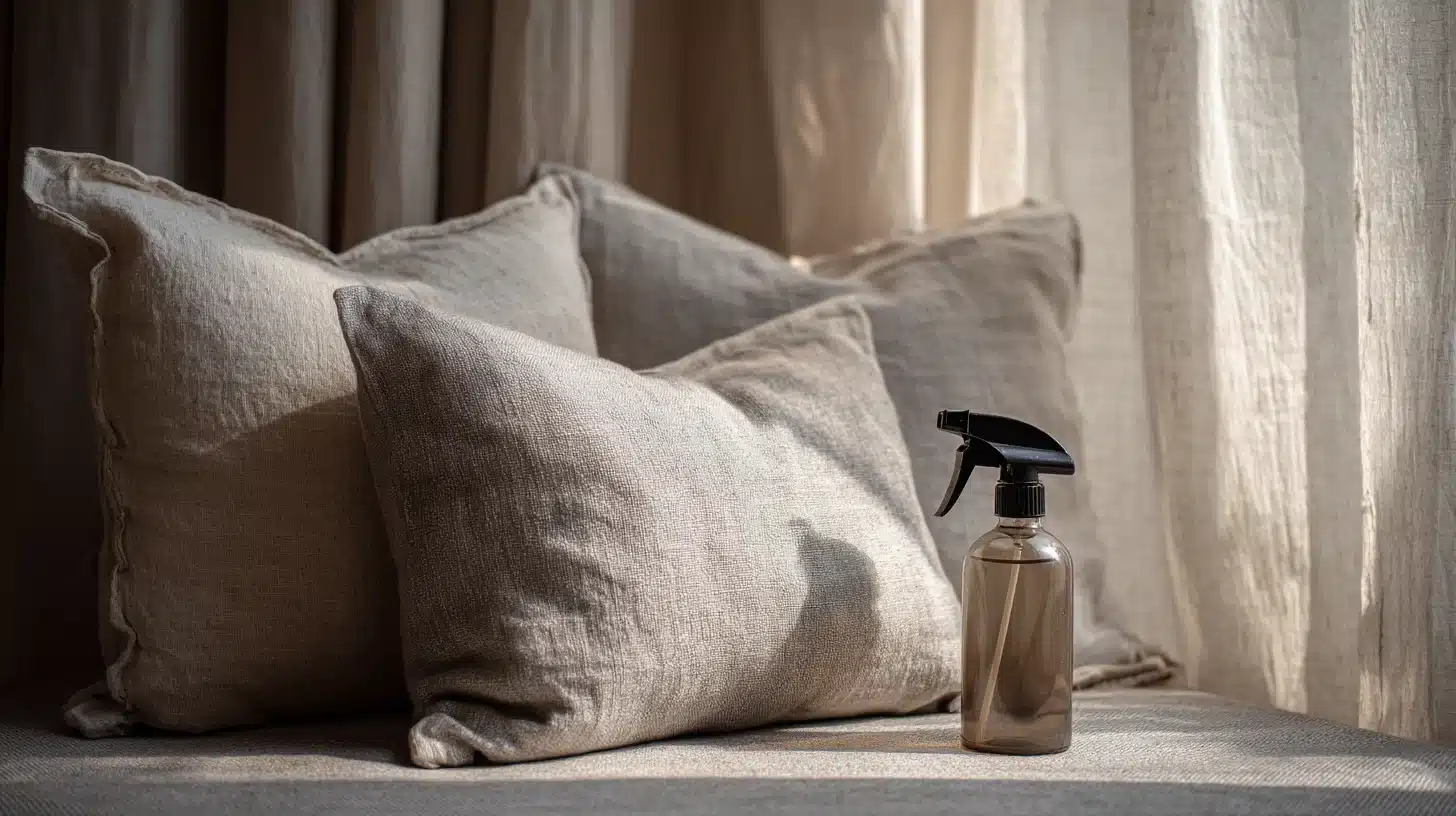
This one is made specifically for soft surfaces around your home.
You’ll need: 1 cup of distilled water, 1 tablespoon of baking soda, 15 to 20 drops of essential oil, and a pinch of salt.
- Step 1: Add baking soda to the spray bottle.
- Step 2: Pour in the water slowly (it may fizz a little).
- Step 3: Add essential oil and salt.
- Step 4: Shake gently to combine.
- Step 5: Spray lightly onto fabric surfaces and let dry.
Always do a small patch test on delicate fabrics first, as certain fabrics can be sensitive to baking soda.
More Essential Oil Options for Homemade Air Fresheners
Essential oils are the heart of most homemade air freshener recipes.
They’re natural, long-lasting, and come in a wide range of scents. The right oil can completely change the feel of a room.
Some calm you down, some wake you up, and some simply eliminate bad smells.
Relaxing: Lavender and Chamomile, great for reducing stress and promoting calmness.
Energizing: Lemon and peppermint lift the mood and clear out stale air quickly.
Odor Fighting: Tea Tree and Eucalyptus create a medicinal scent that kills bad odor bacteria.
Use a DIY Air Freshener Effectively
Making a great air freshener is only half the job.
Knowing where and how to use it makes all the difference. Each type works best in a specific spot.
Sprays work well in open spaces like living rooms, bedrooms, and hallways. A quick spritz in the air or on soft furnishings is all you need.
For bathrooms, a baking soda jar or a small gel freshener works better.
In cars, activated charcoal pouches are the smart choice. They fit under seats or in the boot without taking up much space.
For closets and wardrobes, baking soda jars and charcoal bags are ideal.
Storage Tips for a DIY Air Freshener
Keep spray bottles out of direct sunlight and away from heat.
Store them in a cool, dry place to preserve the scent, and always shake the spray bottles before use.
Gel fresheners should be kept at room temperature and away from drafts.
Shelf life varies by type. Sprays last around four to six weeks. Gels last three to four weeks.
Baking soda jars stay effective for up to a month. Charcoal pouches last the longest, up to two years.
Final Thoughts
Making a homemade air freshener is one of the easiest home improvements.
Want something calming? Go with lavender. Need to fight tough odors? Grab the activated charcoal. Feeling festive? Put that simmer pot on.
Just mix different oils. Try new recipes, and make it your own.
It costs less, smells better, and keeps your space free from harsh chemicals. And there’s no wrong way to do it.
Frequently Asked Questions (FAQs)
1. What is the Best Homemade Deodorizer?
A baking soda jar with essential oils is one of the best homemade air freshener options. It absorbs bad odors naturally and works well in any room.
2. What Absorbs Odor in a Room Naturally?
Baking soda and activated charcoal are the top natural odor absorbers. They trap and remove bad smells instead of just covering them up.
3. Can Vinegar Absorb Bad Smells?
Yes. White vinegar neutralizes bad odors on contact. Once it dries, the vinegar smell fades, taking the bad odor with it.