Skipping the prep steps can make your paint peel within months.
Your walls can become flaky and patchy, looking worse than before.
This blog walks you through every prep step, so your paint sticks properly and lasts for years.
Materials and Tools Needed to Paint Brick
Before painting, gather all your supplies in one place.
Having your tools and materials ready from the start makes the process smoother and helps you work without unnecessary interruptions.
- Stiff Bristle Brush: Cleans dirt and debris; helps the paint stick better to the brick.
- Masonry Filler: Repairs cracks and gaps, creating a smoother, more even surface.
- Masonry Primer: Helps paint bond properly; prevents peeling and improves durability.
- Masonry Paint: Creates a durable finish and is made to handle brick texture and moisture.
- Thick Nap Paint Roller: Covers textured brick evenly; reaches deep into rough brick surfaces.
- Angled Paintbrush: Paints corners and edges; helps cover small or hard-to-reach areas.
- Painter’s Tape: Protects nearby surfaces; keeps paint lines clean and neat.
Simple Steps: How To Paint Brick?
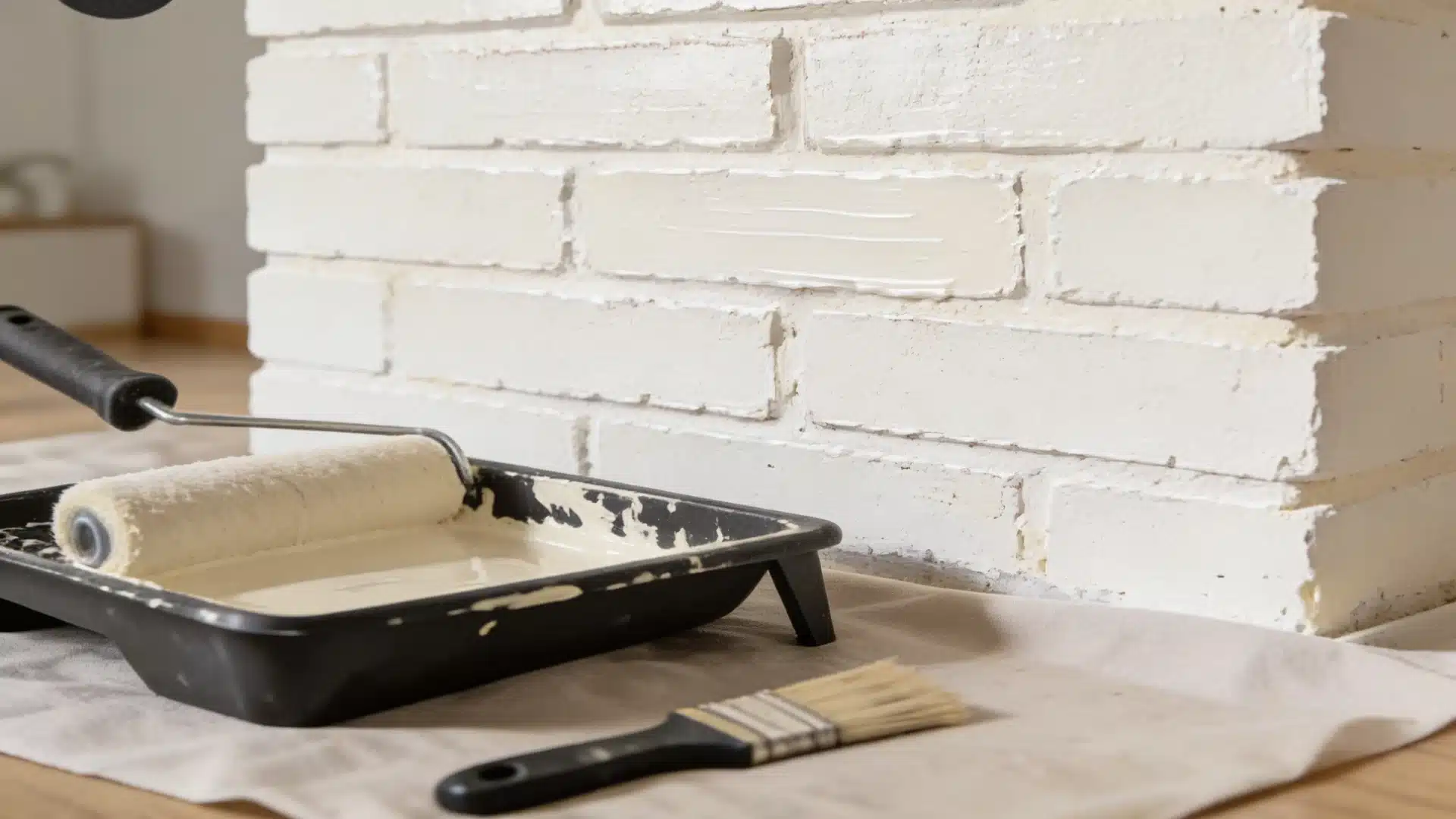
Painting brick isn’t complicated. But a few small mistakes can ruin the whole finish. Follow these steps in order, and you’ll get a clean, lasting result every time.
1. Clean the Brick Surface
Start by removing dirt, dust, grease, soot, and loose debris from the brick. A stiff brush and masonry cleaner work best for this step.
Once the surface looks clean, rinse it properly and let it dry fully before painting.
If you notice dark stains or mildew, clean them thoroughly first, as they can show through lighter paint colors later.
Painting over dirty or damp brick can prevent the paint from adhering properly and may cause peeling.
2. Repair Cracks and Damaged Areas
Check the brick and the joints between the bricks for cracks, gaps, or loose sections. Use masonry filler to repair smaller damaged areas and smooth the surface evenly.
Pay close attention to corners and lower sections, as moisture damage often appears there first.
Paint does not properly hide damaged brick, and untreated cracks often become more visible later.
3. Protect Nearby Surfaces
Before painting, cover nearby floors, windows, trims, and furniture using painter’s tape and drop cloths.
This keeps paint splatters from spreading onto surfaces you do not want painted.
Plastic sheets are useful for larger areas because they cover wide surfaces quickly and protect against splatter.
4. Apply Masonry Primer Evenly
Use a primer made specifically for brick or masonry surfaces. Apply it with a thick-nap roller, and use an angled brush for corners, joints, and textured areas.
Let the primer dry fully before moving to the paint. Most masonry primers need at least 4–6 hours to dry.
Alternative: Spray primers also work well on rough brick because they reach small gaps and uneven textures more easily.
5. Paint the Brick in Thin Coats
Apply masonry paint using a roller for larger sections and a brush for edges and joints.
Work in small sections and apply thin, even coats rather than heavy layers. This helps the paint dry more smoothly across the rough brick texture.
Thick paint coats can create drips, streaks, and uneven patches on the surface.
6. Apply Additional Coats if Needed
Once the first coat dries fully, apply a second thin coat for stronger coverage and a more even color.
Dark brick or rough surfaces may need an extra coat to fully cover the underlying color.
Applying another coat too early can leave the finish sticky, patchy, or uneven.
7. Let the Paint Cure Properly
After painting, allow the brick enough time to dry and harden fully before touching, cleaning, or decorating the area.
If you painted exterior brick, keep it protected from rain while it cures.
You can follow the same steps to paint the interior and exterior brick walls.
Best Paint Colors for Brick Surfaces
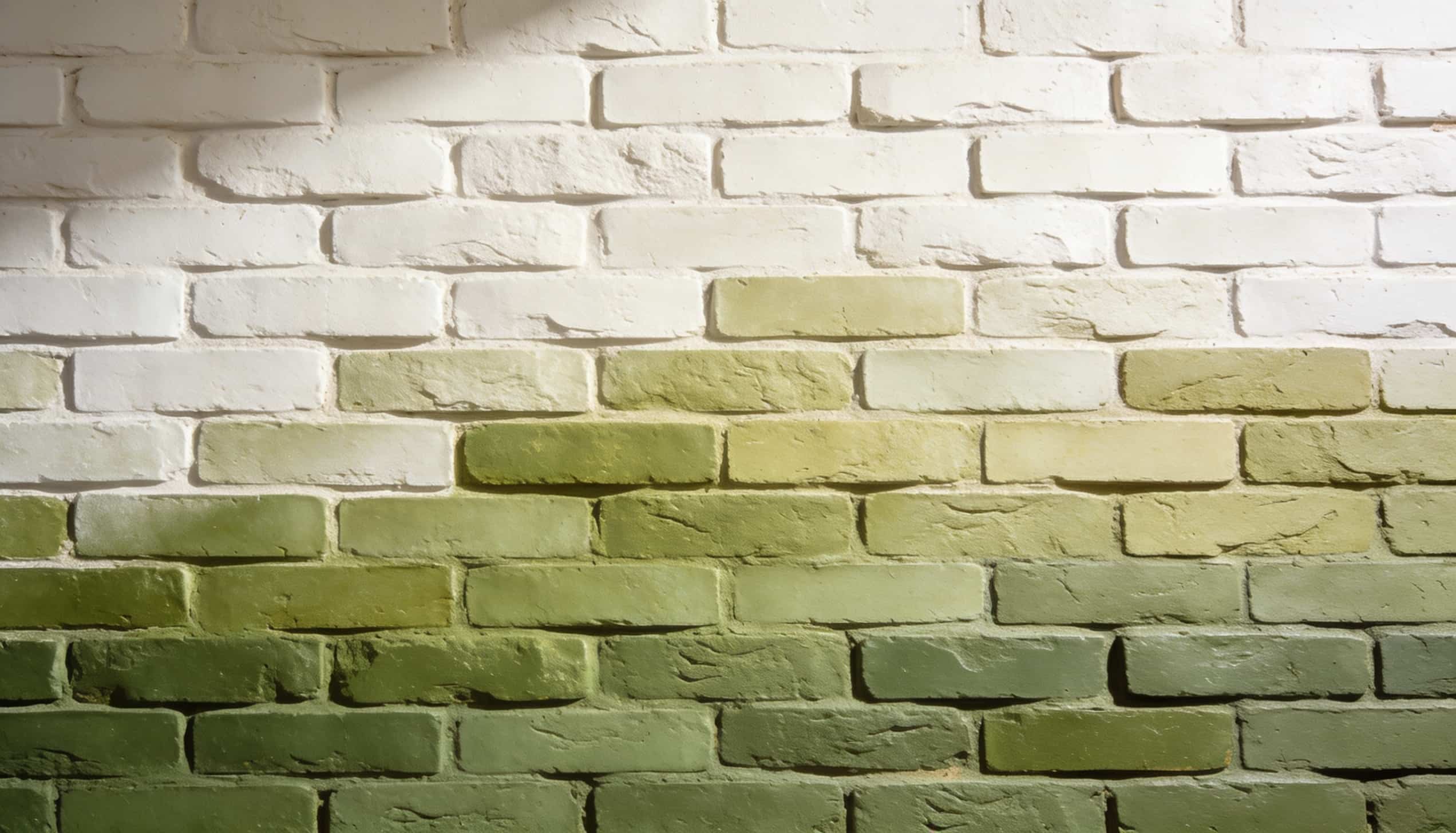
The right paint color can completely change how the brick looks in a space.
Some colors make brick feel brighter and more modern, while others create a warmer or more dramatic look.
White and Off-White
White-painted brick gives a clean, timeless look that works in almost any space.
Off-white shades feel a little softer and warmer, making them a good choice for homes that want a cozy but updated appearance.
Gray
A versatile option that works well with both modern and traditional homes.
Light gray keeps the space feeling fresh, while darker gray shades add depth and a more polished look.
Beige and Tan
Beige and tan shades blend naturally with the brick’s original earthy tones. These colors create a warm and balanced finish without feeling too bold.
Navy and Deep Blue
Deep blue shades can make the brick stand out in a subtle but stylish way.
They work especially well on exterior walls, fireplaces, or accent areas that need a stronger focal point.
Black
Black-painted brick creates a bold, modern appearance.
It is often used in industrial- or contemporary-style homes and works best in spaces with good natural light.
Sage Green
Sage green adds a soft, natural look to brick surfaces.
It gives the space a calm feel while still adding enough color to gently make the brick stand out.
Painted Brick vs Limewash vs German Smear
Understanding the differences between painted brick, limewash, and German smear can help you choose the finish that best fits your home style and long-term upkeep preferences.
| Finish Type | Look | Durability | Maintenance | Best For |
|---|---|---|---|---|
| Painted Brick | Smooth and solid color finish | Long-lasting with proper prep | May need repainting over time | Modern and clean appearance |
| Limewash | Soft, natural, weathered look | Fades gradually over time | Low maintenance touch-ups | Rustic or farmhouse styles |
| German Smear | Textured and partially exposed brick | Very durable | Minimal maintenance | Old world or cottage style homes |
Final Thought
When done properly, painting brick is one of the highest-impact changes you can make to a room or exterior for relatively little money.
The steps aren’t complicated: clean it, fill it, prime it, and build up thin coats.
Where people go wrong is rushing, usually the primer step, or applying the second coat too early
Whether it’s a tired fireplace or a dated exterior wall, a good paint job can transform it completely, without the cost of replacing anything.
Frequently Asked Questions (FAQ’s)
1. What Kind Of Paint Do You Use On Brick?
Use breathable masonry paint or acrylic latex paint designed specifically for brick surfaces.
2. Can I Paint Straight On To Bricks?
No, the brick should be cleaned and primed first so the paint sticks evenly and lasts longer.
3. Can You Paint The Brick Yourself?
Yes, most homeowners can paint brick themselves with the right tools, preparation, and paint.
4. Will The Paint Peel Off The Brick?
Paint can peel if the brick is damp, dirty, or painted without using the proper primer and masonry paint.